
You may be dreaming of a smoother, sculpted back and wondering what life looks like after back liposuction. At the New York Liposuction Center, many patients ask about recovery and how soon they can return to normal activities, work, and exercise.
While back liposuction is a popular way to address stubborn fat, a smooth recovery is just as important for your confidence and long-term results. Knowing what influences your healing process can help you set realistic expectations and plan for the best results. In the sections below, we will break down everything you need to know about back liposuction recovery and how you can navigate every step.
Key Takeaways
Understanding Back Liposuction: The Procedure and Its Impact
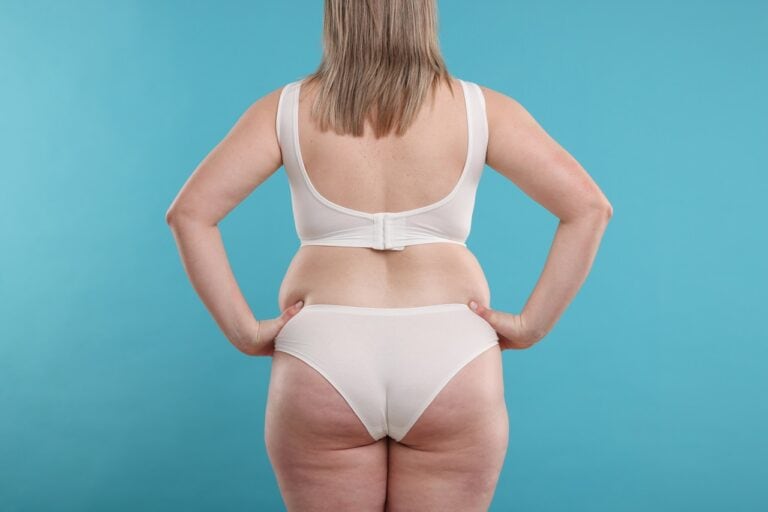
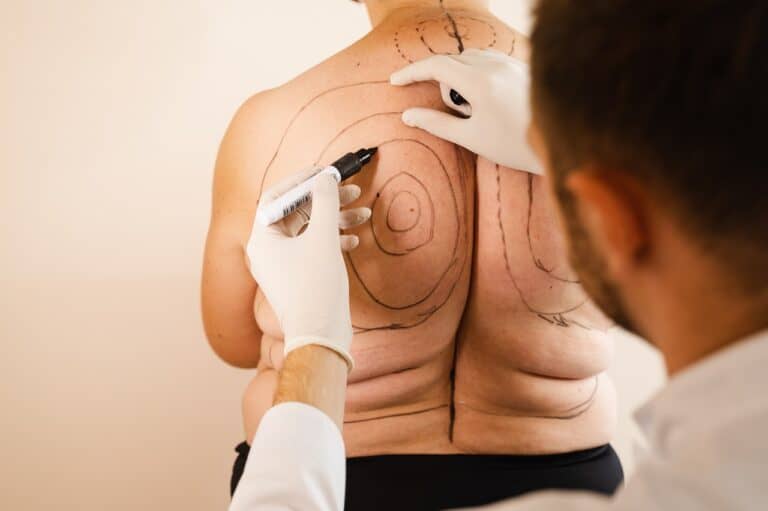
Back liposuction targets stubborn fat deposits across the upper and lower back, bra line area, and sometimes around the flanks. The procedure uses small, discreet incisions to guide a thin tube called a cannula beneath the skin, which then gently removes excess fat.
Surgeons often use tumescent liposuction techniques. They first inject a solution to loosen fat cells, which helps reduce bleeding during the procedure. Because the skin on the back is thicker and less prone to sagging than other areas, most patients see natural contouring as swelling subsides.
The amount of fat removed, surgical technique, and your own tissue elasticity all influence how the treated area looks and feels as you begin to heal. While the surgery itself is usually completed in a few hours, the recovery journey can extend over several months, with key milestones along the way.
What to Expect Immediately After Back Liposuction
You can expect some common symptoms and early recovery experiences in the hours and days after your surgery. Being prepared will help you know what’s normal and what deserves a call to our office.
Early Symptoms
Most patients experience swelling, bruising, and moderate discomfort. The area may feel sore, tight, or numb where fat has been removed. These symptoms are most noticeable in the first week after surgery because the body responds to changes in fluid, tissue manipulation, and the healing process.
You might see fluid drainage from incision sites for up to two days, which is normal. You should rest and drink fluids. Give your body time to adjust to these changes.
Incision Care and Mobility
You will have small incisions closed with steri-strips, surgical tape, or tiny stitches. Keeping incision sites clean and dry is crucial for preventing infection. Most surgeons recommend gentle walking starting the same day or the next morning, which helps circulation and reduces the risk of blood clots.
Plan to avoid bending, stretching, or lifting heavy items for at least a week. Good mobility reduces stiffness and supports a smoother overall recovery.
Managing Pain
Expect to feel tenderness and soreness. Your doctor will usually recommend over-the-counter pain medications. Prescription pain medication may be provided if needed. Using a well-fitted compression garment also eases discomfort and supports the healing tissue.
If pain increases, or if you notice unusual redness, heat, or discharge at incision sites, call your care team promptly. Monitoring symptoms closely lets you address any issues early, supporting better healing.
The Week-by-Week Recovery Timeline
Most people want to know exactly how long they will be in recovery and when they can return to their routines. Back liposuction recovery happens in distinct phases, and each week brings new milestones.
Week 1: The Acute Healing Phase
The first week is usually the most uncomfortable. Swelling and bruising reach their peak during this time. You should rest, elevate your torso, and wear your compression garment as instructed.
Light walking keeps your circulation strong and helps minimize risks from immobility. Taking time off work is generally recommended, especially if your job is physically demanding, because your energy levels may be low.
Week 2: Swelling and Bruising Subside
By the end of the second week, significant swelling and much of the bruising begin to fade. Some mild soreness or tightness can persist. Many people feel ready to resume desk work or gentle activities. Continue using your compression garment, as this stage is when your new shape begins to appear. Focus on hydration and nutrition, which both aid your body’s repair.
Weeks 3 and 4: Gradual Return to Activity
Discomfort continues to decrease, and most patients feel well enough to return to most normal routines. You might notice soreness with twisting or bending, but light stretching and gentle sleeping positions can help. If you have a physically demanding job, you may still need more time off, based on your surgeon’s guidance.
During this stage, most exercise restrictions are still in place, but light walking, gentle chores, and low-impact movement are typically fine.
Weeks 5 to 8: Resuming Exercise and Daily Life
Swelling may linger, but the majority of visible symptoms resolve by this period. You can usually return to full exercise, including more strenuous activities, after you receive your surgeon’s approval. Compression garments may be worn for a few more weeks, depending on your healing progress. Your back will appear smoother and more contoured as the tissue settles.
3 to 6 Months: Final Results Settle In
Most swelling is gone, and your new shape becomes clear. Any remaining numbness or firmness in the tissue typically resolves. Your incisions continue to fade. Your back will look and feel natural, with full results visible after three to six months.

Factors That Affect Your Back Liposuction Recovery
While every patient passes through similar healing stages, several factors can influence how quickly or smoothly you recover. Understanding these can help you plan a timeline, set realistic expectations, and take control of your healing.
Age and Overall Health
Healthy adults recover the fastest, while underlying conditions like diabetes, high blood pressure, or reduced mobility can prolong recovery. Age can impact skin elasticity and the speed at which swelling resolves. However, maintaining a healthy lifestyle can help speed up your results, regardless of age.
Amount of Fat Removed
Larger volume liposuction means your body has more to heal, which can lead to extra swelling and a longer recovery window. For most people, small or moderate fat removal produces less discomfort and a speedier return to daily life.
Surgical Technique
Some surgeons use power-assisted or ultrasound-assisted liposuction, which causes less trauma to the tissue and can shorten healing time. Tumescent technique also minimizes bruising and swelling, which can lead to a smoother recovery.
Adherence to Aftercare Instructions
Consistently wearing a compression garment, caring for incisions properly, and attending follow-up appointments will help you avoid complications. Being careful in the first few weeks often leads to both a more comfortable recovery and better long-term results.
Activity Level and Nutrition
Getting enough walking and gentle movement supports healing, while avoiding strain or heavy exercise protects your back as it recovers. Eating a protein-rich diet and staying hydrated both reduce inflammation and supply the building blocks for new tissue.
When you keep all these factors in mind, you give yourself the best possible chance for an efficient, comfortable recovery.
The Role of Compression Garments in Recovery
Compression garments are a crucial part of the recovery process after back liposuction. They provide pressure that supports healing, minimizes swelling, and helps your back skin conform to its new contours.
Key Benefits of Compression Garments
Wearing your compression garment promotes even healing and reduces fluid buildup, called seroma. Compression garments also support the newly contoured tissue and help skin retract, which leads to smoother results.
You should follow your surgeon’s recommendations about how long to wear the garment each day. Most patients wear them full-time for the first two weeks, then only during the day for several more weeks. A snug, well-fitted garment feels comfortable and supportive, but it should not cut off circulation or cause numbness.
If you experience discomfort or skin irritation under the garment, contact your surgical team for advice. Addressing issues early helps you stay comfortable during healing.
Typical Symptoms and Side Effects During Recovery
You can expect a range of mild to moderate symptoms during your recovery, though their intensity and duration vary from person to person.
Common Recovery Symptoms
The most frequent symptoms include:
- Swelling: This is the body’s natural response to tissue disruption and usually peaks within the first week.
- Bruising: Areas near incisions and along the back may show yellow or purple marks that fade over two weeks.
- Tenderness and Stiffness: These sensations are typical and ease as your back heals.
Some people also notice temporary numbness or firmness in the treated area, which can last for a few months. These symptoms improve as nerves and tissue regenerate.
Signs Requiring Prompt Attention
While mild discomfort and redness are common, reach out to your provider if you experience persistent severe pain, sudden swelling on one side, fever, or increased incision drainage. These may signal infection or other healing complications.
Early communication ensures you get timely support and keeps your recovery on track.
Returning to Work and Exercise After Back Liposuction
Knowing when you can safely return to work, drive, or resume exercise matters for your daily life. Here are some clear milestones you can expect after surgery.
Resuming Daily Activities
Most people with desk jobs return to work after one week, though you may feel tired or stiff for a few more days. If your job involves heavy lifting, vigorous movement, or other physical demands, you may need two to three weeks away from work so your body can fully recover before you resume those activities.
You should avoid driving until you feel alert and mobility has returned, which usually takes about one week.
Reintroducing Exercise
Surgeons typically recommend avoiding vigorous exercise for three to four weeks. You can begin gentle walking as soon as you feel comfortable, because this keeps blood flowing and prevents unwanted complications. Low-impact exercises, such as gentle stretching or cycling, may start after two weeks, depending on your healing. Once your surgical team clears you, you can gradually reintroduce higher-impact or more strenuous workouts.
Being patient during this period decreases your risk of setbacks or injury.
How to Speed Up Your Recovery and Optimize Your Results
There are clear, proven steps you can take to support your body and make your recovery as smooth as possible. Following these best practices will help you feel better, faster, and enjoy the best possible results.
Take your medications exactly as prescribed and avoid over-the-counter remedies without your surgeon’s approval. Nutrition counts, so focus on lean proteins, plenty of vegetables, and healthy fats. Drinking water regularly supports your body’s detox process and keeps tissues healing optimally.
Getting enough rest is essential for tissue repair. Listen to your body’s cues and avoid pushing yourself. Gentle movement, including regular walks around your home, supports circulation. Avoiding alcohol and tobacco helps reduce inflammation and prevents complications as you heal.
Keep all your scheduled follow-up visits, as your surgeon will assess your progress, answer questions, and help adjust your care plan if needed. If you have concerns or changes in symptoms, reach out promptly. Your care team is there to support you through every step.
When Will You See Final Results?
Most patients see visible changes within a few weeks after back liposuction, as swelling goes down and bruising fades. However, your final back contours and improvements can take up to six months to appear because lingering swelling, skin retraction, and tissue remodeling all require time.
Be patient as your body settles into its new shape. Wearing your compression garment until you receive your surgeon’s approval, sleeping on your side or stomach to avoid pressure on your back, and eating a healthy diet all support lasting results.
If you notice uneven areas, bumps, or changes in sensation during the healing period, these usually smooth out by the three to six-month mark. Maintaining a stable weight also helps you enjoy your new contours for years to come.
Back Liposuction Recovery: Your Path to Lasting Results
Choosing back liposuction is an investment in your shape, confidence, and comfort, yet your results depend just as much on your recovery as on your surgery. Understanding what to expect at every stage empowers you to take control, from the first week of healing to the day you see your newly sculpted back.
Patients at the New York Liposuction Center enjoy personal support throughout recovery, thanks to skilled surgeons, thoughtful aftercare, and clear instructions to help you heal. Taking time to rest, wearing your compression garment, and following all aftercare guidance lay the foundation for lasting, smooth, natural results.
If you are considering back liposuction or want a tailored recovery plan, we invite you to reach out to our team for a personalized consultation. Our experienced surgeons and staff are committed to your comfort and best possible outcome, and we are ready to help you begin your next chapter with confidence.