Breast reduction surgery transforms lives by relieving physical discomfort and boosting confidence, but concerns about scarring often hold people back from this beneficial procedure.
The good news is that with proper care and realistic expectations, your scars can fade remarkably well over time. Let’s dive into some important things to know when it comes to breast reduction scar management at the New York Liposuction Center.
Key Takeaways

Understanding Breast Reduction Scars
Breast reduction surgery requires incisions through your skin to remove excess tissue, fat, and skin while reshaping your breasts to a smaller, more proportionate size. Your body responds to these incisions by producing collagen, which forms scar tissue to close the wounds. This is a completely natural healing process that protects you and repairs damaged tissue.
The location and extent of your scars depend primarily on which surgical technique your surgeon uses. This decision is based on how much tissue needs removal, your breast size and shape, and your desired outcome. Board-certified plastic surgeons carefully consider these factors to recommend the approach that will achieve your goals while minimizing visible scarring.
Common Incision Patterns
The inverted T or anchor pattern is the most widely used technique for breast reduction. This method involves three distinct incisions. One circles around your areola, which is the darker skin surrounding your nipple. Another runs vertically from the bottom of your areola down to your breast crease. The third follows horizontally along the breast crease itself. This comprehensive approach allows surgeons to remove significant amounts of tissue and reshape your breasts dramatically.
The vertical or lollipop technique uses two incisions instead of three. One circles the areola while the other extends vertically down to the breast crease. This method works well for moderate reductions where less tissue needs removal. The absence of the horizontal incision means less overall scarring.
The periareolar or donut technique involves only one incision around the outer edge of the areola. This minimal approach works for patients who need the smallest reductions. The scar blends naturally with the color transition between the darker areola and lighter breast skin.
Why Scars Form
When your surgeon makes incisions during your procedure, your body immediately begins a complex healing process. Blood clots form first to stop bleeding and create a protective layer over the wound. Inflammation follows as your immune system sends white blood cells to fight infection and clear away damaged tissue. This causes the area to become red, swollen, and tender.
New tissue growth happens next. Your body produces collagen, which is a protein that helps build new skin and close the wound. This new tissue is what eventually becomes the visible scar. The appearance of your final scar is influenced by several factors, including your genetic predisposition to scarring, your age and overall health, and how well you follow post-operative care instructions.
Recent medical research published in 2024 by the journal Plastic Surgery examined scar management techniques and found that early intervention with evidence-based treatments significantly improves outcomes. A 2025 study in In Vivo tracked laser therapy for surgical scars and confirmed that postoperative scar management using advanced techniques helps scars fade more effectively than passive healing alone.
The Healing Timeline
Your breast reduction scars will go through several predictable stages as they heal and mature. Understanding this progression helps you maintain realistic expectations and recognize that the changes you see are normal.
First Two Weeks After Surgery
Your incisions appear most prominent immediately following surgery. The cuts look red or pink and may feel raised or slightly puckered. Swelling and bruising around the incision sites are normal. You might also notice some drainage or mild discomfort in the treated areas.
During this critical early phase, your focus is on proper wound care to prevent infection. Your surgeon will provide specific instructions for keeping incisions clean and dry. Most patients wear surgical dressings and a supportive bra to protect healing tissues. This period requires rest and limited activity to avoid stressing the incision sites.
Weeks Two Through Six
As your body continues healing, you’ll notice positive changes. The initial swelling and bruising start subsiding. Your incisions close fully, and any stitches either dissolve or are removed. The scars remain red or brown but may begin showing early signs of softening.
This is when you transition back to more normal activities gradually. You’ll still wear a supportive surgical bra, but can usually shower normally. Light walking is encouraged to promote circulation, but strenuous exercise and heavy lifting remain off limits to protect healing tissues.
Two to Six Months Post-Surgery
Significant improvements happen during this phase. Your scars begin maturing, and the darkness gradually fades. The raised or puckered appearance starts flattening. This is when a gentle scar massage becomes beneficial if your surgeon approves.
The improved appearance gives many patients renewed confidence. Your breasts settle into their new shape and size. The dramatic reduction in physical discomfort becomes more apparent as healing progresses. Most patients resume all normal activities during this period, though impact sports may still require clearance from your surgeon.
Six Months to Two Years
The most dramatic scar fading occurs during this extended period. Your scars continue softening and blending with the surrounding skin. They shift from red or brown to pink, then eventually to white or a shade very close to your natural skin tone. The texture becomes smoother and more similar to the surrounding tissue.
Full scar maturation can take up to 18 months or even two years in some cases. However, the trajectory is consistently positive. The thin, light lines that remain are typically well-hidden by clothing and often blend so naturally that they become barely noticeable.
Essential Daily Care Practices
The steps you take during breast reduction recovery directly impact how your scars heal and how visible they remain long-term. These practices are straightforward and make a measurable difference.
- Keep incisions clean: Wash the areas gently with mild, fragrance-free soap and water as your surgeon directs. Pat dry with a clean towel rather than rubbing. Clean wounds heal faster and resist infection, which can cause more significant scarring.
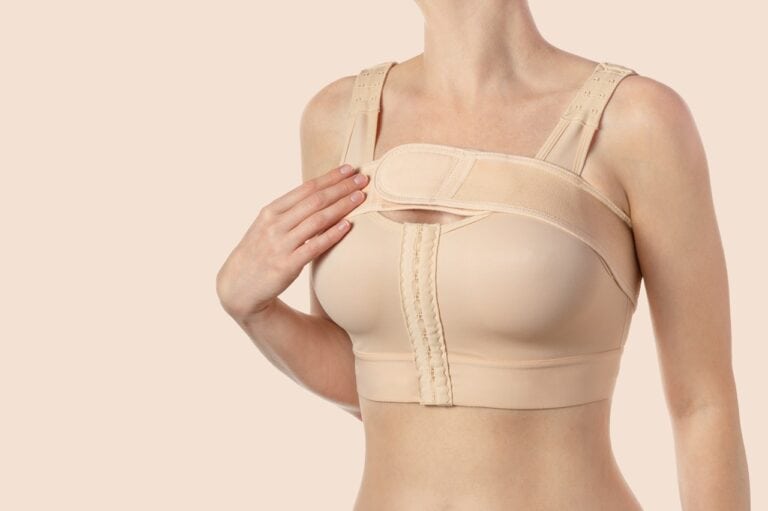
- Wear supportive garments: Your surgeon will provide a surgical bra or compression garment to wear continuously for several weeks. This provides support that minimizes tension on healing incisions. The constant gentle pressure helps scars close properly and reduces excessive scar tissue formation.
- Avoid strenuous activity: Follow your surgeon’s specific guidelines about physical activity restrictions. Premature exercise or heavy lifting can pull on healing incisions and potentially widen scars. Gradual return to normal activity ensures optimal healing.
- Protect from sun exposure: UV rays can permanently darken healing scars through hyperpigmentation. Keep incision sites covered with clothing when outdoors. Once healed enough, apply broad-spectrum sunscreen with SPF 30 or higher to scar areas daily. This precaution is especially important for patients recovering in New York’s varied climate.
- Stay hydrated and nourished: Drinking plenty of water supports healing from the inside out. Eat a balanced diet rich in protein, vitamins, and minerals. Your body needs these nutrients to produce healthy new tissue and collagen.
Lifestyle Choices for Better Healing
The way you live during recovery significantly impacts your results. These healthy habits support your body’s natural healing processes.
- Eat nutrient-rich foods: Your body needs proper nutrition to heal effectively. Focus on foods high in protein, vitamins, and minerals. Protein provides building blocks for new tissue formation. Vitamin C supports collagen production and immune function. Vitamin A promotes skin healing. Zinc aids wound repair. Include lean meats, fish, eggs, colorful vegetables, fruits, and whole grains in your diet.
- Avoid smoking and limit alcohol: Smoking restricts blood flow to your skin, which dramatically delays healing and increases scarring risk. The chemicals in cigarettes also interfere with collagen production. Alcohol can thin your blood, increase swelling, and lead to dehydration. Both substances should be avoided for several weeks before and after surgery.
- Get adequate rest: Your body performs most healing work during sleep. Aim for seven to nine hours of quality sleep each night. Sleep on your back with your upper body elevated for the first few weeks to minimize swelling and protect healing tissues. This allows your immune system to function optimally and supports tissue repair.
- Manage stress levels: Chronic stress impairs healing by affecting hormone levels and immune function. High stress can also increase inflammation throughout your body. Practice relaxation techniques like deep breathing, gentle meditation, or listening to calming music. Taking time to rest and recover without pressure helps your body heal more effectively.

Special Considerations for NYC Patients
Recovering in New York City presents unique factors to consider for optimal scar healing. The urban environment requires some adjustments to protect your healing incisions and ensure the best outcomes.
Sun exposure remains a concern even in the city. Reflections from glass buildings and concrete can increase UV exposure as you move through Manhattan or other boroughs. Healing scars are particularly vulnerable to sun damage. Always apply sunscreen to scar areas before going outside, even on cloudy days. Keep breast incisions covered with clothing when possible during your first year of healing.
The fast-paced NYC lifestyle can make proper rest challenging. Plan ahead to allow adequate downtime after your procedure. Arrange help with daily tasks if needed, so you can focus on healing without rushing back to your normal routine. Many women find it helpful to schedule surgery during a slower work period or arrange to work from home during early recovery.
The climate in New York varies significantly by season. Winter cold and dry indoor heat can affect skin hydration. Summer heat and humidity may increase swelling. Adjust your scar care routine seasonally. Use richer moisturizers in winter and lighter, breathable products in summer. Maintain consistent hydration year-round.
At the New York Liposuction Center, we understand that concerns about scarring are a natural part of considering breast reduction surgery. Our experienced team is committed to helping you achieve beautiful, natural-looking results with minimal scarring.
If you’re considering breast reduction and want to learn more about the procedure, scar management, and what results you can expect, we invite you to schedule a consultation. We’ll discuss your specific concerns, answer all your questions, and create a personalized treatment plan designed to meet your goals.