Understanding Liposuction and Stretch Marks
Common Causes
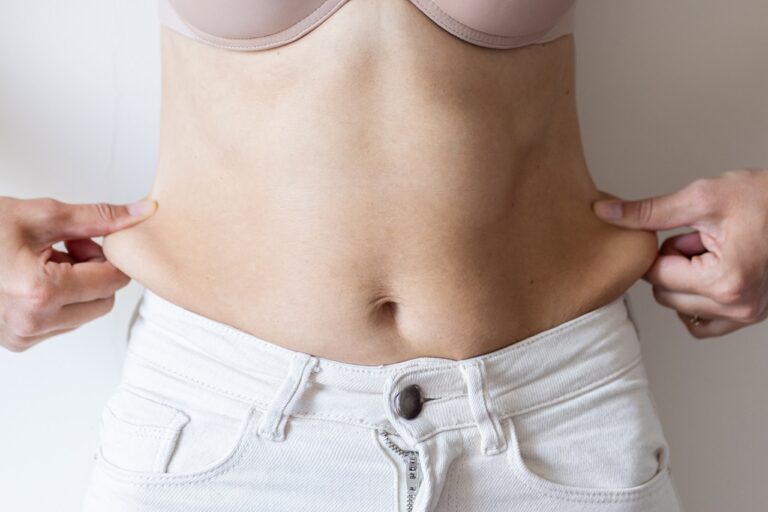
Stretch marks often result from rapid weight gain or growth. They appear when the skin’s elasticity cannot keep up with the body’s expansion, leading to tears in the dermis. These marks are common in areas with stubborn fat deposits, such as the abdomen, which is a primary target for liposuction.
Liposuction removes unwanted fat but does not directly address stretch marks. However, it can indirectly affect their appearance. Techniques like BodyTite not only remove fat but also promote skin thickening and tightening. This can make stretch marks less noticeable.
Realistic Expectations
It’s crucial to have realistic expectations about stretch mark improvement post-liposuction. While some procedures may enhance skin texture and tone, they might not fully eliminate stretch marks.
Patients should understand that liposuction targets fat removal and contouring. It does not specifically treat skin surface issues like scars or stretch marks. However, when combined with treatments that focus on skin tightening, patients may see a reduction in the visibility of their stretch marks.
Pre-Liposuction Stretch Mark Management
Skin Hydration
Proper hydration is crucial for skin elasticity. Drinking plenty of water daily can improve skin quality. This makes the skin more adaptable to changes during liposuction.
Topical treatments also play a key role. Products containing hyaluronic acid and retinol can reduce stretch mark visibility. They should be applied regularly before the procedure.
Professional Consultation
It’s important to consult with a dermatologist or cosmetic surgeon. They assess your skin’s condition. This helps tailor a pre-liposuction plan that addresses stretch marks effectively.
A plastic surgeon might suggest treatments like microdermabrasion or laser therapy. These can enhance skin texture and reduce hyperpigmentation or hypopigmentation associated with stretch marks.
Tailored Treatments
Each person’s skin is unique, requiring a personalized approach to achieve the best contour. Some individuals, particularly plus-size patients after liposuction, might benefit from advanced tummy tuck techniques that include muscle tightening. This combined approach removes excess skin and fat while significantly refining the waistline for a more structured result.
Others may need specific topical treatments to prepare their abdominal muscles and waist area for liposuction. Ensuring the skin is in optimal condition beforehand leads to better post-procedure results.
Liposuction Procedure Overview
Fat Removal
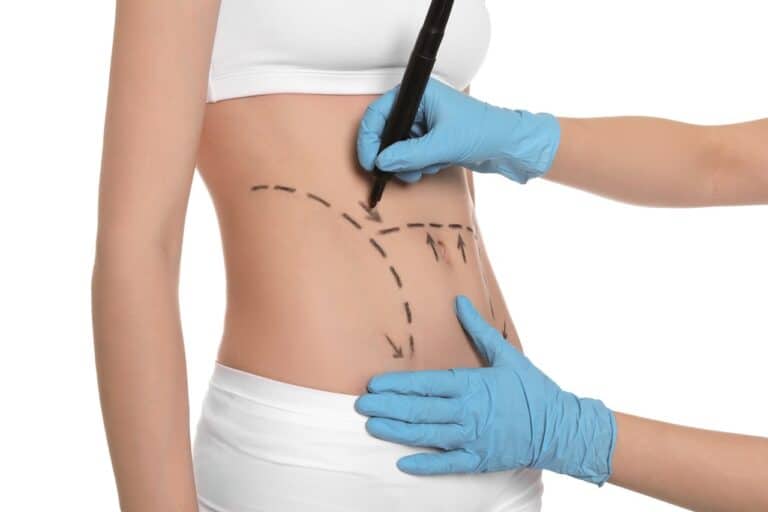
Liposuction, a cosmetic procedure, targets the removal of excess fat from the body. Surgeons often focus on areas like the abdomen, flanks, and entire midsection. The process begins with small incisions in the targeted area. Through these, a cannula is inserted to loosen and suction out fat.
This procedure can significantly reshape the body’s contours. However, it does not directly address skin laxity or stretch marks.
Skin Tightening
To tackle skin issues post-liposuction, surgeons may recommend additional treatments. Advanced tummy tuck or full abdominoplasty often follows liposuction. These surgeries remove excess skin and tighten what remains. They can also reduce the appearance of stretch marks located on the removed skin.
Innovative methods like BodyTite offer less invasive options. They use radiofrequency energy to tighten skin and stimulate collagen production alongside fat removal.
Technique Selection
Surgeons decide on the best approach by evaluating the patient’s skin condition and stretch mark severity. Traditional liposuction might suffice for those with elastic skin and fewer stretch marks.
For patients with loose skin or significant stretch marks, combining liposuction with a tummy tuck might be advisable. Minimally invasive techniques like BodyTite are chosen based on individual needs for recovery time and desired outcomes.
Addressing Loose Skin After Liposuction
BodyTite Effectiveness
After the liposuction procedure, some patients might notice loose skin where excess fat was removed. BodyTite stands out as a post-liposuction treatment designed to tighten the skin and improve its texture. It uses radiofrequency-assisted lipolysis (RFAL) to heat the skin from within, promoting collagen production and leading to firmer, more youthful-looking skin.
Patients often see a noticeable reduction in both skin looseness and stretch marks. This makes BodyTite an attractive option for those looking to refine their liposuction results.
Patient Outcomes
Case studies highlight significant improvements in patients’ skin texture and firmness following BodyTite treatments. For instance, a 45-year-old woman reported not only reduced excess skin but also less visible stretch marks around her abdomen after undergoing BodyTite three months post-liposuction.
These examples underscore the potential of RFAL technology in enhancing the aesthetic outcomes of liposuction, particularly in terms of skin appearance and elasticity.
Recovery Tips
Supporting skin recovery is crucial for maintaining the results of liposuction and subsequent treatments like BodyTite. Patients are advised to:
- Stay hydrated to maintain skin elasticity.
- Follow a balanced diet rich in vitamins and minerals that support skin health.
- Wear compression garments as recommended by their surgeon to help the skin adjust to its new contours.
- Consider follow-up treatments or touch-ups based on their doctor’s advice.
Post-Liposuction Stretch Mark Solutions
Laser Therapy
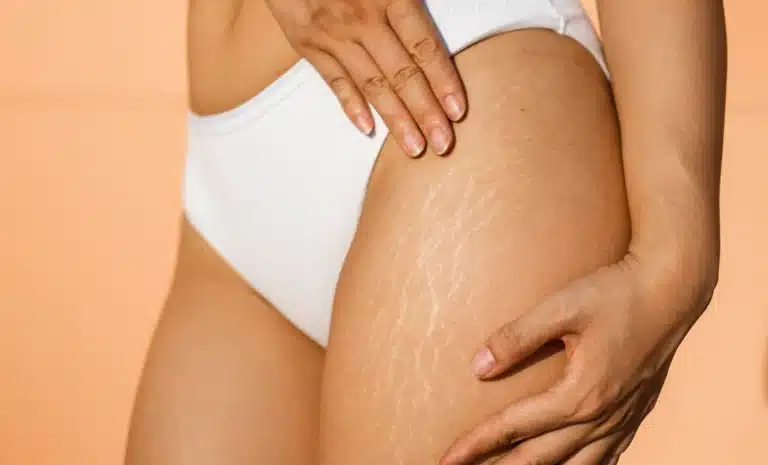
Laser therapy stands out as a non-surgical option for enhancing the skin’s appearance post-liposuction. It works by encouraging collagen production, which can significantly reduce the visibility of stretch marks. Patients often see improvements after several sessions.
This method is highly effective for both new and old stretch marks. However, it requires patience and multiple treatments for the best results.
Microneedling
Microneedling is another promising technique to improve skin texture and appearance. By creating tiny punctures in the skin, this procedure stimulates the body’s natural healing process. As a result, it boosts collagen and elastin production.
Microneedling is particularly beneficial for those looking to minimize stretch marks and enhance skin elasticity. Consistent treatment leads to noticeable improvements.
Skincare Regimen
A tailored skincare regimen is crucial for maintaining liposuction results and further reducing stretch marks. Incorporating moisturizers, vitamin E, and other nourishing ingredients can keep the skin supple and aid in its recovery.
Consistency in applying these products plays a vital role in achieving optimal outcomes.
Impact of Liposuction on Cellulite Appearance
Stretch Marks vs. Cellulite
Stretch marks and cellulite differ greatly. Stretch marks are linear scars that occur when the skin stretches rapidly. Cellulite, however, appears as skin dimpling, often described as an “orange peel” texture. It results from fat pushing against connective tissue.
Liposuction targets fat deposits but does not directly affect the skin’s surface, where cellulite resides. Hence, it might not improve cellulite appearance. In some cases, reducing fat volume can make cellulite more noticeable by loosening the skin further.
Liposuction Effects
Whether liposuction improves or worsens cellulite depends on several factors. Skin elasticity plays a crucial role. Younger individuals with more elastic skin might see less pronounced cellulite post-surgery.
However, for those with poor skin elasticity or significant cellulite before surgery, liposuction could potentially exacerbate the appearance of dimples and unevenness. It’s vital to have realistic expectations and discuss these concerns with a surgeon beforehand.
Alternative Treatments
For individuals primarily concerned with reducing cellulite rather than addressing stretch marks, exploring alternatives to liposuction is beneficial.
- Radiofrequency treatments stimulate collagen production, improving skin texture.
- Laser therapy can break down fat cells and encourage collagen growth.
- Manual massage techniques enhance lymphatic drainage, potentially reducing dimpling.
These methods can be complementary to liposuction or stand-alone options for those seeking to minimize the appearance of cellulite specifically.
Managing Expectations and Results
Realistic Goals
Setting realistic expectations is crucial when considering liposuction, especially for those with stretch marks. It’s important to understand that individual results vary greatly. Factors such as skin elasticity, the area of operation, and the body’s natural healing process play significant roles.
Surgeons can often predict the outcome based on their experience. Yet, they also stress the importance of patients’ goals aligning with what is achievable. A candid discussion about potential risks and long-term effects of the procedure helps in managing expectations.
Before-and-After
Maintaining a portfolio of before-and-after photos is invaluable. It provides a visual record of changes over time. This practice not only helps in tracking progress but also in adjusting expectations realistically.
Patients frequently notice improvements in the treated areas. However, stretch marks may not disappear completely. The success lies in the subtle reduction and blending of these imperfections into smoother contours.
Open Discussions
Open discussions with your surgeon about the expected results are essential. They should cover everything from loss of fat in targeted areas to potential side effects like temporary hanging or pulling sensations.
Understanding these aspects beforehand prepares patients for the recovery phase. It also clarifies what liposuction can and cannot achieve regarding the improvement of stretch marks.
Comprehensive Care for Optimal Recovery
Wound Care
After liposuction, wound care is crucial. Patients should clean the affected area gently but thoroughly. Using prescribed medications helps prevent infection and reduce swelling.
Compression garments play a significant role in liposuction recovery. They help minimize inflammation and support the specific areas treated. Many patients find these garments ease discomfort and improve healing.
Activity Restrictions
In the initial weeks, limiting physical activity protects the tender areas. Light walks are beneficial, but strenuous exercises after liposuction must wait. This approach reduces the risk of complications and aids in a smoother recovery.
Doctors advise against heavy lifting or vigorous activities that strain the back or other treated regions. Following these guidelines ensures a safer healing process.
Follow-Up Appointments
Regular check-ups allow doctors to monitor progress. They can catch potential issues early, adjusting treatment plans as needed. These appointments are essential for managing tenderness and swelling effectively.
Lifestyle Adjustments
To sustain liposuction results, adopting healthier habits is key. A balanced diet supports overall well-being and skin health. Regular exercise keeps the body toned and aids in maintaining the new look.
Patients should also stay hydrated and avoid smoking post-liposuction. The treated tissues receive less oxygen and nutrients when you smoke.
Frequently Asked Questions
Closing Thoughts
Liposuction can significantly alter your body’s landscape, potentially transforming areas with stretch marks and cellulite. Understanding the journey from managing pre-liposuction stretch marks to navigating post-procedure care is crucial for setting realistic expectations and achieving satisfying results. Your proactive steps in comprehensive care and adherence to expert advice play pivotal roles in your recovery and the overall improvement of your skin’s appearance.
Remember, the impact of liposuction extends beyond physical changes. It’s about enhancing your confidence and comfort in your skin.
As you consider this transformative procedure, keep in mind that every journey is unique. Equip yourself with knowledge, prepare for the process, and choose a skilled professional to guide you. Your path to a more confident you starts here.
Ready to take the next step? Consult a reputable specialist today and explore how liposuction can redefine your contours and relationship with your body.