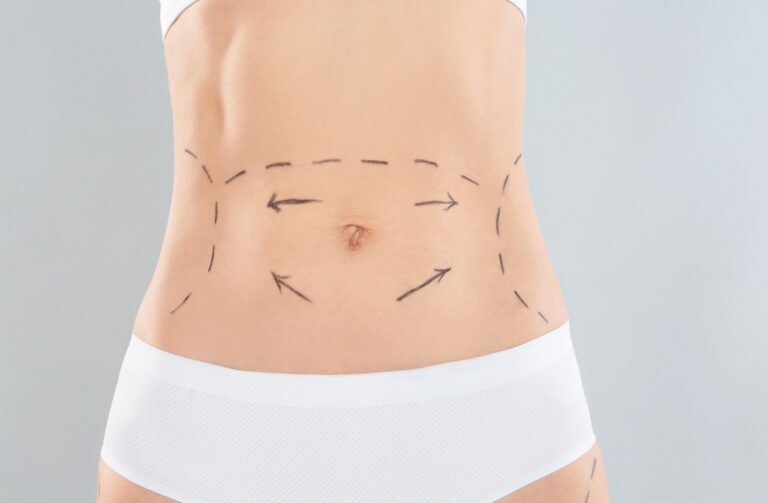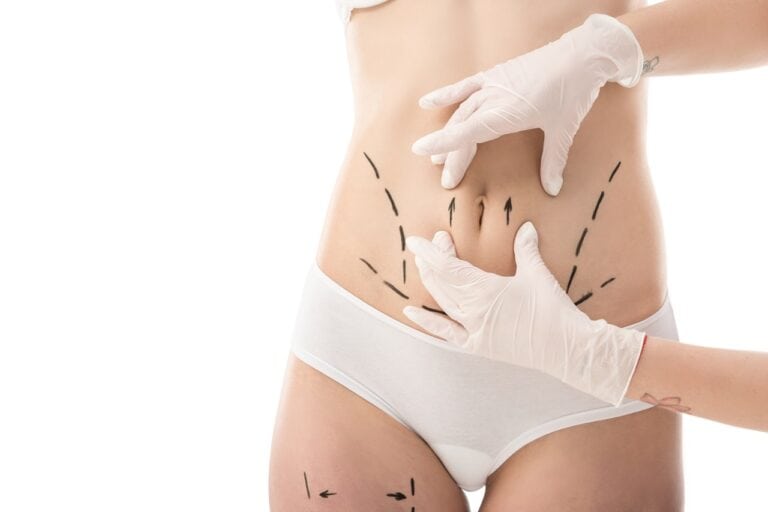
Non-surgical liposuction has emerged as a popular alternative for patients seeking body contouring without the commitment of surgery. The non-surgical liposuction cost varies significantly based on treatment type, area size, and number of sessions required. At the New York Liposuction Center, we help patients understand their options and the financial investment each approach requires.
The appeal of non-surgical methods lies in their minimal downtime and gradual results. However, understanding the full financial picture is essential. Multiple treatment sessions, maintenance appointments, and the potential need for retreatment all factor into your long-term investment.
This guide breaks down the costs so you can make an informed decision about which body contouring approach suits your goals and budget.
Key Takeaways
Understanding Non-Surgical Fat Reduction Options
Non-surgical liposuction refers to various technologies that reduce fat without incisions or anesthesia. These methods work by damaging or destroying fat cells through different mechanisms like freezing, heating, or chemical injection. Your body then naturally processes and eliminates these disrupted cells over several weeks to months.
The term “non-surgical liposuction” is somewhat misleading. These treatments don’t actually suction out fat like traditional liposuction does. Instead, they trigger your body’s natural processes to eliminate fat cells gradually. This distinction matters because it affects both how results appear and how costs accumulate.
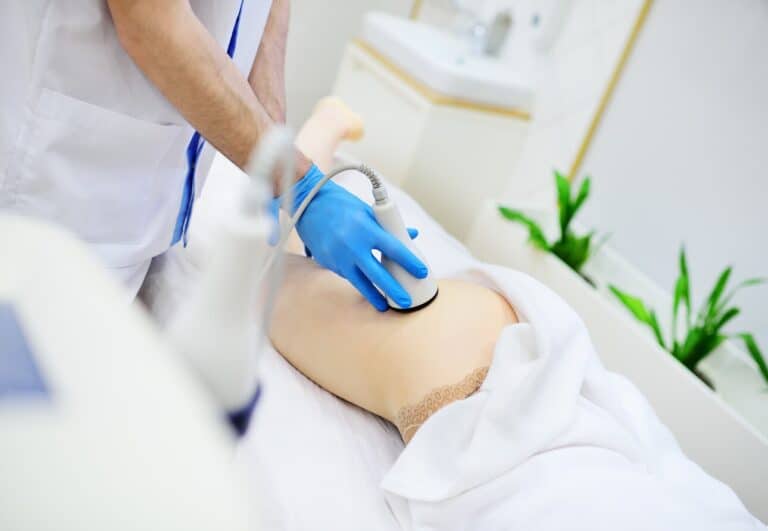
Popular non-surgical options include cryolipolysis, laser lipolysis, injectable treatments, and ultrasound-based methods. Each technology has its own pricing structure, treatment protocol, and expected outcomes. Understanding these differences helps you compare costs accurately and set realistic expectations for your investment.

Breaking Down Costs by Treatment Type
Non-surgical fat reduction costs vary dramatically depending on which technology you choose. Each method has advantages and limitations that influence both effectiveness and price. Comparing these options requires looking beyond just the per-session cost to consider total investment for desired results.
CoolSculpting Treatment Costs
CoolSculpting uses controlled cooling to freeze and destroy fat cells. This FDA-cleared treatment is one of the most established non-surgical options available. Sessions typically cost between $750 and $1,500 per treatment area, with most patients needing two to four sessions per area for optimal results.
Treatment areas are defined by applicator size. Smaller applicators for areas like the chin cost less than larger ones for the abdomen or flanks. A full abdominal treatment often requires multiple applicators in a single session, which increases the per-visit cost to $2,000 to $4,000.
SculpSure and Laser Treatments
SculpSure and similar laser-based treatments use controlled heat to disrupt fat cells. These non-invasive procedures typically cost $1,400 to $2,400 per treatment area per session. The advantage is that some laser systems can treat multiple areas simultaneously, potentially reducing the number of visits needed.
Most patients need one to three treatments spaced several weeks apart. The total investment for treating a single area, like the abdomen, typically ranges from $2,800 to $7,200, depending on how many sessions you need. Combination treatments addressing multiple areas increase costs proportionally.
Kybella Injectable Treatments
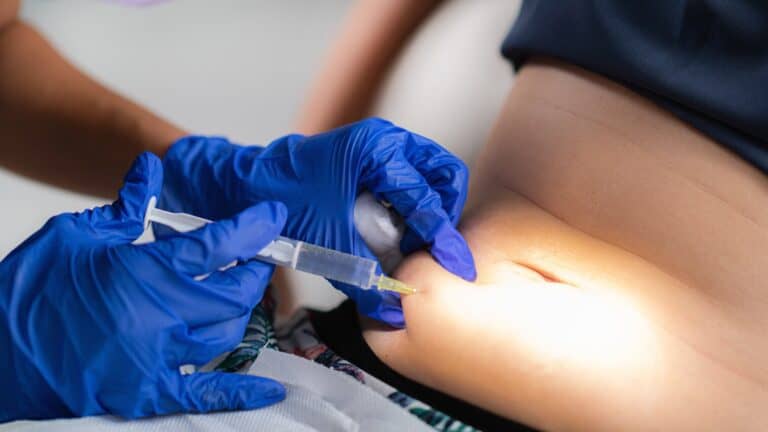
Kybella is an injectable treatment specifically FDA-approved for submental fat under the chin. Each vial costs approximately $600 to $800, and most patients need two to six vials per treatment session. Multiple sessions are typically required, with most patients needing two to four appointments spaced one month apart.
The total investment for Kybella to eliminate a double chin typically ranges from $2,400 to $4,800. This price point makes it competitive with surgical options for the chin area specifically. However, Kybella is only approved for submental fat and cannot be used on body areas.
Ultrasound-Based Treatments
Ultrasound technologies like UltraShape use focused energy to mechanically disrupt fat cells. These treatments typically cost $1,500 to $2,500 per session per area. Most protocols recommend three treatments spaced two weeks apart for optimal results, bringing total costs to $4,500 to $7,500 per treatment area.
The advantage of ultrasound methods is the lack of heating or cooling sensations that some patients find uncomfortable with other technologies. However, the multiple required sessions and relatively high per-treatment cost make this one of the more expensive non-surgical options.
Factors That Influence Your Specific Investment
Several variables determine your final cost for non-surgical fat reduction. These factors interact to create a personalized treatment plan with its own unique price tag. Understanding these cost drivers helps you budget accurately and compare options between providers.
- Treatment area size: Larger areas like the full abdomen or entire back require more applicators or longer treatment times, which increases per-session costs significantly.
- Number of sessions needed: Individual response varies, with some patients achieving goals in two sessions while others need four or more treatments for the same area.
- Technology selection: Premium technologies with newer features or better comfort profiles often command higher prices than established methods with longer track records.
- Provider credentials: Board-certified plastic surgeons typically charge more than medical spas, but their expertise may optimize your results and reduce the need for additional treatments.
- Geographic location: Manhattan practices charge premium rates compared to outer boroughs or suburban locations due to higher operating costs in premium areas.
- Package deals and promotions: Many providers offer discounted pricing when you purchase multiple sessions upfront or treat multiple areas simultaneously.
Comparing Non-Surgical Costs to Traditional Liposuction
Traditional liposuction for a single area typically costs $3,000 to $7,000 as a one-time procedure. Non-surgical alternatives may seem less expensive initially, but the multiple sessions required often bring total costs to comparable levels. The key difference is that surgical results appear within weeks, while non-surgical methods take months to show full effects.
For treating multiple areas, traditional liposuction often proves more cost-effective. Surgical procedures can address several zones in one session with minimal additional cost per area treated with liposuction. Non-surgical methods require separate treatment series for each area, with costs multiplying accordingly.
The calculation becomes more complex when you factor in downtime. Traditional liposuction requires one to two weeks of recovery, which means lost wages for many patients. Non-surgical methods allow immediate return to normal activities, eliminating lost income. This advantage matters significantly for patients who cannot take extended time off work.
Long-term maintenance also affects the cost comparison. Traditional liposuction provides permanent fat removal from treated areas, assuming you maintain a stable weight. Some non-surgical methods may require periodic maintenance treatments every one to three years to sustain results, adding ongoing costs to your initial investment.
Payment Options and Financing Solutions
Most practices require payment before each treatment session for non-surgical procedures. However, financing options make these treatments accessible through manageable monthly payments. Medical financing companies offer specialized loans for cosmetic procedures, including non-surgical fat reduction.
Popular financing providers include CareCredit, Alphaeon Credit, and United Medical Credit. These companies offer payment plans ranging from 6 to 60 months with varying interest rates. Many provide promotional periods with zero percent interest if you pay the balance within a specified timeframe.
Some practices offer package pricing when you commit to multiple sessions upfront. These packages typically provide 10 to 20 percent savings compared to paying for individual sessions. The upfront commitment requires confidence in the provider and technology, but the savings can be substantial.
Treatment memberships or loyalty programs at some medical spas provide discounts on multiple treatments. These programs work well if you plan to pursue various aesthetic treatments over time. However, read the fine print carefully to understand cancellation policies and expiration dates.
Insurance Coverage for Non-Surgical Procedures
Insurance companies cover non-surgical fat reduction if it is deemed a medical necessity rather than an aesthetic choice. Elective aesthetic procedures don’t meet medical necessity criteria, which means insurance won’t provide coverage. This applies even when excess fat causes emotional distress or limits clothing options.
No legitimate exceptions exist for standard body contouring with non-surgical methods. Unlike rare surgical cases where lipedema or functional impairment might justify coverage, non-surgical cosmetic treatments never qualify for insurance reimbursement. Plan to pay entirely out of pocket for these procedures.
Some flexible spending accounts or health savings accounts may cover non-surgical fat reduction if you have a letter of medical necessity from your physician. However, this remains rare and typically requires documentation of a diagnosed condition beyond cosmetic concerns. Check with your FSA or HSA administrator about eligibility before assuming coverage.
Getting an Accurate Quote for Your Situation
Schedule consultations with multiple providers to compare pricing and treatment recommendations. Each practice assesses your body differently and may recommend varying numbers of sessions. This variation significantly impacts your total investment, making comparison shopping essential.
Come prepared with questions about what’s included in quoted prices. Ask whether the estimate covers all anticipated sessions or just the first treatment. Clarify whether follow-up visits, assessment appointments, and any necessary touch-ups are included or billed separately.
Request a detailed treatment plan in writing. This document should specify the recommended number of sessions, cost per session, total investment, and expected timeline for results. A transparent plan helps you budget accurately and compare options between providers effectively.
Ask about the provider’s retreat policy if results don’t meet expectations. Some practices offer discounted or complimentary additional sessions if you don’t achieve the expected outcome. Understanding these policies upfront protects your investment and demonstrates the provider’s confidence in their results.
Frequently Asked Questions About Non-Surgical Liposuction Costs
Making Your Non-Surgical Investment Decision
Non-surgical fat reduction offers an appealing alternative to surgery for patients with mild to moderate concerns. The investment typically ranges from $2,000 to $8,000 per treatment area when you account for multiple sessions. This cost approaches or sometimes exceeds surgical options, which makes careful consideration essential.
The right choice depends on your specific goals, timeline, and budget. Non-surgical methods work best for patients with small fat deposits, good skin quality, and realistic expectations. The gradual results and need for multiple sessions require patience and financial commitment.
Ready to explore whether non-surgical liposuction fits your goals and budget? Contact the New York Liposuction Center to schedule a consultation with our board-certified surgeon. We’ll assess your concerns, discuss both surgical and non-surgical options, and provide transparent pricing to help you make the best decision for your body contouring journey.