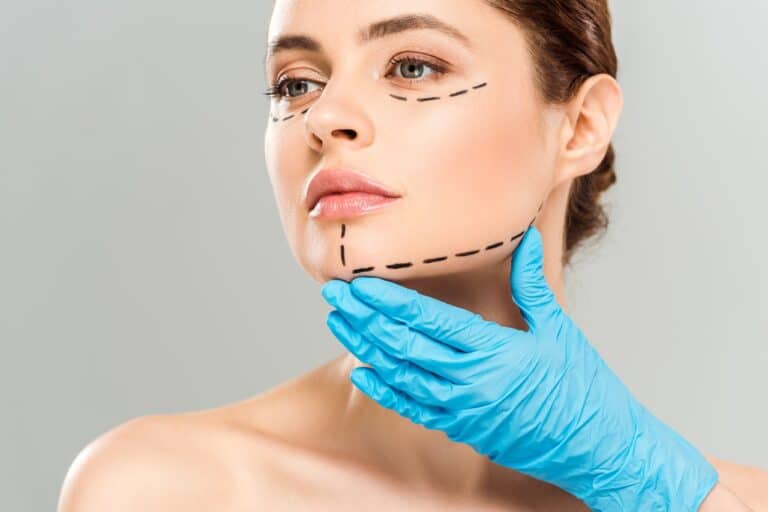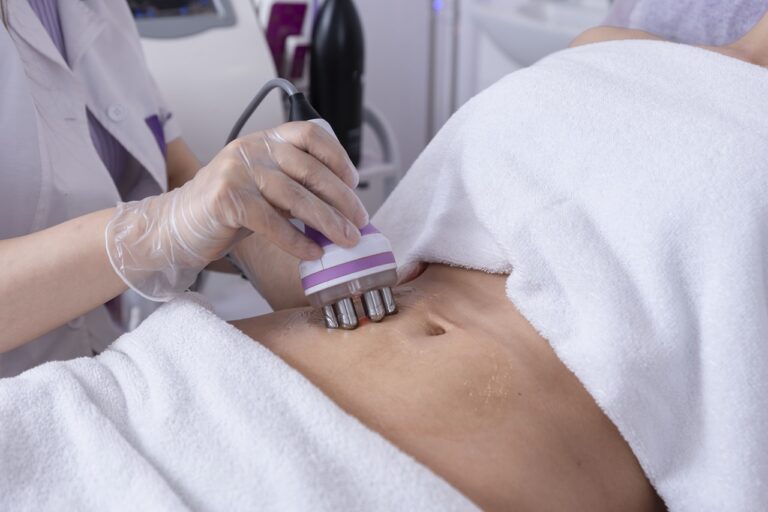
Many people struggle with stubborn fat that doesn’t respond to diet and exercise. When you’re ready to explore surgical options, you’ll likely encounter two terms: liposuction and liposculpture. These procedures sound similar, but they serve different purposes and deliver different results.
At the New York Liposuction Center, patients often ask about these two procedures. While both remove unwanted fat, they use different techniques and achieve distinct outcomes. The choice between them depends on your body type, aesthetic goals, and how much contouring you need.
Key Takeaways
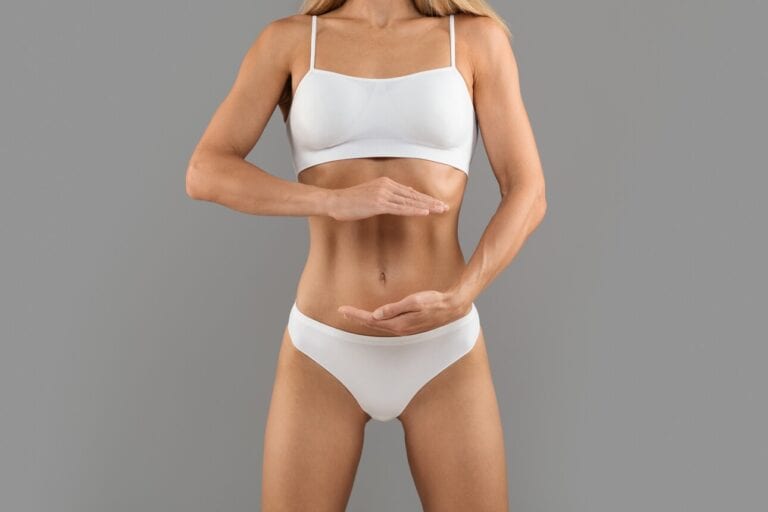
What Is Liposuction?
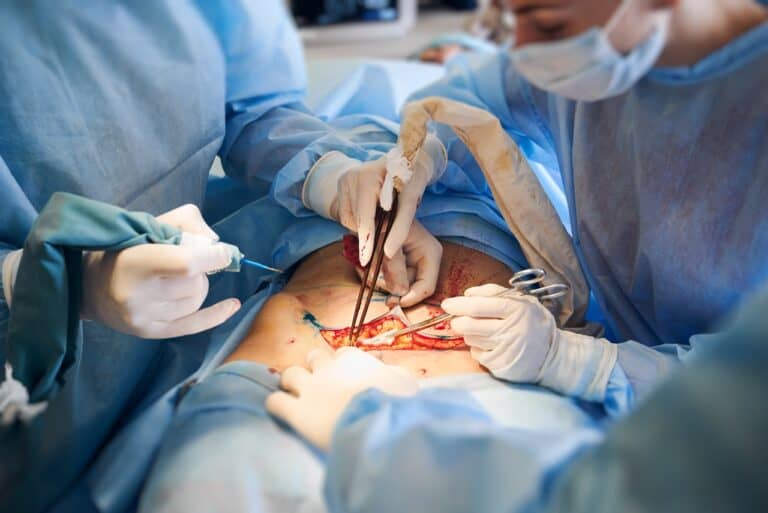
Liposuction removes excess fat deposits from targeted areas of your body. The procedure uses a thin tube called a cannula that’s inserted through small incisions in your skin. Our surgeon moves the cannula back and forth to break up fat cells, which are then suctioned out using a medical vacuum.
This technique works well for areas where fat accumulates and resists diet and exercise. Common treatment sites include the abdomen, hips, thighs, back, arms, and neck. The procedure can remove several pounds of fat in a single session.
Surgeons perform liposuction under general anesthesia or heavy sedation. The procedure typically takes one to three hours, depending on how much fat needs removal and how many areas require treatment. After surgery, you’ll wear compression garments to help your skin conform to your new contours.
The results focus on volume reduction rather than detailed shaping. Our surgeon removes fat to slim down specific areas and improve your overall proportions. While this creates a better body shape, it doesn’t necessarily create the defined, athletic look that some patients want.
What Is Liposculpture?
Liposculpture takes fat removal to a more artistic level. The procedure uses smaller cannulas and more precise techniques to sculpt your body’s natural contours. Instead of just removing fat, our surgeon carefully shapes the remaining tissue to create definition and highlight muscle structure.
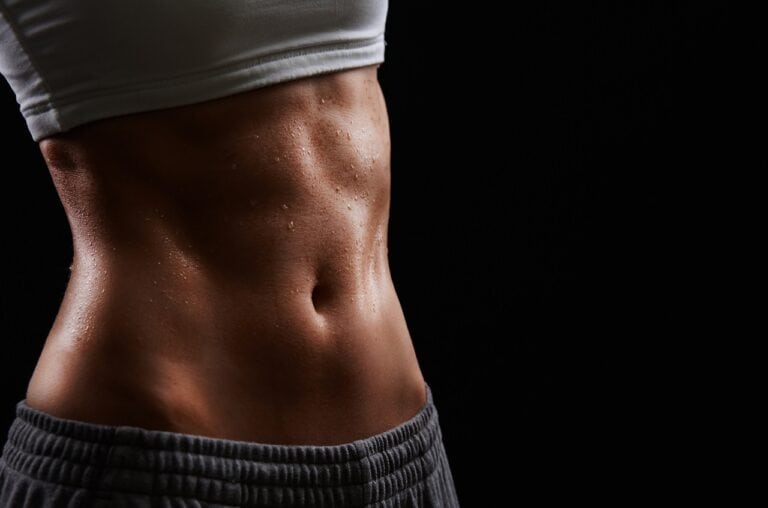
This approach works especially well for patients who want visible muscle definition. The surgeon can create the appearance of abs, enhance the natural curves of your waist, or define your arms and legs. The technique requires an artistic eye along with surgical skill.
Recent medical research shows that liposculpture techniques have evolved significantly, with surgeons now able to achieve more natural-looking results through refined fat removal and strategic contouring methods. These advances make it possible to create subtle yet noticeable improvements.
The procedure takes longer than traditional liposuction because of the detailed work involved. Our surgeon will carefully evaluate your body’s proportions and work with precision to achieve balanced results. This attention to detail produces more refined outcomes.
Key Differences Between the Two Procedures
While both procedures target unwanted fat, they differ in several important ways that affect your results and experience.
Technique and Tools
Liposuction uses larger cannulas that can remove significant amounts of fat quickly. The surgeon makes broader movements to extract fat from the treatment area. This approach works efficiently for patients who need substantial fat removal.
Liposculpture employs thinner cannulas and more delicate movements. The surgeon works with greater precision to shape and contour specific areas. This method takes more time but creates more detailed results. The smaller tools also cause less trauma to surrounding tissues.
Goals and Results
The fundamental difference lies in what each procedure aims to achieve. Liposuction focuses on fat reduction and improved body proportions. If you want to slim down your midsection or reduce the size of your thighs, liposuction delivers those results.
Liposculpture emphasizes definition and athletic appearance. The goal isn’t just removing fat but creating visible muscle contours. Our surgeon can etch out ab muscles, define your obliques, or create more pronounced arm definition. This produces a toned, sculpted look.
Anesthesia Requirements
Most liposuction procedures require general anesthesia or IV sedation. This puts you completely under during surgery, which adds time to your recovery. You’ll need someone to drive you home, and you may feel groggy for the rest of the day.
Liposculpture can often be performed with local anesthesia. You remain awake but feel no pain in the treatment area. This approach carries fewer risks and allows for faster recovery. Some patients prefer being awake so they can provide feedback during the procedure.
Recovery Timeline
According to recent industry data, advancements in liposuction technology have led to improved recovery times, with modern techniques reducing complications to less than 3 percent of cases. However, recovery still varies between the two procedures.
Liposuction recovery typically takes one to two weeks before you return to work. You’ll experience swelling and bruising for several weeks. Full results become visible after three to six months once all swelling resolves. You’ll need to avoid strenuous activity for four to six weeks.
Liposculpture offers a faster return to normal activities. Most patients go back to work within two to four days. The smaller incisions and less tissue trauma mean reduced swelling and bruising. You can usually resume exercise within one to two weeks, though our surgeon will provide specific guidance.

Who Makes a Good Candidate?
Understanding whether you’re suited for liposuction or liposculpture depends on your current body condition and goals.
Ideal Candidates for Liposuction
You might benefit from liposuction if you carry extra fat that diet and exercise haven’t eliminated. Good liposuction candidates are generally within 30 pounds of their ideal weight but have specific problem areas. These stubborn deposits often resist even the most dedicated fitness efforts.
Your overall health matters significantly. Board-certified surgeons look for patients who don’t smoke, have good skin elasticity, and maintain realistic expectations. If you’re looking for significant fat removal in areas like your stomach, hips, or thighs, liposuction may be right for you.
You should understand that liposuction isn’t a weight loss solution. The procedure removes fat cells, but you need to maintain a healthy lifestyle after liposuction. Without proper diet and exercise, remaining fat cells can still expand.
Ideal Candidates for Liposculpture
Liposculpture suits patients who are already close to their goal weight. You might be in good shape but want more definition in specific areas. If you exercise regularly but can’t achieve the muscle visibility you want, this procedure can help.
The best candidates have good skin tone and elasticity. Your skin needs to contract properly after fat removal to show the sculpted contours. If your skin is loose or lacks elasticity, you might need additional procedures to achieve optimal results.
You should have realistic expectations about what liposculpture can accomplish. The procedure enhances your natural anatomy rather than creating something completely new. Our surgeon will evaluate your muscle structure and discuss what’s achievable for your body type.
Treatment Areas for Both Procedures
Both procedures can address multiple body zones, though the approach and goals differ for each area.
Common Liposuction Sites
Liposuction addresses multiple body areas where fat tends to accumulate. The abdomen remains the most popular treatment site, especially for patients dealing with belly fat. The procedure can flatten your stomach and create a smoother midsection.
Other frequently treated areas include:
- Hips and Flanks: Removes love handles and creates a more defined waistline.
- Thighs: Reduces inner and outer thigh fat for slimmer legs and reduced rubbing.
- Back: Eliminates fat rolls and creates smoother contours under clothing.
- Arms: Reduces upper arm fat that causes sagging and improves arm appearance.
- Chin and Neck: Removes double chin fat and defines your jawline.
Areas for Liposculpture
Liposculpture works on similar body parts but with different objectives. The abdomen receives detailed attention to create visible ab definition. Our surgeon can etch individual muscle groups to produce a six-pack appearance.
The chest area responds well to liposculpture, especially for men seeking more defined pectoral muscles. Arms can be sculpted to show muscle separation and create an athletic look. The waist and obliques can be contoured to enhance your natural curves or create a V-shape torso.
New York patients often request liposculpture for their legs to create more defined calves and thighs. The procedure can also enhance buttocks contours by removing fat from surrounding areas, making your natural shape more prominent.

Cost Considerations in New York
The price difference between these procedures reflects the skill and time required. Liposuction in NYC typically ranges from $3,000 to $8,000 per area. The final fat removal cost depends on how many areas need treatment and how much fat requires removal.
Liposculpture generally costs more because of its complexity. Prices often start around $5,000 and can reach $15,000 or higher for multiple areas. The surgeon’s expertise in body sculpting justifies the premium. This procedure requires an artistic approach that takes years to master.
Several factors influence the total cost:
- Surgeon’s Experience: Board-certified plastic surgeons with specialized training charge higher fees.
- Facility Fees: Accredited surgical centers in New York City have higher operating costs.
- Anesthesia Type: General anesthesia costs more than local anesthesia.
- Number of Areas: Treating multiple body parts increases the overall price.
- Technique Used: Advanced methods like ultrasound-assisted or laser-assisted liposculpture cost more.
Insurance doesn’t cover these procedures because they’re considered cosmetic. However, many practices offer financing options to make treatment more accessible. The New York Liposuction Center can discuss payment plans during your consultation.
Taking the Next Step Toward Your Goals
Both liposuction and liposculpture offer effective solutions for body contouring, but they serve different purposes. Liposuction excels at removing larger fat deposits and creating slimmer proportions. Liposculpture focuses on detailed sculpting and athletic definition. Neither approach is better than the other. The right choice depends on your individual needs.
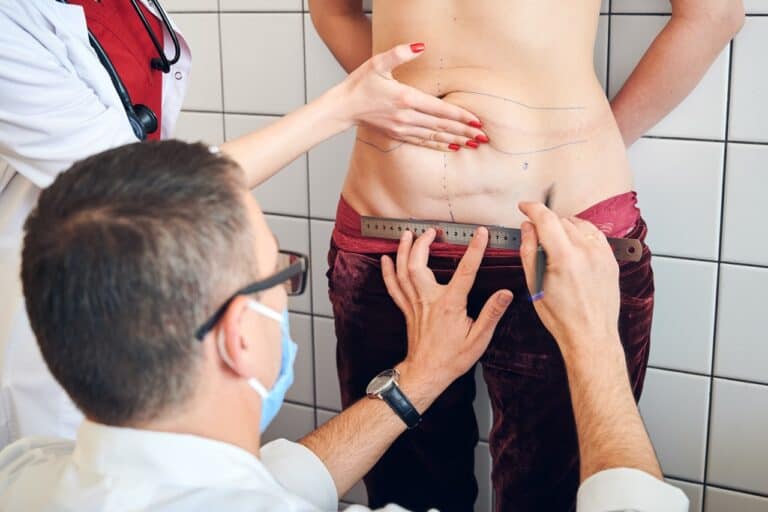
Your decision should be based on a thorough consultation with our board-certified surgeon. During this appointment, you’ll discuss your concerns, goals, and medical history. Our surgeon will examine your body and recommend the best approach for achieving the results you want.
The New York Liposuction Center specializes in both procedures and helps patients throughout New York City achieve their body contouring goals. Our experienced team can evaluate your unique situation and create a personalized treatment plan. Contact us today to schedule your consultation and take the first step toward the body you’ve always wanted.
Frequently Asked Questions About Liposuction and Liposculpture
Can liposuction and liposculpture be combined in one procedure?
Yes, many surgeons combine both techniques during a single procedure. Our surgeon might use traditional liposuction to remove larger fat deposits first, then switch to liposculpture techniques for detailed contouring. This approach works well for patients who need both fat reduction and definition. The combination creates optimal results while requiring only one recovery period.
How long do results last from each procedure?
Both procedures provide permanent fat cell removal from treated areas. Once fat cells are removed, they don’t grow back. However, remaining fat cells can still expand if you gain weight. Maintaining a stable weight through diet and exercise preserves your results indefinitely. Most patients see their final results within three to six months as swelling completely resolves.
Will I have visible scars after these procedures?
Both procedures use small incisions that typically heal with minimal scarring. Liposculpture incisions are even smaller than those used in traditional liposuction. Surgeons place incisions in natural body creases or hidden areas when possible. Over time, scars fade and become barely noticeable. Proper wound care during recovery helps minimize scar visibility.
Can these procedures help with weight loss?
Neither procedure should be considered a weight loss method. They remove fat cells to improve body contours, not to help you lose significant weight. You might lose a few pounds from the fat removal, but the real benefit comes from improved body shape and proportions. These procedures work best for patients already at or near their ideal weight.
How do I choose between liposuction and liposculpture?
Your choice depends on your current body condition and desired outcome. If you need to remove substantial fat from specific areas, liposuction is typically the better option. If you’re already relatively lean and want more muscle definition and athletic contours, liposculpture makes more sense. A consultation with our board-certified surgeon provides personalized guidance.
What happens during the consultation at New York Liposuction Center?
During your consultation, you’ll meet with our surgeon to discuss your goals and concerns. Dr. Arnold Breitbart will examine the areas you want to address and evaluate your skin quality, fat distribution, and muscle structure. You’ll discuss which procedure best suits your needs, view before and after photos, and learn about the expected results, recovery process, and costs.
Are there non-surgical alternatives to these procedures?
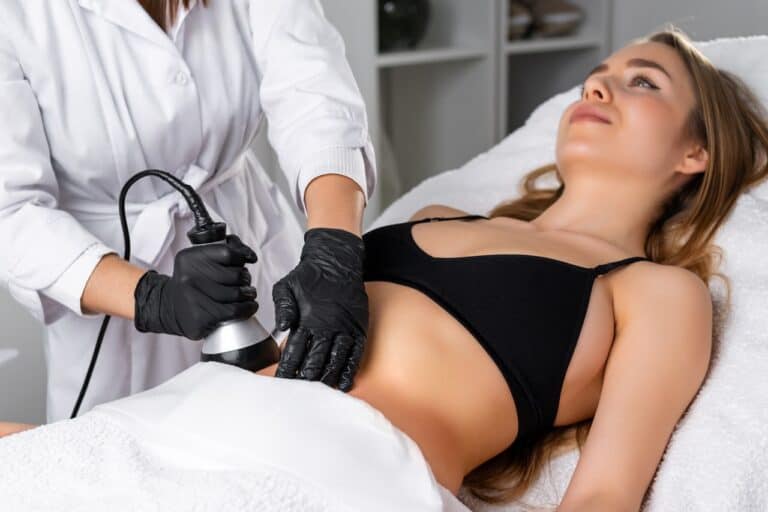
Several non-surgical fat reduction methods exist, but they provide more modest results. Options like CoolSculpting freeze fat cells, while treatments using radiofrequency or ultrasound heat them. These methods work for small areas with minimal fat but can’t match the dramatic results of surgical procedures. Non-surgical options also require multiple sessions and take several months to show full effects.
Can men get these procedures, or are they mainly for women?
Both men and women benefit from these procedures. Men frequently seek liposuction for their abdomen, love handles, and chest area. Liposculpture is particularly popular among men who want more defined abs, chest muscles, and arm definition. The techniques are adapted to suit male body anatomy and aesthetic goals. Many NYC men choose these procedures to enhance their physique.