Injectable fat reduction treatments can sound appealing if you want to contour your body without the downtime of traditional surgery. As safe and straightforward as these injections may seem, every medical procedure brings its own set of possible side effects and important considerations.
At the New York Liposuction Center, our surgeon believes in empowering you with clear, trustworthy information. If you plan to explore lipolysis injections, understanding the range of potential side effects will help you make an informed decision. The details that follow will guide you through the facts, risks, and what to discuss with your provider.
Key Takeaways
What Are Lipolysis Injections?
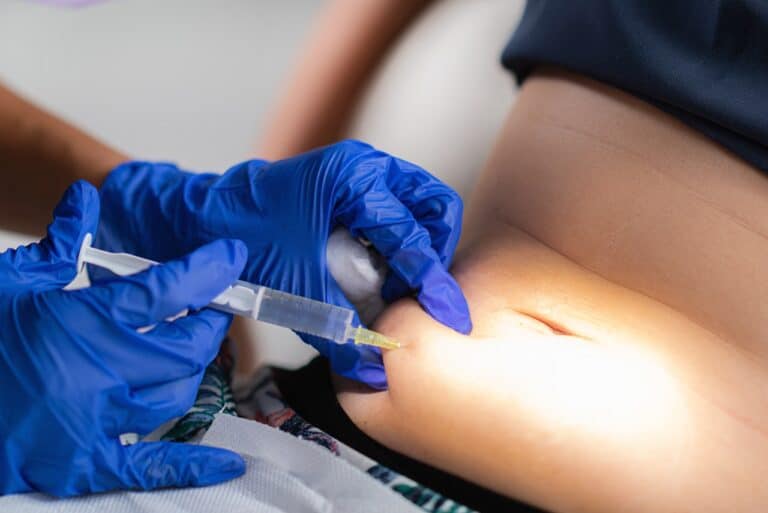
Lipolysis injections chemically dissolve fat cells in targeted areas. These non-surgical treatments use active ingredients such as deoxycholic acid to break down fat beneath the skin, with the body gradually clearing away the affected cells. Since the fat-reduction process is minimally invasive, patients can resume most activities quickly compared to surgical liposuction.
Common Treatment Areas
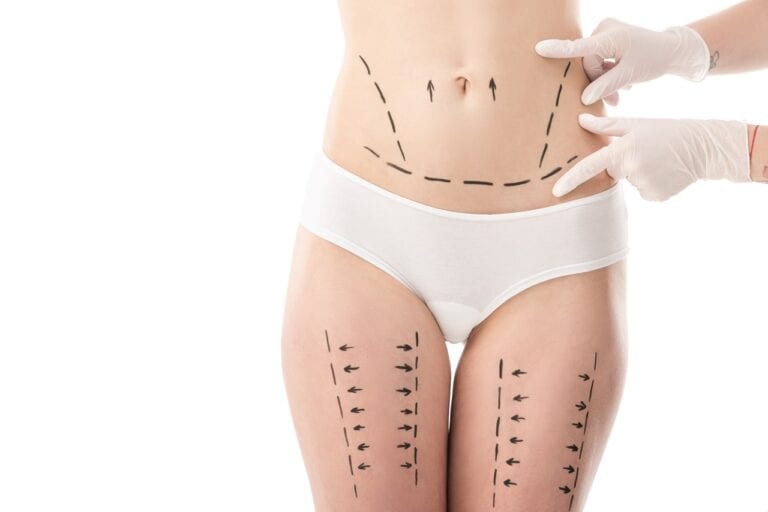
Many patients seek lipolysis injections to contour stubborn fat areas that resist diet and exercise. The most common areas for this treatment include:
- The submental region (under the chin)
- Abdomen or flanks
- Thighs
- Upper arms
- Hips
While these injections work well for localized bulges, they do not replace weight loss or major body contouring methods. Our surgeon at the New York Liposuction Center stresses the importance of realistic expectations when choosing non-surgical fat reduction.
Understanding How Lipolysis Injections Work
These injections contain agents like deoxycholic acid, which naturally occurs in the body and helps metabolize dietary fat. When injected into targeted fat pockets, the substance disrupts fat cell membranes, causing them to break apart. The body’s natural inflammatory response then removes these cells over several weeks.
Not all patients will see identical results after each treatment round. Some may require multiple sessions for significant change. The precision and experience of your injector play a role in both safety and outcomes.
Types of Lipolysis Injections and Formula Variations
While deoxycholic acid-based products are most common, other formulas have emerged. Each has its own side effect profile and safety considerations.
Deoxycholic Acid
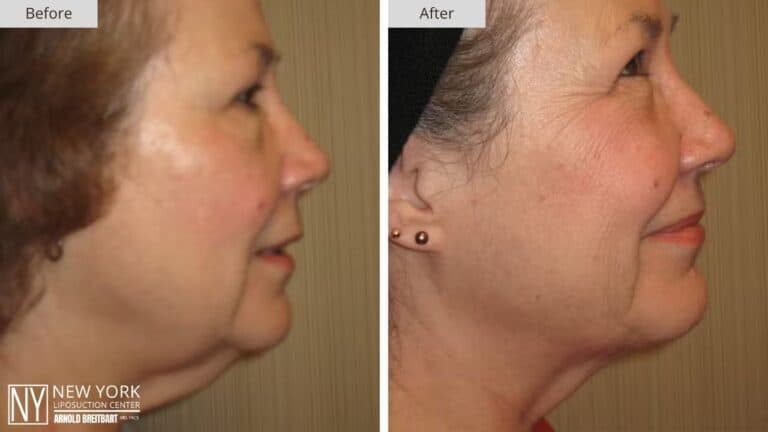
Deoxycholic acid injections remain the only FDA-approved injectable for submental fullness (double chin) under brand names such as Kybella. This compound disrupts fat cells specifically under the chin and has a proven safety record with proper technique.
Phosphatidylcholine and Sodium Deoxycholate
Some off-label injections combine phosphatidylcholine and sodium deoxycholate. These may treat fat in the abdomen, thighs, or other body parts. Their safety, effectiveness, and approval status can differ, and side effect risks may not be as well-documented as with approved products.
Custom Compounded Cocktails
In some clinics, practitioners may use compounded “fat-dissolving” agents not backed by strong clinical studies. These cocktails can vary in safety and increase the risk of unexpected side effects or adverse events. Our team always advises patients to seek FDA-approved or well-studied formulations for predictable results.
The formula and brand your provider selects can impact your risk for side effects. Always clarify what product you will receive before proceeding with treatment.
Possible Short-Term Side Effects
Most patients experience a period of mild, temporary symptoms. These responses indicate that the injection is working as expected, but you should recognize which effects are routine and which may require medical attention.
Most Common Symptoms
The majority of short-term side effects will resolve without intervention within several days to weeks. Expect the following issues to some degree after treatment:
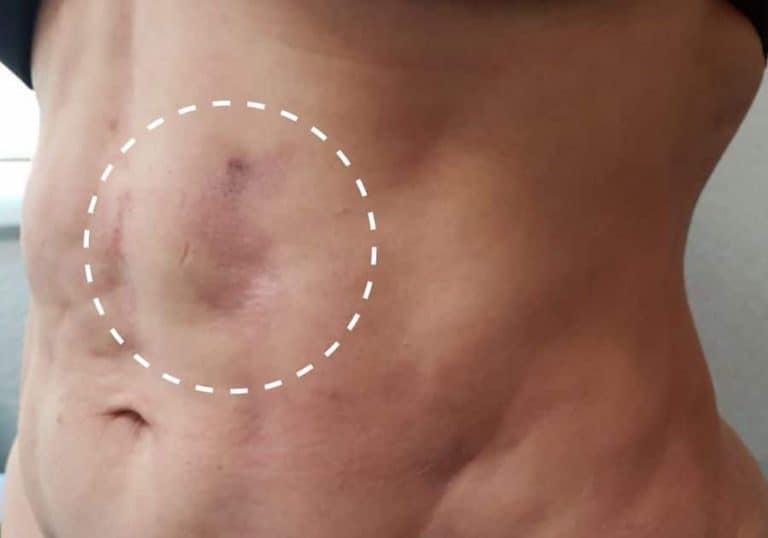
- Swelling: Almost every patient can expect swelling in the treated area, starting soon after injection and possibly lasting up to two weeks.
- Bruising: Some bruising develops as the needle punctures tiny blood vessels under the skin.
- Redness and warmth: The injection site often becomes red and warm as the body begins to process the broken-down fat cells.
- Tenderness or mild pain: Soreness or sensitivity in the treated region remains common and usually improves within days.
- Hardness or nodules: Temporary lumps can develop under the skin as fat cells break down and inflammation sets in.
While these symptoms disrupt comfort, they seldom lead to long-term problems if properly monitored and managed. Our NYC practice recommends gentle care and ice application during the immediate recovery phase.
Less Common Immediate Problems
Rarely, patients may notice slight itching, mild numbness, or skin discoloration. These concerns usually subside without further treatment and reflect localized tissue irritation.
If you notice symptoms such as severe pain, spreading redness, or fever after injections, reach out to your provider immediately. These could indicate infection or a more serious inflammatory reaction.
Long-Term or Severe Lipolysis Injection Side Effects
Although rare with skilled injectors and proper selection of candidates, lipolysis injections may cause several more serious or persistent problems. Recognition and prompt management become essential in minimizing risk.
Nerve Injury
One of the most concerning, though rare, side effects involves injury to sensory or motor nerves near the injection area. Most cases result from injections placed too superficially or too close to nerve branches.
Nerve injury signs can include facial muscle weakness, prolonged numbness, or abnormal sensations. While many nerve injuries resolve with time, some cases may require further medical intervention.
Tissue Necrosis
Tissue necrosis, or skin and fat loss, can occur if the injected solution spreads outside the intended fat layer and affects healthy tissue. This risk underscores the importance of choosing an experienced injector who understands facial and body anatomy well.
Symptoms of necrosis range from persistent ulceration to darkened skin patches or open wounds. Early recognition and wound management can reduce the likelihood of scarring or other lasting problems.
Infection
Any procedure that breaks the skin carries a chance of infection. Unsanitary injection technique, contamination, or improper aftercare may increase this risk.
Watch for signs such as pus, spreading redness, high fever, or increased pain. Seek prompt medical attention if you notice any of these concerns so that your surgeon can manage the infection rapidly.
Allergic Reactions
Although rare, some patients may react to ingredients within the injection formula. Symptoms could include hives, intense swelling, shortness of breath, or itching far from the injection site.
A true allergic reaction requires immediate assistance from qualified medical personnel. Our office reviews each patient’s allergy history during the consultation to lower this risk.
Prolonged Swelling or Hardness
In unusual cases, swelling or nodule formation at the treatment site persists longer than expected. In some individuals, these symptoms linger for several months before resolving.
Proper follow-up and, if necessary, massage therapy or other treatments may help minimize these side effects.
Skin Irregularities and Pigmentation Changes
Some patients may experience surface irregularities or darker or lighter patches in the treated area. These issues typically appear when the underlying fat dissolves unevenly or when inflammation alters skin pigment.
Your surgeon can assess whether these changes are temporary or may require further correction.
Factors That Influence Side Effect Risk
Individual risk levels for side effects depend on many contributing factors. You should recognize the main influences before deciding on lipolysis injections.
Injection Technique and Provider Skill
A board-certified provider who understands facial and body anatomy can reduce the likelihood of complications. Meticulous technique, proper placement, and accurate dosing all contribute to safety.
Choosing an injector based purely on price or convenience increases risk. The experience and training of your provider matter.
Patient Selection and Medical History
Not all individuals qualify as safe candidates for fat-dissolving injections. Disclosing your full medical and medication history in advance improves the assessment process and safety.
Those with bleeding disorders, infections, immune issues, or severe allergies may need to avoid this procedure. Existing skin problems in the treatment area also increase the risk.
Treated Area and Depth of Fat
The area you wish to treat and the thickness of your fat layer shape the outcome of your injections. Deep subcutaneous fat responds best. Surface injections or areas near nerves or blood vessels present a higher risk for adverse effects.
Formula Type and Dose
Receiving only FDA-approved products helps minimize unpredictable responses. Higher injection volumes or experimental blends may cause more inflammation, uneven results, or unexpected reactions.
Aftercare and Patient Compliance
Following detailed aftercare instructions promotes faster, smoother healing. Neglecting these directions raises the risk of slow recovery or avoidable side effects.
Proper rest, hygiene, and avoidance of exercise or sun exposure in the early days after treatment will encourage the best outcome.

Recognizing and Managing Side Effects
Early identification of any side effects allows timely intervention. Here is what we instruct our patients to watch for after injections.
Common Self-Limiting Symptoms
Expect some bruising, swelling, and tenderness. Apply ice packs as instructed and limit strenuous activity for the first several days. These effects fade naturally and rarely raise concern.
Signs That Require Medical Attention
Serious problems require prompt attention. Patients should contact our office immediately if they develop the following symptoms:
- Severe or spreading pain: Pain that intensifies or radiates beyond the treatment area could signal an infection or nerve involvement.
- High fever or chills: Elevated temperature in combination with severe swelling may indicate systemic infection.
- Open wounds or skin breakdown: Persistent ulcers, pus, or darkening of skin require evaluation and quick treatment.
- Sudden facial muscle weakness or loss of sensation: Changes in movement or feeling, especially after chin or jawline injections, may signal nerve injury.
Early intervention makes a major difference in the successful management of side effects.
Strategies for Safe Recovery
Supporting your body’s healing after injections helps lower the risk of any lingering effects. We encourage our patients to follow these general guidelines:
- Sleep with the head elevated the first several nights after facial treatments.
- Use cool compresses and avoid rubbing or massaging the area unless instructed by your surgeon.
- Keep the injection site clean and dry for the first 24 hours. Postpone makeup or topical creams unless cleared by your provider.
- Avoid strenuous physical activity and alcohol for at least 24 to 48 hours.
- Monitor for unusual symptoms and report concerns quickly.
Maintaining open communication with your care team helps ensure your comfort and safety throughout the recovery process.
Rare and Unusual Complications
Some lipolysis injection side effects are rarely seen but warrant attention due to their potential seriousness. While these problems occur in a very small percentage of cases, patients should recognize their warning signs.
Vascular Injury
Inadvertent injection into a blood vessel can cause blockage and tissue damage. Such events can result in skin loss or, very rarely, more significant health issues. Clinical skill and careful technique almost always prevent this event.
Weakness or Asymmetry
Disrupted nerve function, if left untreated, can cause lasting facial weakness or uneven contours. Although this outcome remains rare, quick recognition and referral for treatment improve prognosis.
Scar Formation
Open wounds, severe inflammation, or untreated infection can result in scar tissue. Patients with certain skin types or healing tendencies face a slightly higher risk, especially if post-procedure care is not followed.
If any of these rare complications arise, your surgeon will determine the right management plan, which may include antibiotics, surgical repair, or wound care.

Prevention: How to Lower Your Risk
Proactive steps taken before, during, and after the procedure reduce the chances of unwanted side effects. Both provider experience and patient actions contribute to the outcome.
Essential Steps for Safety
A careful approach at each stage of lipolysis injection therapy minimizes risks. Here is a summary of proven strategies:
- Provider choice: Select a board-certified provider with advanced training in cosmetic injection techniques.
- Thorough consultation: Share your medical history, all medications, and allergy information honestly and completely.
- Use of approved formulations: Ask your provider which formula will be used and ensure it is FDA-approved and appropriate for your treatment area.
- Realistic expectations: Know that results take several weeks to months. Avoid over-treatment or unrealistic demands for dramatic change.
- Aftercare compliance: Follow every post-procedure instruction from your care provider, even if you feel fine at first.
Discuss your questions openly with your surgeon and never hesitate to ask for clarification before proceeding.
The best outcomes occur when patients and providers work together to anticipate and address every variable affecting safety.
When It May Not Be Right For You
Some medical or lifestyle factors mean that other less invasive cosmetic treatments may serve you better.
The following circumstances usually require alternative plans or more careful screening:
- Ongoing skin infection at or near the planned injection site.
- History of severe allergies or past reactions to injectable treatments.
- Bleeding or clotting disorders.
- Pregnancy or breastfeeding.
- Unrealistic expectations about the results or anxious desire for major fat reduction.
An honest consultation with a qualified provider will help determine your best approach.
Managing Side Effects with Confidence
Knowing what to expect from lipolysis injections makes a confident and safe treatment decision possible. At the New York Liposuction Center, our surgeon guides each patient through the process with transparency from consultation to aftercare.
Empowering yourself with accurate, up-to-date information about possible side effects helps you weigh the benefits and risks. Open communication with your provider and proper preparation at each step create a smoother, safer experience.
If you still have questions or want to schedule a personalized assessment, reach out to the New York Liposuction Center. Our team is ready to support and inform you as you consider non-surgical body contouring options tailored to your goals.