Breast liposuction can offer appealing, subtle results for people concerned with excess fat or disproportion in the breast area. At the New York Liposuction Center, we often receive questions about how breast liposuction scars look, where incisions are placed, and how long scars may take to fade.
Scars can affect your comfort and confidence as well as your final aesthetic satisfaction. Understanding incision types and healing time can help you feel more at ease and better prepared for your procedure. Let’s explore key details about breast liposuction techniques, scars, and what you can expect during recovery.
Key Takeaways
Understanding Breast Liposuction: The Basics
Breast liposuction is a minimally invasive procedure that reduces fat in the breasts. Our surgeon aims to contour and reshape the breasts while retaining a natural look.
This approach works best for patients with good skin elasticity who wish to address excess fat but do not require significant tissue removal. Patients seeking a subtle reduction or improved symmetry may find breast liposuction appealing compared to traditional breast reduction.
Most breast liposuction procedures use local anesthesia with sedation, which often results in a quicker recovery and smaller scars than traditional surgical methods. Incision size, location, and healing are important when discussing this procedure.
Types of Breast Liposuction Incisions
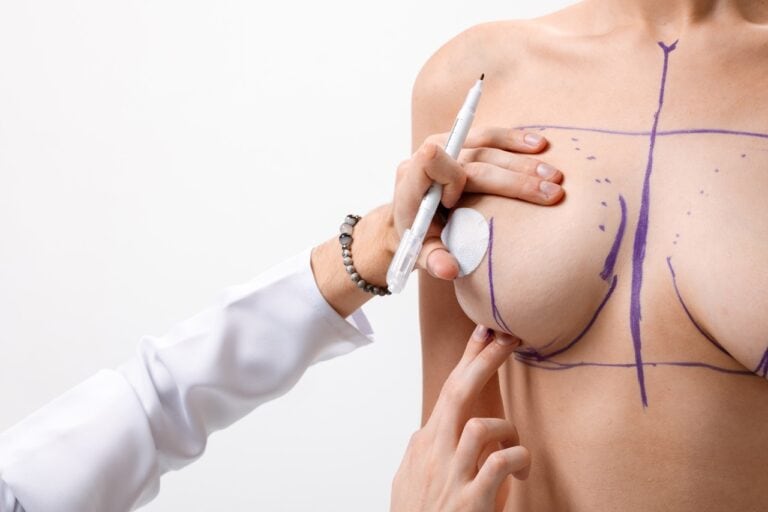
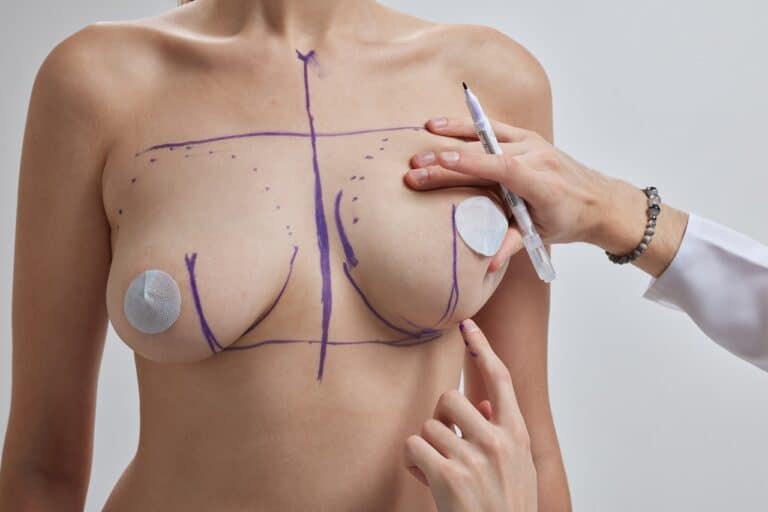
Incision placement is crucial for scar visibility and optimal results. Our surgeons choose locations that balance access with discretion, and several options exist.
Common Incision Locations
Choice of placement may depend on your anatomy, goals, and wardrobe preferences. Typically, surgeons choose one of the following locations:
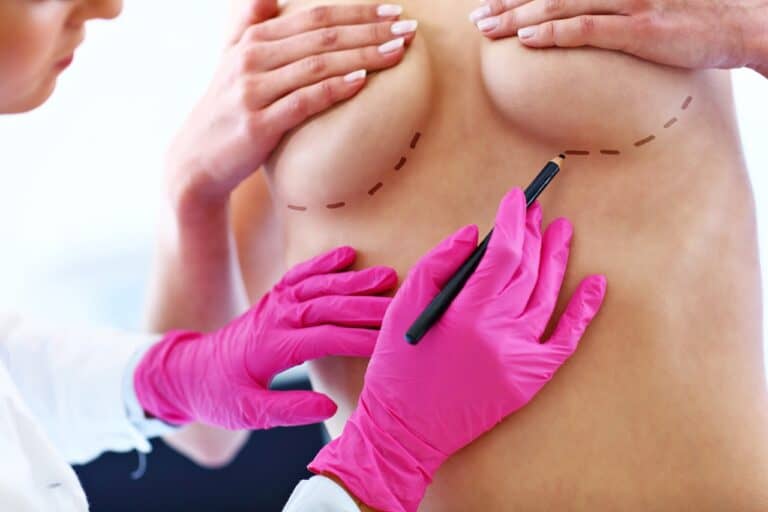
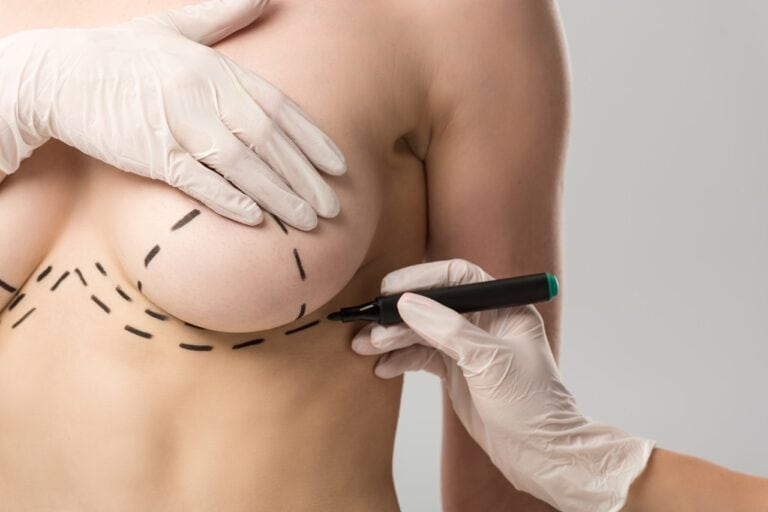
- Inframammary Fold: Incisions lie within the natural crease below the breast. This site conceals most scars in bras or bikinis and offers direct access to the lower breast.
- Periareolar Area: The edge of the areola provides a transition in color and texture, helping disguise the scar.
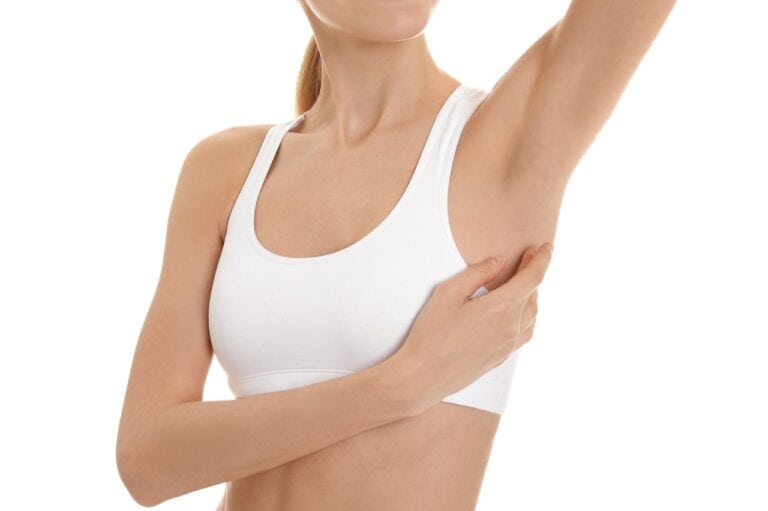
- Axillary Area: Armpit liposuction is an ideal option for specific body types, allowing the surgeon to effectively contour the area while completely avoiding breast tissue.
- Lateral/Outer Breast: Some patients benefit from incisions at the side of the breast for targeting lateral fullness.
Selecting the ideal placement depends on breast shape, skin quality, and reduction goals. We discuss all options during your consultation.
Size and Shape of Incisions
Breast liposuction incisions are typically quite small, averaging only 3-5 millimeters in length. This means any resulting scar is usually shorter than half a centimeter.
Surgeons use a tiny cannula that requires only a pinpoint opening. The small size is a major advantage over the longer incisions required for traditional breast reduction surgery.
Round versus linear incisions may be selected based on the surgeon’s approach. No matter the shape, meticulous technique reduces trauma and helps ensure smoother healing.
Techniques That Can Affect Scar Formation
Different liposuction methods can impact both incision size and healing. Our practice selects the best technique for your goals and body type.
- Tumescent Liposuction: This classic approach uses fluid for easier fat removal. Incisions are small and heal well.
- Laser-Assisted Liposuction: This method melts fat before removal, offering a gentle technique. Some believe it may promote better skin tightening and healing.
- Ultrasound-Assisted Liposuction: This technique liquefies fat for easier extraction. Depending on the technology, it may also encourage more rapid healing.
Each technique has a unique impact on the incision’s appearance. Our goal is to minimize trauma while maximizing your aesthetic outcome.
What Breast Liposuction Scars Look Like
Patients often wonder how noticeable scars from breast liposuction will be. While results differ based on skin type and healing factors, some general patterns exist.
Early Appearance of Scars
Scars at first appear pink, reddish, or even dark brown, depending on your skin tone. The area may feel firm or raised for several weeks.
During the initial healing phase, the surrounding tissue may look swollen. The incision line will seem more prominent during this stage, though most of the swelling and discoloration subside within four to six weeks.
Long-Term Scar Maturation
With time, most breast liposuction scars soften and fade. Colors become lighter, and incisions grow less visible, settling into a narrow line.
The permanent appearance of the scar depends on your genetics, skin color, and aftercare. In most patients, the final scar is a faint line that blends well with the surrounding skin.
Keloid or hypertrophic scars can develop in rare circumstances. If you have a history of raised scars, our surgeons discuss strategies to minimize this possibility.
Healing Timeline for Breast Liposuction Scars
Scar healing does not happen overnight, and each stage looks a little different. Here, we outline what to expect as incisions heal after breast liposuction.
Phases of Scar Healing
Healing unfolds in stages, and noticing progress during each may help set expectations.
- Immediate Healing: Incisions close within a few days. Sterile strips or surgical glue may protect the wound during this time.
- Early Scar Formation: Over two to four weeks, your body repairs tissue, and the color may darken. Mild itching is normal, while swelling gradually decreases.
- Scar Maturation: Over three to twelve months, scars flatten, fade, and blend more naturally with the skin. Most will lighten, becoming less conspicuous.
Although most patients see significant improvement within six months, subtle changes may continue for over a year.
Individual Factors Affecting Healing Time
Several factors play a role in your individual scar healing timeline:
- Skin Type and Genetics: People with lighter skin typically see scars fade faster. Those prone to hyperpigmentation or keloid formation may need more time.
- Age: Younger individuals often heal faster, though poor circulation or underlying conditions can delay the process in any age group.
- Aftercare Habits: Proper wound care, moisturizing, and avoidance of sun exposure can help achieve optimal results.
Variations are normal, and our team provides recommendations tailored to your health and background.
When to Seek Support During Healing
Contact your surgeon if you notice any concerning changes. While minor redness, swelling, or itching is expected, signs of infection, such as spreading redness, pus, or increased heat, need prompt evaluation. We are here to support you at every step.
Steps to Minimize and Care for Scars
Scar management begins before you even schedule your surgery. A proactive approach leads to better results, fewer complications, and increased confidence.
Proven Strategies to Support Scar Recovery
Taking the right steps as you heal can make scars much less noticeable. At our practice, we recommend these essential habits:
- Keep the Area Clean: Gentle cleansing prevents buildup and reduces the risk of infection for faster healing.
- Moisturize Regularly: Petroleum jelly or silicone-based ointments hydrate the incision, which supports optimal healing and scar softness.
- Protect from the Sun: Sun exposure can darken new scars, so cover your incision with clothing or use sunscreen rated SPF 30 or higher.
- Avoid Picking or Scratching: Disturbing a scab can widen scars and lengthen healing time.
- Stay Hydrated and Eat Well: Good nutrition aids tissue repair, while dehydration can slow recovery.
By following these guidelines, you can help scars fade as quickly and smoothly as possible.
Additional Scar Care Options
Some patients may benefit from advanced therapies. For persistent or raised scars, ask our team about:
- Silicone Gel Sheets: These provide sustained hydration and compress the scar for improved flattening.
- Massage Therapy: Massaging the scar area can improve texture and flexibility as it matures.
- Steroid Creams or Injections: These options may reduce swelling and thickness for select patients.
Always consult your surgeon before trying any new scar treatment method.
Lifestyle Factors Affecting Scar Appearance
Smoking, excessive alcohol, and certain medications can delay healing and worsen scar appearance. If possible, stop smoking and avoid non-essential medications that thin the blood for several weeks before and after surgery.
Open communication about your medications and lifestyle habits helps us form a personalized plan that best supports your recovery.
Breast Liposuction vs Other Breast Scar Patterns
Consider how breast liposuction scars differ from other surgical options. This comparison can help clarify if liposuction aligns with your needs and expectations.
Liposuction versus Traditional Breast Reduction
Traditional breast reduction uses longer incisions, often in a lollipop or anchor shape, which results in more significant and visible scarring. These procedures permit the removal of glandular tissue and skin, not just fat.
Breast liposuction, by contrast, strictly removes fat through very small incisions. Scars are shorter and often hidden beneath the breast crease or by the natural color transition of the areola.
However, liposuction may not suffice for patients with excess glandular tissue or poor skin elasticity. Our surgeon reviews your history and anatomy to recommend the best approach.
Patient Suitability for Minimal Scarring
The desire for minimal scarring often guides the decision toward breast liposuction. However, for patients dealing with complex breast implant issues, a different surgical approach may be necessary to achieve the desired contour. Patients with good skin tone, modest fat excess, and realistic expectations generally see the most benefit from liposuction alone.
Weight stability before and after surgery helps maintain results and keep scars inconspicuous.
What to Expect During Recovery
Knowing what to expect in the days and weeks following surgery can reduce anxiety and improve outcomes.
Typical Post-Surgery Experience
After your procedure, most patients notice mild swelling, bruising, and tenderness. These side effects dissipate gradually and are often gone within a few weeks.
Small adhesive strips or surgical glue usually cover your incision to support healing. Stitches, if present, are often dissolvable and rarely require in-office removal.
Supportive garments help reduce swelling and keep the breast shape stable. We encourage most people to wear a soft, non-wired bra continuously for one to two weeks.
Follow-up appointments let us monitor healing and catch any issues early. Rest assured that any questions you have during recovery are welcome, and our team remains available for reassurance and advice.
Timeline for Resuming Activities
Most patients return to desk work or light activities within a few days to one week. Avoid strenuous activity, heavy lifting, or vigorous exercise for at least two weeks.
You may resume normal daily routines as comfort allows, as long as incision care instructions are followed. It is important to protect your incisions from stretching or trauma while scars are fresh.
Your surgeon discusses timelines for resuming every activity during post-operative visits, as individual healing progresses at its own rate.
Factors That Influence Long-Term Scar Visibility
Several key factors may affect how visible your scars become over time. Awareness of these influences can help you make informed decisions and manage expectations.
Genetic Predisposition
Some people have a tendency to heal with more or less visible scars. Genetics plays a powerful role in tissue response, pigment changes, and the risk of keloid or hypertrophic scar development.
If you or your relatives have a history of prominent scarring, let your surgeon know during consultation. This allows us to adjust technique or implement targeted aftercare.
Skin Color and Pigmentation
Melanin levels can influence scar appearance. Darker skin tones occasionally show post-surgical scars that are more prominent or hyperpigmented.
Special precautions, including longer scar protection and possible use of bleaching agents, may help some patients. Our surgeons stay attuned to the needs of every skin type.
Scar Location and Tension
Incisions placed in high-tension areas or subject to friction may heal less smoothly. Incisions under the breast or around the areola tend to remain discreet due to low movement.
Sleeping position, bra use, and movement patterns all contribute to local tension. We offer specific movement and garment recommendations to keep scars less noticeable.
Adherence to Instructions
Patients who strictly follow post-op guidelines see the best scar results. Every recommendation we make is based on long-term success and patient comfort.
Keeping scheduled follow-up appointments also helps detect any early issues before they become longstanding.
When to Consider Revision
Even with ideal care, some scars do not mature exactly as planned. Options exist for addressing scars that remain bothersome after full healing.
Scar revision or secondary treatment may help if you notice any of the following:
- Scars that are significantly raised or painful
- Noticeable color differences compared to the surrounding skin
- Wide or thickened incision lines after one year
- Persistent discomfort, itching, or contracture
If revision is recommended, your surgeon may propose excision of excess tissue, steroid injections, laser resurfacing, or skin blending techniques. Minimally invasive options do exist and may offer excellent improvement.
The need for additional scar care is uncommon after breast liposuction. Still, patients with a history of challenging scars benefit from discussion and planning at every step.
Setting Realistic Expectations
Before any cosmetic surgery, honest discussions about goals and trade-offs ensure long-term satisfaction.
Our surgeon at the New York Liposuction Center works with every patient to clarify what breast liposuction can and cannot achieve regarding scarring and breast shape.
While minimal scarring is possible for most people, perfection cannot always be guaranteed. Sometimes minor surface changes remain despite excellent technique and aftercare.
Confidence, comfort in your own skin, and a detailed understanding of each outcome make all the difference in your post-surgical happiness.
Planning Your Next Steps
Scars from breast liposuction are much smaller and less visible than those from older surgical methods. By choosing a skilled team and following evidence-based aftercare, you can expect the process to unfold smoothly and with as little visible change as possible.
Patients who understand the incision sites, healing phases, and personal factors that shape scar formation approach surgery with more confidence and less anxiety. Everybody heals at their own pace, and managing expectations is a crucial part of a positive experience.
If you have more questions about breast liposuction scars, incision techniques, or your candidacy, our team at the New York Liposuction Center welcomes the chance to provide personalized guidance. Schedule a consultation to discuss your vision, receive an expert assessment, and take the next step toward your desired results.