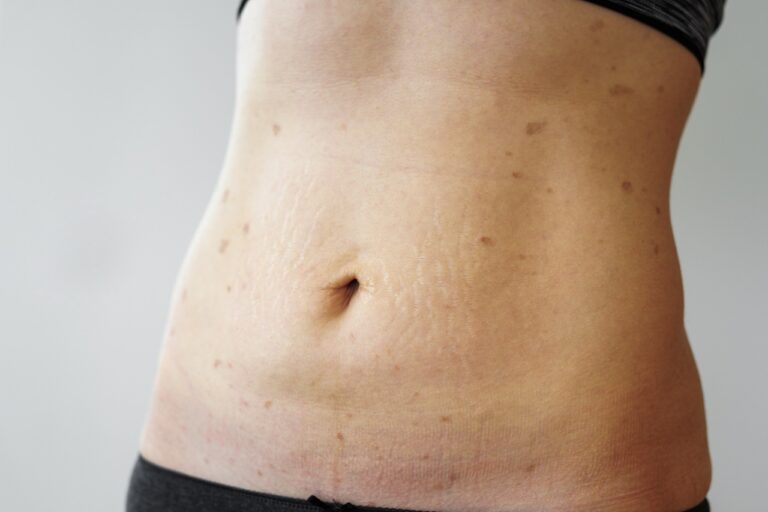
At the New York Liposuction Center, many people visit us looking for long-lasting solutions to stubborn fat deposits. Choosing which procedure fits your body goals and lifestyle can feel confusing if you are new to cosmetic surgery.
Lipectomy and liposuction remain two of the most sought-after fat removal procedures, each with its own advantages and considerations. Understanding the full picture of these options can help you make confident, informed decisions about your treatment journey.
Key Takeaways

What Is a Lipectomy?
Lipectomy stands as a surgical procedure that removes both excess fat and skin to improve the contour of specific body regions. Our surgical team frequently recommends this option for patients who face drooping or lax skin after major weight loss or due to aging.
During a lipectomy, the surgeon creates an incision to excise unwanted skin and underlying fat. The area can then be reshaped, supporting a firmer and smoother result than fat removal alone would provide.
This approach works best for people whose skin cannot contract naturally after significant fat reduction. Our patients often consider lipectomy for their abdomen, thighs, arms, or other zones where skin folds or sags.
When Lipectomy Is the Right Choice
If you have lost a great deal of weight or your skin has lost elasticity, you may notice sagging that does not shrink with exercise or diet. Standard liposuction will not correct this excess skin.
Our doctor may recommend a lipectomy if:
- You have loose or saggy skin: This is common after bariatric surgery, pregnancy, or significant weight changes.
- Your primary concern is extra tissue: Lipectomy removes both fat and redundant skin, making it ideal for body contouring after massive weight loss.
We personalize every lipectomy plan to your needs, focusing on natural-looking results with minimal visible scarring.
Understanding Liposuction
Liposuction, on the other hand, removes stubborn fat pockets through special suction techniques. Unlike lipectomy, the surgeon inserts a thin tube into small incisions and loosens fat deposits before removal.
Our surgeon at the New York Liposuction Center often recommends liposuction to contour areas such as the arms, abdomen, flanks, or thighs for patients with strong skin elasticity.
Liposuction suits those who have resistant fat despite healthy habits, but do not have much excess skin. Since this procedure does not address loose skin, your results depend largely on the skin’s ability to contract after the fat is removed.
Modern Liposuction Techniques
Several technological advances have improved liposuction outcomes:
- Tumescent liposuction uses an anesthesia solution to reduce bleeding and bruising.
- Ultrasound-assisted liposuction breaks down fat with sound waves, which makes removal easier.
- Laser-assisted liposuction melts fat with focused light energy, sometimes tightening skin in the process.
Our surgical team chooses the technique that matches your goals, body area, and skin type for the safest and best-looking result.
Key Differences: Lipectomy vs Liposuction
Lipectomy and liposuction both enhance body shape, but they work in fundamentally different ways. Choosing between them depends on several important factors.
Distinct Approaches and Results
A lipectomy involves actual tissue excision, as the procedure cuts away both fat and skin. This allows for dramatic changes in contour, especially after weight loss, which leaves behind large folds of skin.
Liposuction relies on suction-based fat removal only. The incisions are smaller, and the surgery tends to be less invasive. The results are best in areas where skin can bounce back after fat is gone.
Surgical Scope and Scarring
Lipectomy typically requires longer incisions, leading to more noticeable but carefully placed scars. Our surgeon uses specialized suturing methods, but some scarring is inevitable.
Liposuction produces much smaller incisions, often just a few millimeters in length, which fade significantly over time.
Recovery and Aftercare
Recovering from a lipectomy usually takes more time and entails more aftercare, including drains and activity restrictions. Liposuction patients often return to work within a few days to a week, depending on the size of the treatment area.
Both procedures require some level of compression garment use to support healing and shape.
Who Should Consider Lipectomy or Liposuction?
Not everyone benefits equally from either procedure. Candidacy relies on your goals, current health, and skin quality.
Major Factors That Determine the Right Procedure
- Skin Elasticity: Patients with good skin tone and minimal sagging often see great results from standard liposuction.
- Amount of Excess Skin: If large skin folds or significant sagging affect comfort or self-confidence, lipectomy is likely more appropriate.
- Fat Distribution and Amount: Our surgeon assesses how much fat must be removed and whether this can be done safely with liposuction alone.
- General Health: Both procedures require good overall health, with lipectomy needing a higher level of fitness to support wound healing.
Meeting with our surgical team for an individual consultation remains the best way to determine if lipectomy or liposuction matches your needs.
Main Types of Lipectomy and Liposuction Procedures
Patients often ask which specific procedures fall under each category. Each option addresses a different area of concern.
Here is a breakdown of some major types performed at our practice.
- Abdominoplasty (Tummy Tuck): This lipectomy procedure removes skin and fat from the abdomen and tightens underlying muscles for a flatter stomach.
- Thigh Lift: Lipectomy for the thighs targets sagging skin along the inner or outer thighs and removes excess fat in that region.
- Arm Lift (Brachioplasty): This surgery addresses hanging skin and extra fat between the shoulder and elbow.
- Traditional Liposuction: The surgeon focuses on targeted fat removal in one or more areas. It works best for localized fat in patients with elastic skin.
- 360 Liposuction: Fat removal occurs around the full circumference of the waistline, creating a more balanced contour.
- Facial or Neck Liposuction: Many men and women see distinct improvement in their features with liposuction under the chin or around the neck.
Each procedure type requires a different surgical approach and varies in recovery, risks, and results.
Consulting with our team can help clarify which option will help reach your desired look.
What to Expect: Procedure and Recovery
Understanding the details of the treatment and healing process helps you prepare, both physically and mentally.
General Steps of Each Procedure
- Lipectomy: The surgeon marks the treatment area while you stand. After anesthesia, the surgeon creates incisions, removes fat and excess skin, shapes the area, and places sutures. Drains may be inserted to prevent fluid collection.
- Liposuction: The surgeon begins with small incisions and uses a cannula to break up and suction out fat tissue. No excess skin is removed, so the incisions are minimal, and many patients do not require drains.
Recovery Timelines and Care
Lipectomy requires more downtime. You may need bandages, drains, and several weeks before returning to daily activity. Swelling and tightness may linger for weeks but improve steadily.
Liposuction recovery usually proves milder. Most people get back to work within a week, with bruising and swelling fading in two to four weeks. Wearing compression garments is necessary for both procedures to help the skin adjust and minimize fluid buildup.
The support from our team does not end when your procedure is over. We provide detailed post-op instructions and regular follow-ups for your peace of mind.

Risks, Side Effects, and Safety Considerations
All surgical procedures carry some degree of risk. The best way to minimize these issues is to work with a board-certified surgeon at a recognized practice.
Potential Risks with Lipectomy
As lipectomy is more invasive, possible complications include:
- Bleeding and infection, as with any surgery.
- Delayed wound healing is often due to larger incisions and skin removal.
- Changes in skin sensation or numbness along incision lines.
- Fluid buildup (seroma) that sometimes requires drainage.
Our doctor carefully screens patients and uses sterile, precise techniques to reduce these risks.
Potential Risks with Liposuction
Liposuction generally has a lower risk profile, but side effects might include:
- Temporary swelling, bruising, and discomfort in the treated area.
- Skin irregularities, such as waviness if the skin does not contract well.
- Rare risks such as fluid accumulation or uneven results.
Our surgeon explains all relevant risks before your procedure and ensures that safety remains the highest priority throughout treatment.
Realistic Results: What Can Each Procedure Achieve?
Setting the right expectations sets the stage for satisfaction with your new look.
Results After Lipectomy
Lipectomy often delivers more dramatic changes, as it corrects both shape and sagging. Most patients notice firmer, smoother body contours.
Since this surgery removes excess skin, it is ideal for those with significant laxity or hanging skin that cannot retract naturally. Scars will remain, but many find the smooth new shape well worth it.
Results After Liposuction
Liposuction shapes the body more subtly. You will see reduced fat volume and improved contour, but only when your skin can tighten once the fat is gone.
Results settle over several months as swelling decreases and tissues adapt. Small incisions usually fade to faint marks and are not easily noticeable.
Comparing Lipectomy and Liposuction: Pros and Cons
Every decision comes with trade-offs. Understanding the unique pros and cons helps you and our surgeon tailor the best plan.
Here is a side-by-side comparison for easy reference:
- Lipectomy Pros: Removes both fat and skin, dramatically improves loose or hanging areas, is suitable after major weight loss, and reshapes the entire body area.
- Lipectomy Cons: Longer recovery, more prominent scarring, higher cost, greater risk than less invasive techniques.
- Liposuction Pros: Minimal scarring, less downtime, lower risk, effective on localized fat with good skin elasticity.
- Liposuction Cons: Will not address sagging or excess skin, improvements may be limited if skin is already lax, subtlety may be a drawback for those needing dramatic change.
Balancing your priorities, goals, and risk tolerance with guidance from our practice supports the best outcomes.
Frequently Asked Questions About Lipectomy and Liposuction
Many patients at our NYC office ask similar questions as they consider their options. Here you will find detailed answers to the most common topics.
Costs, Insurance, and Financing
Patients often need to understand how lipectomy and liposuction differ in price and insurance coverage.
How are costs structured?
Lipectomy costs more because it requires more operative time, facility resources, and sometimes hospitalization. Liposuction, being less extensive, has lower fees, though adding more areas will increase the total cost.
Does insurance ever cover these procedures?
Most cases will not qualify for insurance coverage, as both procedures count as cosmetic. If excess skin or tissue creates medical problems, parts of a lipectomy may be considered medically necessary. Our team will review all options with you during the consultation process.
Can I use payment plans?
We accept multiple payment options and can work with third-party financing. Transparent cost estimates and careful planning are always a part of our patient-focused approach.
Steps to Take Before Your Consultation
Preparing for your consultation helps you make the best use of time with our doctor. Bring your medical history and a list of medications, and think carefully about your desired outcomes.
You should write down your main concerns, such as specific areas that bother you or any health considerations relevant to surgery.
Photos of past weight or body shape changes can support a more personalized plan. Openly discussing your goals, fears, or any previous procedures allows us to shape realistic, satisfying recommendations.
Moving Forward with Body Contouring Options
Navigating the choice between lipectomy and liposuction can seem overwhelming at first, but understanding the distinctive benefits and limitations of each helps you begin your journey with clarity. Many patients appreciate how each procedure serves a specific need, whether you want subtle refinement or a dramatic change in body shape.
Our team at the New York Liposuction Center remains dedicated to delivering safe, natural-looking results through careful patient selection and personalized techniques. Your questions and concerns are always welcome and respected.
If you are considering body contouring and want individualized guidance, we encourage you to schedule a consultation with our experienced surgeon. Take the next step toward a new level of confidence and comfort by reaching out to the New York Liposuction Center today.