Fat grafting continues to be an increasingly popular method for restoring shape and contour in many areas of the body and face. At the New York Liposuction Center, our surgeon frequently sees the remarkable benefits that this technique brings to patients seeking volume or correction after injury, surgery, or aging.
However, every surgical procedure carries potential risks, and one of the complications that can occur after fat transfer is fibrosis. Understanding how and why fibrosis develops is crucial, as this knowledge helps patients recognize symptoms early and work with their surgeon for the best outcome.
In this article, we will explain everything you need to know about fibrosis after fat grafting, providing insights into modern innovations in liposuction and fat transfer based on our experience in New York City.
Key Takeaways
Understanding Fibrosis After Fat Grafting
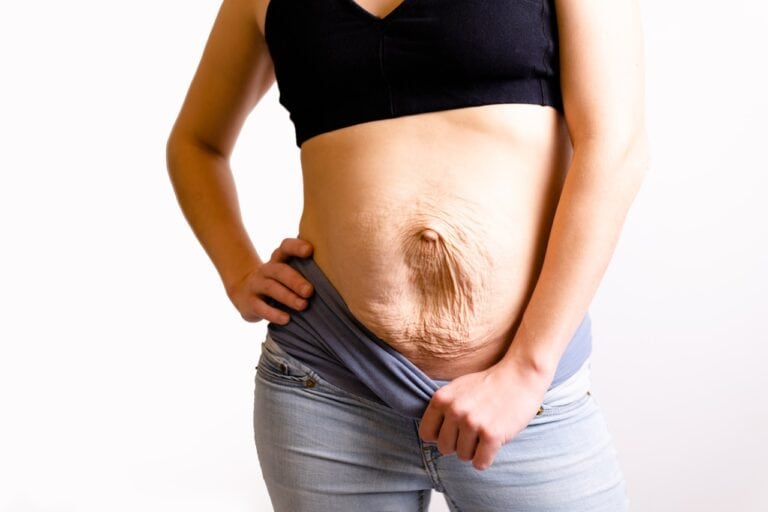
Fibrosis refers to the buildup of excessive scar tissue during the healing phase after fat grafting. This response occurs as your body reacts to surgery and begins repairing the treated area. Most patients experience some normal healing, but fibrosis involves more pronounced tissue thickening and firmness.
How the Body Heals After Fat Grafting
Your body’s natural healing response includes inflammation, repair, and remodeling. In healthy healing, new blood vessels form, and the transferred fat cells settle into position. However, excessive inflammation or cellular injury can cause overly aggressive scar formation. This leads to increased collagen and connective tissue, which produces the dense or rope-like texture felt in fibrosis.
Differences Between Fibrosis and Normal Healing
Patients often ask how to tell the difference between routine post-surgical swelling and true fibrosis. Normal healing may cause temporary firmness, mild swelling, or some asymmetry as the grafted fat settles. However, fibrosis stands out because it produces nodules, ridges, or persistent firm patches that do not soften with time. Over weeks to months, normal swelling improves, while fibrosis remains or may even become more noticeable.
Causes and Risk Factors for Fibrosis
Several factors can increase the likelihood of fibrosis after fat grafting. Recognizing these allows patients to understand their risk profile and make informed decisions with their surgeon.
Major Factors Contributing to Fibrosis
Many issues contribute to the development of fibrosis after fat transfer procedures. Some causes relate to the surgical process itself, while others are tied to individual patient characteristics.
- Excessive Trauma to the Tissue: Aggressive removal, purification, or injection of fat can damage small blood vessels and connective tissue. This trauma may prompt more extensive scar formation.
- Volume and Location of Fat Grafting: Larger volumes require more healing tissue, and anatomically tight or low-blood-supply areas, such as the lower legs, may be more prone to fibrosis.
- Genetic and Biological Factors: Patients prone to thick, keloid, or hypertrophic scarring often form more fibrotic tissue after any surgery.
- Poor Aftercare or Infection: Insufficient rest, pressure on the graft site, or local infection can stimulate abnormal healing.
- Smoking and Systemic Conditions: Smoking, diabetes, or autoimmune conditions limit blood flow and impair healing, increasing the chance of hard scar tissue.
Some patients experience fibrosis for reasons unrelated to technique or behavior, reflecting how individual bodies respond uniquely to surgery. Being aware of risk factors provides an opportunity to address them proactively with our surgical team.
Recognizing the Symptoms of Fibrosis
Fibrosis develops across a spectrum, from mild firmness to obvious lumpy or ropey scars. Patients should monitor for signs early and discuss concerns promptly with their surgeon.
Key Signs of Fibrosis After Fat Grafting
- Persistent hard or firm areas beneath the skin where fat was transferred
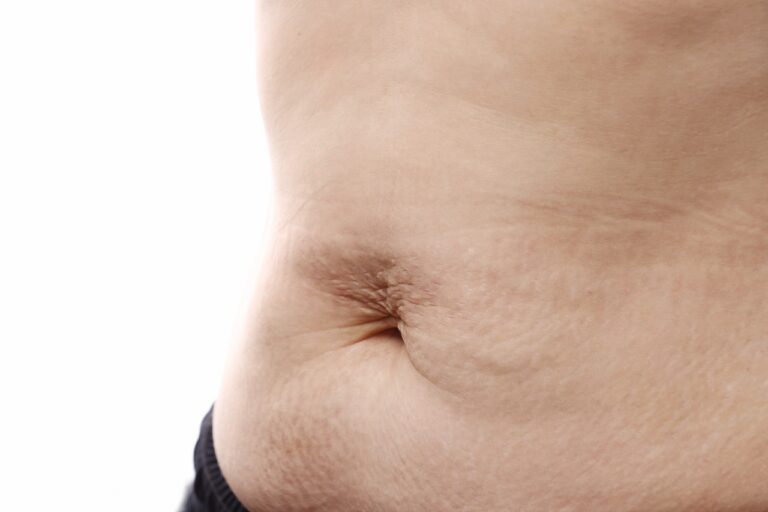
- Irregular or nodular texture at the graft site, which may create visible lumps or depressions
- Localized tightness, pulling sensations, or loss of soft tissue flexibility
- Skin changes, such as mild discoloration or dimpling over the hardened tissue
Each patient’s experience with fibrosis varies, but these symptoms usually do not resolve with time alone. Persistent symptoms beyond 10 to 12 weeks after surgery deserve careful review in follow-up visits. Documenting any changes in feel or appearance helps the team at our New York City office plan targeted treatment if required.
How Our Surgeons Prevent Fibrosis
While no method guarantees prevention, our surgical strategy at the New York Liposuction Center prioritizes several steps known to help reduce the likelihood of fibrosis. Prevention begins before surgery and continues through aftercare.
Important Prevention Strategies
Our approach addresses surgical technique, patient preparation, and recovery habits.
- Meticulous Surgical Handling: Our surgeon uses gentle methods for harvesting, processing, and injecting fat to protect fragile cells and surrounding tissue.
- Small Volume Layering: We place small amounts of fat into multiple levels, which avoids creating large pockets and promotes better blood supply to transferred cells.
- Careful Site Selection: Strategic placement into tissues with good vascularity decreases the chance of tissue death or scarring.
- Patient Education: Our team explains recovery steps, wound protection, and gentle massage to facilitate smooth recovery.
- Prompt Management of Complications: We address infection or excess swelling without delay, which prevents further stimulation of scarring processes.
These interventions dramatically lower the risk, especially when the patient follows post-procedure instructions and attends scheduled follow-up care. At the New York Liposuction Center, follow-up protocols help us catch early signs of fibrosis so we can intervene as soon as possible.
Diagnosis and Evaluation of Fibrosis
Identifying fibrosis early allows for more effective treatment and reassurance. Our surgeon conducts a comprehensive exam and uses specific criteria to distinguish fibrosis from other concerns.
When to Seek Diagnosis and How We Assess
Patients should reach out if they notice lasting firmness, irregularities, or discomfort. We consider the timing, location, and progression of symptoms. During physical examination, the surgeon palpates the area to determine the extent, consistency, and boundaries of any scar tissue.
Imaging tools such as ultrasound or MRI may further clarify the diagnosis in complex cases. These tools help the surgeon distinguish fibrosis from fat necrosis, cysts, or residual swelling. Accurate identification guides the most effective therapy and avoids unnecessary intervention.
Addressing Fibrosis: Treatment Options
When fibrosis develops, our team at the New York Liposuction Center creates a personalized plan to improve both appearance and comfort. The optimal intervention depends on when fibrosis is detected, the severity, and each patient’s goals.
Common Treatments and Their Effects
Treatment recommendations usually begin with noninvasive options. As time passes, or if symptoms persist, more direct interventions may be considered.
- Massage and Manual Therapy: Early, gentle massage helps soften and mobilize scar tissue. Physical therapists sometimes instruct on specialized techniques if standard massage is not enough.
- Medications: Topical gels or corticosteroid injections reduce inflammation and scar formation in localized fibrosis.
- Lymphatic Drainage Techniques: Special manual therapies promote fluid movement and soften the feel of fibrotic regions.
- Needle Release or Subcision: A small needle breaks up tight bands beneath the skin, which can improve flexibility and reduce palpable lumps.
- Minor Surgical Revision: In select cases, direct excision or fat graft revision may be required for severe or stubborn fibrosis.
Most patients respond very well to conservative therapies started within the early phases of healing. When early treatment fails or when cosmetic issues persist, procedural intervention remains an option.
Long-Term Outlook For Post-Grafting Fibrosis
Fibrosis may feel initially concerning, but most patients see improvement over time, especially with dedicated management. Understanding the expected course helps patients set realistic expectations and maintain peace of mind.
Mild or moderate cases gradually mellow in the first year as collagen remodels and fatty tissue becomes more integrated into the body. The firmness often softens and becomes less noticeable. In rare cases where fibrosis remains stubborn and leads to visible or tactile concerns, minor touch-up procedures are possible to restore symmetry or comfort.
Patients who demonstrate early resolution or successful response to conservative measures tend to enjoy excellent aesthetic outcomes and high levels of satisfaction after the liposuction and grafting process in the long run. Ongoing follow-up after surgery, combined with an open dialogue with our team, gives you the very best chance for smooth and pleasing results.
Common Misconceptions About Fibrosis
Many myths surround fibrosis after fat grafting, which can create unnecessary worry or confusion. Understanding the truth behind these common misconceptions encourages patients to seek informed care and relaxation during recovery.
Addressing Popular Misunderstandings
- Myth: All lumps or firmness after fat grafting means something has gone wrong.
- Truth: Some firmness is part of normal healing and only becomes a concern if persistent beyond several months.
- Myth: Fibrosis always leads to poor results or permanent deformity.
- Truth: Most fibrosis corrects significantly over time with conservative therapy, and only severe cases need minor procedures.
- Myth: Massaging the area constantly will prevent all scar formation.
- Truth: Gentle, guided massage can help, but excessive handling may actually disturb healing or even worsen scar formation.
- Myth: Only people with previous bad scars will ever develop fibrosis.
- Truth: Any patient can experience fibrosis, regardless of past healing, because the risk depends on many variables.
- Myth: Nothing can improve fibrosis after it appears.
- Truth: There are many effective options available, especially when our surgeons identify the issue early and tailor treatment to the individual.
Knowing what to expect empowers patients to participate in their own recovery and work closely with our experienced staff. Our team is committed to supporting patients at every step and providing reliable, up-to-date information during follow-up.
Moving Forward with Confidence After Fat Grafting
We understand concerns can arise when dealing with the unpredictability of healing after fat grafting, especially regarding problems like fibrosis. At the New York Liposuction Center, our personalized approach ensures every patient receives thorough preoperative education, careful surgical technique, and attentive follow-up care in New York City.
It is important to recognize that while fibrosis presents challenges, it rarely disrupts long-term results thanks to early detection and individualized treatment strategies. By remaining watchful for symptoms and communicating openly, you can benefit from prompt support and an effective plan for achieving your best outcome.
If you have questions or would like more information about how to prepare for fat grafting and minimize the risk of fibrosis, we encourage you to schedule a consultation with our skilled team. Our compassionate surgeons remain dedicated to helping patients navigate each phase of the journey with expert advice and proven solutions.