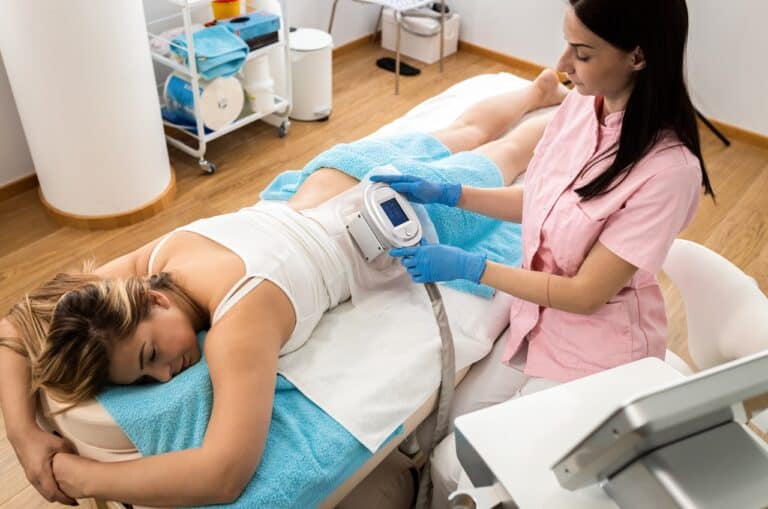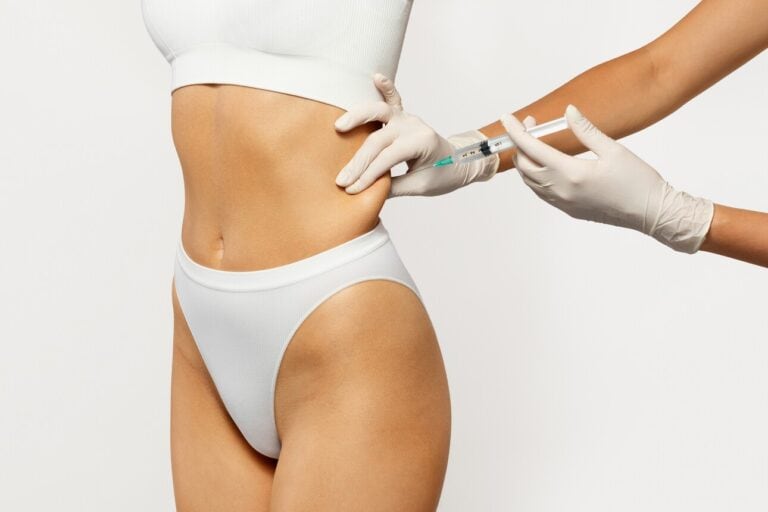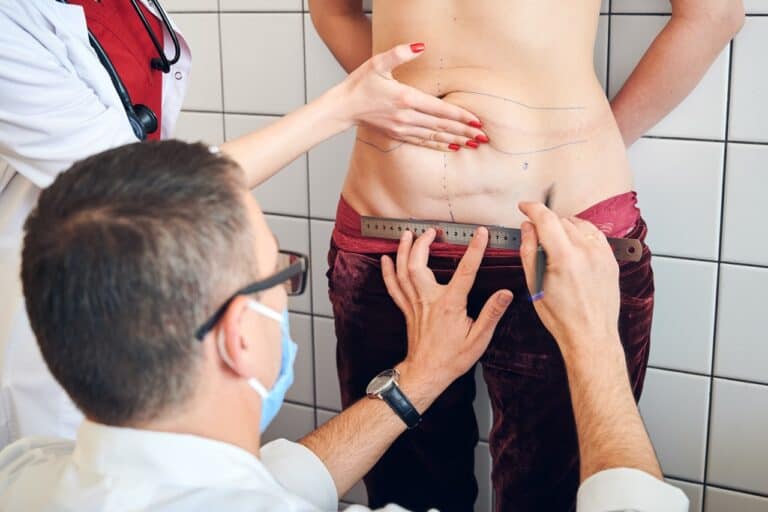
Liposuction fat transfer combines two procedures into one transformative treatment that removes unwanted fat from problem areas and transfers it to areas you want to enhance. Many patients find that liposuction enhances well-being and confidence. This dual-benefit approach appeals to many, but understanding the safety profile helps you make an informed decision. Fat transfer has become increasingly popular for augmenting breasts, buttocks, faces, and other areas using your own natural tissue.
At the New York Liposuction Center, patient safety remains our top priority throughout every procedure. Fat transfer techniques have evolved significantly over the past decade, with improved methods that enhance both safety and results.
This guide explores the safety considerations, potential risks, and best practices that make fat transfer a reliable option for body contouring and enhancement.
Key Takeaways
Understanding Fat Transfer Safety Fundamentals
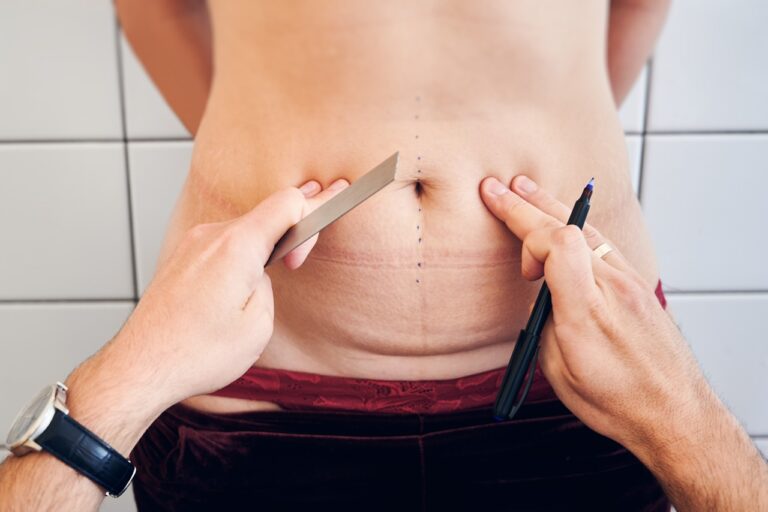
Fat transfer safety begins with understanding what the procedure involves. The process includes three distinct phases that each require careful execution.
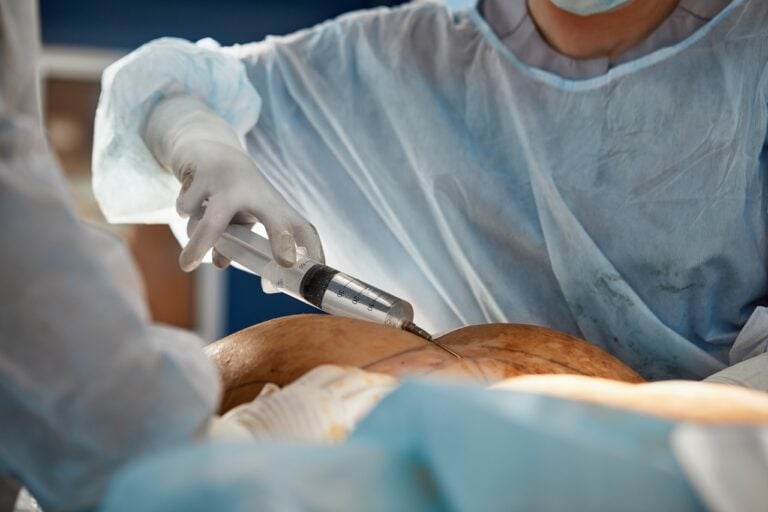
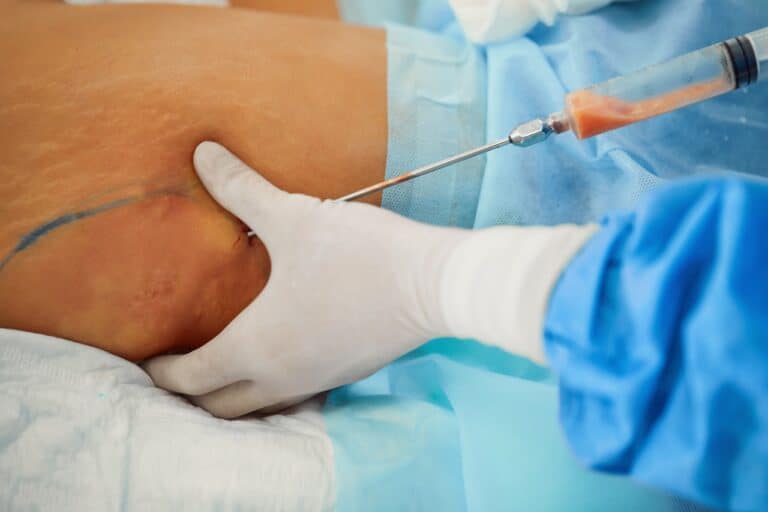
First, fat is harvested from donor areas using liposuction techniques. Second, the collected fat undergoes processing to separate viable fat cells from damaged cells and fluids. Third, purified fat is carefully injected into the recipient areas to create the desired enhancement.
Each phase presents unique safety considerations. The liposuction portion carries the same risks as standard liposuction, which is why it is vital to choose the right liposuction type for your needs to minimize bleeding, infection, and anesthesia-related concerns. The processing phase requires a proper technique to maintain fat cell viability while eliminating contaminants. The injection phase demands precision to place fat at appropriate depths and volumes for safe integration.
Modern fat transfer techniques have significantly improved safety compared to older methods. Surgeons now understand optimal harvest pressures, processing protocols, and injection techniques that maximize cell survival while minimizing complications. These refinements have made fat transfer one of the safer cosmetic procedures available today.
Key Safety Advantages of Using Your Own Fat
One of the most significant safety benefits of fat transfer is using your own tissue rather than synthetic materials. Your body recognizes transplanted fat cells as its own, which eliminates risks associated with foreign materials. While some patients prefer results without major liposuction surgery, those choosing fat transfer benefit from the natural integration of their own tissue.
- No allergic reactions: Since you’re using your own fat, allergic reactions are impossible, unlike with synthetic fillers that can trigger immune responses in some patients.
- No rejection risk: Your body won’t reject its own tissue, which eliminates the implant rejection complications that can occur with breast implants or other prosthetic materials.
- Natural integration: Transferred fat that survives develops its own blood supply and becomes living tissue, which integrates naturally with surrounding structures for permanent results.
- Reduced infection risk: Your own tissue carries a lower infection risk than foreign materials that can serve as focal points for bacterial colonization and biofilm formation.
- No long-term implant concerns: Unlike implants that may eventually require removal or replacement, successfully transferred fat becomes permanent tissue without ongoing maintenance needs.
Potential Risks and How They’re Minimized
While fat transfer is generally safe, all surgical procedures carry some risk. Understanding potential complications and how experienced surgeons minimize them helps you make informed decisions. Most risks are rare when surgeons follow established protocols and patients are properly selected.
Liposuction-Related Risks
The fat harvesting portion carries standard liposuction risks. These include bleeding, infection, fluid accumulation, contour irregularities, and anesthesia complications. Surgeons minimize these risks through careful patient screening, sterile technique, appropriate anesthesia selection, and conservative fat removal volumes.
Proper patient selection eliminates many risk factors. Patients with certain medical conditions may not qualify as good candidates. Your surgeon reviews your complete medical history during consultation to identify any factors that could increase complication risks.
Fat Injection Complications
The injection phase presents unique safety considerations. Placing too much fat in one area can compromise the blood supply and cause fat necrosis, where cells die due to inadequate oxygen. Injecting at improper depths can create lumps, asymmetry, fibrosis in fat grafting, or other poor aesthetic results.
Experienced surgeons inject fat in small amounts across multiple layers and locations. This technique ensures each transplanted fat droplet can establish a blood supply from surrounding tissues. The careful placement promotes cell survival while maintaining safety margins.
Fat Embolism Prevention
Fat embolism represents the most serious potential complication, though it remains extremely rare with proper technique. This occurs when fat enters the bloodstream and travels to vital organs. Gluteal fat transfer carries the highest risk, which is why surgeons follow specific injection protocols for buttock enhancement.
Prevention relies on understanding vascular anatomy and using proper injection techniques. Surgeons avoid injecting into muscle layers where large vessels exist. They use cannulas rather than needles for blunt dissection that pushes vessels aside rather than penetrating them. Multiple safety protocols have been established specifically to prevent this rare but serious complication.
Why Accredited Facilities Matter
Where your fat transfer occurs significantly impacts safety. Accredited surgical facilities meet rigorous standards for equipment, sterile protocols, emergency preparedness, and staff training. These requirements provide important safety protections that unaccredited locations may lack.
Office-based surgical suites can be accredited by organizations like the American Association for Accreditation of Ambulatory Surgery Facilities. This accreditation verifies that the facility meets the same safety standards as hospital operating rooms. The accreditation process includes inspections, equipment verification, and protocol reviews.
Proper equipment matters for both safety and results. Fat processing equipment must maintain sterility while efficiently separating viable fat cells. Monitoring equipment tracks vital signs throughout the procedure to quickly identify any concerns. Emergency equipment must be readily available, though complications requiring it are rare.
Patient Selection and Medical Clearance
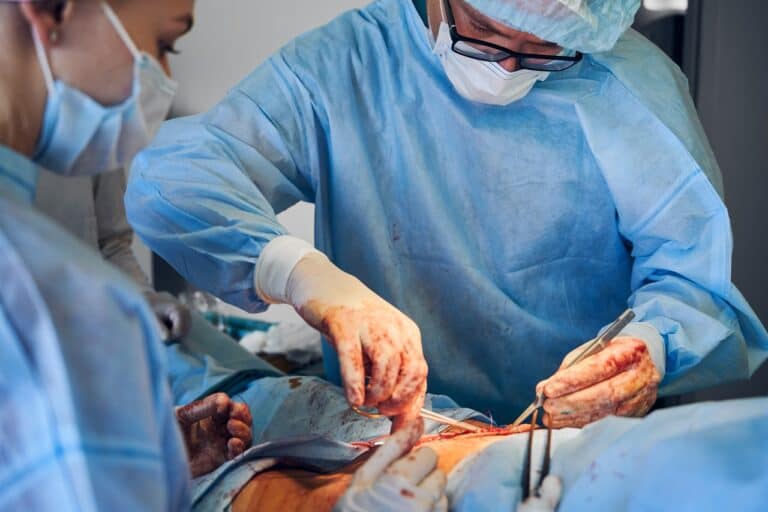
Proper patient selection prevents many potential complications. Not everyone qualifies as a good fat transfer candidate, and attempting the procedure on inappropriate patients increases risks. Your consultation should include a thorough medical evaluation to verify you can safely undergo the procedure.
- Adequate fat reserves: You need sufficient donor fat for harvesting, which typically means having at least one area with pinchable fat suitable for liposuction extraction.
- Good overall health: Medical conditions like uncontrolled diabetes, bleeding disorders, or active infections disqualify you from elective surgery until properly managed or resolved.
- Non-smoker status: Smoking compromises the blood supply to transferred fat and significantly reduces survival rates, so most surgeons require smoking cessation several weeks before surgery.
- Realistic expectations: Understanding that multiple sessions may be needed and that some fat reabsorption occurs helps ensure satisfaction with outcomes and proper treatment planning.
- Stable weight maintenance: Being within 20 pounds of goal weight with a stable weight history indicates you’re more likely to maintain results and experience predictable healing.
Some patients require medical clearance from their primary care physician before surgery. This additional screening identifies risk factors that might not be apparent during standard consultation. The extra precaution protects your safety even though it may delay your procedure timeline.
Post-Operative Safety and Recovery Monitoring
Safety extends beyond the procedure itself into your recovery period. Following post-operative instructions carefully prevents complications and supports optimal healing. Your surgeon provides detailed guidelines specific to your procedure and monitors your progress through scheduled follow-ups.
Immediate Recovery Period
The first 24 to 48 hours require close monitoring. You’ll need someone to drive you home and stay with you initially. Most patients manage well with prescribed pain medication and rest. However, knowing when to contact your surgeon about concerns prevents minor issues from becoming serious problems.
Warning signs requiring immediate attention include excessive bleeding, signs of infection like fever or increasing pain, difficulty breathing, or severe swelling in treated areas. While these complications are rare, knowing what to watch for provides important safety protection.
Follow-Up Appointment Importance
Scheduled follow-up appointments allow your surgeon to verify normal healing. These visits typically occur at one week, one month, and three months post-operatively. Your surgeon examines treated areas, answers questions, and addresses any concerns you may have.
Attending all follow-up appointments ensures optimal safety and results. Even if you feel fine, a professional evaluation catches potential issues before they become problematic. Many practices in NYC accommodate busy schedules with flexible appointment times to make follow-up attendance easier.
Long-Term Safety and Results Monitoring
Fat transfer results develop over several months as transferred cells establish a blood supply and some reabsorption occurs. Monitoring during this maturation period ensures results develop normally without unexpected complications. Most patients achieve stable results within six months after their final transfer session.
Some transferred fat undergoes reabsorption during the first three months. This normal process typically affects 30 to 50 percent of transferred volume. The remaining fat becomes permanent living tissue that behaves like fat in the original location. Understanding this timeline prevents unnecessary concern about initial volume loss.
Long-term results remain stable when you maintain a consistent weight. Gaining weight causes all fat cells, including transferred ones, to enlarge. Losing significant weight reduces fat cell size throughout your body, including in enhanced areas like the hips, breasts, buttocks, and face. Stable weight maintenance protects your investment and ensures lasting satisfaction with results.
Frequently Asked Questions About Fat Transfer Safety
Making Safe Decisions About Fat Transfer
Fat transfer procedures offer excellent safety profiles when performed by qualified surgeons using proper techniques. The combination of using your own tissue, refined processing methods, and careful injection protocols creates a reliable approach to body contouring and enhancement. Understanding safety considerations helps you make informed decisions and choose practitioners who prioritize your well-being.
The procedure’s dual benefit of removing unwanted fat while enhancing desired areas appeals to many patients. When safety protocols are followed and realistic expectations are set, fat transfer delivers natural-looking results with minimal risk. The key is selecting experienced surgeons, choosing accredited facilities, and committing to proper recovery practices.
Ready to explore whether fat transfer suits your aesthetic goals while maintaining optimal safety?
Contact the New York Liposuction Center to schedule a consultation with our board-certified surgeon. We’ll evaluate your candidacy, discuss realistic expectations, and explain the safety measures we implement to protect every patient throughout their body contouring journey.