Fat necrosis can cause sudden worry, especially when you feel an unexpected lump after trauma or surgery. At the New York Liposuction Center, our team sees many patients with questions about what fat necrosis is, what it means for their health, and most importantly, how our surgeons can treat it.
Treatment options for fat necrosis will depend on the specific cause, your symptoms, and your overall health. Understanding your choices can help you feel confident and prepared for the next steps. In the following article, we will break down what fat necrosis is, how our team diagnoses it, what treatment options exist, and what recovery looks like if you need intervention.
Key Takeaways
What Is Fat Necrosis?
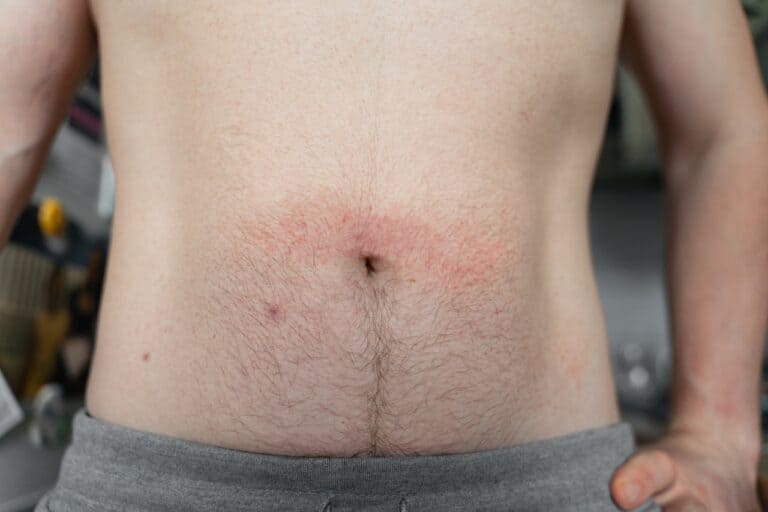
Fat necrosis refers to the death of fat cells within the body, causing firm nodules or lumps to develop in the affected tissue. This process is not cancer, but it can feel alarming or mimic tumors on imaging or examination. The most common locations include the breasts, thighs, buttocks, and abdomen, especially after surgical procedures or injuries.
Common Causes of Fat Necrosis
Many factors can trigger fat necrosis, especially in patients who have recently undergone a procedure or experienced trauma. Our surgeon evaluates your history to determine if one of these factors may be involved.
- Surgical trauma: Operations such as breast reduction, augmentation, or ultrasonic liposuction can disrupt fat cells, leading to necrosis in the healing phase.
- Direct trauma or blunt force: Injuries, falls, or seatbelt trauma may crush fat cells beneath the skin, resulting in nodule formation over a few weeks.
- Injections or fillers: Fat grafting, corticosteroid injections, or other injectable treatments sometimes cause localized fat cell injury.
- Radiation therapy: Less commonly, radiation can damage tissue, triggering fat death in the treatment area.
Fat necrosis presents differently depending on the cause, and our doctors focus on your unique experience while creating a treatment plan.
Recognizing the Symptoms of Fat Necrosis
Fat necrosis often produces a painless, firm lump under the skin, but each patient may notice different symptoms. You can use the information below to identify some of the key signs that should prompt evaluation by our team.
Typical Signs and Symptoms
Some patients may notice:
- A round, movable lump beneath the surface of the skin.
- Softening or hardening in the area, sometimes with skin dimpling above.
- Mild redness or bruising at the site, especially after trauma.
- Occasional pain or tenderness if the lump presses on nearby nerves.
Symptoms rarely progress or become dangerous, but a persistent or growing lump should always prompt a medical evaluation.
How Our Team Diagnoses Fat Necrosis
Clear diagnosis is essential for proper treatment, as fat necrosis can closely mimic more serious conditions. At our New York practice, our team uses a systematic approach to reach a clear diagnosis while avoiding unnecessary procedures whenever possible.
Physical Examination
Diagnosis begins with a gentle, thorough physical exam. Our doctors will assess the lump’s size, texture, mobility, and relationship to nearby structures. The history of recent trauma, injections, or surgery, such as a recent session of VASER liposuction, plays a valuable role in guiding next steps, as surgeons must differentiate between normal postoperative firming and true necrotic nodules.
Imaging Studies
When the diagnosis remains uncertain after the exam, our surgeon often recommends imaging. This can include ultrasound, which identifies characteristic features like oil cysts, or mammography for breast lumps.
MRI is rarely needed but sometimes provides additional detail, especially if the lump looks unusual or has suspicious features. Our radiology team works closely with our surgeons to interpret these studies.
Biopsy Decisions
When imaging leaves uncertainty, or the lump has features suggesting a more serious problem, a biopsy becomes the next step. Our doctors typically perform a core needle biopsy to obtain tissue for laboratory analysis.
Most patients do not need a biopsy once clear features of fat necrosis are established, especially if there is a clear history of trauma or recent surgery.
When Is Treatment Needed for Fat Necrosis?
Treatment for fat necrosis depends on several factors, including the size of the lump, your symptoms, and whether the diagnosis is definite. In most cases, immediate intervention is not needed.
Observation and Reassurance
Many patients need only observation and reassurance. Fat necrosis often resolves without intervention, shrinking in size or becoming less noticeable over time. Regular follow-up appointments ensure that no concerning changes develop.
Active Treatment Options
In cases where the lump is painful, interferes with daily life, or continues to grow, our surgical team may recommend more active treatment. The choice depends on your symptoms and personal preferences, as well as the size and location of the fat necrosis.
Treatment Approaches for Fat Necrosis
Patients have several treatment options, which may include conservative therapies and minimally invasive procedures. At the New York Liposuction Center, our surgeons tailor the plan to suit your needs and goals.
Non-Surgical Management
Most cases of fat necrosis resolve without surgery. You may choose non-surgical management if your lump causes little to no discomfort.
- Our team may recommend over-the-counter pain relievers for occasional soreness.
- Warm compresses can improve comfort and promote resolution.
- Observation with periodic monitoring ensures no unexpected changes develop.
Aspiration or Drainage
In some cases, fat necrosis forms an oil cyst, which contains liquefied fat. Aspiration, the process of drawing out this fluid with a needle and syringe, can relieve pressure and discomfort.
Our surgeon performs aspiration under local anesthesia, which minimizes discomfort. This approach works best for cystic or partially liquefied lesions.
Excisional Surgery
When nodules fail to shrink, cause persistent pain, or raise concern for malignancy, surgical excision becomes appropriate. Our surgical team uses small incisions to remove the affected fat tissue while preserving surrounding structures.
This option offers immediate resolution and provides tissue for lab analysis when the diagnosis remains uncertain. Most patients recover quickly and see no return of the lump in the same area.
Detailed Steps of Fat Necrosis Removal
Surgical removal is not always required, but some patients benefit from understanding what to expect if our doctor recommends excision at the New York Liposuction Center. Below is a stepwise summary of this process and what it involves.
Preoperative Planning
Before fat necrosis removal, our surgeon reviews your imaging and examination details to plan the best surgical approach. Preoperative testing may include routine labs if anesthesia is needed.
We discuss risks, benefits, and expected results in detail. All your questions and concerns receive careful attention at this stage.
Outpatient Procedure
The vast majority of fat necrosis removals are outpatient procedures. Our surgical team uses local anesthesia to numb the site, making the process comfortable.
A small incision allows us to access and remove the area of necrosis. The incision is typically closed with sutures that can be removed at a later follow-up visit.
Recovery After Removal
Patients usually return home the same day and resume normal activities within 24 to 48 hours. Mild soreness, swelling, or bruising can occur at the site, but these symptoms resolve quickly.
We provide instructions for wound care, activity restrictions, and follow-up appointments to ensure a smooth recovery. If you have questions about activity or work limitations, our team offers specific guidance based on your needs.
Risks, Side Effects, and Recovery Timeline
Understanding what to expect after fat necrosis treatment can ease anxiety and set you up for a smooth recovery. Most patients report satisfaction and relief after appropriate treatment for their symptoms.
Potential Risks and Side Effects
Fat necrosis treatment is safe in experienced hands, but a few rare side effects can develop.
- Infection: Any procedure involving an incision or aspiration may carry a small risk of infection, which antibiotic treatment can resolve.
- Bleeding: Bruising or bleeding beneath the skin is possible, though rarely significant enough to require intervention.
- Scarring: Some degree of scarring occurs with any incision, but our surgeons use plastic surgical techniques to hide or minimize these markings.
- Recurrence: Removal of the affected tissue usually prevents recurrence, though ongoing trauma can create new sites of necrosis.
Recovery Timeline
Most patients recover promptly without lasting effects.
For observation or conservative measures, you can expect a gradual reduction in lump size over weeks to several months. If surgical excision was performed, most swelling and discomfort resolve within a week, and you can return to most regular activities promptly. Follow-up appointments allow our doctor to ensure healing and answer any questions.
When Should You Contact Our Team?
While fat necrosis does not often lead to complications, there are a few circumstances where prompt medical attention is important. Knowing when to reach out to our practice can prevent unnecessary worry and help you get the right care.
Signs That Warrant Immediate Evaluation
The following symptoms should prompt a call or visit to our New York office:
- Sudden increase in size: A rapidly growing lump may indicate something other than fat necrosis and deserves prompt assessment.
- Persistent or new pain: Severe or worsening discomfort requires evaluation to rule out infection or another issue.
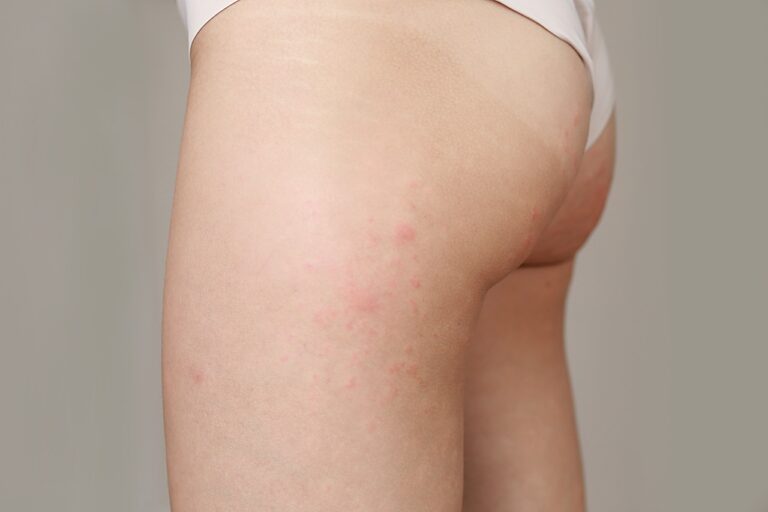
- Skin changes: Redness, warmth, or drainage may signal infection at the site.
- Systemic symptoms: Fever or general feeling of illness warrants prompt review.
Our staff will help you determine if a same-day visit is needed or if further imaging or intervention should be planned.
Preventing Fat Necrosis and Reducing Your Risk
While some cases of fat necrosis are not preventable, there are steps you can take to minimize your risk, particularly if you have a history of surgery, trauma, or injections.
How Patients Can Lower Their Risk
- Protect surgical sites: Avoid direct trauma or excessive manipulation in the weeks after liposuction, breast surgery, or other procedures.
- Maintain a healthy weight: Obesity increases the risk of fat necrosis, so maintaining a stable weight supports healthy healing.
- Monitor after injury: If you experience trauma, keep an eye on the area for changes and report any developing lumps to our team.
- Communicate concerns: Let our clinic know about symptoms or changes soon after they appear so we can guide next steps and evaluate if needed.
Keeping in close contact with our office helps ensure any new problems are addressed quickly. Our experience managing fat necrosis allows us to offer reassurance and prompt solutions when needed.
Supporting Fat Necrosis Patients at Every Step
Each case of fat necrosis presents unique questions and concerns. At the New York Liposuction Center, our team makes patient-centered care the cornerstone of treatment, from diagnosis through follow-up.
We understand the worry that comes with discovering a new lump, especially after surgery or trauma. By offering clear explanations, rapid diagnosis, and a range of tailored treatment options, our surgeons ensure you feel comfortable moving forward with the best care for your situation.
If you have noticed a new lump, have concerns after surgery, or need guidance about fat necrosis, we encourage you to contact the New York Liposuction Center. Our compassionate team will help you decide if evaluation, monitoring, or treatment is best for you, and support you through every stage of your care.