Cellulite affects people of all ages, body types, and lifestyles, and yet few topics in cosmetic medicine inspire as many questions or concerns. From the team at the New York Liposuction Center, we believe every patient deserves to understand the real facts about cellulite, not just the myths that often are talked about.
You may notice dimpling on your thighs or buttocks and wonder why it appears, what influences its severity, and what true options exist for smoothing and improving your skin. In this article, we will break down the common causes, clarify how body type impacts cellulite, and explain the options available to reduce cellulite appearance. As you read, we will share insights that help you see which approaches may suit your own goals best.
Key Takeaways
What Is Cellulite?
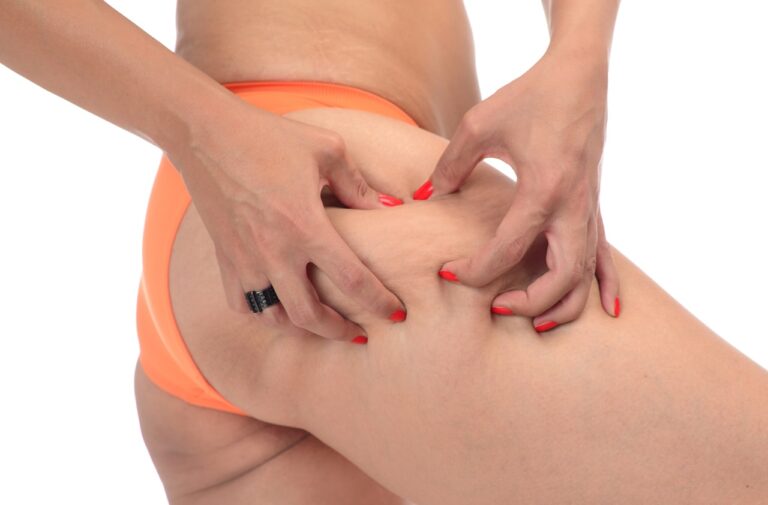
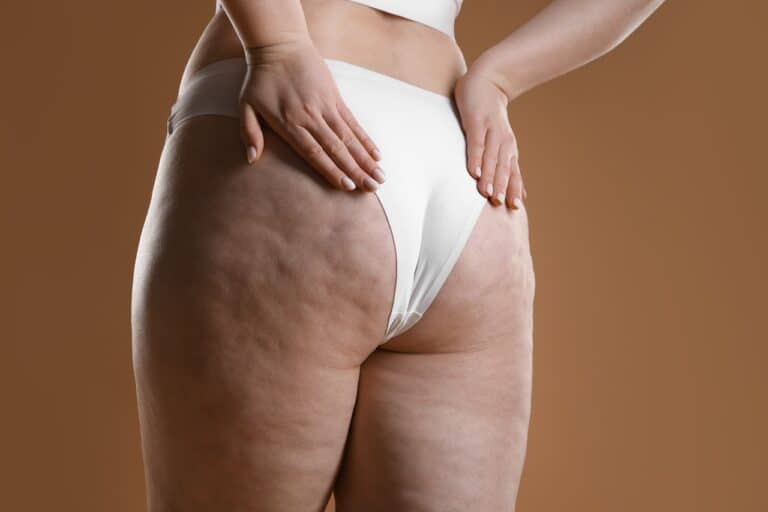
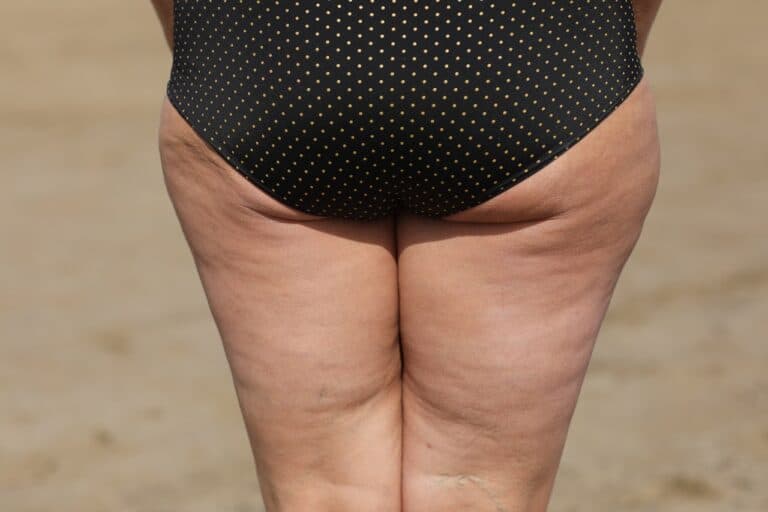
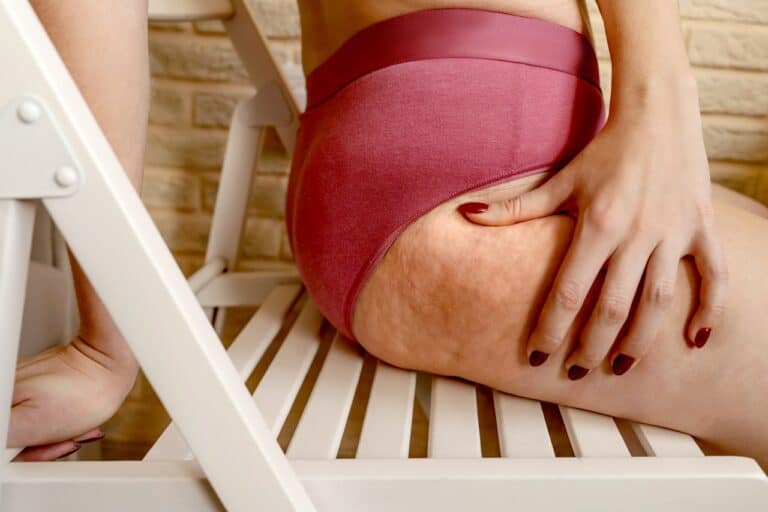
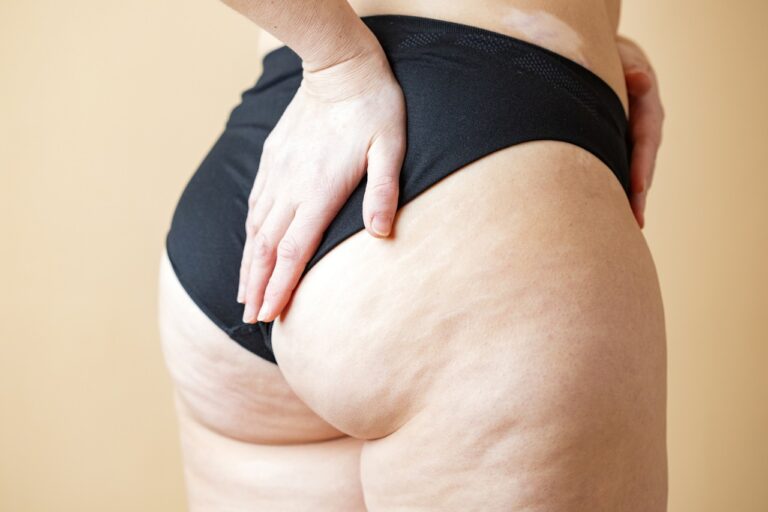
Cellulite shows itself as dimpled or lumpy skin, commonly on the thighs, buttocks, and sometimes the abdomen and arms. The texture can resemble orange peel or cottage cheese, which many people find frustrating.
Beneath the skin, this appearance results from the way fat deposits push against connective tissue bands called septae. When these bands pull down, and fat pushes upward, surface irregularities form. People with any body type or activity level can see cellulite, but the causes are complex and often misunderstood.
The True Causes of Cellulite
Understanding why cellulite forms helps clear up confusion about prevention and treatment. The condition involves multiple factors beneath the surface, not just fat accumulation.
Genetic Factors
Genetics plays a large role in whether cellulite develops and how pronounced it becomes. Specific genes influence skin structure, fat distribution, metabolism, and circulatory function. If close relatives have visible dimpling, the chances rise for future generations. However, genes do not guarantee a set outcome.
Hormonal Influences
Hormonal activity, especially involving estrogen, impacts the development of cellulite. Estrogen affects fat storage, collagen production, and blood flow, all relevant to the connective bands under the skin. Puberty, pregnancy, and menopause showcase how hormone shifts can influence cellulite’s onset or severity.
Connective Tissue Structure
Each person’s skin, fat, and connective tissue structure is unique and directly contributes to cellulite. The thickness of the skin, the strength and arrangement of septae, and the placement of fat lobules all interplay to form the classic dimples. Thinner skin or weaker bands can make the texture more pronounced.
Lifestyle and Behavioral Factors
While not the sole cause, lifestyle choices can affect how much cellulite is visible. This does not mean only people with certain habits develop cellulite, but the following can play a supporting role:
- Weight Fluctuations: Significant weight gains or losses can stretch or weaken connective tissues.
- Dietary Habits: High salt, processed foods, and low fiber diets may promote fluid retention and less skin elasticity.
- Smoking: Tobacco use reduces blood flow and impairs collagen production, making skin less resilient.
- Physical Activity: Low muscle tone and inactivity allow fat cells to press more against connective fibers.
Lifestyle interventions can support medical treatments, even if they cannot erase inherited factors.
How Body Type Impacts Cellulite
Patients often wonder if weight loss or muscle gain alone will fully resolve dimpling. The truth is, cellulite does not appear only in people with a higher body mass index. Instead, each body type comes with its own patterns that can influence the texture and appearance of skin.
Cellulite in Different Body Shapes
People often notice cellulite in areas where fat naturally collects based on their anatomy. For example, those with a pear-shaped body often see more dimpling on the hips and thighs. In contrast, individuals with an apple-shaped physique may observe cellulite on their abdomen and buttocks.
Lean Body Types
Many people with lower body fat percentages still notice cellulite, which comes as a surprise. Even in those with high physical fitness, cellulite in athletes can be highly noticeable because thin skin often reveals the underlying structural irregularities. Decreased collagen production with age can show these changes more, regardless of activity level.
We often see that cellulite in seniors becomes more noticeable as the skin thins and loses its underlying structural support.
Weight and Cellulite Correlation
Though excess body fat can worsen cellulite’s visibility, reducing total weight may not fully smooth the skin. When people lose significant weight, sometimes the remaining skin and connective tissue lack the elasticity to retract, making ripples remain or worsen. For this reason, patients at our center receive a detailed assessment before discussing solutions or setting realistic goals.
The Cellulite Grading Scale
Medical providers use a grading scale for cellulite to help evaluate severity, guide expectations, and track progress.
How Cellulite Is Graded
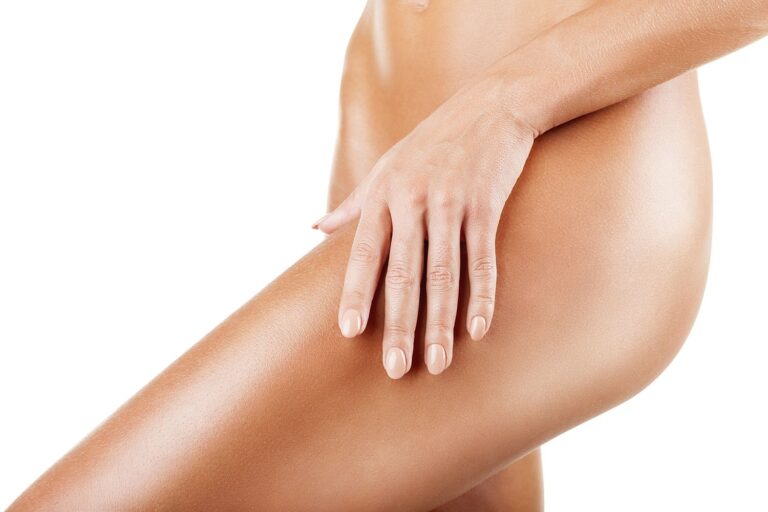
- Grade 0: No visible dimpling, even when compressing the skin.
- Grade 1: Dimpling appears only when compressing the area.
- Grade 2: Dimples show while standing but disappear when lying down.
- Grade 3: Dimples or nodules appear at all times, whether standing, sitting, or compressing the skin.
Discussing grade during a consultation ensures patients set expectations that match the degree of cellulite present.
Common Myths and Misconceptions
Widespread myths surround cellulite, making it difficult for patients to choose effective, realistic solutions. At the New York Liposuction Center, we encounter these misunderstandings daily.
Cellulite Is Only About Body Fat
This is untrue. Many thin or athletic individuals still experience dimpling, as the connective structure plays just as strong a role.
Only Women Get Cellulite
While women are affected more often due to differences in septae structure and fat storage, some men also develop cellulite. Male skin and connective tissue form more of a crisscross pattern, which is less likely to allow visible dimples.
Creams and Lotions Can Eliminate Cellulite
Topical treatments may hydrate skin, giving a temporary smoother look, but cannot change the structure beneath the skin. No cream penetrates deep enough to alter connective tissue or fat lobule organization.
Clearing up these misconceptions helps shift the focus to evidence-based options.
Evidence-Based Cellulite Treatments
Patients who ask about removing cellulite will discover many methods, with varying levels of effectiveness and longevity.
Each option comes with unique benefits, risks, and expected recovery. At our New York office, our surgeons recommend customizing a solution after a careful examination.
Nonsurgical Treatment Options
Nonsurgical methods can appeal especially to those preferring minimal downtime or less invasive approaches. Common treatments include:
- Radiofrequency Devices: These use gentle heat to stimulate collagen production, tighten skin, and remodel fat structures. Several sessions often yield progressive improvement.
- Laser Energy: Targeted lasers break up the connective bands and stimulate new collagen, which smooths dimples and firms the skin over time.
- Acoustic Wave Therapy: Also known as shockwave treatments, this method uses sound waves to improve circulation and may break up tight septae.
Patients often pair these procedures with healthy habits, since results depend on consistent treatment and gradual, ongoing improvement.
Minimally Invasive Cellulite Procedures
For more noticeable or persistent cellulite, minimally invasive treatments address deeper tissue or structural issues.
Subcision
Subcision procedures involve a specialized needle or blade to cut the fibrous septae, causing tethering. By releasing these bands, the skin surface lifts and becomes smoother. Recovery may involve some bruising, but most resume activity within days.
Injectable Treatments
Recently, the FDA approved injectables that dissolve stubborn septal bands with a series of tiny, targeted injections. Many patients see visible results in as little as three sessions, and effects last for months or longer.
Laser-Assisted Cellulite Reduction
Laser-assisted procedures such as Cellulaze use a fiber-optic laser under the skin to melt fat, release tension in septae, and thicken the dermis. This multi-pronged approach yields smoother skin and durable results, often after one treatment.
Our surgeons review these methods in detail during consultation, matching options to each patient’s needs and goals.
What to Expect from Cellulite Treatment
Patients naturally feel curious about what happens before, during, and after medical treatment for cellulite.
Pre-Treatment Assessment
Our surgeon performs a full medical review and skin evaluation before recommending a treatment plan. This helps rule out underlying conditions, assess skin elasticity, and ensure realistic expectations.
The Cellulite Treatment Process
Cellulite procedures vary depending on the chosen technique, but most treatments occur in a comfortable office setting. For minimally invasive solutions, patients receive local anesthesia to manage discomfort. Nonsurgical options, such as radiofrequency or laser, feel warm or tingly but remain tolerable.
Most treatments take under one hour. You can leave our office shortly after, though certain therapies may require a brief resting period before resuming normal activities.
Recovery and Risks
Recovery from nonsurgical cellulite treatments tends to be quick and mild. Some redness or sensitivity can occur, but usually fades within days.
Minimally invasive procedures like subcision or injectables may cause short-lived bruising or soreness. In rare cases, patients experience minor swelling or nodules. The vast majority return to work or exercise within a week.
Every intervention carries a small risk of side effects, so our team provides detailed aftercare instructions and support as you heal. Following all post-procedure guidance allows for a smoother and safer recovery.
Additional Ways to Support Smoother Skin
Combining professional treatments with healthy lifestyle adjustments can give more lasting results. Simple changes create a body environment less prone to pronounced dimpling.
Dietary Habits That Help Cellulite
Eating a diet rich in antioxidants, fiber, lean proteins, and essential fatty acids supports overall skin health. Staying hydrated supports elasticity and may reduce fluid buildup in fatty tissue.
Smart Exercise Choices
Regular physical activity builds muscle tone and increases circulation, both of which can enhance your skin’s appearance. Resistance exercises for the legs and buttocks especially target common areas where cellulite forms.
Skin Care Routines
Paying extra attention to topical skincare measures can improve texture temporarily. Using moisturizer, dry brushing to stimulate lymphatic flow, and sunscreen to protect collagen all contribute to smoother skin. While these approaches do not alter structure, they complement clinical interventions.
Who’s a Good Candidate for Cellulite Treatment?
Not every patient benefits equally from each solution available for cellulite. Several factors help determine which person sees the best results from a given treatment.
Factors Affecting Treatment Candidacy
- Cellulite Severity: Individuals with grade 2 or 3 cellulite often notice the most dramatic improvements after professional treatment.
- Skin Elasticity: Good skin tone and elasticity make it easier to achieve a smoother appearance with less risk of complications.
- General Health: Those without significant chronic conditions, and who are willing to follow aftercare guidelines, tend to heal more quickly.
- Expectations: Clear, realistic expectations about possible improvement help ensure satisfaction with results.
At the New York Liposuction Center, our surgeon partners with you to develop the right approach, factoring in goals and your unique anatomy.
Frequently Asked Questions About Cellulite Treatments
Many patients come to our New York office with questions about cost, risks, and results. These are among the most common questions addressed during consultation.
Proven Cellulite Solutions
Cellulite does not mean poor health or specific habits, and it appears on people of all ages and backgrounds. The variety of causes, from genetics to hormones to lifestyle, means every patient deserves a personalized approach.
Understanding the range of safe, effective treatment options gives you confidence to work toward smoother, more even skin. Whether you wish to explore advanced laser methods, nonsurgical improvements, or make positive changes in diet and exercise, you can shape a strategy that aligns with your goals.
For those considering advanced cellulite treatment in the New York area, our team at the New York Liposuction Center provides a detailed evaluation, customized plans, and the latest technology for visible, natural-appearing improvement. If you feel ready to take the next step or simply seek guidance about your options, we invite you to schedule a consultation. Our team is here to answer questions and help you move forward with clarity and assurance.