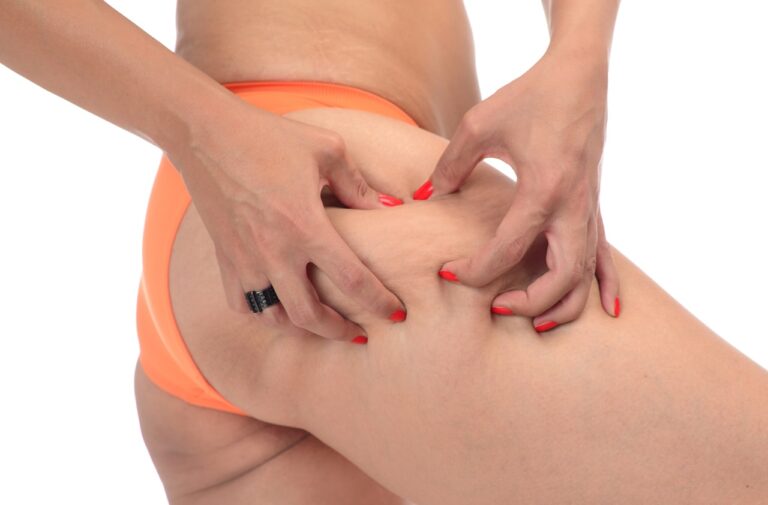
For so many who notice cellulite in the mirror, finding a treatment that works can feel frustrating.
At the New York Liposuction Center, we provide the real facts about cellulite and often hear questions about cell fat transfer as a choice for long-term smoothing of dimples and irregular skin texture.
Many are surprised to learn that fat transfer, though well known for facial and body sculpting, plays a promising role in addressing some forms of cellulite.
As you explore your options, it helps to understand how this process works, which patients benefit most, and what results to expect. This article unpacks everything you need to know before considering this approach for yourself.
Key Takeaways
What Is Fat Transfer for Cellulite?
Fat transfer for cellulite draws on a well-established surgical technique called autologous fat grafting.
Our surgeons use a patient’s own fat from one area of the body, process it, and then re-inject it into targeted regions where cellulite appears most pronounced. This method can fill in depressions or dimples, smoothing the skin’s texture and improving the overall contour.
While fat transfer cannot directly sever fibrous septae (bands beneath the skin that cause dimpling), it can lift and volumize skin in cellulite-prone areas. Results depend on proper patient selection, careful technique, and realistic expectations about improvement.
Cellular Mechanics: Why Fat Transfer Works
Cellulite forms when connective tissue bands pull skin down over underlying fat, creating uneven texture and visible dimples.
Inserting fat beneath the dimple can plump the area and mask irregularities. Although this approach does not address the fiber bands themselves, it smooths the surface in shallow or volume-deficient areas.
The newly placed fat cells must integrate with local tissue to survive, which is why technique and aftercare matter so much for your results.
Fat transfer also harnesses the body’s own regenerative and healing factors, as transplanted fat brings stem cells and growth molecules that may further improve skin texture over time.
The Step-by-Step Procedure
Fat transfer treatments rely on a precise, multi-stage process. Here we outline each major phase so you feel fully informed as you consider this option.
Step 1: Harvesting Donor Fat
First, our surgeon identifies suitable donor areas such as the abdomen, flanks, or thighs. After administering a local anesthetic, fat is gently removed by liposuction.
Special care during extraction minimizes trauma to the fat cells and preserves their vitality for grafting. Collected fat then undergoes a purification process to separate healthy fat from fluids and unwanted tissue.
Step 2: Processing and Preparing Fat
Once harvested, the fat is processed quickly and efficiently. We use filtering and centrifugation to separate and concentrate healthy fat cells.
Our approach removes blood, oil, and other substances that can impair fat survival or cause inflammation. The purified fat is then loaded into small, sterile syringes for meticulous reinjection.
Step 3: Injecting the Fat for Cellulite Treatment
Our surgeon injects the processed fat into areas of visible cellulite. Using fine cannulas, we layer tiny amounts of fat beneath the surface depressions.
Multiple pass techniques help to achieve seamless plumping and contour refinement.
The injected fat fills out irregularities from below, and our team often uses a careful feathering method to blend treated regions into untreated skin.
Step 4: Final Steps and Immediate Aftercare
Once the desired shape and volume are achieved, we gently massage the area to ensure even distribution.
Sterile dressings protect the sites and help minimize swelling or minor leaks. Patients receive thorough aftercare instructions to maximize fat retention and comfort.
Who Is an Ideal Candidate?
Choosing the right candidate is crucial for optimal outcomes. Not all cellulite can be improved through fat transfer, and individual characteristics play an important role.
Key Candidacy Factors
We determine suitability for this procedure based on several concrete criteria:
- Cellulite Severity: Patients with mild to moderate cellulite, especially those with atrophic or volume-deficiency type dimpling, respond best. Severe or fibrous cellulite may require different or additional treatments.
- Skin Quality: Skin with good elasticity achieves the most visible smoothing due to optimal adaptation to new contours after fat injection.
- Donor Fat Availability: Candidates need enough surplus fat in areas like the thighs or abdomen to supply material for transfer.
- Overall Health: Good candidates must not have severe circulatory disorders, uncontrolled diabetes, or infections in the treatment area.
Who May Not Benefit
Patients with severe, deeply tethered cellulite (high-grade) often possess dense connective tissue bands that fat transfer cannot adequately address. In such cases, methods that directly release these bands, such as subcision or laser treatments, may provide greater improvement.
A consultation at our clinic enables us to evaluate your anatomy and goals. This way, we can determine whether fat transfer aligns with your expectations and needs.
The Science Behind Cellulite and Fat Transfer
Understanding cellulite’s root causes clarifies how and why fat transfer may help.
Fibrous connective bands run vertically between the skin and deeper tissues, anchoring the skin and creating tension as fat cells push upward. This interplay produces classic dimpling.
While fat transfer cannot cut or dissolve these fibrous bands, it can restore lost volume and smooth out shallow depressions formed by thinning fat layers. By supporting the skin from beneath, transplanted fat diminishes the appearance of unevenness in select cases.
Cellulite also links to factors such as aging, hormonal changes, genetics, and overall fat distribution. We consider these variables when designing a safe and realistic treatment plan.
What Results Can You Expect?
Most patients report noticeable smoothing across treated cellulite sites after a single fat transfer session. However, expectations need to stay realistic as results vary by individual and cellulite severity.
Some patients see dramatic improvement in surface irregularity, while others notice moderate but pleasing softening in pitted areas.
Natural fat grafts typically last longer than synthetic fillers, because transferred fat can maintain itself as living tissue. About 60 to 80 percent of injected fat generally survives and remains stable for years, while some volume loss may occur as swelling subsides.
Final results become evident three to six months post-procedure, as surviving fat integrates fully. In some cases, a second session is needed to fine-tune results and address persistent irregularities.
Benefits and Drawbacks
Many patients ask about the advantages and limitations of treating cellulite with this method. Fat transfer provides unique benefits, but it is not a universal solution.
Here are the main factors to weigh when considering this approach:
- Natural Material: No synthetic fillers or foreign substances enter your body, which lowers allergy risk and supports long-term acceptance.
- Dual Benefit: The process contours donor sites while smoothing the treatment area, which many patients find appealing.
- Lasting Results: Living fat cells, once integrated, provide more durable improvement than temporary solutions and require less frequent upkeep.
- Limited Scope: Fat transfer addresses surface depressions but does not affect the underlying cause (fibrous septae), so results depend on cellulite type.
- Possible Need for Repeat Sessions: Volume loss sometimes requires a touch-up session if the initial fat does not fully persist.
- Not for All Grades: Patients with severe, fibrous cellulite or weak skin tone may find bigger improvement with alternative interventions.
Every procedure should align with your unique anatomy, concerns, and treatment goals. Our surgeon will guide you in selecting the most effective route.
Common Questions About Recovery and Safety
Patients value knowing what to expect during recovery and how safe this technique is overall. Below, we address the most important topics so you can plan confidently.
Typical Recovery Timeline
Most people experience some swelling, bruising, and mild discomfort in both the donor and recipient areas. These effects usually begin to subside in a few days, and most regular activities can resume within one to two weeks.
Bandages and support garments may speed healing and minimize shifting of newly placed fat. We encourage patients to avoid strenuous exercise and prolonged direct pressure on treated areas during the first two to three weeks.
Full visible improvement continues as swelling resolves and fat cells stabilize.
Safety Considerations
Fat transfer relies on your own tissue, so there is no risk of allergic reaction to foreign materials. Surgical risks remain low when skilled professionals perform the procedure in a certified facility.
Potential complications include minor infection, asymmetry, fat resorption, or uneven texture. Choosing an experienced team like ours at the New York Liposuction Center greatly reduces these risks.
Patients should remain alert for unusual swelling, redness, or pain and seek prompt evaluation if problems develop.
How Fat Transfer Compares to Other Cellulite Treatments
Exploring your options means comparing fat transfer to other solutions available for cellulite.
Below is a list that outlines the key differences between major treatment types.
Fat transfer stands out in specific ways, and understanding how it compares may help you make a more informed decision.
- Subcision: This minimally invasive procedure cuts the fibrous bands beneath cellulite and releases tethered skin, producing smoother contours in many cases. Fat transfer does not disrupt these bands, so combining both may work better for select patients.
- Injectable Fillers: Fillers such as collagen stimulators or hyaluronic acid injectables temporarily fill depressions but require repeat treatments as the body absorbs them. Fat transfer gives results that last longer and uses your own tissue.
- Laser or Energy-Based Devices: These use heat or other energy forms to break up connective tissue and stimulate collagen. They usually target superficial concerns and do not restore lost volume like fat transfer.
- Topical Treatments or Creams: Creams offer modest improvement and do not affect the structure underneath or replace volume. Fat transfer works below the surface and creates a more significant contour change.
Each method has pros and cons, and some patients benefit from custom plans that incorporate several techniques.
Preparing for Your Consultation and Procedure
A thoughtful, well-structured consultation maximizes safety and sets the stage for excellent results.
Our team ensures that every patient feels listened to and respected when discussing their goals with us.
We review your health history, expectations, previous procedures, and current medication use. If you seem like a good match for fat transfer, we outline the benefits, risks, likely outcomes, and alternative solutions.
Pre-procedure preparation includes:
- Disclosing all medications, herbs, or supplements that may increase bleeding risk
- Stopping nicotine or alcohol use before and after surgery to improve healing
- Arranging for someone to drive you home on the day of the procedure
Patients receive clear instructions on aftercare, including activity restrictions and strategies for increasing fat graft survival.
As always, our focus remains on your safety, your comfort, and optimizing the chances for smooth, even results.
Why Our Approach Matters
Fat transfer for cellulite presents technical challenges that demand expertise and attention to detail.
Many factors influence how injected fat survives and how natural the final contour appears. At our center, only highly trained surgeons evaluate, plan, and perform every step of the process.
Our approach uses careful extraction and handling of fat, precise placement, and advanced layering techniques for the smoothest possible result.
We also keep up with emerging research in cosmetic surgery to ensure all patients benefit from the latest advances.
Choosing an experienced team increases your chances of enjoying natural contours and a streamlined recovery process.
Restoring Smoothness and Confidence
Fat transfer stands out as a powerful, natural tool to soften selected types of cellulite and to provide smoother, more confident skin texture.
This approach addresses surface depressions by restoring volume from within, and can bring especially satisfying results when performed on the right candidate with skilled technique.
Every patient has a unique story, and treatments should always reflect your individual concerns and body. If you are ready to take the next step or just want to learn more about your options, the team at the New York Liposuction Center welcomes your questions.
You can schedule a personalized consultation with our surgeon to explore what fat transfer offers for you. Our commitment revolves around helping you feel more comfortable in your skin and guiding you thoughtfully along your aesthetic journey.