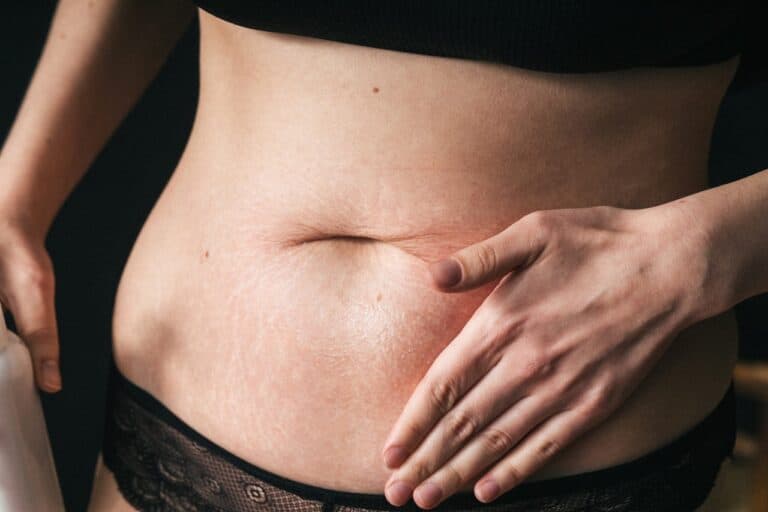
If you recently had liposuction or are thinking about a smoother recovery and longer-lasting results, nutrition plays a powerful role in the process. Many patients ask our team at the New York Liposuction Center about the ketogenic diet and if it can help maintain their new contours or support gentle healing after liposuction surgery.
A low-carbohydrate, high-fat ketogenic diet changes your body’s metabolism in ways that can affect your fat stores, energy, and even inflammation. As you read further, you will learn how this eating approach interacts with the healing period, what our surgeons recommend, and how you can make informed decisions for the best outcome after liposuction.
Key Takeaways

Understanding Liposuction Recovery and Metabolism
Liposuction removes localized fat deposits and reshapes targeted areas, but the healing period demands special care.
During recovery, your body switches into “repair mode.” In this phase, your metabolism changes as it focuses on wound healing, tissue regeneration, and reducing swelling.
Most patients notice fluid retention, bruising, and fatigue in the early weeks. These are normal responses as the body adjusts to surgical changes.
How Surgery Affects Your Body
When fat is removed, your body loses some of its energy storage and must recalibrate its internal balance. Recovery depends on adequate calories, especially protein, to rebuild tissue and support immune function.
Your metabolic rate can increase slightly as wounds heal and inflammation peaks, so energy needs may be temporarily higher than usual. Ignoring these signals or restricting food too early can risk delayed healing or weaker results.
The Role of Nutrition in Healing
Proper nutrition supplies essential building blocks for new tissue and supports a robust immune response. Vitamins, minerals, and a steady supply of protein play key roles in this process.
Patience during the initial weeks allows your body the time it needs to rest, repair, and adapt to your surgical changes.
What Is the Ketogenic Diet?
Many patients want to understand what sets the ketogenic diet apart from other eating strategies.
A ketogenic (“keto”) diet is a low-carbohydrate, high-fat, moderate-protein approach designed to shift your metabolism from burning carbohydrates to burning fat for fuel.
Traditional keto approaches typically keep total daily carbohydrate intake under 50 grams. This drop in carbs causes the liver to produce “ketone bodies,” which the body uses as an alternative source of energy.
Ketosis: The Body’s Fat-Burning State
In ketosis, insulin levels drop, and your body taps into stored fat for energy. For some, this can support fat loss, reduce appetite, and lower inflammation markers.
However, this metabolic state can also introduce new challenges after surgery if your body is not ready for rapid shifts in diet.
Common Foods on Keto
Keto diets focus on certain types of foods and nutrient sources:
- Healthy fats: Avocado, olive oil, coconut oil, fatty fish
- Protein sources: Eggs, poultry, beef, tofu, tempeh
- Low-carbohydrate vegetables: Spinach, zucchini, mushrooms, kale, broccoli
- Avoided items: Sugar, bread, pasta, rice, most fruit except berries
Strict tracking and close attention are necessary to enter and stay in ketosis. While keto can be safe for healthy individuals, post-surgery needs require extra supervision and modifications.
When Should You Start a Ketogenic Diet After Liposuction?
Patients often ask when it is appropriate to resume or start a ketogenic diet after their surgery. Our surgical team guides this decision based on your individual recovery and health profile.
In most cases, jumping straight into strict keto immediately after surgery may not be advised. Your body’s immediate priority involves tissue repair, not fat loss.
Early Post-Liposuction Diet (First 1-2 Weeks)
During the first days and weeks, your body needs abundant protein, complex carbohydrates, and hydration to fuel rapid healing. Complex carbs such as sweet potatoes, brown rice, or oatmeal provide gentle, sustained energy. We advise you to avoid extreme carbohydrate restriction until swelling goes down and baseline energy returns.
Adjusting Macros As You Heal
Once your incisions close and energy improves, our doctor can help you evaluate if transitioning to a lower-carb or ketogenic pattern makes sense. We often recommend a “modified keto” with slightly more protein and vegetables during the recovery phase. This supports tissue repair while gently acclimating your body to fat-fueled metabolism.
Everyone’s ideal timeline is different. Your personal health history, how you feel each day, and the details of your procedure all shape when this dietary approach becomes safe.
Potential Benefits of the Ketogenic Diet After Liposuction
Several possible benefits may motivate patients to consider a ketosis-based eating style post-lipo. While results can differ between individuals, research and patient experiences highlight these advantages.
Fat Loss Maintenance
Patients often discover that a ketogenic diet makes it easier to avoid regaining fat after surgery, especially since ketosis reduces hunger for many people. By using fat as your body’s main energy source, you may help protect your new shape.
Lower Inflammation
The high-fat, low-sugar combination of keto can help decrease inflammation markers in some individuals. This may ease swelling and discomfort once the initial recovery phase has passed and before you re-enter regular activity.
Stable Energy and Blood Sugar
Ketogenic diets yield steadier blood sugar levels, which means fewer energy crashes or intense cravings. This stability may help prevent overeating or resorting to empty-calorie snacks during recovery.
Long-Term Health and Metabolism
Some studies suggest keto can improve “metabolic flexibility” and help with cholesterol and triglyceride control. Long-term, this may support cardiovascular health for certain patients, especially those struggling with insulin resistance.
Not every patient achieves these same benefits, so our surgical team works closely to track progress and adjust the dietary plan as needed.
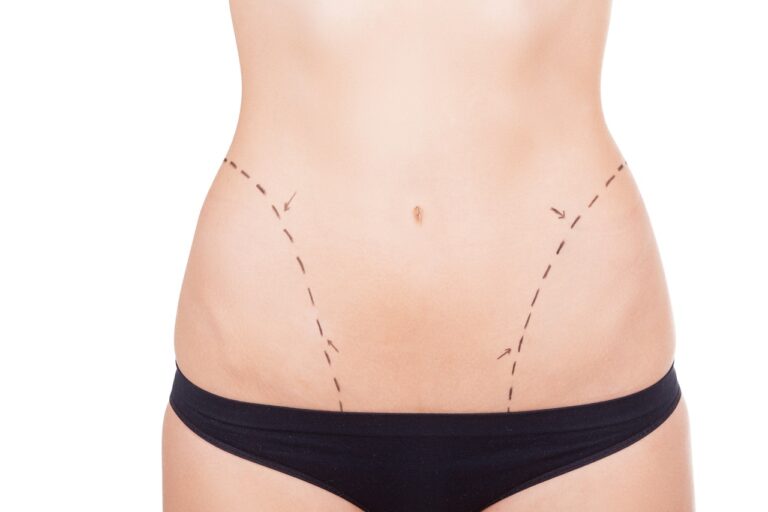
Possible Risks and Complications of Keto After Surgery
While many people thrive with a well-planned ketogenic diet, surgery temporarily changes your nutritional and metabolic needs.
Before starting, our doctors assess risk factors such as age and kidney function. This is particularly important when considering liposuction for older adults, as the metabolic demands of ketosis must be carefully balanced with the body’s primary need for surgical repair. You should be aware of the possible downsides of starting keto too early after your procedure.
Risk of Delayed Healing
Starting a strict low-carb diet before your wounds have healed can deprive your body of the carbohydrates necessary for cell repair and collagen production. This may slow the closure of incisions or increase the risk of infection.
Fatigue and “Keto Flu”
Your energy levels may dip significantly as your body adjusts to burning fat instead of carbohydrates. Some patients experience headaches, weak muscles, nausea, or irritability during the adaptation phase, often referred to as “keto flu.”
Electrolyte Imbalance
Keto increases fluid loss and the excretion of sodium, potassium, and magnesium. After any surgical procedure, your needs for these minerals often shift, and imbalances can cause muscle cramps or even cardiac irregularities if not monitored closely.
Digestive Upset
A sudden increase in fats or a large drop in fiber can disrupt your digestive system. Our team helps patients avoid these pitfalls through gradual dietary shifts and careful food selection.
Our surgeon recommends returning for post-op visits and discussing any dietary issues that arise during your recovery so adjustments can be made early.
Building a Safe Ketogenic Meal Plan After Liposuction
After your body has started recovering, building a ketogenic meal plan requires thoughtful planning and flexibility. Patients benefit from medical guidance to design meals that balance healing with lasting results.
Focusing on Healing First
The first priority should always be foods that support wound healing and immune function. Ample protein, iron, and vitamins A, C, and zinc are all important. After your surgeon clears you to move forward, gradually lower processed carbohydrates and shift toward healthy fats.
Choosing the Right Fats
Not all dietary fats are equal. Our surgical team emphasizes the healthiest oils and whole foods, which may help your cardiovascular system and reduce inflammation.
Examples include:
- Avocados and their oil
- Extra virgin olive oil
- Fatty fish such as salmon and sardines
- Small portions of nuts, seeds, and nut butters
Saturated fats from red meat and processed spreads can be part of your diet in moderation, but aim to choose a mix of plant and animal sources.
Protein and Vegetables
Skinless poultry, eggs, tofu, tempeh, and fish deliver the amino acids your tissues crave. Low-starch vegetables like leafy greens, broccoli, asparagus, and bell peppers add fiber, micronutrients, and variety.
Balance is key. Avoid overloading on fats at the expense of protein and vegetables.
Meal Timing and Portion Sizes
Small, frequent meals prevent your energy from dipping and provide a steady stream of healing nutrients. Listen to your appetite cues, but stay mindful that many people feel less hungry on keto, so you may need to plan snacks at regular intervals.
Supplements and Special Considerations on Keto
A ketogenic diet changes your micronutrient requirements. After surgery, you may need extra support to keep your balance steady and avoid deficiencies.
Here is a helpful overview of supplements and adjustments we often discuss with post-liposuction patients considering keto:
- Electrolytes: Sodium, potassium, and magnesium levels often drop after liposuction and on ketogenic diets, putting you at risk for muscle cramps or irregular heartbeat. Adding an electrolyte supplement or specific foods may be necessary.
- Multivitamins: Healing places extra demands on your body, and ketosis can reduce your intake of fruits and whole grains. A complete multivitamin helps ensure you meet all your vitamin and mineral needs.
- Omega-3 fatty acids: Most patients do not eat enough fatty fish, but omega-3s from fish oil or algae supplements may further lower inflammation and support recovery.
- Vitamin C and zinc: Both nutrients contribute to tissue repair and immune function. Keto-friendly sources include leafy greens, seeds, and low-carb berries.
Supplements must support your recovery rather than replace healthy food choices, so we always tailor recommendations to your medical background.
Medical Monitoring and Regular Follow-Ups
While a ketogenic diet may support certain goals after liposuction, it works best alongside structured medical supervision. Our doctor schedules regular follow-ups with patients who choose low-carb diets after surgery.
Regular appointments allow us to:
- Assess healing progress: Our surgeon can check for proper incision closure, swelling levels, and any signs of complications that may need dietary adjustments.
- Track weight and metabolic markers: We monitor your weight, ketone levels if needed, and blood tests for electrolytes and cholesterol to ensure your plan is beneficial.
- Adjust your eating plan: As you recover, our team updates your macros, suggests new foods to try, and addresses any issues with appetite, hydration, or digestion.
- Offer motivation and education: Recovery can be stressful. Ongoing connections help you stay informed, motivated, and confident with your nutrition plan.
Patients see the best results from a ketogenic diet when their eating choices remain individualized. Comprehensive liposuction aftercare involves monitoring these nutritional shifts to ensure they support, rather than hinder, your aesthetic journey.
The Ketogenic Diet for Long-Term Liposuction Results
Patients at the New York Liposuction Center often want to know how to keep their new shape after recovery. Long-term diet plays a leading role, no matter your preferred style of eating.
Maintaining Your Results
Even though liposuction removes fat cells permanently, weight regain remains possible if calorie intake consistently exceeds your body’s needs. A ketogenic diet can assist some patients with appetite management and fat maintenance, especially when used mindfully.
Ongoing attention to your nutrition, activity, and hydration safeguards your results for the years ahead. Patients who focus on a healthy routine rather than a temporary “diet” are more likely to keep their contours stable over time.
Avoiding “Rebound Weight Gain”
Strict eating plans that feel too restrictive or ignore your personal preferences often backfire. As your surgical site fully heals, our team recommends an adaptable keto approach, allowing higher carbohydrate intake on especially active days or special occasions.
Many patients benefit from a Mediterranean-style “keto” diet, which incorporates more vegetables, olive oil, lean proteins, and even small fruit portions, while limiting simple sugars and refined grains.
Setting Realistic Expectations
The ketogenic diet is not a guarantee against all fat regain. Factors like genetics, hormones, stress, and sleep play a part. Success hinges on combining healthy eating with regular activity, sound sleep, and stress management.
For this reason, our surgeon keeps the conversation personal and practical rather than promising radical, one-size-fits-all solutions.
Preparing for Success: Transitioning to Keto After Liposuction
For those interested in adopting the ketogenic approach after their procedure, proper preparation makes all the difference.
Our surgical team suggests these steps for the smoothest transition:
- Consult with your surgeon: Do not make major dietary changes until cleared by your doctor. Healing comes first, and our team can recommend the safest timeline.
- Plan your pantry: Stock your kitchen with fresh, whole foods rich in healthy fats and proteins. Identify a few keto-friendly meals and snacks you actually enjoy.
- Track your progress: Pay close attention to energy, mood, and gastrointestinal comfort. Any sudden changes should be reported during your follow-up visits.
- Hydrate, hydrate, hydrate: Both liposuction recovery and ketosis increase water loss, so make sure you drink throughout the day.
- Lean on support: Making shifts in eating style can be easier with help. Our office staff, nutritionist referrals, and digital tools can all provide useful guidance and accountability.
Most importantly, remain patient as your body heals and adapts. Your effort during these early weeks sets the foundation for long-term health.

Nutritional Pitfalls and How to Avoid Them
Some patients feel overwhelmed by the rules of the ketogenic diet, especially when recovering from surgery. With detailed planning and professional supervision, you can steer clear of common mistakes.
Limit highly processed “keto” snacks, which may seem convenient but can lack key nutrients and contain unhealthy additives. Prioritize nutrient-dense, whole food sources in your daily meals.
People sometimes unintentionally eat too little fiber, which may cause constipation and impact recovery. Add more low-carb vegetables such as spinach, cauliflower, and zucchini, and drink plenty of fluids every day.
Above all else, avoid dramatic calorie restriction, as this can undermine your healing, cause fatigue, and diminish your surgical results.
Ensuring a Smooth Transition: Our Final Thoughts
Liposuction marks an exciting new chapter in reshaping your silhouette. Nutrition choices, particularly a ketogenic diet, can influence both your recovery and your long-term results when managed wisely with support from your surgical team.
As you emerge from the early phases of recovery, focus first on giving your body the protein, vitamins, and hydration it needs. If you are considering a ketogenic diet, work with our surgeon to introduce changes gradually and monitor your progress closely.
Optimal results after liposuction combine thoughtful nutrition, gentle activity, and ongoing medical care. If you have any questions or want personalized guidance on transitioning to keto after surgery, our team at the New York Liposuction Center welcomes your call or visit. Reach out today to schedule a consultation, and let us help you plan your most confident path forward.