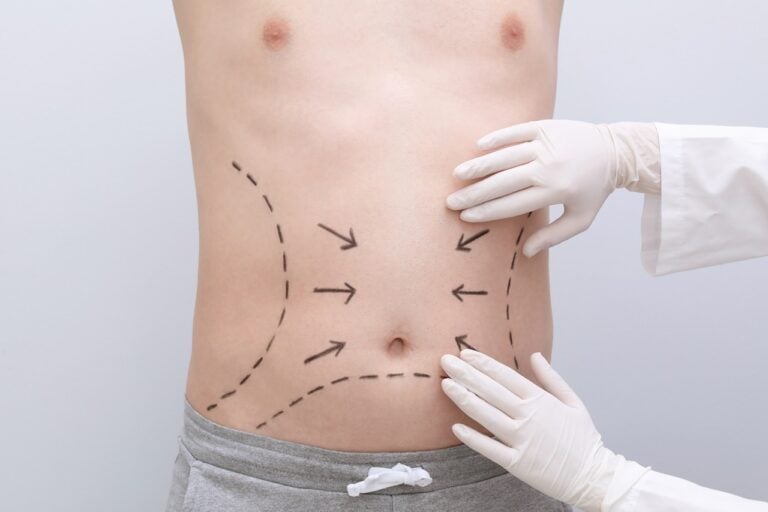
Our surgeons at the New York Liposuction Center understand that liposuction brings great excitement about body changes, but every procedure can come with unique challenges. If you are preparing for or recovering from liposuction, you may notice unexpected firmness or irregularity beneath the skin that raises new questions about your healing journey.
Fibrosis after liposuction is one of the most common reasons patients return to our practice for reassurance or treatment advice. This guide covers what this condition means, why it happens, what signs to look for, and the proven steps our surgical team recommends to help your results look and feel their best.
Let’s explore what fibrosis really involves, from early warning signs to recovery strategies and when additional support may become necessary.
Key Takeaways
What Is Fibrosis After Liposuction?
Understanding what fibrosis means in the context of body contouring will set a solid foundation for recognizing and managing the condition effectively.
Fibrosis refers to an overgrowth of dense scar tissue that forms beneath the skin, usually within the fat layer. After liposuction, this response happens when the body heals somewhat aggressively, sending an excess of collagen to the area.
Most patients develop some scar tissue internally, which is a normal part of healing. However, in fibrosis, this tissue forms in ways that can feel thicker, harder, or more “rope-like” than typical.
Typical Presentation in Patients
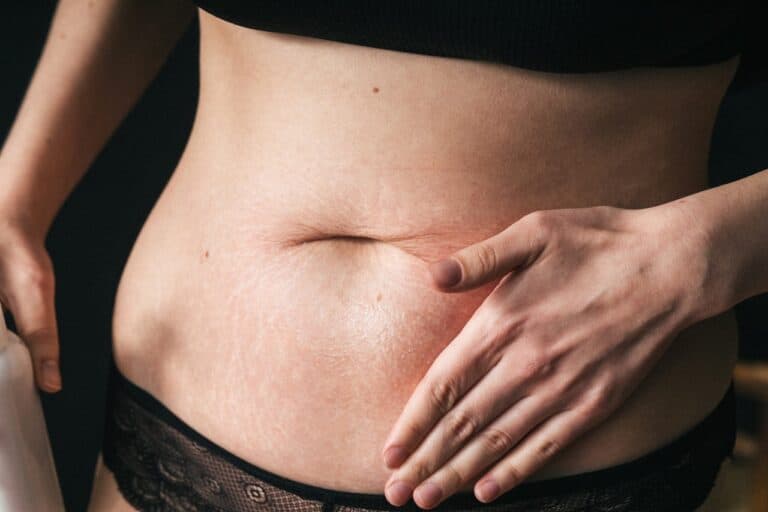
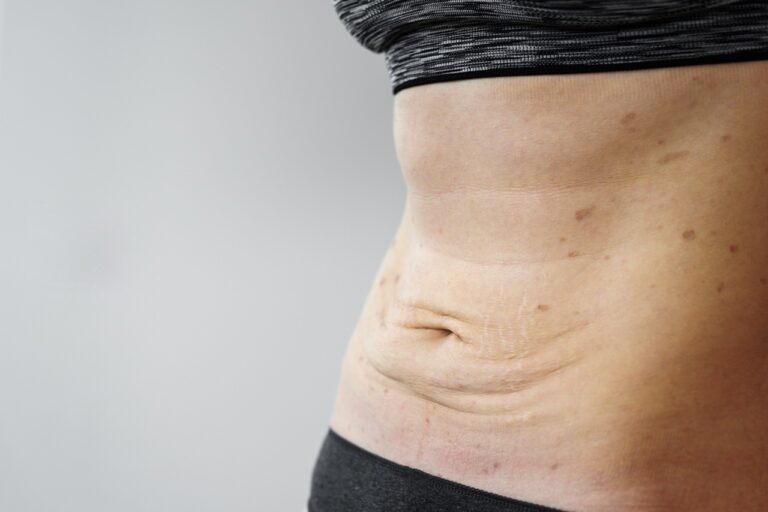
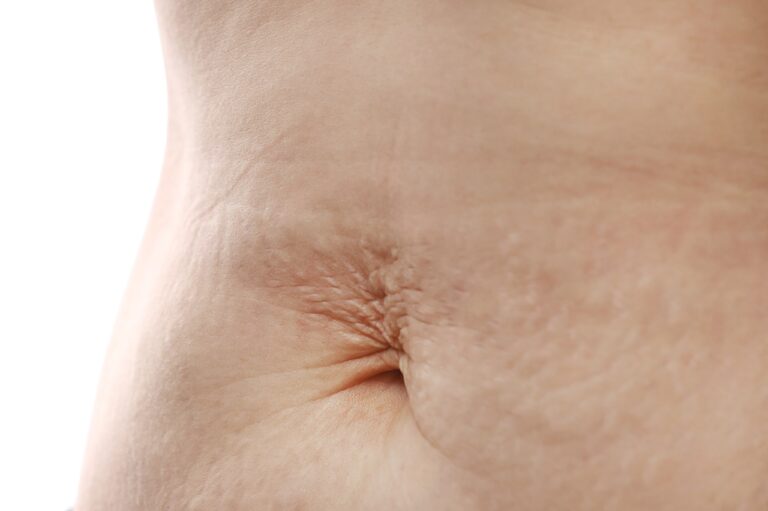
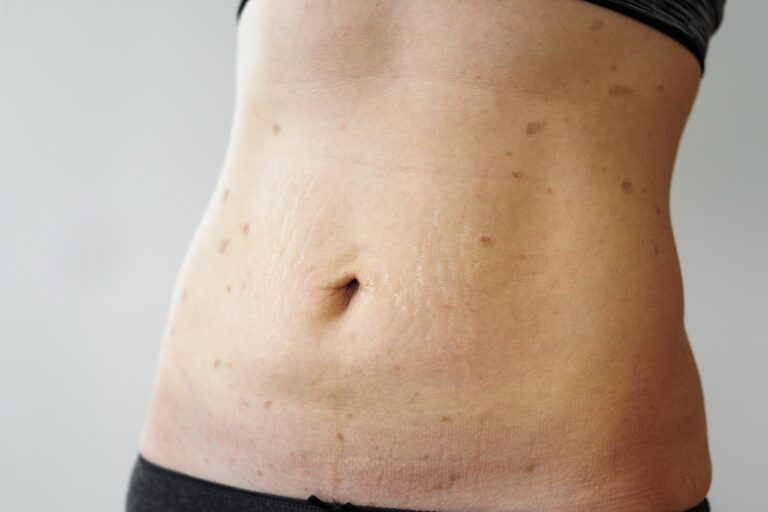
Patients usually notice areas that feel particularly firm, lumpy, or even tight compared to the rest of their treated site. These zones can also appear raised or create visible irregularities at the skin’s surface.
While some firmness after surgery is normal, true post-liposuction fibrosis often persists longer than a few weeks and does not soften as swelling subsides.
Recognizing the difference between early swelling and evolving fibrosis can help guide your response and next steps.
How and Why Does Fibrosis Develop After Liposuction?
This section will clarify the bodily processes that set the stage for fibrosis and highlight the most significant risk factors.
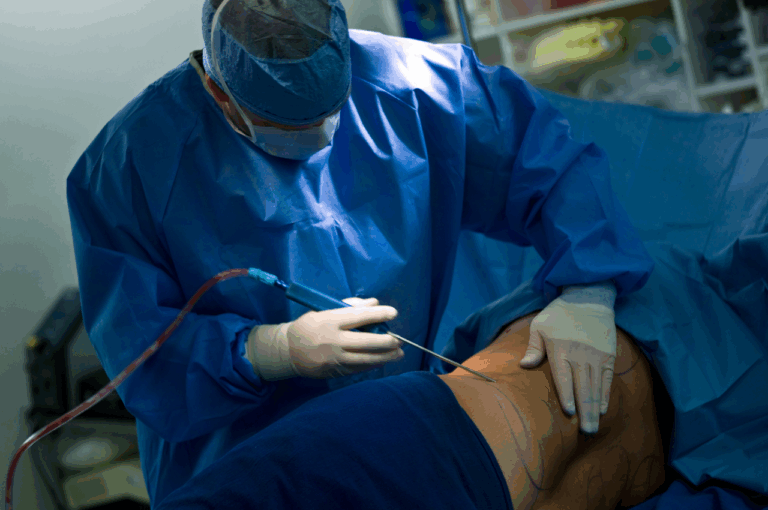
Liposuction involves removing fat through small cannulas placed beneath the skin. As the body rebuilds its tissues, a normal healing response replaces empty spaces with soft, flexible tissue. Sometimes, however, the healing process becomes “overactive”, resulting in a fibrous, corded, or nodular scar.
While this response serves to stabilize the tissue, too much collagen can stiffen the treated area, which leaves it feeling less natural.
Key Factors That Influence Risk
1. Patient-Specific Factors
Some bodies respond to trauma with more aggressive tissue-building than others. Genetic factors, age, skin quality, and lifestyle habits all influence scar risk.
2. Surgical Technique
Our surgical approach emphasizes gentle tissue handling and even fat removal to reduce unnecessary trauma. More aggressive suction, deeper contours, or uneven technique can increase fibrosis risk.
3. Aftercare and Recovery
Recovery behaviors strongly affect fibrosis risk. It is essential to learn how to prevent liposuction setbacks by avoiding strenuous activity or smoking, as these choices directly influence whether your body heals smoothly or develops excess fibrous tissue.
Knowing what puts you at greater risk allows for earlier intervention and a more supportive approach to healing.
Signs and Symptoms of Post-Liposuction Fibrosis
Identifying fibrosis as early as possible can make management much easier and more effective. Learning what to watch for helps set realistic expectations and prompts swift action.
Early Indicators
Many patients first notice a developing firmness or hard spot under the skin several days or weeks after liposuction. The area may feel less pliable or “springy” than the surrounding tissue.
Some patients report a sensation that skin remains tethered, uncomfortable, or less mobile. Others see cord-like bands or irregular surface textures that don’t resolve when swelling recedes.
Later Development of Symptoms
If fibrosis sets in, tissue may continue to harden over weeks. Lumps can form and seem organized along the path of the cannula, and skin may look uneven or even slightly puckered.
While discomfort often diminishes over time, the dense tissue might restrict movement or prevent the area from achieving a naturally soft look.
Addressing these symptoms early, before the fibrous tissue “matures”, can help restore a smoother result.
What Causes Increased Fibrosis Risk?
Many patients want to know why some people develop fibrosis while others recover with barely any noticeable firmness. Several key variables shape the risk profile for every individual, and understanding them can guide both prevention and care.
Below, we have outlined the most influential causes associated with increased fibrosis risk after liposuction.
- Genetic Tendency: Some individuals naturally create more scar tissue as part of their healing process, especially those prone to keloids or thickened scars after other injuries.
- Extent of Surgery: Larger-volume liposuction, multiple body areas, or complex revision treatments increase the tissue trauma involved and can provoke greater scarring.
- Aggressiveness of Technique: More pronounced suction, inadequate soft tissue protection, or inexperienced technique heightens the chance of excess fibrous reaction.
- Compression Habits: Skipping or wearing an ill-fitting compression garment during recovery allows fluid accumulation and chaotic tissue healing, both of which can lead to scarring.
- Delayed Mobilization: Waiting too long to resume gentle movement may allow scar fibers to consolidate and restrict fluid flow, which can encourage cord-like bands.
Each of these factors works together to shape how the body heals. A single variable may not determine risk, but many patients experience multiple influences at once.
Reviewing this information with our surgeon before liposuction can help reduce your personal risk of fibrosis, and if you notice early signs, we can tailor your prevention plan promptly.
Diagnosing and Evaluating Fibrosis
Recognizing and accurately diagnosing fibrosis after liposuction allows our team to match the right solution to your needs.
Clinical Assessment
At the New York Liposuction Center, our surgeon begins by listening to your concerns and examining the treated area in person. Careful palpation of the skin and subcutaneous tissue helps us assess the amount and distribution of any firm or irregular areas.
Our team looks for key characteristics such as firmness, “banding,” nodularity, and alignment with cannula entry points that suggest excessive collagen deposition.
Differentiating Fibrosis from Other Conditions
Not every post-liposuction change suggests fibrosis. During your follow-up, our team works to rule out more serious complications after liposuction, such as seromas or infections, which may mimic the appearance of early fibrous lumps. In rare cases, imaging such as ultrasound assists if the diagnosis remains uncertain.
A clear diagnosis helps avoid unnecessary worry and ensures our treatment plan targets the root cause.
Techniques and Strategies to Prevent Fibrosis
Our approach to prevention extends well before the surgery date. We guide patients through a combination of proven strategies that encourage even, natural healing and limit the risk of dense, unwanted scar tissue.
What We Do During Surgery
Our surgical team always prioritizes gentle techniques that minimize unnecessary trauma to surrounding tissues. Using appropriate cannula sizes, not overworking a single area, and staying mindful of the natural tissue planes form the foundation of our approach.
By preserving as much healthy connective tissue as possible, we help patient bodies heal in a softer and more controlled way.
Early Postoperative Interventions
In the recovery period, we recommend a consistent plan that supports healthy internal healing:
- Gentle, early movement as soon as our doctor approves this, which stimulates blood flow and lymphatic drainage
- Correct and consistent use of a medical-grade compression garment to guide swelling reduction and prevent fluid build-up
- Beginning prescribed lymphatic massage on schedule, in some cases as soon as a few days after surgery
Combined, these interventions help your body form softer, more even tissue, while also addressing minor firmness before it matures into true fibrosis.
Symptoms That May Signal the Need for Additional Attention
Recognizing when firmness is a normal part of healing versus a sign that fibrosis is developing is crucial to managing expectations and timing intervention.
Persistent hard areas, visible surface changes lasting more than four weeks, or bands that interfere with daily activity are reasons patients return to our office. If discomfort becomes notable or if the area seems to be worsening rather than gradually softening, this may signal a need for a professional evaluation.
Our surgeon will always encourage patients to reach out promptly for reassurance, as early attention often produces smoother final outcomes.
Treatment Options for Fibrosis After Liposuction
Once fibrosis emerges, several management options exist to restore a more natural contour and feel to the affected tissue. Most approaches begin conservatively, reserving procedural options for persistent cases.
Nonsurgical Treatment Modalities
Patients achieve good results with the following interventions, especially if started early.
- Manual Lymphatic Drainage (MLD): This specialized massage technique targets fluid buildup, relieves pressure, and helps break down fibrous bands for softer tissue over time.
- Deep Tissue Massage: Strategic, professional massage at precise intervals mobilizes collagen and encourages even remodeling. Our team sometimes trains patients or their therapists on safe techniques tailored to their anatomy.
- Topical and Injectable Medications: In select cases, enzyme creams or corticosteroid injections help break up or soften areas of excessive scar tissue.
- Physical Therapy: Prescribed movement and stretching can maintain optimal suppleness while avoiding recurrence of bands or stiffness.
When Minimally Invasive Procedures May Be Necessary
Very rarely, mature fibrosis that resists conservative therapies may call for a truly targeted procedural approach.
In these circumstances, our doctor may recommend minimally invasive scar release, subcision using a microcannula, or a secondary liposuction revision to smooth particularly stubborn bands. Our practice individualizes this plan for effectiveness and safety.
Early and persistent treatment greatly reduces the likelihood that you will ever require additional surgery for fibrosis.
What to Expect During Recovery if Fibrosis Occurs
The journey through post-liposuction recovery varies from person to person. Most patients who develop fibrosis still achieve a good aesthetic result, especially when the right management steps are followed.
Timeline of Fibrosis and Healing
Fibrosis usually appears between two and six weeks after surgery. When addressed early, most patients notice a gradual softening of the area over weeks to months. The tissue often remodels continuously for up to a year as your body refines its result.
Some mild irregularity may persist for a while, but diligent aftercare and periodic check-ins at our NYC office help ensure that your outcome continues to improve.
Possible Long-Term Effects
Fibrosis that is not managed promptly may occasionally leave persistent lumps, dents, or cord-like indentations. These changes usually improve with time, but a small subset of patients benefit from procedural correction. Utilizing medical-grade silicone or specialized massage can help your liposuction scar improve both internally and at the surface, ensuring a more seamless aesthetic result.
Keeping in close touch with our surgical team and attending scheduled follow-up visits allows us to guide your recovery, make adjustments, and deliver reassurance when needed most.
Tips Patients Can Use to Support Healing at Home
Patients seeking to optimize healing and minimize the risk of fibrosis can take several proactive, doctor-approved steps during their recovery. Supportive habits and routines after surgery can make a major difference in how smoothly tissue remodels and softens.
Here is a list of practical, home-based strategies that our team recommends:
- Adhere to the Compression Plan: Wear prescribed compression consistently, as instructed. This step decreases swelling and guides tissue to heal in a smooth, organized way.
- Begin Lymphatic Massage Early: Follow our advice on gentle lymphatic massage and continue at the recommended frequency to promote circulation and minimize abnormal scar formation.
- Stay Active Within Limits: Gentle walks and movement tasks, even early on, keep blood flowing and help prevent stiff, poorly integrated scar tissue.
- Maintain Healthy Hydration and Nutrition: Eating balanced meals and drinking sufficient water support optimal cell function and tissue repair over the weeks ahead.
- Record and Report Symptoms: Keep notes on any new changes in texture, tenderness, or appearance. Reporting concerning signs early gives our team the best chance to intervene with timely guidance.
Patients who stay proactive with recovery often notice more consistent softening and a smoother final result. Communication and trust between patient and surgeon yield the best possible healing trajectory.
Guidance on Revisional Procedures for Severe Fibrosis
Although most cases of fibrosis resolve with conservative measures, a very small subset of patients develop mature, persistent bands that do not respond to standard therapy.
When this occurs, revisional surgery or minimally invasive interventions may become necessary. Our surgeon at the New York Liposuction Center approaches each case individually, with a strong emphasis on the gentlest, least intrusive correction possible.
Common approaches include minor fat grafting, scar band release with specialized tools, or strategic contour correction along the affected planes. Results improve substantially in most cases, although our team remains transparent about the risks and realistic timeframes for seeing improvement.
Patients benefit from a detailed consultation to weigh options and to define goals, because every case of fibrosis has unique features.
When to Contact Our Surgeon for Support
Open communication with our surgical team supports better results, and we encourage patients to stay alert for certain signs that merit prompt attention.
Telltale indicators for communication include persistent lumps or bands, visible surface irregularity lasting six weeks or more, rare worsening discomfort, or any feeling that the area restricts natural movement. Our NYC office offers timely reassessment and a clear action plan to respond rapidly if concerns arise.
Never hesitate to contact us during recovery if uncertainty or anxiety develops. Addressing signs early means a faster, more complete return to softness and confidence.
Fibrosis After Liposuction Recovery Journey
The healing process after liposuction can be complex, and developing fibrosis presents one of the most frustrating bumps along the way. Yet, with our team’s guidance, most patients achieve a satisfying return to natural softness and comfort.
By watching for early signs, following your aftercare plan closely, and staying connected with your surgeon, you maximize both safety and satisfaction with your results. Timely massage, compression, and healthy lifestyle choices all offer proven value for curbing unwanted scar tissue.
If firmness, cord-like bands, or long-lasting irregularity arise during your recovery, the New York Liposuction Center stands ready to help. Schedule a consultation with our team to discuss symptoms, set your mind at ease, and discover the steps that support your healing journey and body confidence.