If you are considering sculpting your body to achieve a slimmer, more balanced figure, you have come to the right place. Many people visit us at the New York Liposuction Center each year with questions about shaping stubborn areas that remain unchanged despite diet and exercise.
Understanding how liposuction works can empower you to make informed choices about your health and appearance. In this article, we will walk you through every aspect of the liposuction process, from candidacy and techniques to recovery and results.
Key Takeaways
- Liposuction targets stubborn fat: This procedure permanently removes fat cells from areas that do not respond to lifestyle changes.
- Not a weight loss solution: Liposuction sculpts your shape but does not serve as an alternative to achieving a healthy weight.
- Multiple techniques exist: There are several types of liposuction, each with distinct advantages and ideal uses.
- Candidacy matters: Good candidates have localized fat deposits, healthy skin, and realistic expectations.
- Recovery involves downtime: Most patients return to work within a week, but swelling and soreness can last several weeks.
- Results are long-lasting: Fat cells removed by liposuction do not grow back, but maintaining your results requires a healthy lifestyle.
- Consultation is essential: A thorough consultation allows you to set goals and develop a safe, customized treatment plan.
What Is Liposuction?
Liposuction is a surgical procedure designed to remove localized pockets of fat from specific areas of the body. Patients often seek liposuction for the abdomen, thighs, arms, back, neck, or other regions that resist traditional weight-loss methods.
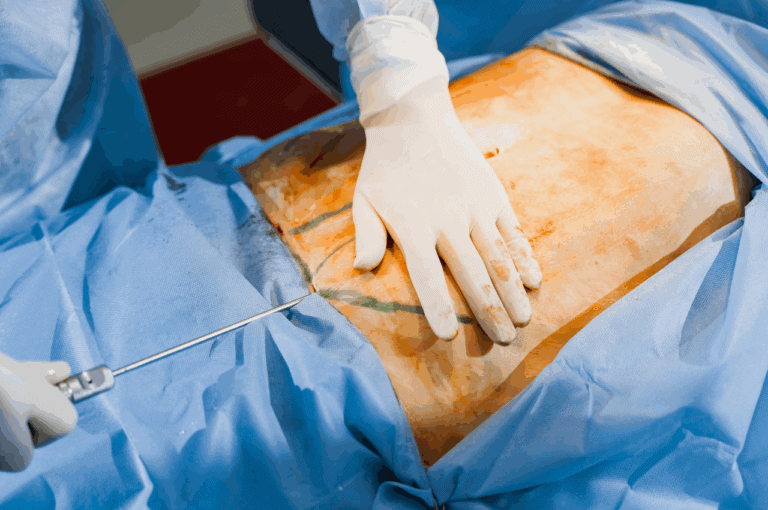
At its core, liposuction works by suctioning out subcutaneous fat through small incisions using a specialized instrument called a cannula. The fat cells are physically broken up and removed during the process, making the change permanent in the treated region.
The main goal of liposuction is body contouring, not weight loss. Surgeons use precise techniques to create more defined, proportional body contours that align with your cosmetic goals.
Who Is a Good Candidate for Liposuction?
Liposuction is not for everyone. It works best for people who are near their ideal body weight but have persistent areas of fat.
Factors That Make a Good Candidate
You might benefit from liposuction if you:
- Have localized deposits of fat that do not respond to diet or exercise
- Possess good skin elasticity and muscle tone in the treatment areas
- Are in good overall health, with no major medical conditions affecting healing
- Do not smoke or are able to quit prior to the procedure
- Maintain realistic expectations about outcomes
Having good skin quality is important. This helps your body adapt after the fat removal, minimizing loose or sagging skin.
Who Is Not an Ideal Candidate
Liposuction is not intended for weight loss or treatment of obesity. People with poor skin quality, significant medical problems, or unrealistic expectations may not see optimal results.
If you have uncontrolled diabetes, blood clotting disorders, or take medications that affect surgery and healing, discuss these factors with your surgeon during your consultation. Addressing any health challenges first will ensure a safer experience.
Types of Liposuction Techniques
Modern liposuction has evolved to include several techniques. Surgeons can tailor your procedure to your needs and body type.
Common Liposuction Methods
Here are some of the main methods our surgeons use at the New York Liposuction Center:
- Tumescent Liposuction: Surgeons inject a solution of saline, lidocaine, and epinephrine into the treatment area. This fluid helps numb the area, reduce bleeding, and make fat removal easier.
- Ultrasound-Assisted Liposuction: This technique uses ultrasonic waves to break up fat cells before removal. It is often used for denser or fibrous fat, such as in the back or male chest.
- Laser-Assisted Liposuction (SmartLipo): A laser fiber delivers energy inside the tissue, liquefying fat cells so they are easier to remove with less trauma.
- Power-Assisted Liposuction: This method uses a rapidly vibrating cannula that reduces manual effort and can enhance precision, especially in larger-volume procedures.
Some techniques work better in specific areas or for certain body types. In your consultation, you will discuss which approach matches your needs and expectations.
What Happens During a Liposuction Procedure?
The entire process from start to finish involves several key steps. Understanding the treatment day can help you feel more prepared and confident.
Before the Surgery
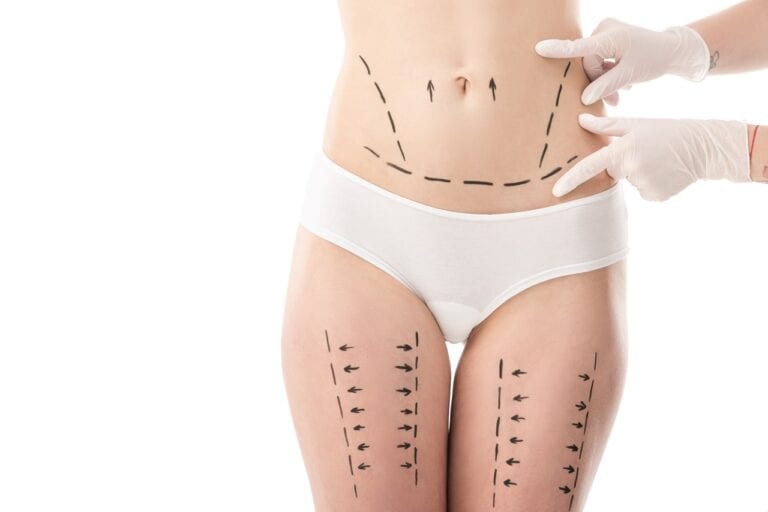
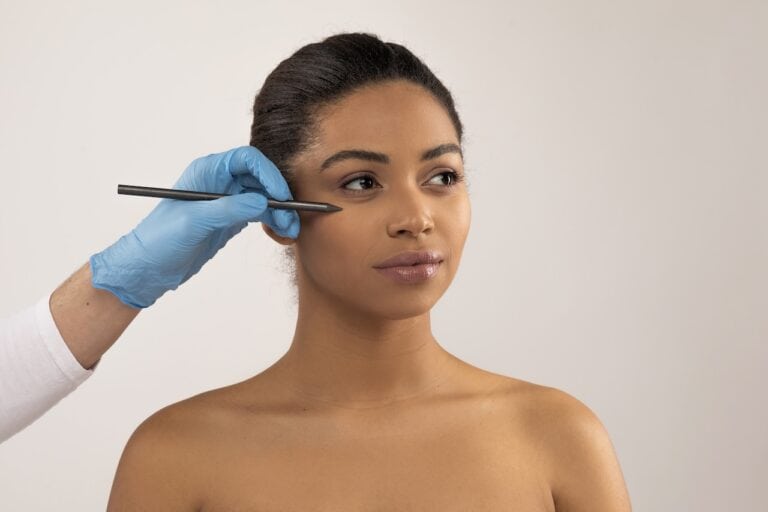
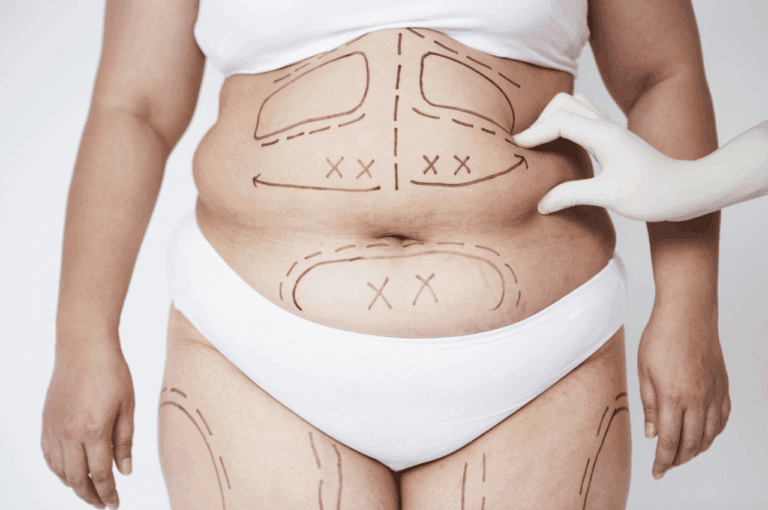
On the day of your procedure, you will be marked with a surgical pen to highlight target areas. The surgical team will review your health history and confirm the plan.
Anesthesia is administered based on the area and type of liposuction being used. Options include local anesthesia, twilight sedation, or general anesthesia for larger or multiple treatment zones.
The Surgical Steps
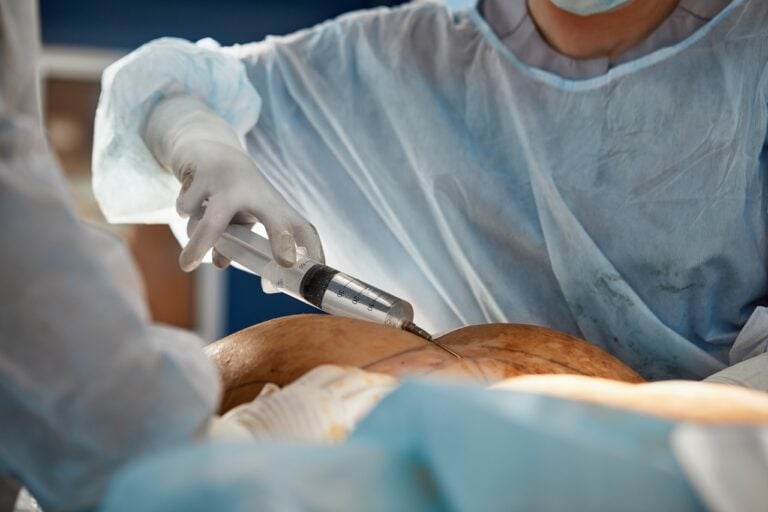
Once you are comfortable, your surgeon makes small, discreet incisions in the skin near the fat deposits. A cannula is inserted through these openings. For tumescent liposuction, a solution is first injected to expand the fat layer, numb the tissue, and shrink blood vessels.
The surgeon then moves the cannula in a back-and-forth motion to break up and suction out fat. The removed fat collects in a sterile canister. Surgeons pay close attention to symmetry and smooth contours, preventing irregularities.
At the end, the cannula is withdrawn and the incisions may be closed with sutures or left open to drain fluid. Dressings and a compression garment are applied before you leave the surgical suite.
After the Surgery
Most patients rest in a recovery area for several hours. You will receive detailed instructions on wound care, activity restrictions, and follow-up appointments to promote safe healing.
Areas of the Body Commonly Treated
Liposuction can target nearly any area where stubborn fat accumulates. However, certain zones are most popular and respond especially well to contouring.
Frequently Treated Areas
Some of the most common regions for liposuction include:
- Abdomen: Both upper and lower belly contours can be refined, improving definition.
- Thighs: Inner, outer, and even knee areas can achieve better proportion to the legs.
- Flanks and Waist (“Love Handles”): Reducing these bulges can recreate a shapelier waistline.
- Arms: Treating the upper arms can restore a lean appearance and reduce sag.
- Back: Bra rolls or lower back fullness can be smoothed for a sleeker profile.
- Neck and Chin: Sculpting the submental area can sharpen the jawline and reduce the look of a “double chin.”
Choosing treatment areas depends on your personal goals. Our surgeons always tailor the approach to suit your body and desired outcome.
A Closer Look at the Recovery Process
Recovery is a vital part of your liposuction experience. While everybody heals differently, knowing what to expect will help you plan for a smooth journey.
Typical Healing Timeline
In the first few days, you can expect swelling, bruising, and mild to moderate discomfort. Your compression garment helps control swelling and supports new contours.
Most patients can return to desk work or light activities within one week, but strenuous exercise should wait for at least two to three weeks. Swelling usually peaks within the first week, then it gradually improves over several weeks.
Bruising and tenderness often resolve within two to four weeks, while swelling may persist for up to three months. Final results become more visible as your body heals and the skin adjusts.
Aftercare and Tips for Successful Recovery
Follow all aftercare instructions, including wearing your garment, taking prescribed medications, and attending follow-up appointments. Avoiding smoking and alcohol during recovery helps to prevent complications and promote healthy tissue healing.
Elevating treated areas and gentle walking can encourage circulation, speeding your recovery. Always contact your surgeon if you notice unusual pain, redness, persistent fever, or signs of infection.
Risks and Considerations of Liposuction
As with any surgical procedure, liposuction carries some risks. Understanding potential complications is an important part of the decision-making process.
Surgical and Postoperative Risks
- Infection: Though rare, infections can occur. Meticulous technique and post-surgical care significantly lower this risk.
- Bleeding and Fluid Accumulation: Small amounts of blood or fluid may collect under the skin. Drains or simple aspiration can resolve this.
- Contour Irregularities: Occasionally, uneven or lumpy areas may develop, especially if fat is removed unevenly or the skin’s elasticity is poor.
- Numbness or Sensation Changes: Temporary numbness at the treatment site is common and usually fades with healing.
- Blood Clots: Deep vein thrombosis is rare but requires prompt medical attention if it arises.
Following your preoperative instructions and choosing a qualified plastic surgeon are the best ways to reduce the chance of complications. At our New York City liposuction practice, your safety and satisfaction remain our top priorities.
Benefits of Liposuction
People often choose liposuction for reasons that go beyond mere aesthetics. The benefits can be both physical and psychological.
- Targeted Fat Removal: Liposuction precisely sculpts areas that do not respond to diet or exercise.
- Long-Lasting Results: Once fat cells are removed, they do not regenerate in treated areas.
- Boosted Confidence: Achieving your body goals often leads to a boost in body image and overall self-esteem.
- Versatility: The procedure can treat multiple areas in one session, allowing you to address several concerns at once.
- Improved Clothing Fit: Many patients enjoy clothes that fit better, leading to more wardrobe options and comfort.
These benefits drive many people to consider and ultimately pursue liposuction as a solution for stubborn fat.
How to Prepare for Liposuction
Preparation plays a crucial role in a successful outcome. Knowing what to do before the day of surgery helps ensure safety and optimal results.
Essential Steps Before Your Procedure
You will be given detailed instructions at your preoperative appointment. Key recommendations often include:
- Lab Tests and Health Clearance: Complete all necessary labs and consultations to confirm your readiness for surgery.
- Medication Adjustments: Avoid certain drugs and supplements that increase bleeding risk, such as aspirin, ibuprofen, or herbal remedies.
- Smoking Cessation: Stop smoking several weeks before surgery to lower the risk of healing complications.
- Arrange for Transportation and Support: Have a friend or family member drive you home and assist you for the first 24 hours after surgery.
Sticking to these guidelines creates the best conditions for a smooth experience and positive healing process.
What Results Can You Expect?
Knowing what to expect from liposuction results is important for your satisfaction. While significant improvements are usually visible within a few weeks, results continue to refine for several months.
Short- and Long-Term Changes
In the initial weeks, swelling and bruising may mask your final contours. As healing progresses, your body shape becomes more defined and balanced.
The fat that is suctioned out during liposuction does not return. However, remaining fat cells can still grow with weight gain, so maintaining a healthy lifestyle is important for lasting outcomes.
Most patients notice dramatic changes in body proportion and contour. Increased confidence and satisfaction with your appearance often accompany these physical changes.
Frequently Asked Questions About Liposuction
Many patients have similar questions before choosing liposuction. Here, we address a few of the most common concerns.
Will Liposuction Help Me Lose Weight?
Liposuction is designed for body sculpting, not primary weight loss. The amount of fat removed is limited for safety and does not lead to dramatic weight changes.
Is Liposuction Safe?
Liposuction is a safe procedure when performed by an experienced, board-certified plastic surgeon. Preoperative evaluation and diligent monitoring during recovery help maximize safety.
Will My Skin Be Loose After Liposuction?
Skin elasticity plays a significant role in your final results. People with good skin quality usually see their skin retract and adapt well after fat removal. If you have significant stretch marks or looseness, additional procedures like skin tightening may be required.
How Long Until I See My Final Results?
Most swelling resolves within three months, with continued improvement up to six months or longer. Patience during the healing process will help you enjoy the best results.
Planning for Your Liposuction Consultation
A personal consultation is the most important first step. This visit gives you a chance to ask questions and discuss your goals in detail.
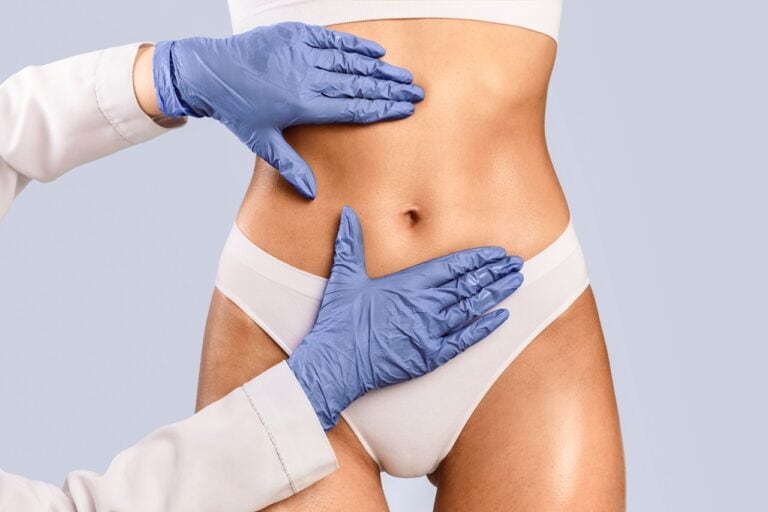
Your surgeon will examine target areas, assess your health, and review your options. They will outline a customized treatment plan that makes sense for your anatomy and expectations.
Open communication during this appointment lays the foundation for a safe and satisfying outcome. Bringing a list of questions or reference photos can also be helpful.
Moving Forward With Confidence: Choosing Liposuction With the Right Team
Liposuction transforms your shape by targeting stubborn fat that diet and exercise cannot budge. This procedure offers a versatile, proven route to body contouring when performed by skilled surgeons in a safety-focused environment.
Whether you live in New York City or commute from the surrounding region, your experience at the New York Liposuction Center will be built on open dialogue, careful planning, and personalized support. Our commitment continues from consultation through recovery and beyond.
If you are considering liposuction or have questions about your candidacy, we invite you to take the next step. Schedule a consultation with our experienced liposuction team, and discover how a custom-tailored approach to body contouring can help you look and feel your best.