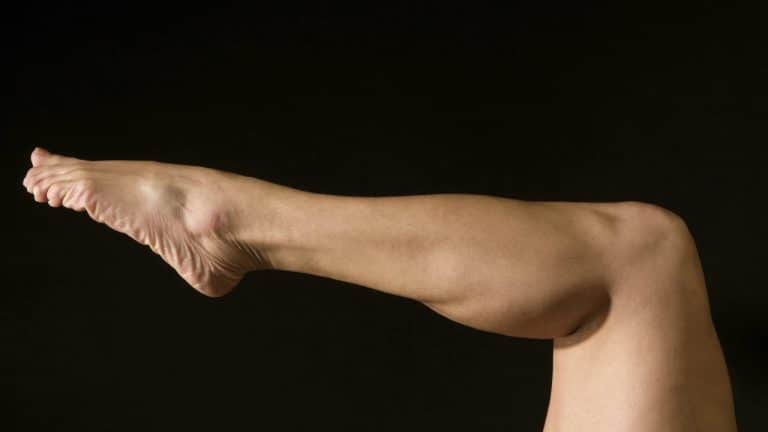
Many women spend years experiencing pain, swelling, and a heavy feeling in their legs that does not go away with weight loss. At the New York Liposuction Center, we understand how frustrating and confusing it can feel when traditional diet and exercise simply cannot address the underlying cause.
For many, the answer is lipedema, a condition that often goes misdiagnosed yet causes significant discomfort and limits activity for countless people. If you find that stubborn, disproportionate fat in your legs does not respond to your best efforts, learning about liposuction for lipedema may open the door to relief and confidence. Let us explain what you can expect on your path to feeling better.
Key Takeaways
Understanding Lipedema
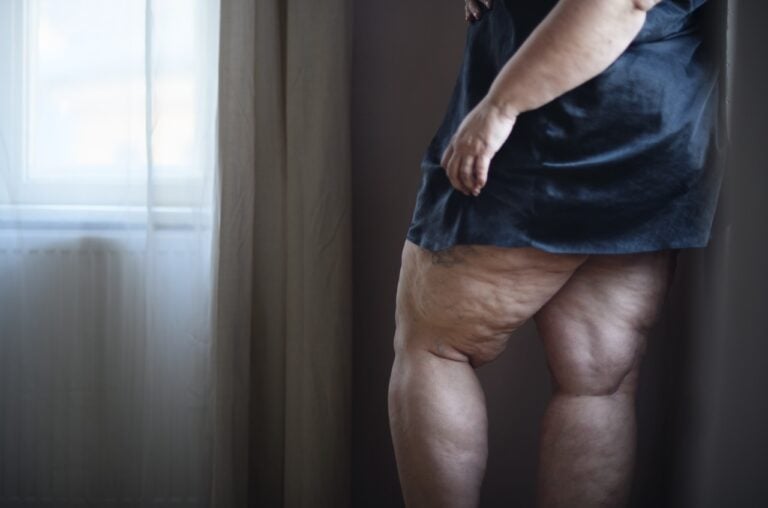
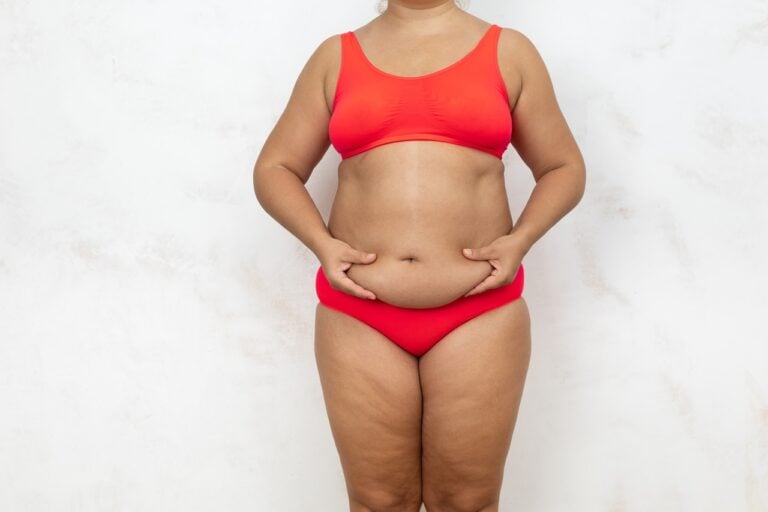
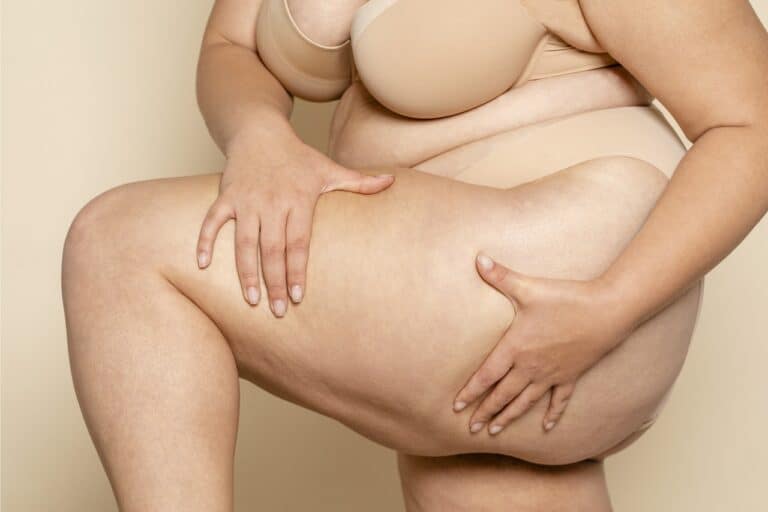
Lipedema remains one of the most overlooked and frequently misdiagnosed conditions in medicine. Defined as a chronic fat disorder, it causes a symmetrical, often painful buildup of fatty tissue in both legs and, in many cases, the arms. This abnormal pattern of fat accumulation largely affects women, with hormonal changes at puberty, pregnancy, or menopause sometimes serving as triggers.
Over time, lipedema leads not only to cosmetic changes but also to daily discomfort, limited movement, and easy bruising. While obesity can exist alongside lipedema, losing weight rarely reduces the characteristic swelling or disproportion in affected areas. That is why those with lipedema often struggle to achieve results with diet, exercise, or other typical interventions.
Lipedema Stages and Symptoms
Lipedema presents in different stages, which reflect changes in tissue and severity. Early stages may only involve mild disproportion and minor discomfort, while later stages feature fibrotic tissue, larger bulges, and pronounced mobility limitations.
Common symptoms of lipedema include:
- Pain or tenderness in the legs or arms, especially when pressure is applied
- Sensitivity to touch and a tendency for easy bruising
- Feeling of heaviness, tightness, or swelling even at rest
- Reduced ankle or wrist definition, creating a cuff-like appearance
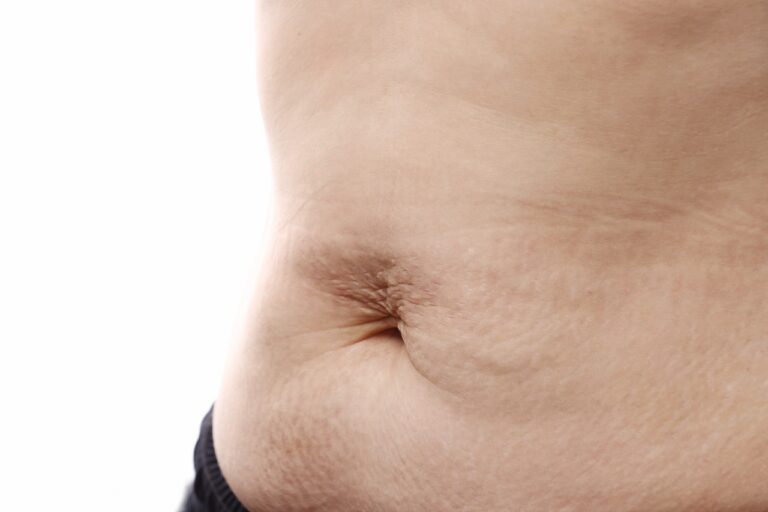
- Thickened, nodular, or bumpy texture of the skin over time
Patients sometimes develop secondary lymphedema if the abnormal fat compresses lymphatic vessels. This can cause progressive swelling, skin changes, and a higher risk of infection. Identifying these symptoms accurately is essential for developing a treatment plan, and our doctor takes a detailed approach to diagnosis at our local office.
Why Liposuction Makes a Difference in Lipedema Care
Traditional weight loss strategies hardly ever resolve the disproportion or pain associated with lipedema. Fat in lipedema behaves differently than normal subcutaneous fat, showing resistance to both metabolism and physical activity. While conservative treatments, such as compression therapy, gentle exercise, and manual lymph drainage, can help reduce swelling, they do not remove the problematic fat cells.
Liposuction removes abnormal fat deposits. This means the most effective treatment for stable lipedema is often surgical. As our surgeon at the New York Liposuction Center explains, this surgery aims not only to enhance body shape but also to reduce pain, improve mobility, and prevent complications as the disease progresses.
Liposuction Versus Conservative Therapies
Compression garments and lymphatic massage focus on symptom control, such as minimizing daily swelling and supporting soft tissue. However, these methods must be continued indefinitely and do not alter the underlying fat tissue itself.
Liposuction carries a unique advantage. By removing excess lipedema fat, the procedure achieves a permanent reduction in affected areas. Most patients report less pain, easier movement, and less need for daily compression therapy after healing is complete.
Evidence for Liposuction Benefits
Many clinical studies and patient experiences demonstrate that tumescent liposuction for lipedema yields significant, sustained improvement in both comfort and quality of life. Outcomes may include greater endurance, higher activity levels, and enhanced self-confidence. While the degree of change depends on factors such as disease stage and adherence to follow-up care, most people with lipedema notice substantial long-term relief after surgery.
Are You a Candidate for Lipedema Liposuction?
Our team at the New York Liposuction Center carefully assesses every patient to determine the right timing and appropriateness for surgery. Ideal candidates share several important characteristics, though every case receives a tailored evaluation.
Below are qualities typically seen in those who benefit from the procedure.
1. Established Lipedema Diagnosis: Surgical treatment makes the most sense for people with a clear clinical diagnosis of lipedema, especially those who notice little improvement from conservative approaches. Assessment often includes a detailed exam and medical history review.
2. Attempted Non-Surgical Measures: Our doctor usually recommends a trial period of compression therapy, movement, and lymphatic treatments first. If these steps do not provide enough relief, liposuction becomes a reasonable next option.
3. Stable Health and Realistic Goals: Surgical candidates must be well enough to undergo anesthesia and recovery. Having realistic post-op expectations ensures satisfaction, since the goal centers on symptom relief rather than cosmetic perfection.
4. Non-Smokers or Willing to Stop Smoking: Tobacco use delays healing and increases complication risk, so quitting prior to surgery supports both safety and a smooth recovery.
For patients who meet these standards, liposuction often provides the most meaningful improvement in mobility and day-to-day function. If you have specific questions or wonder about your candidacy, a one-on-one consultation with our surgical team can help clarify the best approach.
How Lipedema Liposuction Works
Lipedema liposuction has unique considerations compared to standard body sculpting. The priority stays focused on safety, gentle tissue handling, and maximizing fat removal without harming delicate structures beneath the skin.
Overview of the Surgical Process
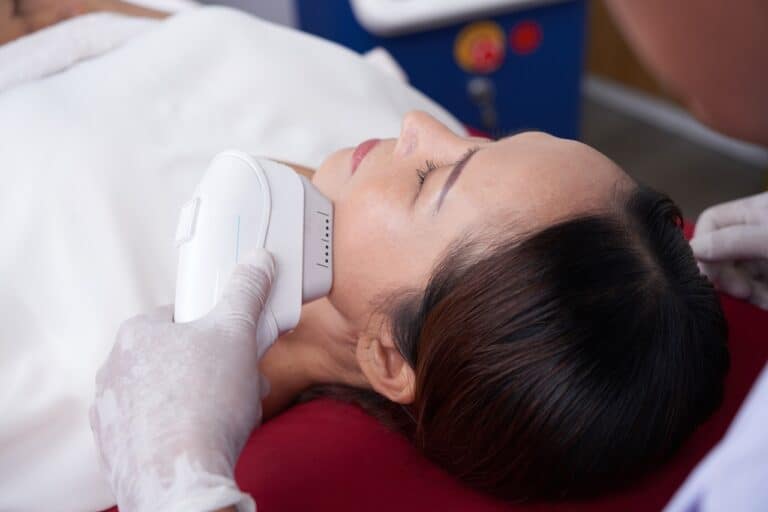
The procedure most frequently uses tumescent liposuction, a method developed for maximum fat removal with minimal trauma to surrounding tissues. Our surgeon injects a large volume of dilute local anesthetic solution directly into the fat layer, which makes the tissues swell and numbs the area. This fluid loosens the abnormal fat, reduces bleeding, and allows a thin cannula to remove excess fat through tiny incisions.
Most surgeries take place under general anesthesia or deep sedation. The duration depends on how many areas our surgical team treats, but most sessions last between two and six hours. Many patients benefit from staged treatments to minimize surgical risk and optimize results.
Types of Liposuction for Lipedema
Our practice specializes in tumescent and water-assisted liposuction, both considered safe for managing lipedema. Other methods, such as laser or ultrasound liposuction, are less common in lipedema care because of higher risks for tissue damage.
Choosing the right liposuction method depends on a range of factors, including soft tissue consistency, disease stage, and safety profile. Our doctor will walk you through each option based on your unique needs.
Key Steps of the Lipedema Liposuction Experience
When you come to our New York office, our doctors follow a highly structured preparation and treatment plan. Here are the main stages you can expect:
- Consultation: The process begins with a detailed assessment, photos, and a review of your concerns and goals.
- Pre-operative planning: You may need blood work, medication adjustments, or additional imaging prior to surgery.
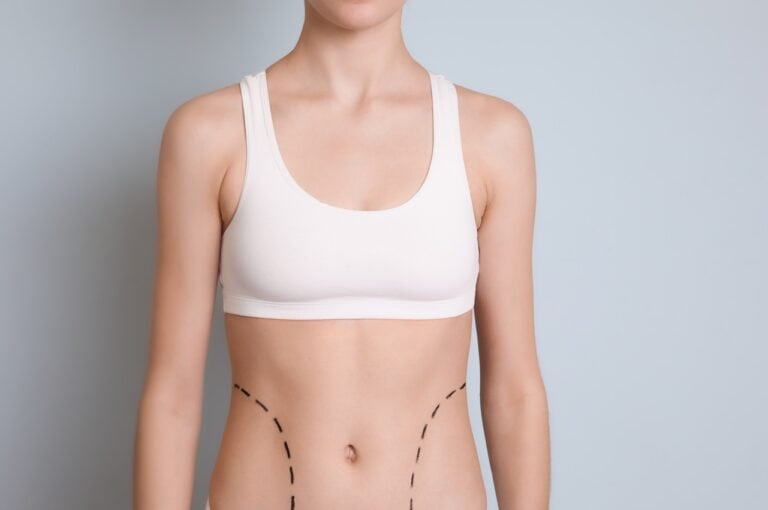
- Marking and anesthesia: On the procedure day, the team marks areas for fat removal and delivers anesthesia for your comfort and safety.
- Tumescent solution injection: A specialized fluid mixture is injected under the skin to numb, shrink blood vessels, and prepare the area for fat extraction.
- Fat removal: A thin cannula suctions out the targeted fat through small, strategically placed incisions.
- Closure and bandaging: The surgeon closes incisions with fine sutures and applies compression wraps to decrease swelling.
- Post-operative care: The team monitors your recovery immediately and provides detailed instructions for the days and weeks ahead.
Every case differs somewhat based on your anatomy and treatment goals, but most patients can expect this systematic approach.
Benefits of Liposuction for Lipedema
Liposuction offers several important advantages that conservative therapies cannot match. Our patients often report that the benefits go far beyond a slimmer appearance.
Below, we list some of the most significant gains supported by clinical data and patient experience.
- Pain Relief: Liposuction reduces the physical discomfort caused by dense, fibrotic fat, leading to easier movement and less tenderness.
- Improved Mobility: Removing excess fat in the lower legs and arms restores a lighter feeling, enabling more activity with less fatigue.
- Enhanced Contour: Symmetrical fat reduction creates softer, more natural proportions, which many patients find both satisfying and reassuring.
- Decreased Bruising and Swelling: Once the abnormal fat cells are gone, there is less tendency for tissue to bruise or swell after activity.
- Lower Risk of Progression: Treating lipedema early with surgery may prevent further complications, such as advancement to later-stage disease or development of lymphedema.
These benefits collectively make liposuction a life-changing procedure for many living with lipedema. Recovery and long-term management help maintain these positive effects over time.
What to Expect During Recovery
Most lipedema liposuction patients have a stepwise recovery process, with steady improvement during the first several weeks after surgery.
Early Recovery: The First Week
During the first few days, swelling, bruising, and mild discomfort are common. Our team provides management guidelines for reducing pain, limiting swelling, and monitoring for any unusual symptoms.
Compression garments are critical at this stage. Patients must wear these as directed for optimal contour and swelling control. Light walking is encouraged to promote circulation and reduce the risk of blood clots.
Weeks Two to Six: Returning to Routine
As you move into the second week, pain should diminish, and normal activities gradually resume. Most patients return to desk work or light activities within one to two weeks. Heavier physical work and strenuous exercise should wait for approval from our doctor.
Bruising fades, but swelling may linger. It takes time for tissues to settle and for the final contour to appear. Some numbness or sensitivity can persist during this time as nerves recover.
Month Two and Beyond: Long-Term Healing
Full results often appear within three to six months after surgery. Ongoing use of compression and gentle movement helps optimize the outcome. Our doctor will guide you on resuming all physical fitness and maintaining a stable, healthy lifestyle.
Regular follow-up visits ensure that your recovery stays on track and any concerns receive prompt attention.
Potential Risks and Complications
Every surgical procedure carries some degree of risk, and liposuction for lipedema is no exception. Selecting a skilled, specialized surgeon and following aftercare instructions closely greatly reduces most risks.
Below, we outline possible complications and how our team proactively manages them.
- Bruising and swelling: Some bruising and swelling are normal at first, but these typically improve within several weeks.
- Contour irregularities: Lumps, dimpling, or loose skin may occasionally develop, especially in advanced cases, though many of these concerns resolve as tissues heal.
- Infection: Rare, but our doctor uses meticulous sterile techniques and may prescribe antibiotics as a precaution.
- Prolonged numbness or sensitivity: Nerve healing may take several months, and our doctor monitors these changes at each follow-up.
- Blood clots or lymphatic disruptions: These occur infrequently, especially with early movement and careful surgical planning.
While complications remain uncommon, early detection and prompt management help ensure the best overall experience and long-term results for our patients.
Guidance for Optimal Results and Lasting Relief
After lipedema liposuction, most patients ask about the best long-term strategies to protect their results and well-being. Our practice supports every individual with a clear follow-up plan.
Lifelong Self-Care Habits
Maintaining a healthy, stable weight helps preserve your new shape and minimize swelling risk. While liposuction removes existing lipedema fat, it does not prevent new fat cells from growing if significant weight gain occurs.
Ongoing use of compression garments may benefit certain patients, especially those with more advanced tissue changes. Our team personalizes these recommendations based on your post-surgical progress and comfort.
When to Seek Additional Support
If you notice new swelling, tenderness, or signs of change, checking in with our doctor is important. Early recognition and proactive care make a significant difference in stopping recurrence or managing any residual symptoms.
Routine follow-ups at set intervals, such as one month, three months, and one year after surgery, allow us to track healing and make adjustments to your care plan as you move forward.
Frequently Asked Questions About Lipedema Liposuction
Patients who visit our office often have many questions about the surgical process and expected results. We have answered a few of the most common questions below for your convenience.
Moving Forward With Liposuction for Lipedema
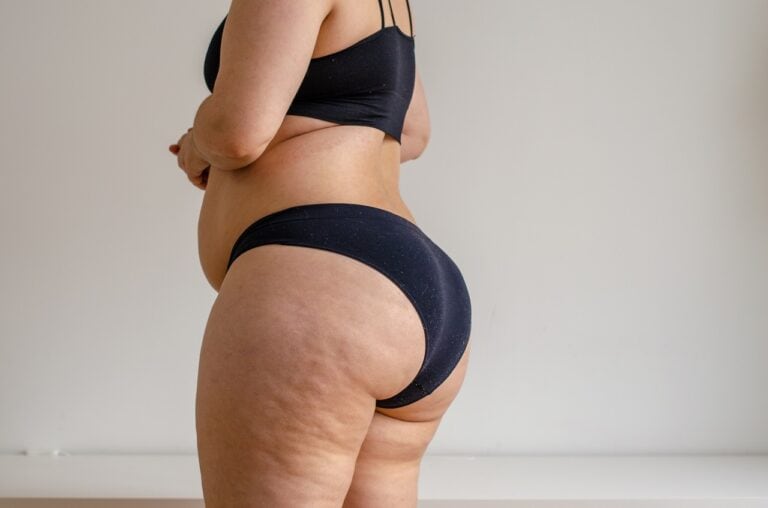
Addressing lipedema with targeted liposuction can transform not only the way your legs or arms feel and look, but also your ongoing comfort, mobility, and confidence. With the right approach and dedicated care, most patients experience dramatic, lasting relief that conservative therapy alone cannot provide.
At the New York Liposuction Center, our experienced surgical team puts your safety and well-being first, applying advanced methods tailored for the unique demands of lipedema tissue. We customize every plan so that surgery fits your needs, health, and long-term goals.
If you have struggled with chronic swelling, discomfort, or frustration from disproportional fat and want true solutions that last, our team stands ready to help. Reach out today to schedule your consultation and let us work with you toward meaningful relief and restored self-assurance.