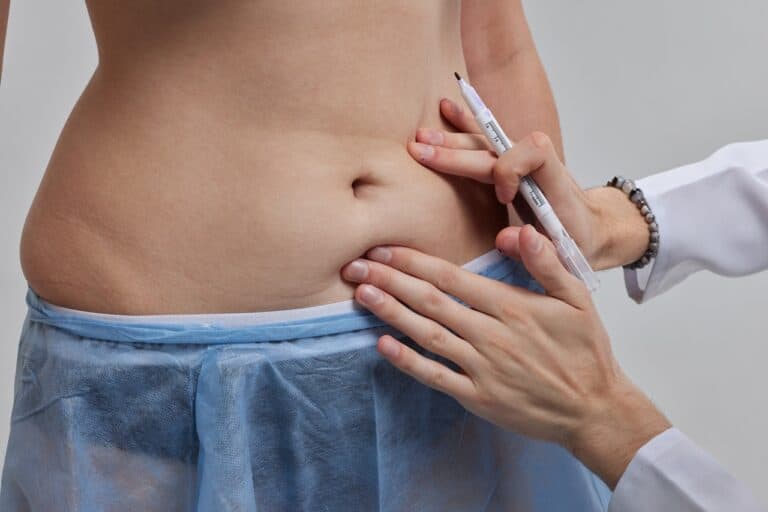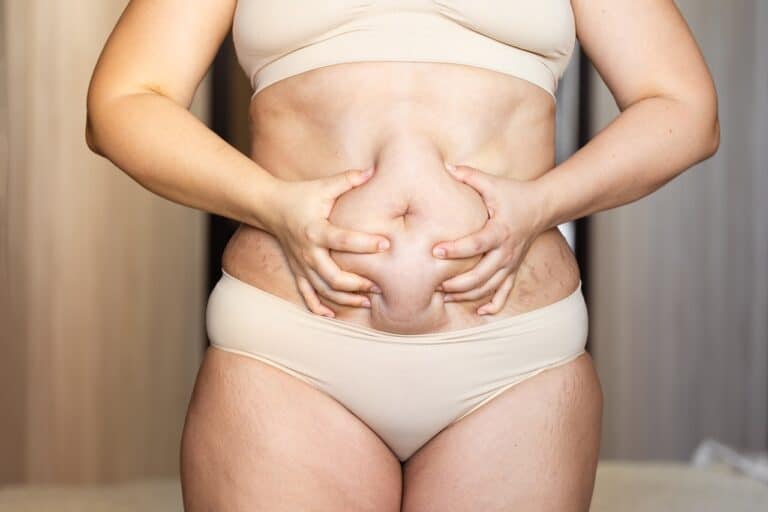
At the New York Liposuction Center, many people come to us with questions about scarring after abdominoplasty. Whether you want a trimmer stomach, more defined contours, or improved confidence after pregnancy or weight loss, you may want to understand how scars will look, feel, and heal over time.
Our surgical team believes that knowledge helps set realistic expectations and allows you to help your body achieve the best outcomes. By learning what impacts the way scars form and what you can do at home to improve their appearance, you can play a hands-on role in your own recovery journey. Let’s explore what actually works to reduce scarring after abdominoplasty surgery and how our team in NYC can help guide your healing every step of the way.
Key Takeaways
Understanding How Abdominoplasty Scars Form
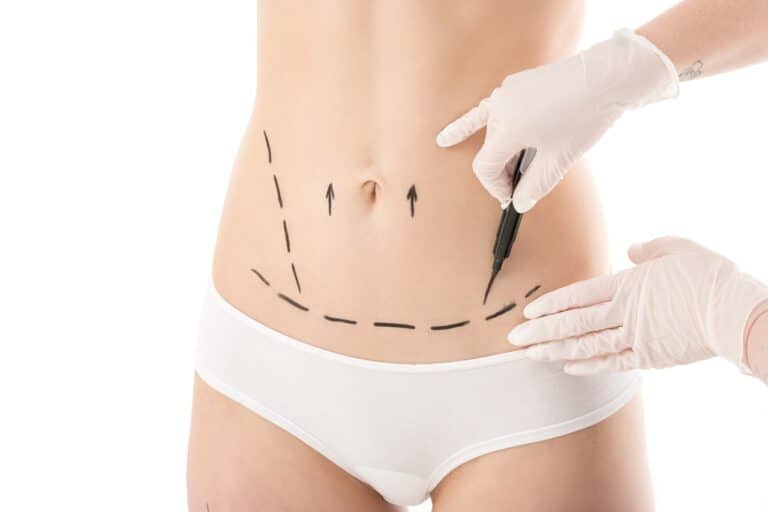
Abdominoplasty involves an incision along the lower abdomen, and this incision needs to heal through a process that the body is programmed to begin right after surgery. When an incision is made, the body rushes collagen to the wound, rebuilding strength but potentially leaving a visible mark. To have a clear sense of how scars develop, it helps to know the phases of healing.
Stages of Scar Maturation
Each stage of scar healing shapes the look and feel of your results in a distinct way. The process follows a predictable path:
- Immediate response: Within the first few days, the body closes the incision and forms a scab to protect the area. Some redness and swelling are common.
- Proliferative phase: Over the first few weeks, collagen fibers increase, building a strong bridge across the wound. The scar may appear raised or firm at this stage.
- Remodeling phase: For several months, the scar softens, fades in color, and becomes flatter, then reaches a mature state anywhere from 12 to 18 months after surgery.
By understanding these stages, you can better appreciate why early intervention and patience are both crucial. Your individual healing journey may speed up or slow down depending on genetics and other factors, yet every step plays a role in the ultimate scar appearance.
Factors That Influence Scar Visibility
Not everyone heals the same way, even when surgical technique remains consistent. Many variables affect scar formation after abdominoplasty.
Genetics and Skin Tone
Your genes help determine how your body produces collagen and whether scars will be thick, raised, or pigmented. People with darker or very light skin tones may notice scars stand out more, appearing darker or lighter than the surrounding skin.
When comparing procedures, patients often ask about lipo 360 scarring versus abdominoplasty marks. While liposuction incisions are much smaller, both require diligent sun protection and silicone therapy to fade effectively.
Incision Placement and Tension
Our surgeon always places incisions as low as possible, which means they will sit beneath underwear or swimsuit lines for most patients. When incisions face less tension or stretch, scars naturally flatten out more quickly. Controlling tension also lowers the risk of a widened or thickened scar.
Lifestyle and Systemic Health
Nutrition, hydration, and blood supply all support good healing. Patients who smoke, have poorly controlled diabetes, or experience complications may face a higher risk of thicker or more noticeable scarring. A healthy lifestyle and careful medical guidance can reduce this risk significantly.
Steps Our Team Takes During Surgery to Minimize Scarring
At the New York Liposuction Center, your surgeon’s goals go beyond safety and contour. Planning incisions and closure methods with scar reduction in mind leads to better cosmetic results for our patients.
Surgical Techniques for Optimal Healing
Our doctor places incisions low on the abdomen, often hidden even in minimal swimwear. We carefully plan the direction and length of the incision to avoid unnecessary tension and to distribute forces evenly across the skin.
Closure involves multiple layers of dissolvable sutures. This approach aligns wound edges precisely and supports the skin during early healing. Deep-layer sutures reduce tension at the surface. When the skin is relaxed, less pulling across the wound means flatter, finer scars.
Using gentle tissue handling, avoiding excessive cautery, and meticulous suture technique all contribute to less inflammation and better scar outcomes.
Postoperative Care to Reduce Scar Formation
After surgery, your personal care routine and communication with our team play a central role in how well your scar heals and fades. We recommend evidence-driven steps throughout the healing period.
Gentle Wound Care and Cleaning
Keep the incision site clean and dry. Our staff provides detailed written instructions and in-person support to help with showering, changing dressings, and applying prescribed ointments in the early days. Avoid picking at scabs, using harsh cleansers, or scrubbing the area.
Importance of Scar Massage
Starting several weeks after surgery, once your surgeon confirms the incision is fully closed, gentle scar massage can help break up adhesions and soften the tissue to successfully avoid fibrosis. Using light, circular motion with a clean finger or recommended cream, apply even pressure along the length of the scar for a few minutes each day.
Topical Therapies
Your surgeon will likely guide you to use a silicone-based product, such as a gel or silicone sheet, applied daily for several weeks or months. Silicone has the strongest research backing for softening scars and maintaining moisture in the healing area.
Sun Protection
Protect your scar from sun exposure with clothing or a high-SPF sunscreen. UV rays can darken or thicken healing scars, especially in the first year. Wearing protective garments over the tummy tuck incision is the most reliable way to prevent long-lasting pigment changes.
Simple Lifestyle Choices That Support Better Healing
While surgical skill makes a major difference in outcomes, your day-to-day choices have a significant impact on how your scar develops. You have real power to aid your recovery.
- Avoid tobacco products: Tobacco reduces blood flow and oxygen to healing tissue, which raises the chance of a red, thickened, or irregular scar.
- Eat nutritious foods: A diet rich in protein, vitamin C, and zinc gives the body the raw materials needed for collagen formation and wound strength.
- Stay hydrated: Adequate water intake maintains skin elasticity and supports the remodeling phase of scar healing.
- Prevent infection: Follow wound care instructions closely so that bacteria do not interfere with the natural healing process.
- Limit strenuous stretching: Avoid movements that put tension on the incision, such as yoga, sprints, or heavy lifting, until approved by your surgical team.
Simple daily habits can be just as important as medical interventions over the long term. Our care team monitors your healing closely and provides reminders about self-care each step of the way.
When to Consider Advanced Scar Treatments
Most abdominoplasty scars fade well with basic care and time. If, after a year, you feel unhappy with scar texture, color, or thickness, you may want to consider additional treatments available at our NYC practice or through referral.
Types of Advanced Scar Therapies
Several options can help patients with stubborn, textured, or pigmented scars. We advise waiting until the scar matures before pursuing these advanced measures.
- Laser therapy: Specific lasers target pigment or texture. Treatments can lighten, flatten, or smooth scars that remain raised or dark even after a year.
- Microneedling: This procedure uses small needles to stimulate collagen remodeling, break up excess tissue, and smooth thick scars.
- Steroid injections: For raised, keloid, or hypertrophic scars, a series of small injections can reduce inflammation and aid the scar’s softening.
- Medical-grade silicone sheets: Worn daily over the scar, these sheets apply consistent pressure and hydration to further reduce thickness.
- Scar revision surgery: In rare cases, our surgeon may recommend a minor procedure to remove thick, stretched, or poorly healed scar sections and close the skin with improved technique.
We evaluate the right approach based on your medical history, goals, and prior scar progression. No treatment eliminates all traces of a scar, but many patients are pleased with the significant improvement these options provide.
Myths and Facts About Abdominoplasty Scars
People read many things about scars and spend time worrying about what might happen, only to find that much of this information is misleading. Knowing what is true and what is myth removes stress and puts your healing in perspective.
Myth: Only expensive creams can fade a scar
Research continues to show that silicone gel or sheets outperform most over-the-counter and luxury creams. While products containing onion extract or vitamin E are often marketed for scar reduction, these have not shown consistent benefit in high-quality studies. Consistency in care and early intervention matter more than cost.
Fact: Scar appearance is highly individual
No surgeon can guarantee a scar will be invisible, but most patients see meaningful fading over the first two years. Genetics, surgery technique, health, and aftercare choices are the main factors shaping your outcome.
Myth: Scars are obvious or always look unnatural
The truth is, with low placement, precise closure, and time, abdominoplasty scars usually become fine lines that are easy to hide with clothing. Many patients feel their scars are a fair trade for a flatter, firmer stomach.
Scar-Modifying Medications and Products: What Actually Works
You may see dozens of creams and oils promoted online with bold promises to erase scars. Not all products deliver equal results, so our surgeon prefers evidence-based recommendations.
Key Ingredients Supported by Research
The medical literature has firmly established that two types of products have the best track record for softening and flattening new scars:
- Medical silicone gels and sheets: These items maintain a moist environment at the scar, limit excess collagen, and reduce redness or height. They work best when started soon after suture removal and used for several months.
- Corticosteroid preparations: For unusually thick, itchy, or raised scars, topical or injectable corticosteroids help calm excess tissue response. Our doctor will only recommend these when appropriate.
Herbal or cosmetic creams may hydrate the skin but have little effect on scar structure. Patients should be cautious about harsh chemical peels or unregulated “scar-erasing” kits, especially during the first six months after surgery.
Our team stands ready to discuss which products fit your skin and healing stage.
Frequently Asked Questions About Scar Reduction After Abdominoplasty
Patients ask our team in NYC about a wide range of scenarios and concerns as they prepare for surgery and as they heal. Here we answer some of the most common questions we hear in our clinic.

The Path to Scar Improvement After Abdominoplasty Surgery
Planning for abdominoplasty involves thinking about both cosmetic goals and long-term healing. Navigating the scar reduction process can seem overwhelming without clear, reliable guidance. We believe education, open communication, and access to the latest scar control therapies make all the difference for our patients in NYC and beyond.
By partnering with our team, you gain expertise in surgical technique, aftercare strategies, and advanced therapy options, all designed to support optimal scar softening and concealment. The best outcomes arise from a combination of skill, thoughtful aftercare, and realistic expectations.
If you want to explore abdominoplasty or need tailored guidance on scar care, our staff at the New York Liposuction Center is here to answer questions and assist at every step. Call or email to schedule a personalized consultation and start planning your own journey to a more confident, comfortable future.