At many points in life, people look for ways to reach their ideal appearance and improve confidence. Liposuction remains a popular choice for those wishing to address stubborn pockets of fat that do not respond to diet or exercise.
At the New York Liposuction Center, our surgeon strives to keep patients well-informed about every aspect of their care. One of the most common questions we receive has to do with “limits” for undergoing this procedure, especially regarding BMI. Clear awareness of these requirements for liposuction ensures that your experience is both safe and satisfying.
Let’s take a closer look at how BMI relates to liposuction and what you need to know when considering this transformative option.
Key Takeaways
How BMI Impacts Liposuction Safety and Results
To understand the BMI limit for liposuction, it helps to know the function and meaning of BMI. BMI, or Body Mass Index, provides a quick estimate of body fat based on height and weight.
Our surgeon uses BMI as one factor during your evaluation, but BMI alone does not decide eligibility. BMI has certain limitations, especially when used as a blanket rule.
Defining BMI
Body Mass Index stands for a ratio of weight to height. Medical professionals use it to estimate a patient’s general health risk for certain diseases linked to weight.
A BMI between 18.5 and 24.9 falls into the “normal weight” range. A BMI of 25 to 29.9 qualifies as “overweight,” while 30 and up is labeled “obese.”
Limitations of BMI
BMI cannot show the difference between muscle and fat. For example, someone with a muscular build may have a high BMI, though they do not carry excess fat.
At our practice, we review BMI alongside your medical history and physical exam, so your assessment remains as balanced as possible. This helps ensure safety and long-term success.
Why Surgeons Use BMI for Liposuction
BMI gives our doctor a starting place for evaluating surgical risk. A higher BMI may increase the chance of complications during or after surgery.
BMI also helps our team predict whether results will match your expectations. Patients with extremely high or low BMI typically need alternative treatment or a modified surgical plan.
Common BMI Guidelines for Liposuction Candidates
Patients often ask whether a certain BMI locks them out of surgery. The answer depends on several factors, though industry guidelines help offer direction for most cases.
Here is an overview of the typical standards, including why these guides exist.
Typical BMI Cutoffs
Many practices, including ours, follow safe boundaries based on research and clinical experience. By utilizing metrics like BMI alongside tools for advanced liposuction planning, our team works to avoid preventable surgical risks and accurately map out your procedure before making a single incision.
Most candidates for standard liposuction fall within the 18.5 to 30 BMI range. This “window” reflects a balance between achieving aesthetic improvement and minimizing health concerns during recovery.
In select cases, our surgeon may consider patients up to a BMI of 35, but only if the person is otherwise healthy with stable medical conditions.
Special Considerations for Higher BMI
Patients who have a BMI over 35 face added dangers. These might include poor wound healing, anesthesia risks, excess bleeding, and unsatisfactory cosmetic results.
If you fall above the standard BMI range, we may recommend a staged approach or refer you to bariatric specialists before proceeding. This added layer of care gives better long-term outcomes.
Why Lower BMI Patients Also Need Evaluation
A person with a very low BMI may not have enough fat for safe, meaningful liposuction. Removing fat from someone already lean can create irregularities, asymmetry, or hollowed areas.
For best results, our medical team tries to identify patients who will both benefit from the procedure and recover smoothly afterward.
Main Factors That Affect Liposuction Candidacy
Although BMI plays an important role, it is only one piece of the puzzle. Our surgeon reviews your background from every angle before giving the green light for surgery.
Let’s discuss the key factors that matter alongside BMI.
Health History and Preexisting Conditions
Your health history directly influences surgical safety. Chronic diseases such as diabetes, heart disease, or immune disorders require extra caution.
Our surgical team carefully screens for medical conditions, allergies, medications, and a history of prior procedures. We aim to ensure every part of your health is optimized for surgery.
Fat Distribution and Skin Quality
Ideal candidates have localized fat deposits with firm, elastic skin. When skin has lost its stretch or contains many stretch marks, liposuction might not produce ideal tightening.
The pattern and location of fat influence your plan and potential outcomes. Our doctor helps you identify which areas will respond best to this treatment.
Age and Lifestyle Habits
While age alone does not rule someone out, younger patients often heal more quickly and have more elastic skin. Mature patients with healthy habits can also see wonderful benefits.
Smoking and poor nutrition slow recovery and boost risk. Our medical team explains why healthy habits before and after surgery improve your experience.
Realistic Goals and Expectations
Our surgeon spends time exploring your goals for liposuction. Navigating a liposuction patient’s psychological journey requires aligning expectations with clinical realities; someone expecting dramatic weight loss will not find this procedure matches that need, as it is strictly a structural contouring tool.
The best results come to patients who understand that liposuction reshapes areas of unwanted fat, not the overall body weight.
Risks Associated With High BMI During Liposuction
Every surgical procedure carries risks, and these risks rise when BMI increases. Our doctor at the New York Liposuction Center believes in being transparent about these challenges so you can make an informed decision.
Here are some key risks that come with a higher BMI:
Increased Rate of Complications
Patients with higher BMI are more likely to experience:
- Infection: Healing takes longer, giving bacteria a chance to enter incisions.
- Excessive bleeding: A greater amount of fat and tissue demands more surgical skill to control.
- Anesthesia problems: The body might react worse to anesthesia drugs, raising complications.
Each of these risks is taken seriously and discussed during your consultation.
Postoperative Recovery Concerns
Heavier patients may face longer recovery periods. Wounds might close more slowly, and the chance for fluid buildup or blood clots rises.
Your movement after surgery also plays a role in preventing problems. Our team coaches you on safe mobility and closely monitors your healing timeline.
Difficulty Achieving Satisfying Results
In some cases, high BMI patients see less visible change from liposuction. Fat may be more widespread rather than concentrated, which limits how much reshaping is possible.
Our surgeon sets realistic expectations upfront, helping patients see what the procedure will genuinely achieve.
The Liposuction Evaluation Process and Considerations
At the New York Liposuction Center, our team uses a thorough process to decide candidacy for every patient. The evaluation features medical and personal factors that keep safety as our top priority.
Here is an outline of how the process works:
- Personal Consultation: We start by listening to your reasons for seeking liposuction, your goals, and your medical background.
- Physical Assessment: Our surgeon examines fat distribution, skin tone, and potential treatment sites in the office.
- BMI and Health Review: We check your height, weight, and BMI, but also review your medications, allergies, and personal health history.
- Lab Tests and Screening: Our team requests bloodwork and, sometimes, heart screening to spot risks before they appear.
- Discussion of Risks and Aftercare: Our staff shares specific risks connected to your profile and answers your questions in detail.
- Final Candidacy Decision: After processing every piece of information, our surgeon determines whether you qualify for safe, rewarding liposuction.
This stepwise approach protects our patients and gives reassurance at every stage of care.
What to Do if Your BMI Exceeds the Standard Limit
Patients sometimes come to our practice with a BMI above the suggested cutoff for safe liposuction. We take great care to address these cases personally and respectfully.
Consider a Staged Approach
For people close to the eligibility window, small lifestyle changes plus a structured plan can bring BMI down enough to qualify before surgery. Our doctor may create a plan for weight management, then review your progress at regular check-ins.
Explore Alternatives to Liposuction
Some patients may benefit from other treatments, either before or instead of liposuction. Non-invasive body contouring and referral to a metabolic specialist form part of our individualized care.
The focus remains on keeping your health and appearance safe and stable in the long term. We want you to have the best outcome possible, even if it takes extra steps.
Realistic Expectations: Liposuction vs. Weight Loss
Misunderstandings about what liposuction can achieve often cause disappointment. At our office, we make sure you know what the procedure will and will not accomplish.
Liposuction as Body Contouring, Not Weight Loss
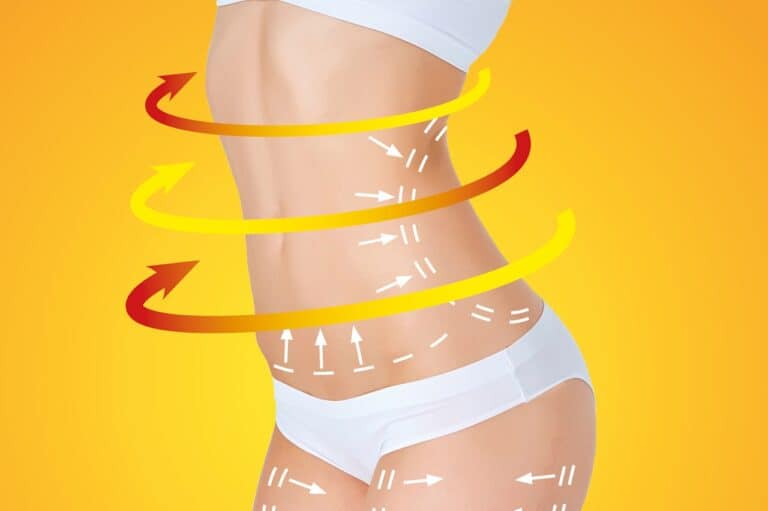
Liposuction works best at fine-tuning areas that have not responded to diet and exercise. Common sites include the abdomen, thighs, flanks, and arms.
Our surgeon removes a limited amount of fat, usually no more than five liters at one time, for safety reasons. Liposuction does not lead to large weight changes, so patients expecting significant weight loss may need different solutions.
Importance of Healthy Habits
Maintaining your results depends on lifestyle. Eating well, exercising regularly, and keeping up with healthy habits will help preserve the improvements from your procedure.
Lipo does not permanently prevent new fat from developing, so adopting good practices helps you get the most from your investment.
Frequently Asked Questions About BMI and Liposuction
Many people reach out to the New York Liposuction Center with questions about BMI, surgical safety, and what to expect from their procedure. Here, we address some of the most common concerns.

Liposuction BMI and Your Path Forward
Knowing the BMI limit for liposuction helps set realistic expectations and guides you toward a safer, more rewarding decision. Both BMI and other health factors matter, but at the New York Liposuction Center, our surgeon takes a patient-focused, careful approach for each case.
Our team values transparency, honesty, and thorough guidance throughout your journey. If liposuction is not right for you today, we will help chart a safer and more effective path, which may include non-surgical steps or a custom care plan.
Take the next step toward informed body contouring by booking your consultation with our caring staff. Reach out to the New York Liposuction Center now to start building the future that fits your goals and well-being.