At the New York Liposuction Center, we often meet people who feel frustrated after trying diet and exercise, yet still struggle with stubborn fat deposits. These areas can undermine self-confidence and linger on the body even when everything else seems healthy.
Fortunately, modern advances in cosmetic surgery have introduced techniques that target these challenging fat pockets with greater precision. One of the most innovative approaches now available is body jet liposuction, which gently removes fat using streams of water. This article explains everything you need to know about this cutting-edge method and how it may fit your goals.
Key Takeaways
Understanding Body Jet Liposuction
Water-assisted liposuction, known as body jet liposuction, stands apart from traditional techniques by employing the force of a controlled water stream. This section offers foundational knowledge to help patients grasp what makes body jet distinct and how liposuction enhances well-being by restoring confidence.
What Is Body Jet Liposuction?
Body jet liposuction is a surgical technique designed to remove unwanted fat using pulses of tumescent fluid, which contains saline mixed with an anesthetic. The surgery introduces this fluid through a special cannula. Water gently loosens fat cells from surrounding tissues before the surgeon suctions them away. This technique often results in less trauma to nerves, blood vessels, and connective tissues than classic liposuction methods, which means a smoother recovery for many individuals.
How Body Jet Differs from Conventional Liposuction?
Traditional liposuction typically involves manual movement and force to break apart and extract fat. Body jet liposuction, in contrast, uses a pulsed spray of fluid to dislodge fat, which reduces the need for strong mechanical action. This means body jet tends to cause less trauma to treated tissues and might allow for easier removal of viable fat for transfer to other body areas, if desired.
Body jet liposuction also helps minimize significant bruising and swelling, key concerns for many patients. The surgeon can usually work more precisely, targeting only the necessary fat while leaving surrounding tissues undisturbed.
Areas Commonly Treated with Body Jet
Body jet liposuction can address many of the same regions as traditional liposuction. Patients frequently request treatment for the following:
- Abdomen and waist
- Thighs (inner and outer)
- Hips and flanks
- Upper arms
- Back and bra line
- Chin and neck
- Knees and ankles
A consultation at our NYC office helps decide the best treatment areas based on your aesthetic goals and natural body shape.
Candidacy for Body Jet Liposuction
The best outcomes occur when patients select a technique that matches their needs and characteristics. In this section, we explain who makes a good candidate for body jet liposuction and what to consider if you are interested.
Ideal Patient Characteristics
Candidates for body jet liposuction often share several qualities. First, suitable patients typically maintain a stable weight and do not expect liposuction to serve as a weight-loss solution. Good skin elasticity is important, since tight skin often “snaps back” after fat removal, contouring to the body’s new lines.
Moreover, body jet liposuction works best for localized pockets of fat rather than widespread or very deep layers throughout the body. Patients in good health with realistic expectations about improvement, rather than perfection, see the most satisfying results.
Considerations and Limitations
Certain factors may affect your candidacy. Those with underlying medical conditions, impaired immune systems, or severe obesity may need to explore alternatives or take extra precautions. Individuals with loose or sagging skin may also require additional procedures, such as skin tightening, to achieve optimal results.
A consultation with our surgeon can clarify your unique situation while providing tailored guidance for your safety and satisfaction.
The Body Jet Liposuction Procedure Explained
Body jet liposuction involves several meticulously planned steps that balance patient comfort with surgical precision. Here, we outline the process so that you know what to expect at each stage.
Preparation and Planning
Success begins with a detailed consultation and personalized care plan. At this appointment, the surgeon assesses your goals, reviews your health history, and maps out the areas you wish to treat. Our team may take photographs and measurements to support planning.
You receive specific pre-surgery instructions, which might include pausing certain medications, arranging transportation, and fasting for several hours before arrival. Clear guidelines aim to reduce risks and ensure smooth surgery day logistics.
Step-by-Step Process
As you move toward the procedure, the experience typically unfolds as follows:
- Anesthesia: The medical team administers local anesthesia with sedation or may use general anesthesia, depending on the treatment areas and your comfort level. Most patients remain awake but feel no pain in the treated region.
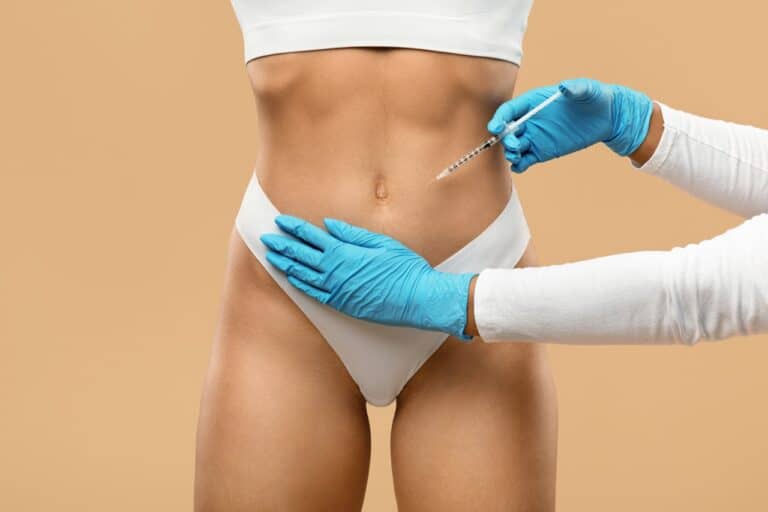
- Fluid infiltration: The surgeon inserts a thin cannula to deliver the tumescent fluid, which combines saline, anesthetic, and medication to loosen fat cells and reduce bleeding.
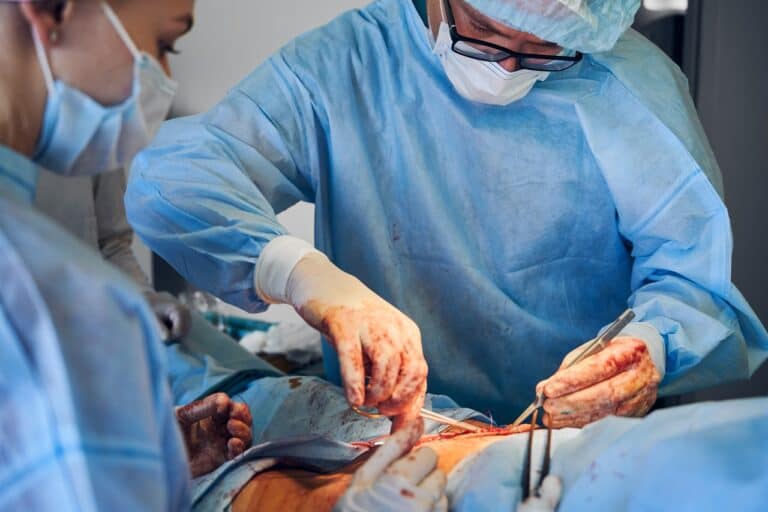
- Fat dislodgement and removal: Next, the surgeon activates a water jet that pulses through the cannula. The stream gently separates fat cells from nearby tissues, making them easier to suction out with minimal trauma.
- Contouring and closure: The surgeon sculpts the area for even, natural-looking contours before closing any small incisions with dissolvable stitches or tape.
Each case proceeds at a measured pace, and our focus remains on safety, precision, and comfort.
Duration and Recovery Room
Body jet liposuction takes between one and four hours based on how many zones require treatment. Afterward, patients spend some time in a recovery room under observation. Most individuals go home the same day and begin the recovery process with detailed instructions from our team.
Key Benefits of Body Jet Liposuction
Many patients appreciate the unique advantages of water-assisted fat removal. In this section, we highlight the primary benefits you can expect from body jet liposuction.
Main Advantages
Body jet liposuction brings several notable benefits:
- Gentler process: The water-assisted method causes less trauma, which means you may notice less pain, bruising, and swelling during recovery.
- More precise contouring: Surgeons can target specific areas with more accuracy, which helps produce smooth and even results.
- Faster recovery: Many people return to light activities and work sooner than with traditional liposuction, thanks to minimal tissue damage.
- Improved fat viability: The technique preserves more viable fat cells if you wish to use them for transfer procedures, such as fat grafting to the face or buttocks.
- Less blood loss: The tumescent fluid and gentle action help reduce bleeding and related complications.
These advantages often make body jet liposuction an attractive choice for those seeking contouring without significant downtime.
Comparing to Other Liposuction Methods
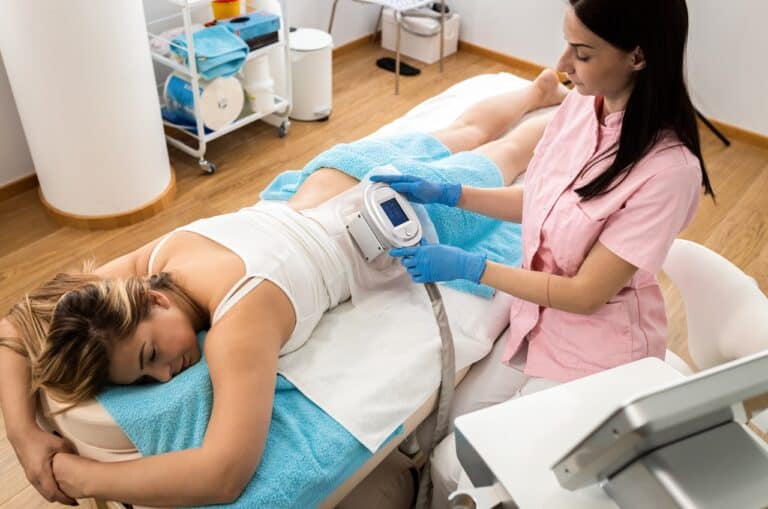
Traditional liposuction, laser-assisted, and ultrasound-assisted options each have distinct roles in cosmetic surgery. However, patients who favor reduced swelling, speedier recovery, and minimal scarring often gravitate toward body jet techniques. Our surgeon can guide you toward the best method based on your anatomy and goals, including whether a variety of non-invasive liposuction options might be more suitable for your lifestyle.
The Recovery Experience and Aftercare
After body jet liposuction, knowing what to expect helps you achieve the best possible outcome. Proper aftercare and patience are crucial parts of the process.
Typical Recovery Timeline
Here is a general overview of the lipo recovery process:
Immediate Post-Op (first 24–48 hours): Mild discomfort and swelling are expected, though these symptoms often remain less severe than with other forms of liposuction. Compression garments are essential to manage swelling and support healing.
1–2 weeks post-op: Bruising and swelling decline steadily. Most people return to work and low-impact daily activities within a few days to one week, although strenuous exercise should be paused for at least three to four weeks.
One month and beyond: Swelling continues to resolve, and the final shape becomes more apparent. You may resume vigorous exercise, but we recommend confirming with our office before doing so.
Aftercare Tips and Guidance
Our surgeon emphasizes the role of diligent aftercare in promoting ideal outcomes. Here are several recommendations to follow:
- Wear compression garments: Consistent use assists with swelling reduction and optimal skin retraction.
- Keep incisions clean: Gently washing and monitoring the incision sites minimizes infection risk.
- Avoid high-impact activity: Limit exercise, lifting, or bending until cleared, which helps tissues heal undisturbed.
- Stay hydrated and eat well: Nutritious meals and adequate fluids support your body’s recovery.
- Attend all follow-up visits: Our staff evaluates your healing progress and answers questions along the way.
A personalized aftercare plan and regular check-ins help address any concerns quickly and keep healing on track.
Risks and Potential Side Effects
While body jet liposuction features an excellent safety profile, every surgery involves some risks. We believe that open communication supports informed choices. The following section outlines the main considerations.
Common Side Effects
Most symptoms after body jet liposuction are temporary and resolve without lasting effects. Some of the most typical issues include:
- Mild to moderate swelling
- Bruising at the incisions and treatment areas
- Temporary numbness or tingling
- Minor fluid leakage from small incisions
These effects fade over days or weeks as your body recovers.
Rare Complications
Body jet liposuction rarely produces serious side effects. However, as with any surgical procedure, potential complications include:
- Infection or delayed healing
- Uneven contours or surface irregularities
- Persistent numbness
- Allergic reactions to medications or anesthesia
Open communication and adherence to aftercare instructions greatly reduce these risks. At our practice, we monitor you closely to ensure early intervention if any problems arise.
Expected Results and Longevity
Patients often want to know how their new contours will look and how long the improvements can last. Setting the right expectations is one of our top priorities at the New York Liposuction Center.
When Will I See Results?
You may notice slimmer contours within one to two weeks after the initial swelling subsides. The majority of improvement becomes visible over the next few months as tissues continue to settle. Final results often appear by three to six months after surgery, revealing a smooth and natural-looking body shape.
Duration of Results and Maintenance
The fat cells extracted during body jet liposuction do not return. However, remaining cells can still expand with significant weight gain. Patients who maintain a stable weight and active lifestyle generally see enduring results from their procedure.
Realistic Expectations
Body jet liposuction enhances body contours but does not prevent future weight gain or correct significant skin laxity. Some patients appreciate repeat procedures for further refinement or opt for additional enhancements such as skin tightening, if desired. An open conversation at your consultation helps us ensure you have a realistic sense of what to expect.
How to Prepare for Body Jet Liposuction
A successful experience starts well before the day of surgery. Preparation will contribute to a smoother procedure and better recovery. Here are some steps to take in the days and weeks leading up to your body jet liposuction session:
- Medical consultation: Attend all pre-operative visits. Our team will review your health and medication use and answer your questions.
- Lifestyle adjustments: Stop smoking and limit alcohol, as these can affect healing.
- Pre-surgical testing: Complete all bloodwork or diagnostic tests as directed.
- Medication management: Follow guidance about pausing certain prescription or over-the-counter medications.
- Arrange post-surgery support: Set up transportation home and enlist help for the first day or two if possible.
Thoughtful preparation supports a safer procedure and promotes comfort throughout your recovery.
Body Jet Liposuction vs. Traditional Liposuction
Many patients want a side-by-side comparison to visualize key differences. The following table summarizes critical aspects of both methods:
| Factor | Body Jet Liposuction | Traditional Liposuction |
| Technique | Water jet dislodges and removes fat | Manual movement to break up fat |
| Tissue Trauma | Less, with minimal bruising | More, with increased bruising/swelling |
| Recovery Time | Shorter | Typically longer |
| Precision | Higher | Moderate |
| Fat for Transfer | Highly viable | Viability lower |
| Suitable For | Localized fat, good skin tone | Large areas or fibrous fat |
| Anesthesia Type | Local with sedation or general | Often general |
Frequently Asked Questions About Body Jet Liposuction
Patients often come to the New York Liposuction Center with questions about how body jet liposuction fits their needs. We have answered some of the most common ones here for your convenience.
Achieve Your Best Shape with Body-Jet Lipo
Choosing a body contouring procedure should feel empowering, not overwhelming. Body jet liposuction brings modern technology and gentle precision together, making it possible to address stubborn fat with minimal recovery time and lasting results. Our team understands how personal these decisions feel and remains committed to supporting you with clear information and meticulous care.
Whether you wish to fine-tune specific areas or want to learn if you qualify for body jet liposuction, our surgeon can help create a plan tailored to your needs at our NYC office. Contact the New York Liposuction Center to schedule a private consultation, and let us guide you toward your next step with confidence and knowledge.