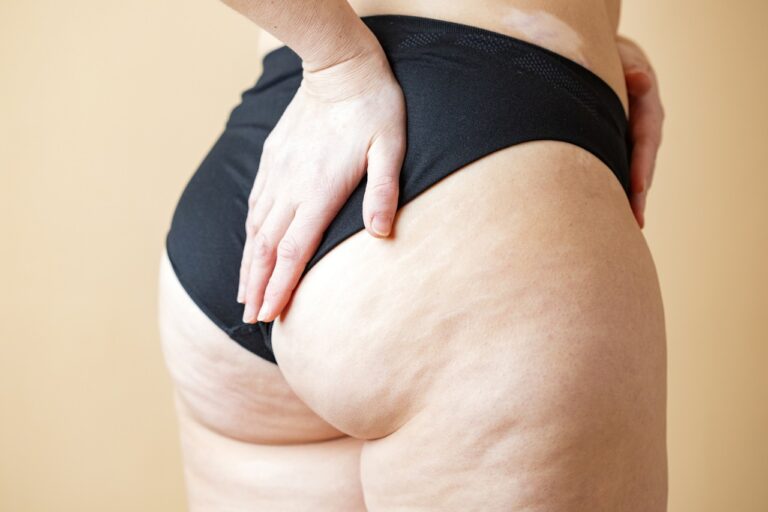
Cellulite affects people of all ages, but seniors often notice increased visibility and severity as skin loses elasticity and underlying structures change with time. The dimpled, cottage cheese appearance that cellulite creates can affect confidence and clothing choices.
At the New York Liposuction Center, we recognize that body confidence matters at every age. While cellulite is completely normal and not a health concern, many seniors seek solutions that improve skin appearance and restore smoothness. This guide explores cellulite in older adults and the realistic options available for improvement.
Key Takeaways
Why Cellulite Becomes More Visible With Age
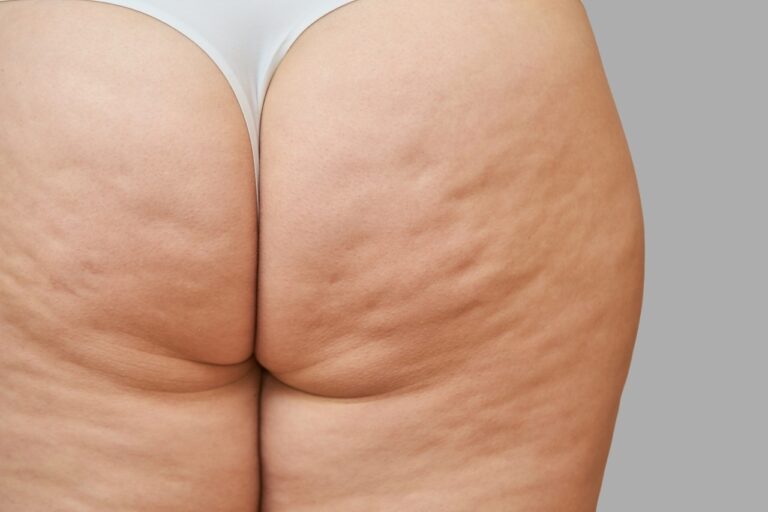
Cellulite develops when fat deposits push through connective tissue beneath the skin, creating the characteristic dimpled appearance. In younger people, thicker skin and stronger connective tissue mask this structural issue better. As you age, skin becomes thinner and loses elasticity, which makes the underlying irregularities more apparent.
Collagen production decreases significantly after age 50. This protein provides skin structure and firmness. With less collagen, skin cannot hold its smooth appearance as effectively. The thinning skin allows the fat protrusions underneath to show through more visibly than when you were younger.
Connective tissue also weakens with age. The fibrous bands that connect the skin to the underlying muscle become less flexible and can pull down more strongly. This increased pulling creates deeper dimples and a more pronounced cellulite appearance, even if fat distribution hasn’t changed significantly.
Hormonal Changes and Cellulite Development
Estrogen plays an important role in maintaining skin thickness and connective tissue strength. As estrogen levels decline during and after menopause, skin structure changes in ways that worsen cellulite. Blood flow to connective tissue decreases, which reduces oxygen and nutrient delivery needed for tissue health.
The hormonal shifts also affect fat distribution patterns. Many women notice fat accumulating more readily in thighs and buttocks after menopause, which are the primary areas where cellulite appears. This combination of increased fat in cellulite-prone areas plus weakened skin structure creates a perfect storm for worsening appearance.
Reduced circulation from aging and hormonal changes means less efficient removal of fluid and waste from tissues. This fluid retention can make cellulite appear more pronounced. The skin may look puffier, and dimples become more obvious when tissues hold excess fluid.
Misconceptions About Cellulite in Seniors
Many seniors believe cellulite results from poor lifestyle choices or excess weight. While these factors can contribute, cellulite is primarily a structural issue related to how fat, connective tissue, and skin interact. Understanding the true causes helps set realistic expectations for improvement.
- Weight loss doesn’t eliminate cellulite: Losing weight may reduce cellulite visibility somewhat, but it doesn’t address the underlying structural issues that cause the dimpled appearance.
- Exercise alone won’t fix it: While exercise improves muscle tone and circulation, it cannot restructure the connective tissue or change how fat deposits push against skin.
- It’s not a sign of poor health: Cellulite is a cosmetic concern rather than a medical problem and doesn’t indicate anything wrong with your overall health or fitness level.
- Only women get cellulite: While women develop cellulite more frequently due to different connective tissue structure and hormonal influences, men can have it too, particularly as they age.
- Expensive creams can’t cure it: Topical treatments may temporarily improve appearance through hydration and slight swelling, but they cannot permanently restructure tissues beneath the skin.
Understanding these facts prevents wasting time and money on approaches that promise unrealistic results. Effective cellulite management requires addressing the actual structural causes rather than pursuing solutions based on misconceptions.
Non-Invasive Treatment Options for Seniors
Several treatments can improve cellulite appearance without surgery or significant downtime. These options work through different mechanisms to address various aspects of the cellulite problem. Understanding how each approach works helps you choose treatments appropriate for your goals and situation.
Topical Treatments and Lifestyle Approaches
Retinoid creams can thicken skin over several months of consistent use, which helps mask underlying irregularities. Caffeine-based products may temporarily reduce fluid retention and tighten skin appearance. However, these effects are modest and require ongoing application to maintain any improvement.
Dry brushing and massage techniques improve circulation and may temporarily reduce fluid buildup. Many people find that these approaches make skin feel smoother and look slightly better. The improvement is temporary and requires regular maintenance, but the low cost and safety make them worth trying.
Staying well-hydrated and maintaining a stable weight helps prevent worsening. Dramatic weight fluctuations stretch and stress skin and connective tissue, which can make cellulite more pronounced. Stable weight allows tissues to maintain their structure better over time.
Radiofrequency and Laser Treatments
Radiofrequency devices heat deeper skin layers to stimulate collagen production. This tightening can improve skin thickness and elasticity over time, which helps smooth the appearance. Treatments require multiple sessions spaced several weeks apart, with results developing gradually over months.
Laser treatments work similarly by heating tissue to promote collagen remodeling. Some systems combine laser or radiofrequency with massage or suction to address multiple cellulite factors simultaneously. These combination approaches often produce more noticeable improvement than single-mechanism treatments.
Results from energy-based treatments typically last six months to a year before maintenance sessions become necessary. The improvement is modest rather than dramatic, but many patients find the enhancement worthwhile. Treatment costs vary but generally range from several hundred to several thousand dollars for a complete series.
Minimally Invasive Procedures for Cellulite Reduction
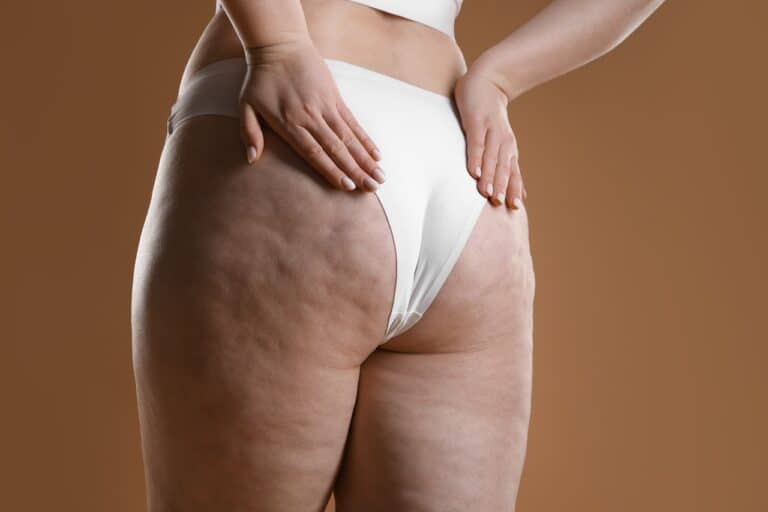
More aggressive approaches provide greater improvement than non-invasive options. These procedures involve small incisions or injections but still avoid the extensive surgery and recovery that traditional approaches require. The enhanced results come with slightly higher risks and costs compared to non-invasive alternatives.
Subcision Techniques
Subcision procedures use small blades inserted through tiny incisions to cut the fibrous bands pulling down on the skin. Releasing these bands allows the skin to bounce back and smooth out. The FDA-approved Cellfina system represents the most established subcision approach specifically for cellulite.
Results from subcision can last two years or longer, making it more durable than non-invasive options. The procedure takes about an hour and requires only local anesthesia. Most patients experience bruising and soreness for one to two weeks, but can return to normal activities within days.
The approach works best for dimples caused by tight fibrous bands rather than generalized texture irregularities. Your consultation includes an assessment of whether your cellulite pattern suits this treatment. Not every patient achieves significant improvement, but appropriate candidates often see a meaningful reduction in dimpling.
Injectable Treatments
The FDA-approved Qwo represents the first injectable treatment specifically for cellulite. The medication contains enzymes that break down the collagen in fibrous bands. Multiple injections across treatment areas release the bands causing dimples.
Treatment requires three sessions spaced three weeks apart. Side effects include bruising and temporary discomfort at injection sites. Results develop over several weeks as tissue remodels after band release. Improvement can last one to two years before maintenance treatments become necessary.
The injectable approach offers convenience compared to procedures requiring incisions. However, the bruising can be significant and may take several weeks to fully resolve. Patients need to plan treatment timing around social commitments and be prepared for the visible side effects during healing.
What Liposuction Can and Cannot Address
Traditional liposuction removes deep fat but doesn’t treat cellulite and can actually make it more visible. Removing the deep fat layer leaves the superficial fat and connective tissue irregularities more apparent. Many patients are disappointed when cellulite looks worse after standard liposuction.
Specialized techniques like laser-assisted liposuction may provide some skin tightening that helps cellulite. The thermal energy stimulates collagen production, which can thicken and tighten skin. However, the improvement is modest, and liposuction should never be chosen primarily for cellulite treatment.
Some patients combine liposuction with specific cellulite treatments for comprehensive improvement. The liposuction addresses fat volume and contour while cellulite-specific procedures, such as a fat transfer process, tackle the structural issues. This combination approach can work well for patients with both excess fat and significant cellulite concerns.
Realistic Expectations and Treatment Planning
No treatment eliminates cellulite completely or permanently. Setting realistic expectations for improvement rather than perfection prevents disappointment. Most effective treatments reduce cellulite visibility by 20 to 50 percent, which represents meaningful but not total correction.
- Improvement varies individually: Your specific cellulite pattern, skin quality, and tissue characteristics affect how well different treatments work for you compared to other patients.
- Multiple sessions often needed: Most approaches require a series of treatments rather than single sessions to achieve noticeable improvement and build cumulative results.
- Maintenance becomes necessary: Even the most effective treatments require periodic maintenance to sustain improvements as natural aging processes continue.
- Combination approaches work best: Using multiple treatment types that address different cellulite factors often produces better results than relying on single approaches.
- Results take time to develop: Most treatments show gradual improvement over weeks to months rather than immediate changes, which requires patience during the process.
Understanding these realities helps you approach cellulite treatment with appropriate expectations. Patients who expect realistic improvement rather than complete elimination typically feel more satisfied with their outcomes.
Prevention and Maintenance Strategies
While you cannot prevent cellulite entirely, certain lifestyle habits can slow progression and help maintain treatment results. These strategies support skin health and tissue structure in ways that minimize cellulite worsening as you continue aging.
Strength training builds muscle underneath fat and connective tissue. This muscular foundation provides better structural support that can make skin appear smoother. Focus on exercises targeting thighs, buttocks, and other cellulite-prone areas for maximum benefit.
Cardiovascular exercise improves circulation and helps prevent fluid retention. Better blood flow delivers nutrients and oxygen to the skin and connective tissue. Enhanced circulation also removes metabolic waste more efficiently, which supports tissue health.
Avoiding yo-yo dieting protects skin and connective tissue from repeated stretching and relaxing. Maintaining a stable weight prevents stress on tissues that can worsen cellulite appearance. If weight loss is needed, pursue gradual reduction rather than rapid changes.
Frequently Asked Questions About Cellulite in Seniors
Moving Forward With Cellulite Management
Cellulite in seniors results from natural aging processes affecting skin, connective tissue, and hormonal balance. While the increased visibility can be frustrating, various treatment options provide meaningful improvement. Understanding realistic expectations and choosing appropriate treatments helps you address this common concern effectively.
The most important factor is selecting treatments that suit your specific situation. Your cellulite pattern, skin quality, budget, and tolerance for downtime all influence which approaches work best. Consulting with experienced providers in New York who offer multiple treatment options ensures you receive honest guidance tailored to your needs.
Ready to explore cellulite treatment options that suit your situation? Contact the New York Liposuction Center to schedule a consultation. We’ll assess your specific concerns, discuss realistic expectations, and recommend appropriate approaches to improve your skin’s appearance and boost your confidence.