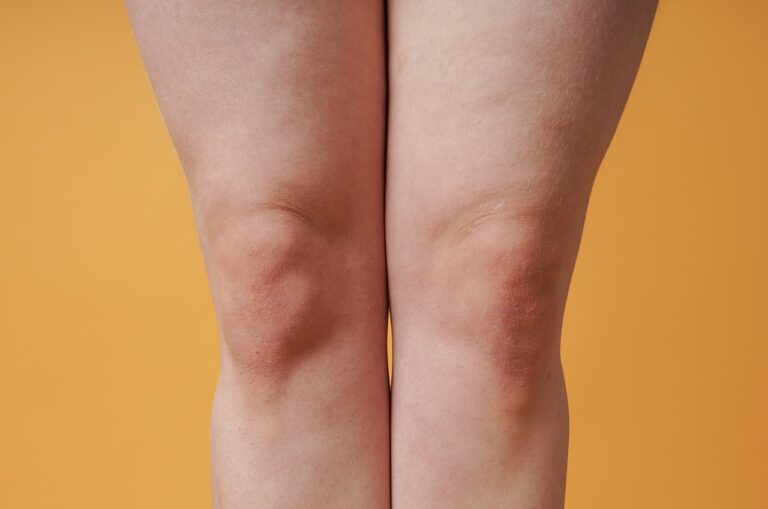
Seeking a firmer, more proportionate thigh contour is a personal journey. Each individual arrives with different concerns, goals, and questions about what is possible and which surgical technique could deliver the best results for their unique situation.
At the New York Liposuction Center, we see a range of patients who want to smooth and tighten their upper legs following major weight loss or changes in skin elasticity. By comparing horizontal and vertical thigh lift techniques, our surgical team can tailor our approach to fit each patient’s anatomy and expectations.
Let us guide you through everything you need to know about these two advanced body contouring solutions, from candidacy and incisions to healing and results.
Key Takeaways

Understanding Thigh Lifts: An Overview
Before comparing horizontal and vertical thigh lifts, it is important to know what these surgeries address. Both methods aim to improve the firmness and contour of the thighs, though the specific approach depends on what kind of excess tissue or skin a patient presents.
Thigh lifts have become a popular choice for those seeking dramatic improvement after significant weight changes or natural aging. During your consultation at the New York Liposuction Center, our surgeon will always evaluate your goals, skin quality, and general health before recommending one of these procedures.
What Causes Loose Thigh Skin?
Several factors can lead to thigh skin laxity. Most commonly, dramatic weight loss, pregnancy, and the natural aging process impact collagen and elastin, stretching the skin beyond its ability to recoil.
When diet and exercise do not correct sagging, a surgical thigh lift may offer the safest and most effective solution.
The Purpose of a Thigh Lift
The main goal of any thigh lift is to sculpt a tighter, smoother upper leg by removing extra skin and, occasionally, stubborn pockets of fat. The ideal outcome blends your thigh contours gently into your buttocks, hips, and knees. To achieve a truly streamlined leg, many patients choose to combine their lift with knee liposuction, addressing stubborn fat pockets that can otherwise disrupt the smooth transition from the thigh to the lower leg.
A thigh lift can produce dramatic changes in body proportion and confidence when performed by a skilled surgical team.
Horizontal Thigh Lift: What to Expect
If your main concern is loose skin at the very top of your inner thighs, a horizontal incision or a mini thigh lift may be the most suitable path forward. This localized approach is ideal for patients with minor sagging who want to avoid the more extensive scarring associated with vertical procedures. This method leaves the scar hidden in the groin crease, which lets many patients wear shorts and swimsuits comfortably.
Indications for Horizontal Thigh Lift
Candidates seek this procedure when most of the unwanted tissue rests in the upper third of the thigh. The result can be a natural contour without an extensive incision running down the length of the leg.
Surgical Technique and Scar Placement
A horizontal thigh lift uses a curved or crescent incision along the crease where the thigh meets the groin. Our surgeon removes the required amount of skin and, when necessary, tightens underlying tissues with sutures.
The scar generally remains concealed within underwear or bathing suit lines. This makes the horizontal thigh lift popular among patients who place a high priority on discrete results.
Benefits and Limitations
This technique works best for those with a moderate amount of skin laxity close to the groin. Patients with more severe or extensive looseness extending further down the thigh may see limited improvement with this approach alone.
Horizontal thigh lifts usually allow for a quicker recovery and less risk of visible scars compared to vertical techniques.
Vertical Thigh Lift: Features and Process
A vertical thigh lift addresses more substantial or widespread skin laxity, particularly when loose skin runs along the inner leg from the groin to the knee. This method differs in incision pattern and potential impact, so it offers advantages for certain body types.
Indications for Vertical Thigh Lift
Patients wishing to eliminate excess skin extending down the entire length of the inner thigh often prefer the vertical lift. The vertical incision allows the surgeon to remove a wider ellipse of tissue, which results in a smoother contour along the full line of the upper leg.
Surgical Technique and Incision Details
In this procedure, our surgeon places a vertical incision along the inner thigh, which may extend from the groin down to the knee. This location helps minimize scar visibility, though the resulting line can be more noticeable than the groin-located scar of a horizontal lift.
This technique allows for greater tissue removal, which makes it ideal after major weight loss or when dramatic changes are desired.
Benefits and Limiting Factors
The vertical thigh lift can produce striking improvements for those with severe sagging skin running the entire length of the leg’s inner aspect. However, the trade-off comes in the form of a longer, somewhat more visible scar.
Recovery may take longer, and there is a higher risk of wound complications due to the tension exerted on the incision site.
Comparing Horizontal vs. Vertical Thigh Lifts
Patients often ask our team how horizontal and vertical thigh lifts compare, and which technique would best address their needs. Each method has distinct advantages and drawbacks, depending on your body type and goals.
Key Differences Between the Two Procedures
Here are the most important contrasts you should understand when considering your options:
- Scar Placement: Horizontal thigh lifts leave scars hidden along the groin crease, while vertical lifts require a longer incision down the thigh’s inner aspect.
- Amount and Location of Skin Removal: Horizontal lifts target only the upper third of the inner thigh, while vertical lifts can address laxity that runs from the groin to the knee.
- Recovery and Downtime: While horizontal thigh lifts generally involve a shorter recovery with fewer wound complications, vertical lifts may require longer healing times and closer monitoring for issues such as delayed wound healing.
- Suitability: Patients with skin excess limited to the upper thigh typically benefit from the horizontal approach, whereas those with more extensive laxity do better with the vertical method.
- Scar Visibility: The scar from a horizontal lift tends to remain concealed by most clothing, whereas the vertical scar, even though it remains on the inner thigh, may be visible with certain outfits or in bathing suits.
- Results: Both techniques can provide a firmer, more pleasing thigh contour, but the vertical method is often needed for the most dramatic transformations.
Your surgeon at our practice will review these factors during your consultation and explain how each approach could work in your specific case.

Candidacy Criteria: Who Makes the Best Candidate?
Not every patient will need the same technique. Your unique anatomy and surgical goals will determine which approach gives the safest, longest-lasting, and most satisfying results. At our New York office, we evaluate several factors before scheduling a thigh lift.
Medical and Lifestyle Considerations
Strong candidates for either procedure generally meet these criteria:
- Stable Weight: You have achieved and maintained a steady weight for at least 6–12 months. Subsequent changes could compromise your results.
- Good General Health: You do not suffer from uncontrolled health conditions, such as diabetes, bleeding disorders, or heart disease, which could increase surgical risk.
- Tobacco-Free: Results heal better, and complication rates drop for non-smokers, as a healthy blood supply is crucial for proper healing.
- Realistic Expectations: You understand both the advantages and the trade-offs of each method, especially the need for scar acceptance.
- Adequate Skin Quality: Your skin has enough laxity for significant tissue removal, without excessive stretch marks or thinness that would make surgery unsafe.
Only a consultation and examination with our surgical team can confirm your candidacy for either technique.
The Procedure Step-by-Step: What Happens in Surgery?
Both horizontal and vertical thigh lifts take place in an accredited surgical facility. Our surgical team follows strict protocols to ensure safety and comfort before, during, and after the operation.
Preparation for the Day of Surgery
You will receive instructions regarding fasting, medications, and postoperative care prior to your procedure date. The surgical team will review your treatment plan and address any last-minute concerns.
Key Steps in the Surgical Process
Every thigh lift is highly individualized, but most follow these stages:
- Anesthesia: Your safety is our highest priority. We perform thigh lifts with either general anesthesia or intravenous sedation, based on your health and preference.
- Incision Placement: Our surgeon places the incisions according to which technique is chosen. We take care to follow planned, predetermined lines as closely as possible.
- Skin and Tissue Removal: The targeted skin and, if necessary, underlying fat are gently lifted and excised. At this time, we may use liposuction to further contour the thigh if agreed upon beforehand.
- Closure and Dressing: The surgical team uses dissolvable or removable sutures and applies sterile dressings to protect the incisions.
Most thigh lifts take about two to three hours. You will spend time in our recovery area before going home the same day. However, a short overnight stay is sometimes recommended if combined with other procedures.
Recovery and Aftercare: What Patients Can Expect
Your journey does not end once the procedure is complete. Proper aftercare is the key to a smooth recovery and the best long-term outcome. Reviewing specific thigh liposuction recovery tips, such as the proper use of compression garments and lymphatic drainage, can significantly enhance your comfort and help you maintain your new contours during the healing phase.
What to Expect During Recovery
We recommend that all patients plan for a period of reduced activity. Most can return to desk work within 10-14 days after a horizontal thigh lift, while vertical thigh lifts may require two to three weeks before resuming normal routines.
Swelling, Discomfort, and Scar Care
Mild swelling and bruising are normal after surgery. Our team may prescribe medication to control discomfort and minimize infection risk.
Scar care is crucial for achieving the most subtle and even healing. The appearance of surgical scars often improves dramatically over a year.
Activity Restrictions and Recovery Timeline
While you may be able to move around after only a few days, you should wait to resume heavy lifting or vigorous exercise for four to six weeks.
Vertical thigh lift patients need to avoid placing too much tension on the incision early in recovery. Our surgeons provide detailed instructions to support healing and reduce the risk of wound breakdown.
Scheduled follow-up appointments let our New York Liposuction Center team assess healing and answer questions as you progress.
Risks, Complications, and How We Minimize Them
Every surgical procedure carries certain risks, and thigh lifts are no exception. Although complications remain rare when a skilled surgeon performs the operation, understanding them can help you prepare and reduce your own risk.
Most Common Risks and Complications
Both horizontal and vertical thigh lifts share some possible concerns, though the risk profile can differ by technique.
- Scarring: Some degree of scarring is unavoidable. Horizontal incisions tend to leave a less visible mark, while vertical incisions carry a higher risk of noticeable scarring.
- Infection: Though infrequent, wound infections can slow recovery or require additional treatment.
- Seroma or Hematoma: Fluid or blood collection under the skin can occur, which may require drainage.
- Wound Dehiscence: The risk that incisions can open, especially with the increased tension of vertical thigh lifts, requires careful patient compliance and follow-up.
- Numbness or Sensitivity: Temporary changes in skin sensation in the thigh area often resolve as nerves recover, though permanent changes are possible in rare cases.
- Delayed Healing: This is more commonly seen with larger incisions or in patients who smoke.
Our surgical team uses the latest methods to reduce risks. We screen our patients carefully, use meticulous closure techniques, and provide specific aftercare instructions to foster optimal healing.
Results: What to Realistically Expect
Knowing what either thigh lift technique can (and cannot) accomplish helps set proper expectations. Long-lasting improvement is possible, but individual anatomy and lifestyle factors play a role in your final look.
Expected Outcomes
Patients undergoing either technique usually see a tighter, firmer contour, with a dramatic reduction in loose or sagging skin. Results become more visible as swelling decreases in the first six weeks after surgery. The true final result may take up to one year as tissues settle.
Scars fade significantly for many patients, though the degree of scar visibility varies.
What Affects Longevity of Results?
Routine exercise and weight stability help preserve your results for years. Major weight changes, future pregnancies, or natural aging can affect skin tone and thigh appearance even after a successful lift.
Our surgeon will discuss how to prolong your outcomes during your consultation.

How to Choose the Best Thigh Lift for You
The decision between a horizontal or vertical thigh lift is highly personalized. One-to-one consultation clarifies which approach matches your body, your goals, and your willingness to accept certain trade-offs.
What to Discuss With Your Surgeon
Here are a few key questions to ask during your visit:
- Which approach fits my anatomy best?
- How will my scar look, and where will it be located?
- What will recovery look like for my chosen technique?
- What are the possible complications, and how does your team address them?
- Can my thigh lift be combined with liposuction or other body contouring?
By understanding all your options and potential outcomes, you will feel more confident in your decision and in our care at the New York Liposuction Center.
Confidence in Your Thigh Contouring Decision
Choosing between a horizontal and vertical thigh lift is about more than eliminating excess skin. This decision affects comfort, body confidence, and the way clothing fits in daily life. At our practice, we pride ourselves on educating patients and ensuring they understand each step of this journey.
The right procedure is always the one that matches your anatomy and goals while minimizing risk. Our surgeon works closely with you to tailor every aspect, from incision placement to aftercare guidance. With our team’s support, you can approach your thigh contouring procedure with clear expectations and peace of mind.
If you want to learn more or explore which thigh lift would help you achieve your goals, we invite you to schedule a confidential consultation with our experienced surgeon at the New York Liposuction Center. Our office will help you discover your options and plan the next step toward a firmer contour.