Every day efforts with eating well and moving your body can feel endless when certain trouble spots simply refuse to shrink. Stubborn fat sometimes resists even the most committed lifestyle changes, making lasting change seem elusive and frustrating.
At the New York Liposuction Center, we see the hope and hesitation patients bring when wondering if liposuction could be the answer. Understanding the nuances of diet and exercise versus liposuction surgery is vital before you take the next step. In this article, you will find a clear and balanced view to help you make informed, confident decisions about your body.
Key Takeaways
Diet and Exercise: Foundations for Health and Body Change
Most people know that balanced eating and consistent physical activity are crucial for wellness. These lifestyle factors reach far beyond appearance, affecting your heart, mood, risk for disease, and energy each day.
However, when it comes to body shape and stubborn fat, not all results are equally responsive to change. Some sections of fat simply do not shrink, no matter how devoted you remain.
How Diet Impacts Body Fat
Food choices determine how your body stores or burns fat. For many people, calorie intake and nutritional balance play the largest roles in changing fat levels throughout the body.
Eating patterns that support fat reduction include high-fiber vegetables, lean proteins, and low added sugars. Timing and meal frequency may play a role for some people, but overall daily intake makes the most impact.
The Role of Exercise in Shaping the Body
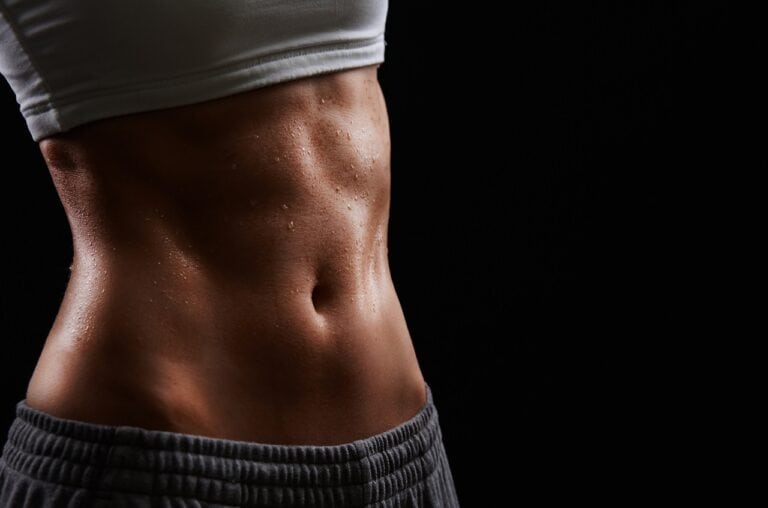
Movement, including both aerobic and strength training exercises, supports fat loss by using energy and preserving lean muscle mass. Aerobic activity helps the body create a calorie deficit for weight change, and strength exercises build definition.
Yet, spot reduction is a myth. Exercise rarely strips fat from only one problem area, since genetics often determines where fat is first stored and last lost.
Why Some Fat Remains Stubborn
Even with a great nutrition plan and rigorous exercise, certain fat deposits may linger. Genetics, hormones, age, and past body changes can influence these patterns.
People frequently notice persistent areas around the abdomen, thighs, hips, or back. These spots may not improve, regardless of weight lost elsewhere.
Building realistic expectations early helps reduce frustration and prepares you to consider all the body-contouring paths available.
Liposuction: An Overview of the Procedure
Liposuction is not just a cosmetic fix, but a surgical tool intended for contouring, not weight loss. At our practice, we lean on the evolution of liposuction to perform this procedure with safety, artistry, and your goals in mind.
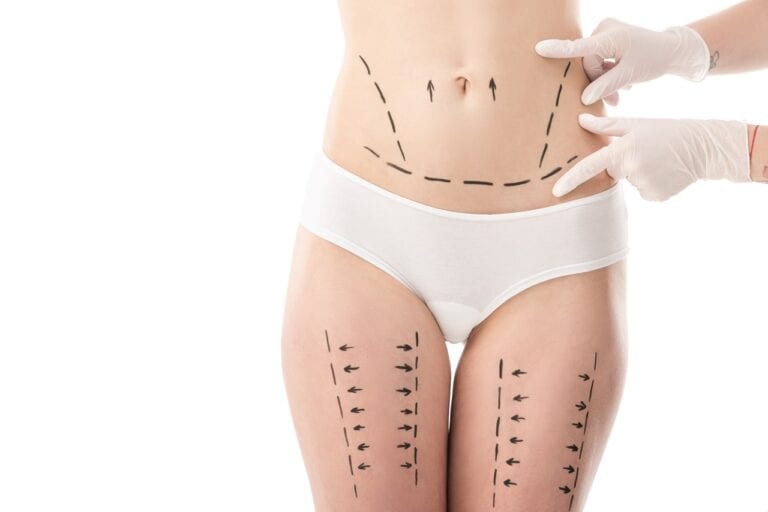
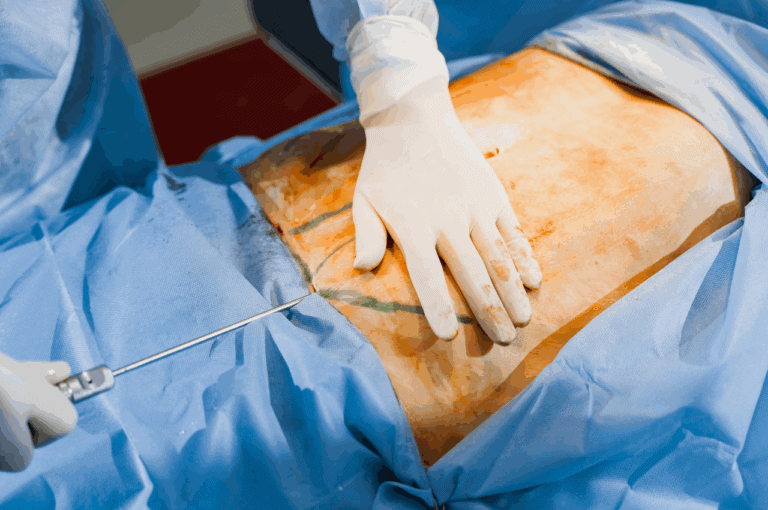
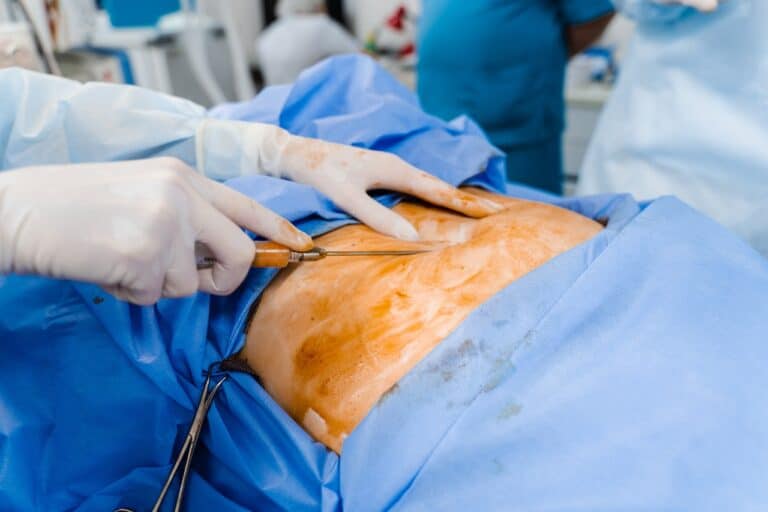
During a typical liposuction procedure, a surgeon uses a cannula (a thin tube) to remove unwanted fat from targeted sections of the body. The most common sites include the abdomen, flanks, thighs, arms, and chin.
Techniques Used in Liposuction
Several modern liposuction methods exist, and each technique offers unique advantages depending on your tissue type and cosmetic plan.
- Tumescent Liposuction: This remains one of the most popular approaches. Surgeons inject a saline solution with a mild anesthetic and epinephrine to minimize pain and bleeding, while loosening fat cells for controlled removal.
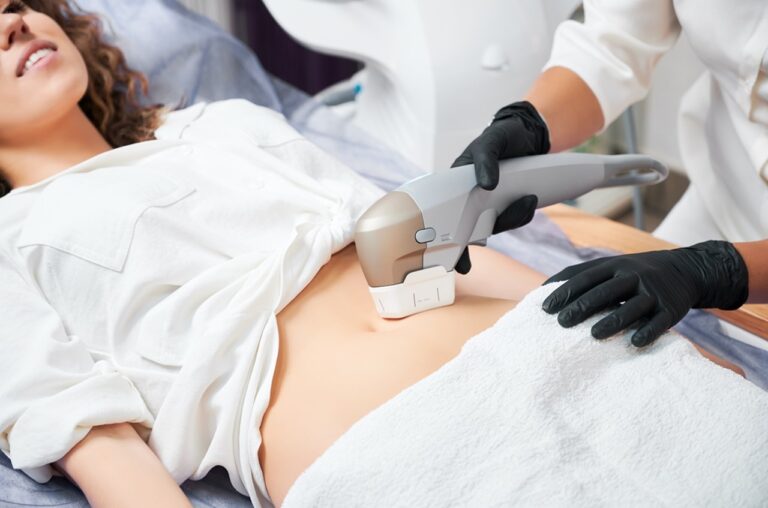
- Ultrasound-Assisted Liposuction: Surgeons use ultrasound waves to break down fat before aspiration, which works well for dense or fibrous fat areas.
- Laser-Assisted Liposuction: This method liquefies fat with laser energy, promoting precision in small or delicate spaces.
Each technique involves careful planning and individualized strategy at the New York Liposuction Center. Surgeons select the most suitable method to achieve natural-looking, smooth results.
Typical Candidates and Limitations
Liposuction serves healthy individuals near their ideal body weight who seek to refine stubborn fat pockets. It is not meant for those seeking major or rapid weight loss.
People with significant health concerns, certain chronic diseases, or highly elastic skin may not be ideal candidates. In a consultation, the surgeon evaluates your medical history, physical examination, and goals to ensure safe outcomes.
What to Expect During Recovery
After surgery, mild pain, bruising, or swelling often occur in treated areas. Compression garments support healing and help control swelling.
Most patients return to routine light activities after several days, although strenuous exercise should wait two to four weeks. Results continue to refine for months as swelling subsides.
While complications remain rare, any surgical intervention carries some risk. Our team discusses these thoroughly and follows careful protocols for optimal safety.
Comparing Diet and Exercise to Liposuction
Patients choosing between lifestyle change and a body contouring procedure often want to know which approach brings better or longer-lasting results. The answer depends on your unique goals, timeline, and health.
Fat Reduction Versus Fat Removal
Diet and exercise promote fat loss across your entire body, reducing visceral and subcutaneous fat overall. These changes create improvements in your blood pressure, cholesterol, sleep, and mood.
Liposuction, on the other hand, removes fat cells directly from the tissue at specific locations. Once removed, those cells do not grow back, which reshapes the area permanently.
However, untouched fat cells nearby can enlarge if you gain weight later. For this reason, combining surgery and ongoing healthy habits leads to the most satisfying, lasting physical change.
Changes in Appearance and Shape
When people shed pounds from lifestyle efforts, body shape changes happen gradually. Some areas slim quickly, while others barely change due to genetic variation.
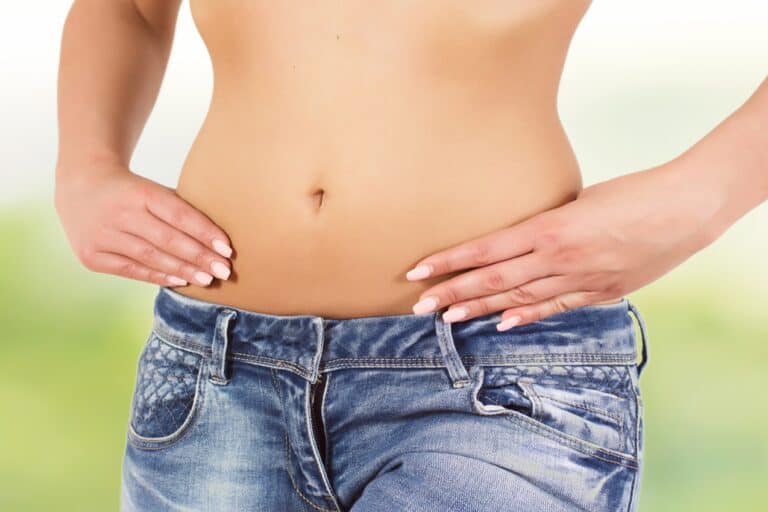
Patients selecting liposuction see dramatic shaping of select trouble spots, often achieving a slimmer, smoother, or more defined appearance than with diet and exercise alone.
Surgical contouring also provides an option for individuals who feel discouraged after reaching a healthy weight but still dislike a particular area.
Advantages of Each Approach
Both lifestyle habits and surgical intervention have unique strengths. Here is a look at some of the key advantages on both sides:
- Diet and Exercise: Lower overall disease risk, improved energy and mobility, and no surgical recovery required.
- Liposuction: Precise targeting of resistant fat, immediate change in body contours, and increased confidence in clothing or swimwear.
The right choice depends on your priorities. Many patients combine both approaches for their best outcome.
Deciding Between Diet, Exercise, and Liposuction
The choice to pursue a procedure like liposuction or rely on traditional methods is highly personal. Many factors can influence the decision, including medical needs, timeline for results, and emotional readiness.
Who Should Consider Liposuction?
Not everyone benefits equally from surgical fat reduction. Ideal candidates fit the following criteria:
- Stable Weight: Candidates have already achieved or nearly achieved their goal weight through healthy means.
- Localized Fat: Those with a few defined pockets of fat, rather than widespread excess, see the most noticeable results.
- Good Skin Elasticity: Firm, elastic skin responds best, ensuring a smooth outcome after fat removal.
- Realistic Expectations: Patients must understand what liposuction can and cannot do. This procedure improves body shape, but does not create perfection.
If your expectations and readiness align with these criteria, a liposuction consultation could be a logical next step.
Who Should Focus on Diet and Exercise?
Some goals are better and more safely reached through non-surgical means. People with a higher body mass index (BMI), multiple health issues, or unrealistic timelines benefit most by:
- Starting or revamping a nutrition and fitness plan.
- Seeking education from nutrition and exercise professionals.
- Focusing on gradual, sustainable change.
Our team gladly guides you through this process with support and realistic advice.
Possible Risks and Side Effects
Patients have many questions about safety. As with any medical procedure, liposuction carries certain risks that must be thoroughly.
Surgical Risks in Liposuction
Every surgical intervention involves some possibility of complications, even with an experienced medical team.
Common risks and side effects include:
- Bruising and Swelling: Treated areas often swell or bruise, which usually subside over several weeks.
- Temporary Numbness: Some loss of sensation near incision sites remains common temporarily.
- Fluid Accumulation: Sometimes fluids may collect under the skin, which the surgical team can carefully manage if needed.
- Infection: Proper wound care after the procedure helps prevent infection, although it rarely occurs.
- Irregular Contours: In rare cases, uneven contours develop and may require correction.
- Deep Vein Issues: Blood clots or fat embolism are very uncommon but remain possible.
Each item represents a rare outcome when performed with expert technique and thorough screening.
We monitor all patients through the recovery phase, addressing any issues promptly for your peace of mind.
Risks When Relying on Diet and Exercise
Traditional fat-loss methods do not carry surgical risk, but can pose other challenges:
- People sometimes battle nutrient deficiencies when strict dieting leads to inadequate caloric or micronutrient intake.
- Extreme dieting or overtraining causes fatigue, muscle loss, or negative effects on mood and metabolism.
- Striking the right balance between effort, nutrition, and rest helps ensure the healthiest result.
The Liposuction Recovery Process
Choosing liposuction means preparing for both the immediate and longer-term healing process. Knowing what to expect helps reduce anxiety and promotes a smoother recovery.
Immediate Aftercare and Restrictions
In most cases, bandages or compression garments support tissues and help manage swelling. These garments should remain in place for several weeks as directed.
Mild pain or bruising may last for a week or more, easily managed with oral pain relievers and plenty of rest. Our practice provides clear, step-by-step instructions for at-home care, medication, and follow-up.
Timeline for Returning to Normal Activities
Most people return to work or light movement within several days, depending on the extent of their procedure.
Exercise, heavy lifting, or more physical activities should wait two to four weeks, although this varies based on individual healing.
Surgeons encourage you to walk daily, as gentle movement maintains circulation and supports recovery.
Long-Term Maintenance
Healing continues for many weeks after visible swelling resolves, and the final shape appears as tissues settle.
Maintaining a stable weight and healthy lifestyle supports the procedure’s benefits and prevents unwanted fat return to other areas.
Regular check-ins during follow-up visits allow our team to provide reassurance and answer questions.
How to Keep Your Liposuction Results
Sustainable, satisfying results come from a realistic plan for maintaining your body after liposuction or an intense lifestyle change.
How Fat Cells Behave After Liposuction
Suction removes specific fat cells permanently, but leftover fat cells elsewhere on the body remain. If body weight rises, these remaining cells enlarge and may create new concerns.
A nutritious diet and regular exercise routine help manage body weight long-term, which protects your investment in any cosmetic procedure.
Building a Lasting Lifestyle
People often feel a new motivation to care for their bodies after changing their shape with liposuction. Pairing surgery with daily habits such as whole foods, moderate portions, and activity brings the most rewarding and durable outcome.
We encourage patients to see their procedure as a jumpstart, not a shortcut, towards a sustainable, energized lifestyle.
Our Step-by-Step Liposuction Preparation
If you choose to explore surgery, proper preparation ensures safety and smooth results. At our New York office, you receive personalized support at each stage.
Here is a typical step-by-step process:
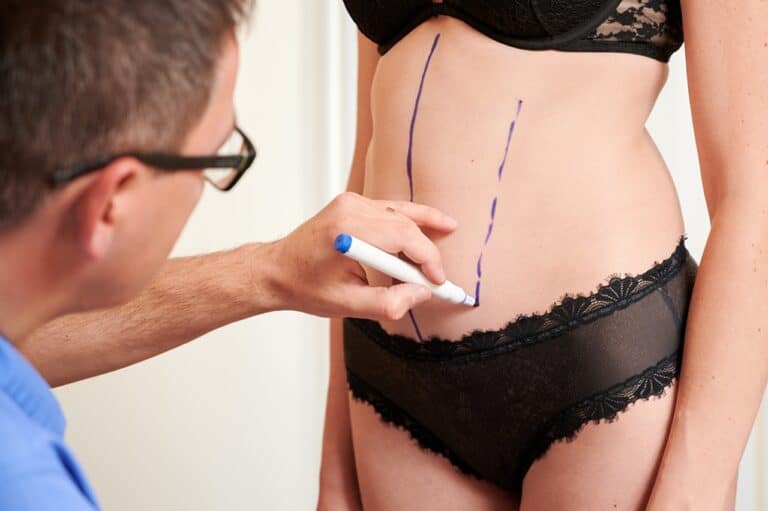
- Consultation: You and a surgeon discuss your concerns, goals, and history to confirm candidacy and create a custom plan.
- Pre-Surgical Assessment: Pre-operative tests or lab work help rule out health concerns.
- Instructions and Education: Our staff reviews what to eat, drink, and avoid in the days before the procedure.
- Day of Surgery: Patients meet with the surgical team, review the plan once more, and enter the operating suite with full support.
- Aftercare Planning: You leave with written guidance, prescriptions, and a direct line for questions while healing.
Each stage provides the information and reassurance needed for a confident, safe experience with us.
Realistic Expectations: Looking Beyond the Numbers
Comparing diet and exercise to liposuction can create doubts or even misleading impressions. Achieving your ideal body involves more than numbers on a scale or tape measure.
Body Image, Confidence, and Personal Satisfaction
Surgery changes appearance, but emotional satisfaction comes from how you feel in your skin each day. At the New York Liposuction Center, we discuss your motivations and help guide your mindset as much as appearance.
Patients often report increased comfort, improved posture, and a renewed interest in clothing or activities after their procedures.
Understanding What Liposuction Cannot Do
Liposuction cannot prevent weight gain in the future, nor can it address loose, excess skin, or cellulite.
Patients maintaining consistent weight and healthy choices report the highest and longest-lasting satisfaction.
Choosing Your Path Forward
Exploring both traditional and surgical methods for body change allows you to decide with full confidence. At the New York Liposuction Center, our team supports education, safety, and your vision of success, whether you move forward with surgery or not.
Every person’s body and motivation look different. Our surgeon can help you map out a custom, realistic plan to enhance your appearance without extensive surgery and shape your best self.
If you wonder whether liposuction could be right for you or want to optimize your results after a lifestyle change, reach out today. Schedule a consultation with the New York Liposuction Center, and let us guide you towards the comfortable, confident body you deserve.