Curious about how liposuction really feels? You are not alone. Many people wonder if the promise of a slimmer shape comes at a painful price. At the New York Liposuction Center, we believe that understanding both the benefits and realities is the first step toward a confident decision.
The experience of liposuction varies from person to person, and honest conversations about discomfort can help you prepare. Our team wants you to feel informed, so you know what to expect before, during, and after the procedure. Let’s explore the details so you can approach liposuction with clarity and peace of mind.
Key Takeaways
How Liposuction Works and Why Pain Is Part of the Conversation
Understanding the process helps explain why pain and discomfort play a role. Liposuction reshapes areas of unwanted fat by physically removing fat cells from beneath the skin.
The Procedure in Brief
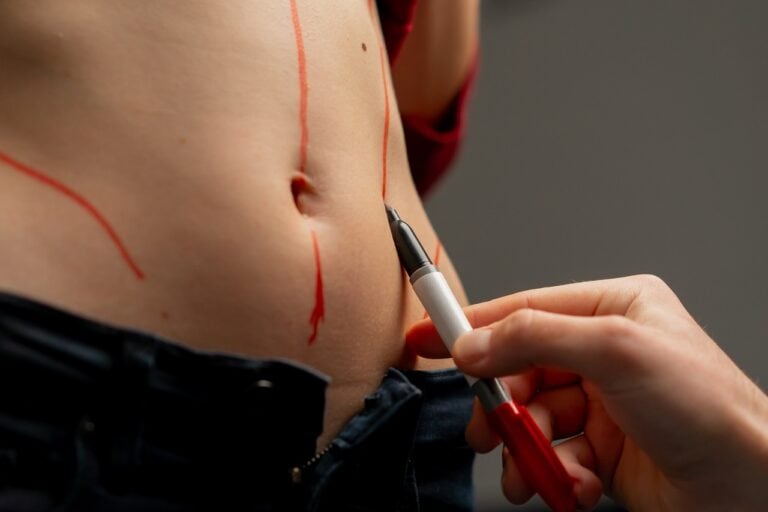
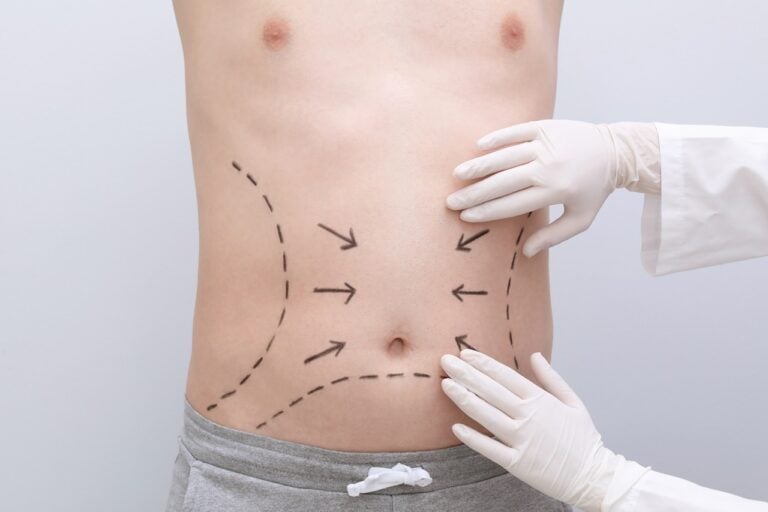
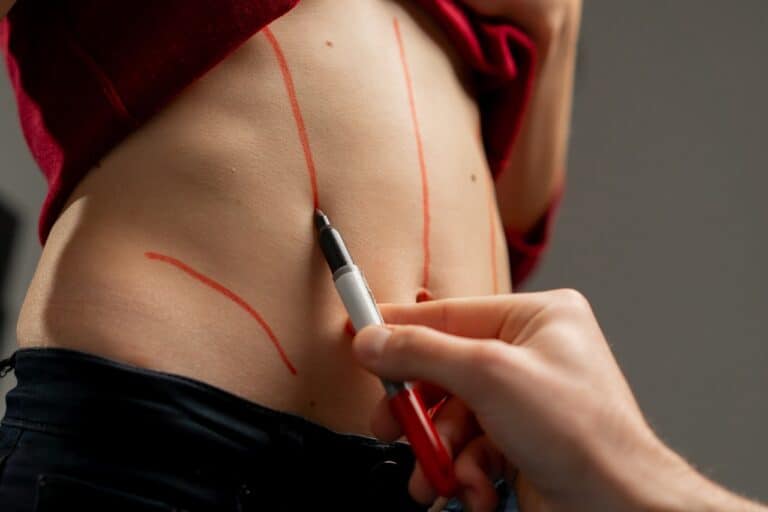
The surgeon first marks the treatment area, ensuring precision. Anesthesia is then administered, which prevents you from feeling pain during fat removal.
Tiny incisions allow a thin tube called a cannula to reach fat deposits. The surgeon then removes excess fat carefully, sculpting the targeted zone.
Types of Anesthesia and Their Effects
Pain control during liposuction depends largely on the type of anesthesia you receive. At our practice, we typically choose between the following:
- Local anesthesia: You remain awake while we numb only the targeted area, resulting in minimal awareness of pain.
- Sedation: You are relaxed, drowsy, or semi-conscious, and remember little or nothing of the procedure.
- General anesthesia: You are completely unconscious and pain-free during surgery.
Choosing the right anesthesia depends on various factors, including the extent of your liposuction, your health history, and your comfort level. Your doctor will recommend the safest, most effective option for you.
Immediate Post-Surgical Sensations
As anesthesia wears off, you will likely feel soreness, pressure, and mild pain in treated areas. Many patients compare this discomfort to what you would feel after a strenuous gym session.
The soreness means your tissues are healing and adjusting to their new shape. Swelling and bruising are also common, which sometimes intensify uncomfortable sensations temporarily.
What Does Liposuction Pain Feel Like?
The kind of pain you feel from liposuction is quite specific. It is not sharp, stabbing, or overwhelming in most cases.
Describing the Pain Experience
You will most likely notice:
- A dull, aching soreness in treated areas
- A feeling of tightness or mild burning
- Tenderness to touch, which gradually fades
Most people report that these sensations are uncomfortable but manageable. The pain rarely interferes with moving around or daily activities after the first few days, especially with proper care.
Comparing Liposuction to Other Surgeries
Unlike some major surgeries like a body lift, liposuction involves relatively small incisions. This means pain is localized and usually less intense than abdominal surgery or procedures involving muscles and organs.
Recovery involves less disruption to mobility than procedures that require cutting through deeper tissues or tightening muscles. However, everyone feels and perceives pain differently, so individual accounts may vary.
Factors That Affect Pain Level After Liposuction
No two people experience liposuction precisely the same way. Several factors determine how much discomfort you may feel.
Here are the major influences on pain level after the procedure:
- Size of treatment area: Larger areas or multiple zones can increase soreness and swelling.
- Amount of fat removed: Removing more fat means more tissue disturbance and longer healing.
- Type of anesthesia: Local anesthesia may leave you with more post-operative sensation than heavier sedation.
- Technique used: Newer liposuction methods such as tumescent or laser-assisted liposuction may reduce pain and bruising.
- Personal pain tolerance: Genetics, prior experiences, and anxiety levels all influence how your body and brain process pain.
- How you follow recovery instructions: Strictly following your doctor’s advice on aftercare minimizes complications and discomfort.
Knowing these factors can help you plan for your unique recovery. You and your surgeon will discuss each during your consultation so that you feel prepared.

Pain Management Techniques Used by Our Surgeons
Our patients often worry most about how to control pain after they leave our care. Fortunately, several strategies make recovery much easier and more comfortable.
Medications and At-Home Care
The surgeon will prescribe pain medications if needed. Most people find that over-the-counter pain relievers work well after the first couple of days.
We also recommend icing the area gently, wearing compression garments, and resting for the initial period. These simple tactics control swelling and speed up the healing process.
Professional Strategies to Minimize Pain
We use surgical techniques proven to cause less tissue trauma and bruising. Applying tumescent solution, which contains anesthetics and saline, numbs the area and keeps discomfort low for hours after surgery.
Your aftercare plan may include gentle massages or manual lymphatic drainage to reduce swelling. Regular follow-up visits allow us to address pain early and keep you on track for a smooth recovery.
Recovery Timeline: What to Expect as You Heal
Liposuction recovery follows a predictable timeline in most cases, although it depends on the individual. Here, we break down what discomfort and pain may feel like in each stage.
The First 48 Hours
Expect the most noticeable soreness, swelling, and bruising in the first two days. Rest, ice, and prescribed medications help keep you comfortable.
Compression garments feel snug, sometimes slightly uncomfortable at first, but they help reduce both pain and swelling.
Days 3-7: Easing Back into Activity
You should notice that pain is gradually decreasing by the third or fourth day. Mild soreness and tingling remain, but you can usually walk and handle light activities.
Most people describe the discomfort as similar to what you feel after a tough workout. Compression garments still play a key role during this stage.
One to Two Weeks After Surgery
Most patients report minimal pain by this stage. You may feel residual tightness, sensitivity, or numbness, especially in larger treatment areas.
You can usually return to work, drive, and increase regular activity, depending on the specifics of your procedure. Some swelling and mild aches might persist.
Long-Term Sensations: What Lingers
Although pain improves dramatically within two weeks, you might feel numbness or odd sensations such as itching. These are part of normal nerve regeneration and typically disappear within a few months.
If discomfort persists or feels severe, we encourage you to check in with our office. Prolonged, severe pain is not typical and warrants a follow-up.
Common Myths and Misconceptions about Liposuction Pain
Many people feel nervous about liposuction based on what they have heard or read. It is important to separate fact from fiction so you can approach surgery realistically.
Let’s clarify some of the most common myths:
Myth 1: Liposuction Is Excruciating
Patients often say that while liposuction is uncomfortable, it is rarely as painful as they feared. Proper anesthesia and post-care make a significant difference.
Myth 2: All Liposuction Recovery Is the Same
Recovery can look very different depending on where fat is removed, your general health, and the volume treated. Comparing your journey to someone else’s can lead to unnecessary worry.
Myth 3: Pain Means Complications
Most pain is normal as your body heals, although certain signs require immediate attention. Unmanageable pain, spreading redness, or fever should trigger a call to your surgeon.
Warning Signs: When Pain Is Not Normal
While some discomfort is expected, certain symptoms require attention from a medical professional. After liposuction, you should feel steadily better, not worse, with time.
Pain may signal a complication if you notice any of the following:
- Severe, sudden pain: Intense pain that does not respond to medication could mean excessive bleeding or pressure in the treated area.
- Fever or chills: Worsening pain along with fever may signal infection.
- Spreading redness or warmth: These changes in the skin can indicate infection or fluid accumulation.
- Ongoing numbness or loss of function: Temporary numbness is normal, but if it lasts for several months or affects movement, let your doctor know.
Catching complications early allows for quick, effective intervention, which protects your health and results.
Tips to Prepare Mentally and Physically for Liposuction Recovery
Preparing in advance can help manage both pain and anxiety. At the New York Liposuction Center, we recommend the following strategies, based on insights from our experienced liposuction surgeon.
- Arrange for help: Have a friend or family member available to assist you with daily tasks for the first few days.
- Stock up on supplies: Prepare ice packs, loose clothing, and easy-to-prepare meals before your procedure.
- Follow pre-surgery instructions: Fast when required, avoid blood-thinning medications, and disclose medical history fully.
- Plan your schedule: Take enough time off work and avoid strenuous activity until cleared by your doctor.
- Set realistic expectations: Knowing what soreness, swelling, and bruising feel and look like will keep you emotionally prepared.
The more you prepare, the smoother your recovery can be, both physically and emotionally.
Frequently Asked Questions about Liposuction Pain
Patients come to our clinic with a range of specific concerns. Here are answers to the most common questions about liposuction and discomfort.
Is Liposuction Pain Worse Than Tummy Tuck or Other Surgeries?
Liposuction generally involves less pain than a tummy tuck because it does not require muscle tightening or larger incisions. The most discomfort comes from the skin and fat layer, not from deep structures.
How Long Will I Need Prescription Pain Medication?
Most people only require prescription medications for a few days, or may not need them at all. Over-the-counter medications control pain very well during the rest of your recovery.
Can I Do Anything to Reduce Pain Before Surgery?
Setting up your recovery space in advance, arranging for help, and following all medical instructions make a real difference. Managing expectations and communicating openly with your surgical team will help you feel safe, supported, and more comfortable throughout the process.
Will Pain Affect My Results?
While appropriate pain management does not affect your results, avoiding movement or skipping aftercare instructions can impact healing. Follow your doctor’s guidelines for optimal results and comfort.
Liposuction Discomfort: What You Can Expect Moving Forward
Liposuction can be life-changing for many people, but understanding the entire journey, including discomfort, allows you to make your decision with confidence. Mild pain and soreness are normal, especially in the first week, yet most patients feel they are manageable and well worth the results.
As your body heals and your new contours emerge, your discomfort will fade. Your energy and confidence will likely rise, making the short recovery period feel minor by comparison. At every step, from pre-op visits through the final results, your comfort and safety remain our top priorities.
If you still have questions about pain, recovery, or preparing for liposuction, the team at the New York Liposuction Center is here to help. Reach out today to schedule your consultation, and let us guide you toward a safe, comfortable, and successful experience.