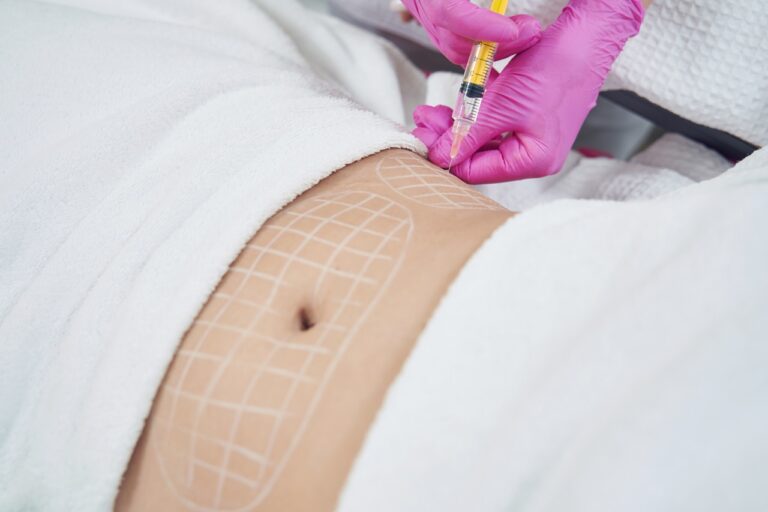
If you’ve been thinking about liposuction, concerns about scarring are likely top of mind. At the New York Liposuction Center, we meet many patients in NYC who want a smoother, slimmer look but hope scars will be minimal or invisible.
It’s natural to wonder exactly what to expect during recovery and how long any marks might last. Let’s explore the truth about liposuction scars, ways to minimize them, and what you can do to help your skin heal beautifully.
Key Takeaways
- Incision Size Matters: Liposuction uses small incisions, which often heal to tiny, discreet scars.
- Healing Timelines Vary: Most patients see scars fade within several months, although some may take up to a year.
- Surgeon Technique Is Key: Proper placement and surgical skill greatly reduce visible scarring.
- Your Skin Type Counts: Genetics, skin color, and your healing response all influence scar formation.
- Aftercare Is Essential: Good wound care and sun protection can significantly improve scar appearance.
- Scar Treatment Options Exist: If scars persist, several effective treatments are available to further minimize them.
- Honest Consultations Help: The New York Liposuction Center discusses scarring risks openly, so you know what to expect.
How Liposuction Is Performed: The Basics of Incisions and Scarring
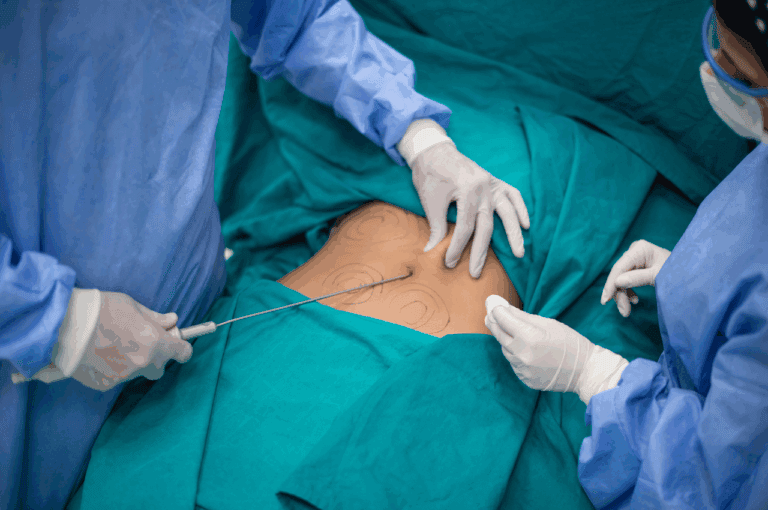
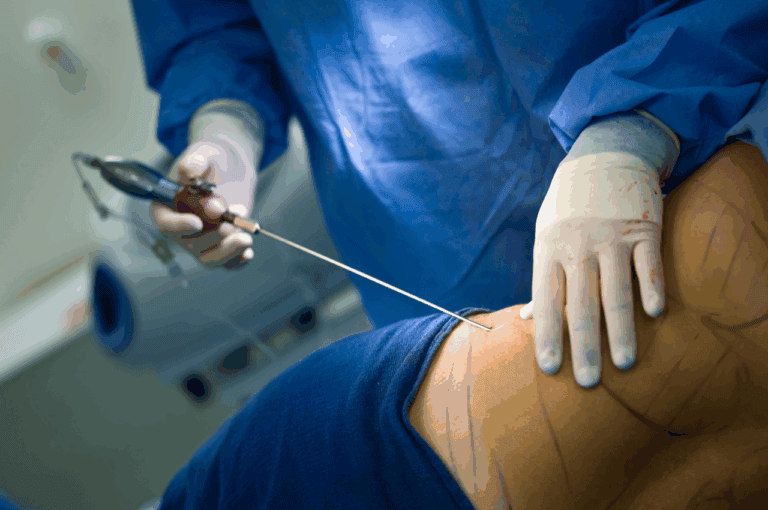
Liposuction removes excess fat through carefully placed, tiny incisions. These incisions allow the insertion of a thin tube, called a cannula, used to break up and suction out fat.
Most liposuction procedures only require incisions of just a few millimeters. We often hide these incisions in natural creases or less visible areas. In our NYC practice, strategic placement helps ensure that resulting marks are as discreet as possible.
While every surgery involves some risk of scarring, the very small size of liposuction incisions usually means scars are minimal. Most patients report that over time, their scars fade to barely noticeable lines or spots.
Incision Placement Areas
The exact locations of incisions vary depending on the area being treated. Common areas include the abdomen, thighs, arms, chin, and flanks. Surgeons carefully select these spots to balance access and camouflage. Where possible, we use the body’s natural curves and creases to hide incisions.
Types of Scars After Liposuction
Scarring doesn’t look the same for everyone. Knowing the types of scars you might experience will help you better understand your potential results.
Typical Scars
Most patients notice small, thin, flat scars at incision sites. These start as pink or reddish marks and gradually fade. In many cases, scars become lighter and almost match surrounding skin.
Uncommon Scar Types
Sometimes, certain factors cause a more visible scar. Examples include hypertrophic scars, which are thick and raised but confined to the incision area, and keloid scars, which can grow larger than the incision itself. People with darker skin tones or a family history of keloids are more at risk for these types.
Factors That Influence Scarring
Several factors combine to determine how your scars will look and how well they will heal. Let’s take a closer look at what can make a difference in your individual results.
Your Surgeon’s Approach
Skill, experience, and a gentle technique all impact scar size and visibility. An attentive liposuction surgeon will use precise incisions and minimize trauma to surrounding skin.
Genetic and Personal Healing Factors
Your age, genetics, skin tone, and tendency to scar play a big role. Even people in similar health can heal differently. Some patients simply heal with little to no visible marks, while others form more prominent scars.
Location and Number of Incisions
Body areas with thinner skin or more movement may heal differently. More incisions may mean more marks, but even multiple tiny scars can become hard to spot.
Aftercare Steps
Diligent care after surgery leads to the best outcomes. Neglecting wound care or exposing new scars to sunlight can worsen their long-term appearance.
What Does a Liposuction Scar Look Like Over Time?
Watching scars mature over the months after surgery can help set realistic expectations. Here’s what typically happens as your body heals.
Initial Appearance
Liposuction scars are most visible right after surgery. They tend to look red or pink and may seem raised, swollen, or firmer than your surrounding skin.
Maturation Over Months
After a few weeks, swelling and redness decrease. Scars gradually soften, flatten, and lighten in color.
Long-Term Results
Within six to twelve months, most liposuction scars become faint, smooth, and barely there. For some, scars continue to fade for up to two years. Rarely, a scar may remain more noticeable, but this is less common with proper care and skilled technique.
How We Minimize Liposuction Scarring at Our Practice
At the New York Liposuction Center, we focus on every detail to help minimize scarring and optimize your results. Several best practices contribute to a more seamless recovery.
Techniques for Minimal Scarring
We select the smallest possible cannula and incision size that will safely achieve your body goals. By carefully choosing incision sites, our team ensures scars stay hidden in natural lines and folds.
We use gentle handling and closing techniques. Incisions are closed with dissolvable sutures or skin adhesives to reduce tension and foster even healing.
Patient Education
We guide you through care instructions before and after surgery. This includes wound cleaning, moisturizing, and tips on what to avoid during early healing.
Proper Aftercare to Reduce Scarring
How you care for your skin after liposuction can dramatically impact your scars. Patients should carefully follow all recommendations from their surgical team.
Essential Steps to Promote Optimal Healing
There are specific actions you can take after surgery to make a difference. Here is how you can support your skin as it heals:
- Keep wounds clean: Gently cleanse incision sites as directed to avoid infection, which can worsen scars.
- Moisturize appropriately: Use approved ointments or creams to aid healing and minimize itchiness.
- Wear compression garments: These help control swelling and keep incisions stable, reducing scar size.
- Protect from sun exposure: Ultraviolet light can darken scars, so keep incisions covered or shielded with sunscreen once healed.
- Avoid picking or scratching: This can disturb new tissue and increase visible markings.
- Follow appointment schedule: Attend all post-operative visits so your surgeon can monitor healing and address concerns quickly.
Making these steps part of your daily routine gives your skin the best chance to heal cleanly and beautifully. If questions arise during your recovery, never hesitate to contact your care team.
Risks and Uncommon Scarring Outcomes
For most people, liposuction brings only small, subtle scars. However, there are exceptions. Some risks and rare complications can affect the final appearance of the incision sites.
Keloid and Hypertrophic Scars
A small subset of patients may develop keloid or hypertrophic scars. These scars take on a more raised, thickened appearance, especially in genetically prone individuals. You may notice firm, sometimes itchy patches that extend beyond the original incision.
While such scars are not harmful to health, they can be bothersome for cosmetic reasons. Patients with a personal or family history of keloids should discuss this with their surgeon during the consultation phase.
Hyperpigmentation or Hypopigmentation
Changes in skin color at the scar site are occasionally seen, particularly in darker skin types. Some scars may heal darker (hyperpigmented) or lighter (hypopigmented) than the surrounding skin. These color changes may gradually improve, but sometimes require additional treatments.
Delayed Healing and Infection
Infections, poor wound care, or certain chronic conditions can delay healing. Delayed healing often leads to thicker, rougher scars. Fortunately, careful surgical technique and proper follow-up care can reduce these risks.
Scar Treatment Options After Liposuction
If you find that your scars are lingering longer than you hoped, you still have options. Our office offers several ways to address stubborn or prominent scars.
Non-Surgical Treatments
Topical silicone gels and sheets can soften and reduce scars over several months. Prescription creams may help lighten or fade darker scars. Our team often recommends these therapies for mild to moderate scars.
Procedural Treatments
For more visible or raised scars, treatments like steroid injections, laser therapy, or microneedling can be effective. These approaches break down thickened tissue or stimulate new collagen to flatten and blend scars.
Each treatment is customized, and we guide you through the best option for your skin and scar type. In rare cases, surgical scar revision can further improve the appearance of a particularly bothersome mark.
Frequently Asked Questions About Liposuction Scarring
We regularly hear a few questions from patients in our NYC office. Here are answers to the most common concerns.
Will My Scars Be Permanent?
Most scars from liposuction are permanent, but they become much less visible with time. For the majority of patients, scars fade enough to be difficult to spot without close inspection.
Can I Do Anything to Prevent Scars?
While you cannot control genetics, following aftercare instructions, protecting your skin from sun, and not disrupting the healing process all help ensure the best possible outcome.
Are Some People More Prone to Noticeable Scars?
Yes, individuals with a history of keloids, darker skin, or poor wound healing may find scars more visible. Discussing these issues with your surgeon will help you plan for optimal results.
How Big Are Liposuction Scars Compared to Other Procedures?
Liposuction incisions are very small, often less than half an inch. Compared to tummy tuck or other body contouring surgeries, liposuction scars are much less prominent.
When to Seek Help for Liposuction Scars
While most scars improve on their own, certain situations call for professional evaluation. If any of the following apply to you, schedule a follow-up appointment promptly:
- Persistent redness or swelling: Ongoing inflammation could signal infection or delayed healing.
- Scar growth beyond incision site: This could indicate a keloid, which may benefit from early treatment.
- Severe itch, pain, or color changes: These symptoms may require further assessment or intervention.
- Cosmetic dissatisfaction: If you remain unhappy with your scars after a year, options exist to address them.
Prompt attention to these concerns can help you achieve the best long-term outcome.
The Bottom Line on Liposuction Scarring and Your Next Steps
Understanding how liposuction affects your skin and what scars may result helps you make a confident, informed decision about your body. The great majority of patients at the New York Liposuction Center find that their scars become so subtle that they rarely think about them.
With proper planning, an experienced surgical team, and attentive aftercare, your scars will likely fade to faint marks that never detract from your results. Knowing you have options for scar treatment, should you need them, adds further reassurance.
If you have more questions or wish to find out how liposuction can work for you, we invite you to contact the New York Liposuction Center. Schedule a private consultation with our expert team. We are here to support your journey to greater confidence and smooth, satisfying results.