At the New York Liposuction Center, many of our patients come to us with questions about Medicaid and what procedures it covers. One topic that often causes confusion is whether Medicaid will pay for liposuction, especially in cases where the desire for fat removal relates to health and not just appearance.
Insurance details sometimes feel complex, but our team has helped guide patients through these decisions and wants you to feel informed. In this article, we will explain everything you should know about liposuction and Medicaid coverage so you can plan your care confidently.
Key Takeaways
Liposuction as a Medical and Cosmetic Procedure
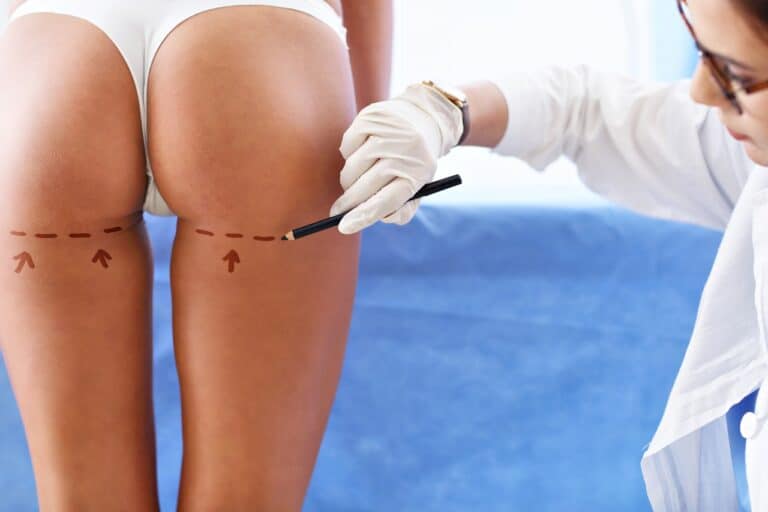
Liposuction has a reputation as a cosmetic surgery that removes excess fat from specific areas of the body. Our doctor at the New York Liposuction Center typically shapes body contours, creating a smoother overall silhouette. However, some conditions feature fat accumulation that causes physical harm, which changes the purpose of the procedure.
When a patient faces health issues directly caused by fatty deposits resistant to exercise or diet, our team evaluates whether fat removal can improve those symptoms. For example, some patients develop mobility problems, chronic rashes, or infections because of abnormal fat build-up. These medical complications move liposuction into a different category where health rather than aesthetics stands as the primary goal.
Medicaid, like most insurers, draws a firm distinction between cosmetic and medically necessary procedures. Understanding which side of this line your potential surgery falls on is the first step in discussing coverage.
How Medicaid Defines Medically Necessary Liposuction
Medicaid defines “medically necessary” surgery as treatment aimed at resolving or managing a specific, medically diagnosed problem. Cosmetic enhancement alone never meets this threshold. Our surgeon must provide clear evidence of the following:
- A diagnosis of a medical condition caused by abnormal fat deposits
- Ongoing symptoms, discomfort, or disability resulting from this fat
- Documentation that less invasive therapies have failed to improve your health
- A plan demonstrating how liposuction offers a direct medical benefit
If our doctor cannot connect the procedure directly to a documented medical need, Medicaid almost always denies the claim.
Criteria for Medicaid Coverage of Liposuction
Before Medicaid considers any coverage for liposuction, strict requirements must be met. Patients should know exactly what these standards look like, as meeting them involves careful planning and collaboration with the surgical team.
Documentation Requirements for Approval
Our office will compile a comprehensive set of medical records as part of any application for pre-approval. Typically, the file will include several types of documents:
- Recent physician exam notes confirming a chronic medical issue
- Photographs demonstrating the extent of fat accumulation or the affected body area
- Records of conservative therapies, such as weight loss plans or medications, that did not work
- Test results or medical imaging when relevant to the underlying cause
Clear, accurate documentation helps the review process and improves the chance of Medicaid considering the request.
Examples of Qualifying Medical Reasons
Although rare, some patients meet medical criteria for liposuction. Here are two examples our surgeon sometimes encounters:
A patient suffers from severe lymphedema, making skin infections or wounds persistent despite medication and therapy. Excess fatty tissue causes leg swelling that cannot be resolved with standard treatments. Surgically removing fat (by liposuction) may prevent recurring, dangerous complications.
Another patient has a genetic or metabolic disorder that triggers abnormal fat buildup, distorting basic body function or hygiene. Fat reduction by a surgeon provides measurable relief of symptoms that are not improved by diet or medications.
Medical Conditions Sometimes Treated With Liposuction
Several health conditions may prompt our doctor to consider liposuction for medical, not cosmetic, reasons:
- Lymphedema: Persistent swelling, restricted mobility, or infection from lymphatic obstruction.
- Lipodystrophy: Abnormal fat deposits forming after medications, like certain antiretroviral drugs.
- Massive localized lymphedema: Extreme, chronic swelling impairing function.
- Lipedema: Painful fat accumulations causing vascular or joint issues.
Patients who believe they may suffer from these conditions should arrange a consultation, as the process for approval remains stringent.
In any scenario, meeting Medicaid criteria demands thorough evaluation and supporting documentation. Each case is unique, so expect the review process to take time.
How Medicaid Claims and Approval Work
Insurance claims can feel overwhelming, especially when procedures blur the line between medical need and appearance. Knowing what steps to follow helps you prepare for a smoother process with Medicaid.
The Standard Medicaid Process for Liposuction Approval
After our team determines that you meet initial medical criteria, we will help with the following steps:
- Pre-authorization: Our office submits all required history, medical images, and written justification to Medicaid for review.
- Medical Record Review: Medicaid analysts scrutinize records and rule out non-medical indications.
- Request for More Information: Some cases prompt Medicaid to ask for additional evidence or clarification from your medical team.
- Final Decision: Medicaid approves or denies coverage, often in writing, with an explanation for the outcome.
If Medicaid denies coverage, our surgical team can sometimes submit an appeal with further documentation. However, the chances for approval rise only when strong new evidence or medical complications exist.
Medicaid’s Position on Cosmetic Fat Removal
New York Medicaid, like other state programs, does not cover cosmetic liposuction. The program’s benefits never include procedures designed purely for contouring or improving body image only. Medicaid does not recognize aesthetic benefits as a valid reason for surgery.
Patients sometimes ask if a procedure can qualify as “reconstructive” or preventive. Unless fat removal directly treats a chronic, documented medical issue, Medicaid policy treats all liposuction as cosmetic and ineligible. This leads many patients seeking elective changes to research options for affordable liposuction surgery, though it is vital to weigh those options against the safety of a local board-certified surgeon.
Liposuction vs Covered Surgical Alternatives
Patients often want to know whether alternative procedures might have better coverage opportunities. Understanding the differences helps you consider suitable paths toward relief if you have chronic health problems related to body fat.
When Medicaid Covers Panniculectomy or Excision
Unlike traditional liposuction, panniculectomy involves removing the large apron of excess skin and tissue that sometimes forms after massive weight loss. This operation frequently qualifies for Medicaid coverage if excess tissue:
- Contributes to persistent ulcers, skin infections, or rashes
- Causes problems with hygiene and daily living
- Physically interferes with walking or mobility
Panniculectomy is not a body-sculpting procedure but can restore comfort and prevent medical complications.
Comparing Liposuction to Other Fat Reduction Techniques
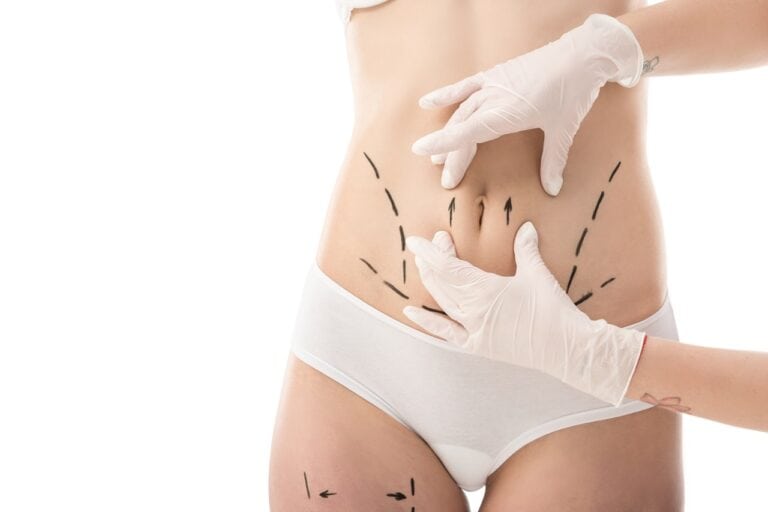
Liposuction directly removes subcutaneous fat using cannulas and suction. Sometimes, our surgical team may recommend alternative fat removal options, such as:
- Direct excision, where our doctor cuts out a localized fatty mass
- Weight-management medical programs for gradual fat reduction
- Non-surgical therapies for edema or swelling
Direct excision and medical therapies are typically viewed as first-line treatments. Medicaid only considers liposuction if there is no reasonable alternative.
What Medicaid Will Not Cover Related to Liposuction
Since many people misunderstand Medicaid’s rules, it helps to know exactly what procedures and costs are consistently excluded from coverage.
Procedures Excluded from Medicaid Coverage
After careful study of state and federal Medicaid rules, our office has found that Medicaid will not cover:
- Liposuction is performed primarily for aesthetic enhancement
- Fat grafting or transfer, which reshapes the body with harvested fat
- “Revision” or touch-up surgeries are performed after a cosmetic-only procedure
- Additional surgeries to correct dissatisfaction with prior liposuction
- Any surgery that fails to meet documentation or medical necessity standards
If a surgeon performs a procedure outside of those requirements, patients pay out-of-pocket and cannot submit the claim to Medicaid.
Secondary Costs Associated with Uncovered Procedures
Even when Medicaid covers a portion of the surgery, certain costs might remain your responsibility. These could include:
- Facility charges for private surgical centers
- Upgraded anesthesia services beyond routine needs
- Extended aftercare, such as compression garments or physical therapy beyond basic standards
Our team at the New York office always discusses likely out-of-pocket costs with you before scheduling surgery. We can also walk you through various financing programs for your liposuction to help make the procedure more accessible if insurance does not provide coverage. Planning for all potential expenses prevents unwelcome surprises during your recovery.
Preparing for Your Consultation and Next Steps
When considering medical fat reduction, starting with a careful consultation ensures you address health and insurance needs together. Here is what patients typically do when they reach out to our office for answers.
What to Bring to Your Initial Appointment
Preparing a full medical history helps our surgeon assess candidacy for Medicaid approval. Plan to bring:
- A written list of symptoms and problems caused by excess fat
- Photos of rashes, swelling, or persistent medical issues
- Any past records from other providers who treated the same concern
- A list of therapies attempted and the results you experienced
This information, in your own words and with supporting evidence, allows our team to make specific recommendations for your health and coverage questions.
Questions to Ask at Your Liposuction Consultation
Patients benefit by preparing a list of questions in advance. Some common topics to discuss include:
- Whether your condition meets strict Medicaid guidelines for liposuction
- What other medical or surgical options exist if Medicaid will not approve coverage
- How much recovery time is expected if surgery is approved
- What costs Medicaid is likely to pay, and which will remain your responsibility
No question is too small, and our surgeon encourages you to fully understand all parts of the process.
Steps to Take After Your Consultation
After you meet with our doctor and the team at our office, you might need to:
- Schedule additional diagnostic testing or consult with a specialist for documentation
- Begin a recommended non-surgical therapy in line with Medicaid requirements, ensuring thorough records
- Allow our staff to submit pre-authorization paperwork to Medicaid for review
Sometimes, Medicaid requires several weeks or months for a final decision, depending on the case’s complexity.

Frequently Asked Questions About Medicaid and Liposuction
Understanding insurance rules takes patience. Here, we address several questions patients regularly ask at our practice.
Final Thoughts on Liposuction and Medicaid Coverage
Making sense of Medicaid’s rules on liposuction takes patience and careful review. The system draws strict boundaries between cosmetic need and fully documented medical necessity. While most patients will not qualify for Medicaid-covered liposuction, those with unique medical issues sometimes find support with robust documentation and clear physician guidance.
At the New York Liposuction Center, our surgeon works with you to assess whether your symptoms and records align with Medicaid’s criteria. By preparing a strong case and maintaining open communication with our office and Medicaid, you can make informed decisions about your care. If you suspect your health meets these rare qualifications, we encourage you to schedule a consultation at our New York office.
Our surgical team will answer all your questions, review your options, and help build the best plan for your needs.