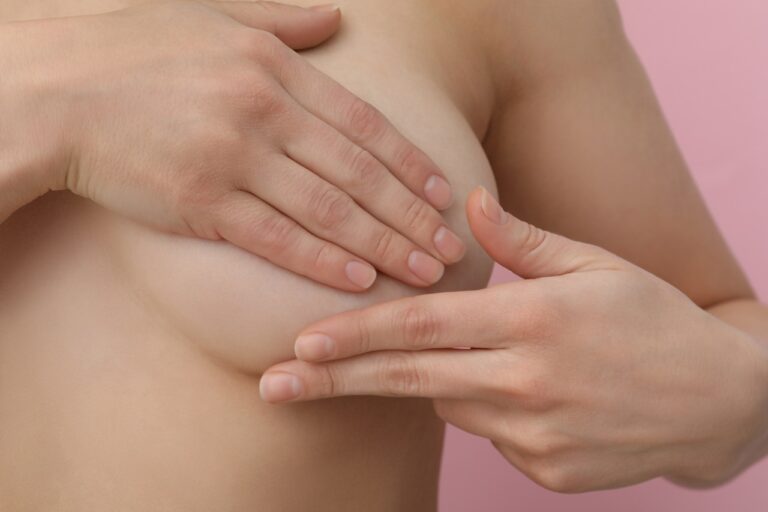
Breast reduction surgery involves far more than thinking about the day of your procedure. Thoughtful preparation and attentive aftercare make a world of difference in your comfort and healing. At the New York Liposuction Center, we understand how meaningful this breast size change can be in your daily life.
Our surgeons want your recovery at home to go as smoothly as possible. Whether you are planning a major reduction soon, preparing for a more localized inverted nipples correction, or simply organizing your recovery space, knowing what to expect and having every essential item on hand can help you heal with confidence. In the following guide, you will find step-by-step guidance on what to buy, what to prepare, and how each item supports your recovery journey.
Key Takeaways
Preparing Your Home in Advance
Getting your living space ready before surgery eases your transition home and lets you focus on rest. You should set up daily essentials where you can reach them easily, so you avoid stretching or lifting your arms above your shoulders.
Create a Healing Zone
Pick a chair or bed near your bathroom as your main recovery spot. Place a side table within reach for water, snacks, tissues, and your phone. Arrange extra pillows for back support and to help you rest with your upper body slightly elevated.
Organize Everyday Necessities
Stock up on groceries and simple, nutritious meals before your surgery. Choose foods you can eat easily and avoid anything that takes time to cook or requires heavy lifting. Place toiletries, chargers, and glasses at waist height, since you will want to avoid reaching or bending.
You should make sure that any medications you will need are filled and easy to find. Place them in a visible spot with clearly labeled instructions.
Prepare for Limited Mobility
Simple tasks like feeding pets or managing trash will feel more challenging. Move everyday items so they are accessible with minimal movement. We recommend that you arrange for a loved one to help with household chores during your first week, as this will allow you to rest as much as possible.
Essential Medical Supplies for Recovery
Having the right medical supplies on hand will make a significant difference for your healing experience. You will receive specific instructions at your first post-surgical visit, but starting with these essentials helps you feel prepared and secure.
Post-Surgical Bras: Support and Comfort
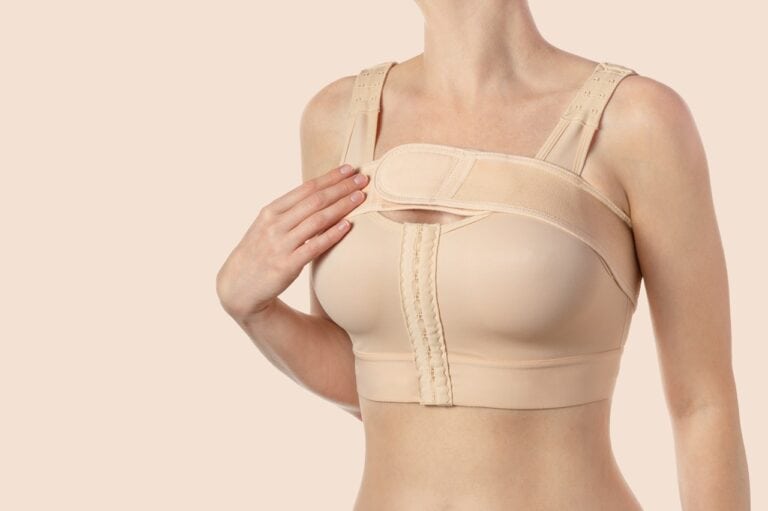
You will need at least two soft, high-quality surgical bras without underwire. These bras provide gentle compression, hold dressings in place, and promote better blood flow. Make sure your surgical bras open in the front so you do not have to lift your arms to dress.
You should wash and dry your bras before your surgery. This avoids any irritation that could come from new fabrics.
Sterile Dressings and Wound Care
Your incisions will have dressings on them at first. You should have extra sterile gauze pads and hypoallergenic tape at home in case you need to change dressings. Do not use harsh cleansers or ointments unless your surgeon tells you to do so.
If your instructions include a specific soap, have a gentle, fragrance-free cleanser on hand to wash the surgery area as directed. Never scrub your incisions. Pat gently and let the skin air-dry.
Medications and Pain Relief
Have your pain medications ready before you return home. This includes any prescription painkillers, antibiotics, or over-the-counter options recommended by your surgeon. Write down or print out your medication schedule to avoid confusion or accidental double doses.
You can also prepare a weekly pill organizer to help manage your medication routine, especially if you are tired or feeling groggy in the first days after surgery.
Top Medical Supplies to Stock Up
You can keep your recovery on track by assembling the following essential medical supplies:
- Post-surgical bras: Choose soft, front-closing bras in your right size to provide gentle support and stability.
- Sterile gauze pads and hypoallergenic tape: These allow you to change wound dressings quickly and safely as advised.
- Non-irritating cleansers: Use unscented, gentle soaps or wipes to cleanse the incision area and surrounding skin.
- Flexible cold packs: Cold therapy reduces swelling when used for brief periods several times a day.
- Thermometer: Monitoring your temperature helps you spot signs of infection early in your recovery.
Having these items nearby increases your comfort and simplifies daily wound care tasks.
Managing Pain and Swelling
Nearly every patient will notice discomfort and swelling after surgery, but the right supplies and habits can keep these issues manageable. Swelling will improve steadily over time; do not rush the process.
Cold Therapy and Swelling Support
High-quality cold packs reduce both swelling and pain. Wrap these packs in a soft towel before placing them on your chest. Never put ice directly on your skin, as this can cause damage.
Elevate your upper body when you rest. This simple step minimizes fluid buildup and supports circulation around your incisions.
Prescribed and Over-the-Counter Pain Relief
You might receive prescription painkillers to use for the first few days post-surgery. Your care team will also direct you on whether you can use over-the-counter options such as acetaminophen. Avoid anti-inflammatory medication like ibuprofen unless cleared by your surgeon, as these can increase bleeding risk.
Keep a pain diary with notes on your doses and comfort level. Share any major changes with your surgical team during check-ins or follow-up visits.
Specialty Pillows and Rest Aids
A wedge pillow or stack of firm pillows on your bed will keep your upper body at a gentle incline, which helps reduce pressure on your chest. Many patients find that sleeping this way helps reduce pain and makes getting out of bed simpler.
Body pillows offer extra support if you tend to shift positions in your sleep. If you sleep on your side, use a pillow under your knees to reduce the urge to roll over.
Clothing Choices for Comfort and Healing
The right wardrobe can make daily life smoother after breast reduction. Focus on comfort, simplicity, and ease of movement.
Front-Closing Shirts and Pajamas
Loose, button-up or zip-up tops save you from having to lift your arms overhead. This protects your incisions and prevents strain. Have several sets of loose pajamas and loungewear clean and ready for your first week at home.
Soft, Non-Restrictive Bottoms
Choose sweatpants, leggings, or shorts with soft waistbands. Avoid tight zippers or buttons that might press into your abdomen or chest.
Bras and Undergarments
Transition back to regular bras only when cleared by your surgical team. Avoid underwire or push-up bras until your surgeon gives you explicit permission, which is usually at least six weeks after your procedure.
Plan for easy laundry access, as you will want to wash bras and comfortable clothing often to avoid skin irritation.

Personal Care Products for Gentle Hygiene
Personal hygiene might feel tricky during your recovery, but small changes can help you feel fresh and confident without risking your results.
Sponge Baths and Washcloths
Showers are often off-limits for several days. Prepare a set of extra-soft washcloths for gentle sponge baths. Warm, unscented wipes can help clean your arms, neck, and face. You should have a family member assist with washing your back to avoid straining your chest.
Hair and Skin Care Essentials
Dry shampoo makes it easier to keep your hair feeling clean when you cannot shower. Mild, unscented skin lotion helps counteract any dryness from surgery, but avoid putting products near your incisions.
Apply lip balm to prevent chapped lips, especially if you are resting indoors with dry air for many hours a day.
Oral Care Tools
Staying hydrated and brushing your teeth regularly will help you feel refreshed. Use a soft-bristled toothbrush and mild toothpaste to protect sensitive gums.
Building Your Support System
Recovery from breast reduction has both physical and emotional elements. Asking for help may feel awkward, but a strong support network helps you focus on rest.
Arrange for Post-Operative Help
Plan to have someone stay with you for the first 24 to 48 hours after surgery. This person can assist with meals, medication reminders, and transportation if needed. If you have children or pets, set up a temporary schedule for their care so you can limit your movement.
Communicate With Loved Ones
You should tell close family or friends about your recovery timeline and any changes they can expect. Let them know that your energy may be low, and that you might prefer short visits or phone calls.
Tasks Loved Ones Can Help With
You will recover better with trusted people helping you manage these daily tasks:
- Meal preparation: Pre-made meals or healthy snacks lighten your workload and ensure you nourish your body.
- Pet or child care: Daily routines and supervision keep things running smoothly without you having to overexert yourself.
- Errands and chores: Trips to the pharmacy, laundry, or doing dishes can tire you quickly during early recovery.
- Moral support: Having someone to listen, encourage you, or help with medical appointments is invaluable.
Your support team is your safety net through unexpected challenges or low-energy days.
Nutritious Foods That Aid Recovery
Eating for healing is another crucial part of your breast reduction experience. Nutritious food helps your immune system heal tissues and supports your mood during the recovery process.
Stock Healthy, Accessible Snacks
Place ready-to-eat snacks, like cut vegetables, yogurt, or protein drinks, within easy reach. Holding water bottles or herbal tea close by reminds you to stay hydrated all day.
Prioritize Healing Ingredients
Lean proteins, whole grains, fruits, vegetables, and healthy fats are your best options for recovery meals. Avoid high-sugar or greasy foods, as these may worsen inflammation or delay your healing timeline.
Gentle Supplements When Doctor-Approved
Sometimes, your doctor may recommend a multivitamin or specific supplement to help your healing progress. Always ask before you add anything new to your routine since certain supplements may interact with medications or affect blood clotting.
Wound Monitoring and Recognizing Complications
Though most people heal smoothly, you need to know the signs of complications and when to call your doctor. You protect your long-term results and peace of mind by staying observant and asking questions.
Daily Self-Checks for Healing Progress
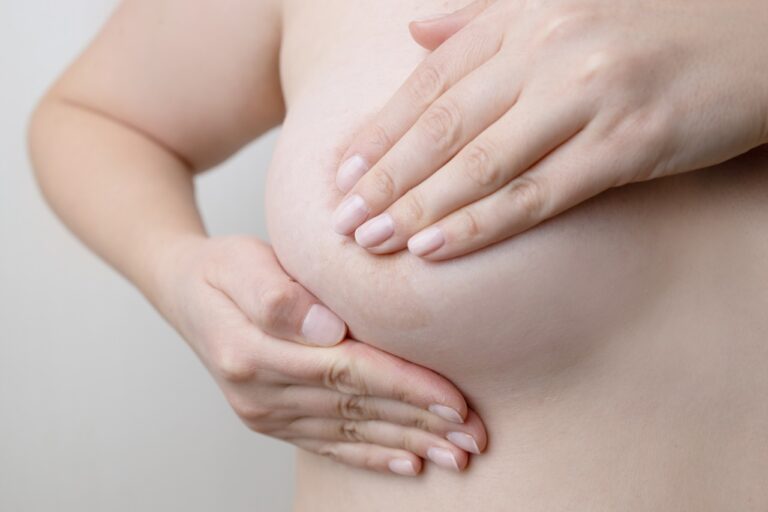
Examine your incisions at the same time each day in good light. While it is natural to be mindful of breast reduction scarring during this stage, your main focus should be on watching for changes in color, swelling, or unexpected discharge. Mild redness or light bruising is normal, but increasing pain or spreading redness is not.
Use your thermometer to check for fevers, as early fevers may suggest infection. Always record notable symptoms so you can share accurate details with your surgeon.
Signs That Require Medical Attention
You should call our office right away if you notice any of these symptoms:
- Sudden, intense swelling or pain that feels worse rather than better
- Persistent or bright red bleeding from incision sites
- Fever over 101 degrees Fahrenheit
- Yellow or foul-smelling drainage
- Shortness of breath or chest pain
Quick communication and early intervention defend your health and surgical results.

Making the Most of Your Healing Time
The physical side of healing can overshadow the emotional experience after breast reduction. Remember that your body needs time to adjust and that rest is an essential part of your treatment.
Activities to Support Physical Recovery
Gentle walks indoors or outside boost circulation and reduce the risk of blood clots. Avoid strenuous exercise, heavy lifting, or overhead reaching until your surgical team clears you.
Light stretching or breathing exercises may help reduce stress and keep you relaxed.
Emotional Wellbeing and Rest
Boredom or low mood sometimes accompanies the recovery process. Arrange books, movies, or music you enjoy in your recovery zone for easy access. Pausing to rest and reflect can help you appreciate small victories each day.
Tracking Progress and Follow-Up Care
Keep a journal to log your healing progress and note any questions that arise. You should attend all follow-up appointments at our New York lipo surgery headquarters so our team can monitor your healing and celebrate your results.
Breast Reduction Healing: Setting Yourself Up for Success
Healing after breast reduction is a detailed process that requires thoughtful effort, patience, and intentional care. When you have the right supplies in place, your post-surgical experience becomes safer and far more comfortable. You will have the freedom to focus on your recovery, rather than worrying about what to buy or how to keep incisions protected.
At the New York Liposuction Center, our team is committed to guiding you through every phase of your breast reduction journey. Trusting in the power of preparation and attentive self-care can transform the way you heal. If you would like a personalized list of recommendations or have specific concerns, we encourage you to reach out and schedule a consultation.