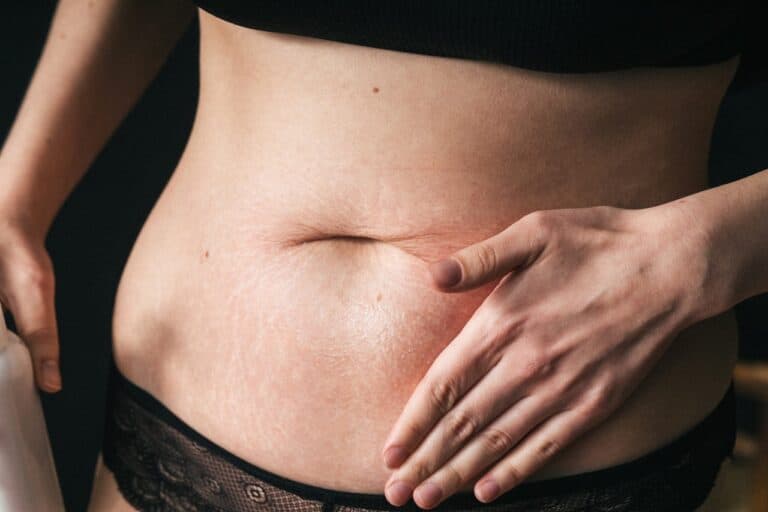
At the New York Liposuction Center, patients frequently ask how soon they can return to exercise after liposuction. Recovering from this popular body-contouring procedure requires both patience and a smart, tailored approach to physical activity in order to optimize your results.
It is natural to feel eager to get back into your fitness routine, but your body will need careful consideration during the healing process. Our surgical team creates recovery plans designed to match each patient’s needs, helping you safely reconnect with movement while prioritizing your surgical outcome.
Let’s look closely at what you can expect regarding workout timelines, safe practices, and signs that your body is ready to increase activity.
Key Takeaways
Understanding Liposuction Recovery
What Happens After Liposuction?
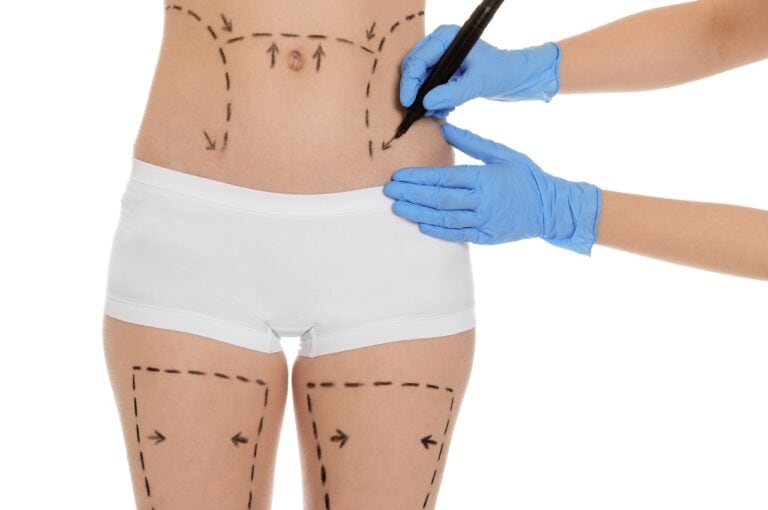
Liposuction removes unwanted fat deposits using small incisions and a specialized cannula. After surgery, your body heals by closing incisions, clearing fluid buildup, and adjusting to its new contours.
Most patients experience some bruising, swelling, tightness, and mild discomfort in the treated areas. The initial inflammation lessens gradually, which allows you to return to light activity over time.
Healing Phases and Their Timeline
The recovery from liposuction can be divided into phases, which help predict when exercise becomes appropriate. These timeframes may differ based on individual healing rates and the treatment area.
- Immediate Recovery: The first 48 to 72 hours focus on rest, managing swelling, and medication as prescribed.
- Early Phase (Week 1): Light walking around the house can prevent blood clots and help with circulation.
- Intermediate Phase (Weeks 2-4): Some daily activities and gentle movement return, and swelling continues to decrease.
- Later Phase (Weeks 4-6+): Most patients can resume more strenuous exercise, depending on comfort and progress.
Our surgeon monitors your recovery and adjusts these phases as necessary, based on your body’s response.
Why Exercise Restrictions Are Crucial After Liposuction
Every patient wants the best results after surgery, so understanding why exercise guidelines exist is essential.
Physical Healing Needs
Your body needs time after surgery to close tiny blood vessels, resorb fluid, and knit tissue together. Exercising too early may interrupt these processes, leading to more bruising, swelling, or even infection.
Risk of Complications
Increased heart rate and blood pressure from aerobic or strength-training activities can stress healing tissues. This sometimes causes problems such as:
- Seroma Formation: Fluid pockets may develop at the surgical site.
- Bleeding: The small incisions are still vulnerable in the early weeks.
- Delayed Healing: Disrupted tissue healing can affect final results.
Following workout guidelines reduces the risk of setbacks and helps you return to your desired routine safely.
Rest and Gentle Movement
During the first week after your liposuction procedure, recovery centers around protecting your healing tissues and reducing the chance of complications.
What Activities Are Safe During Week One?
You should focus on rest, with only gentle, slow movement necessary for everyday needs. We typically advise:
- Short Walks: Moving around your home helps prevent blood clots and keeps your circulation healthy. Walks should be slow and brief, with no vigorous effort.
- No Lifting or Straining: Avoid lifting children, grocery bags, or performing any activity that raises your heart rate.
Pay attention to how your body feels, and avoid anything that causes discomfort or swelling.
Managing Swelling and Discomfort
Compression garments help control swelling and support your new contours. Our doctor recommends wearing these garments as directed, while continuing to keep your body elevated when resting.
Pain medication, if prescribed, should be used as instructed to maintain comfort and mobility.
Light Activity and Walking
Gradually increasing gentle activities in weeks two through four helps support your recovery while avoiding risks.
How to Safely Add Movement
During this phase, most patients notice a decrease in swelling, and bruising starts to fade. You can increase walking distance, both inside and outside, as long as the pace remains relaxed.
Light chores, such as tidying or meal preparation, may also resume. Our surgeon suggests checking in regularly with your body for any signs of fatigue or soreness.
Activities to Avoid at This Stage
Even as your energy returns, you should avoid:
- High-Impact Exercise: Running, jumping, or intense cardio can strain healing tissue.
- Strength Training: Weightlifting or resistance exercises, even at low weights, put pressure on the treatment area.
- Abdominal Exercises: Movements that twist or put force through your core can stress incisions.
Most individuals benefit from continued use of compression garments during these weeks to support swelling and provide gentle pressure.
Returning to Moderate Exercise
By weeks four to six, many patients feel ready to return to moderate physical activities, though some restrictions may still apply.
Signs You Are Ready to Increase Effort
Your readiness to exercise comes from a combination of healing progress and comfort. Signs that you may be ready to take the next step include:
- No Excessive Swelling: If swelling has sharply reduced or resolved, tissues are more durable.
- Minimal Pain: Any discomfort has faded to a mild sensation that does not worsen during movement.
- Full Range of Motion: Your joints and muscles move normally with no sense of tightness.
- Incisions Have Closed: Healing looks smooth, with no open wounds or drainage.
If your surgeon gives the green light, consider engaging in brisk walking or cycling for short periods.
Types of Exercise to Restart First
Safe choices for returning to moderate workouts include:
- Stationary Biking: This activity keeps movement low-impact while boosting cardiovascular fitness.
- Elliptical Machines: These machines provide a gentle physical challenge and minimize jarring on healing tissue.
- Swimming: Swimming is often possible once incisions have fully healed and any bandages have been removed. Always check with our surgical team first.
Light resistance exercises may also begin, focusing on bodyweight work before using heavier weights.
When to Resume Vigorous Exercise
Some people are eager to jump back into running, high-intensity interval training, or weightlifting routines. However, patience is important.
Factors That Influence Your Timeline
Several important elements affect the return to vigorous exercise:
- Treatment Area: Larger treatment areas or multiple sites require slower progress.
- Amount of Fat Removed: Larger-volume liposuction means more tissue healing time.
- Your Health and Fitness Level: Baseline health and how your body responds to surgery matter.
- Previous Activity: Highly-conditioned individuals may be able to incorporate activity sooner, but rushing still carries risks.
Our surgeon will assess your healing at each follow-up visit and let you know when to step up your intensity. For many patients, full workout clearance arrives around six weeks after surgery, although individual factors play a significant role.
When to Pause or Slow Down
Monitoring your body’s signals is especially vital after surgery. Knowing what symptoms indicate a problem can help prevent complications and protect your results.
Symptoms That Warrant Caution
Consider pausing your workout or contacting our office if you notice any of these common issues:
- Unexpected Swelling: New or growing swelling suggests stress at the surgical site.
- Intense Pain: Sharp or persistent pain is not typical in later recovery stages.
- Redness or Discharge: Signs of infection, such as increased redness, warmth, or oozing, need attention.
- Dizziness or Shortness of Breath: Feeling faint or struggling for breath during exercise may indicate a deeper issue.
If you experience any symptoms that concern you, wait until your surgeon can evaluate your healing before resuming activity.
Exercise and Compression Garments
Many patients wonder how wearing compression garments affects their ability to move and exercise. Understanding their purpose will help you balance recovery and mobility.
Why You Need a Compression Garment
Compression garments serve several key roles in liposuction recovery. These include:
- Swelling Reduction: The garment’s gentle pressure limits fluid buildup and helps swelling resolve faster.
- Contour Shaping: The fabric holds tissues in place as your body settles into new contours.
- Comfort & Support: Wearing compression can help reduce discomfort from gentle movement or walking.
You can wear the garment during most light activities, but you should check with your provider before using it during moderate or intense exercise.
Compression Garment Duration Guide
In most cases, we advise patients to wear their compression garments around the clock (except for showering) for about two to four weeks following surgery. Your specific instructions may vary based on the scope of your treatment.
After this phase, you may benefit from wearing the garment during higher-impact activities or for additional weeks if swelling persists.
If you have concerns about comfort or fit, reach out to your provider to discuss alternatives.
Tips for a Safe Return to Exercise
Smart planning and listening to your surgeon’s advice can help you ease back into your regular fitness routine.
Steps for Successful Post-Liposuction Exercise
Returning to exercise is not a race. Steady progress is more valuable than quick results. Consider these tips as you move through recovery:
- Start Slowly: Begin with low-impact movements. Pause if you notice discomfort, even if the activity feels mild at first.
- Prioritize Hydration: Surgery, healing, and gentle activity all increase the body’s need for fluids.
- Pay Attention to Your Body: New pain, fatigue, or swelling should prompt you to pause.
- Adjust Intensity in Steps: As the weeks pass, add minutes or resistance gradually. Avoid sudden increases.
- Maintain Good Nutrition: Your body’s ability to heal improves with proper protein, vitamins, and hydration.
- Keep Routine Follow-Ups: Our doctor will track your healing and clear you for new activities when safe.
Each patient’s journey looks different, so follow your customized instructions above all else. Developing a positive, patient outlook will help you get the best out of your liposuction results.
Frequently Asked Questions About Exercise After Liposuction
Patients often have specific concerns about integrating movement back into their routines after liposuction. Below are answers to several of the most common questions we address at the New York Liposuction Center.
Why Personalized Advice Matters
Every patient wants a quick return to fitness, but liposuction requires an individualized approach to healing. By respecting your body’s timeline, listening to our surgeon’s advice, and advancing your workouts slowly, you give yourself the best chance at smooth recovery and beautiful results.
For those living in or near New York, choosing a surgical team that provides structured guidance makes the transition safer and simpler. Your comfort and confidence matter just as much as your final contour.
If you have questions about exercise after liposuction, or if you are ready to schedule a personal recovery plan, reach out to the New York Liposuction Center for a tailored consultation. Achieve your goals with the support of experienced professionals every step of the way.