At the New York Liposuction Center, patients often ask what really happens to their fat cells after liposuction. Many expect that fat simply disappears forever, but the process and what follows are more complex. Understanding the long-term effects of this popular cosmetic procedure can help set accurate expectations and ensure the best possible results.
Liposuction is not just about immediate cosmetic changes. It involves biological shifts in the treated areas and across the body. Our surgeon wants every patient to feel fully informed about how fat behaves after liposuction treatment.
In this article, we explain the science, the recovery journey, and what it truly means for the future of your body contour.
Key Takeaways
What Happens During Liposuction?
Patients often associate liposuction only with fat removal, but the procedure impacts the body in several ways. At our practice, our surgical team follows a well-defined process to extract fat while preserving the surrounding structures for natural-looking results.
The Fat Extraction Process
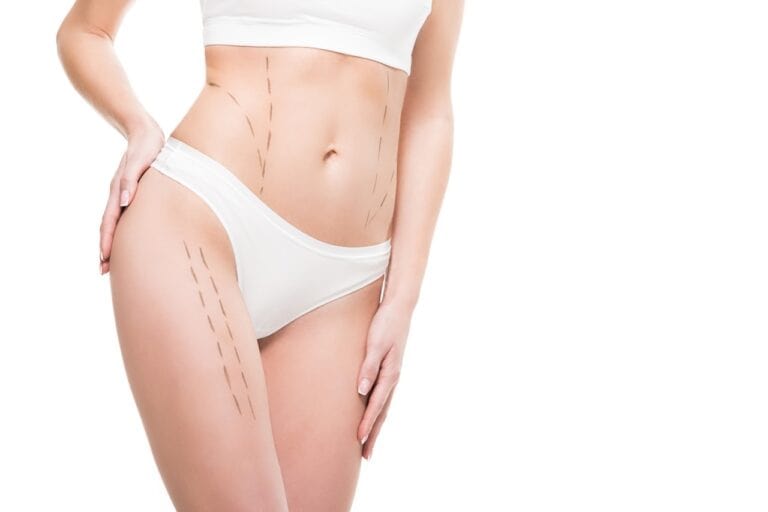
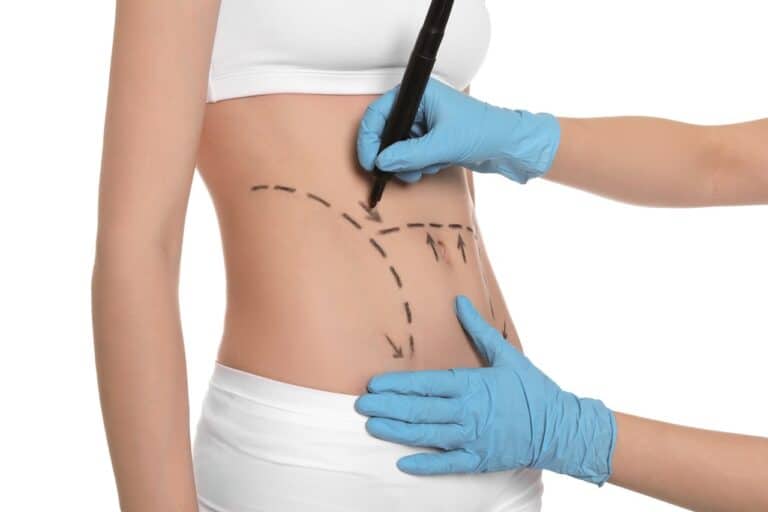
Liposuction targets specific fat pockets that have not responded to diet or exercise. The procedure involves anesthetizing the target area and inserting a thin tube called a cannula. Our surgeon manually loosens and suctions out fat cells directly from the tissue plane. As a result, the total number of fat cells in the area drops significantly.
Immediate Changes to the Treated Area
After fat removal, patients usually see improved contour and smoother body lines. The treated area loses fullness because a physical portion of adipose cells leaves the body. However, some swelling after surgery can temporarily mask the final shape for several weeks or months.
Types of Fat Addressed by Liposuction
Several types of fat accumulate in the body, but not all can be treated with liposuction. Here is how common categories of body fat relate to this procedure.
- Subcutaneous fat: Liposuction most effectively targets this type, which sits directly beneath the skin and above the muscles.
- Visceral fat: This deeper fat, located around internal organs, cannot be reached or removed with liposuction.
- Fibrous fat: Harder fat deposits may respond to specialized liposuction techniques, depending on their location and texture.
Most patients see notable improvement with subcutaneous, soft fat deposits, which cause bulges just beneath the surface.
What Happens to Fat Cells After Removal?
The physical removal of fat cells seems simple, but the biological response unfolds over weeks and months. Understanding what happens next can help patients maintain their results.
Permanent Removal of Fat Cells
Fat cells extracted during liposuction do not regenerate or return to the same site. In adults, fat cell numbers stabilize by late adolescence. Once our surgeon removes these cells, that reduction becomes permanent in that particular location. However, the body’s overall system adjusts in other ways to maintain balance.
Redistribution and Adaptation
The body compensates for lost fat in subtle ways. While fat cells at the treated site cannot regrow, the remaining fat cells in the region can still expand if excess calories are consumed. The body may shift weight gain to areas not treated during surgery, such as the back, arms, or face.
Cell Death and Body Processing
Removed fat cells exit the body via suction during the procedure. Any disrupted fat cells left behind tend to break down, and the lymphatic system naturally clears away these remnants. This cleanup process can last several weeks after surgery and contributes to ongoing improvement in skin texture and contour.
Do Fat Cells Grow Back After Liposuction?
Many people wonder if liposuction only provides temporary improvement. The short answer is that most of the changes remain permanent, but certain factors affect long-term outcomes.
Fat Cell Proliferation Explained
In general, adults rarely develop new fat cells after adolescence. Liposuction does not stimulate significant fat cell regrowth in the liposuction site. However, if a patient experiences substantial weight gain, there can be some creation of new fat cells through a process called adipogenesis, but it is much less efficient and unlikely to undo the majority of the surgical benefit.
Expansion of Remaining Fat Cells
While new cell production is uncommon, the existing fat cells left behind can grow larger in response to a calorie surplus. Since fewer fat cells remain in the treated area, new fat deposits may accumulate faster in other untreated sites. This is why many patients notice smoother contours in the suctioned area, but may develop new fullness somewhere else if they do not maintain a stable weight.
How the Body Responds to Fat Cell Loss
Our surgeon often emphasizes that liposuction changes the landscape of fat but does not alter the fundamentals of energy metabolism. The body’s complex regulatory systems adapt to fat loss in several key ways:
The Body’s Adjustments Post-Liposuction
After the sudden removal of fat, the body undergoes specific shifts. Here are some of the main responses patients experience:
- Redistribution of fat: With fewer fat cells in the treated area, future weight gain may concentrate in new locations.
- Adjustment in skin and connective tissue: Surrounding skin can gradually conform to the leaner contour, but this depends on age, elasticity, and surgical technique.
- Hormonal balance: There may be minor hormonal shifts, but removing subcutaneous fat in a localized region usually does not disrupt broader hormonal regulation.
- Appetite and metabolism: Liposuction does not alter metabolism, appetite, or underlying genetic tendencies for weight gain.
Each patient’s experience can differ based on their age, genetics, and overall health status. Most notice that untreated parts of the body respond more strongly to weight fluctuations after the fat cell count in one zone has decreased.
Maintaining Results After Liposuction
Removal of fat cells creates new contours, but lifestyle choices determine the longevity of those changes. Our doctor encourages patients to follow post-surgical guidelines for both short-term recovery and long-term maintenance.
Core Strategies for Lasting Results
A thoughtful approach to daily habits ensures that the results from liposuction last as long as possible. Here are some proven strategies for protecting your investment:
- Consistent, balanced nutrition: A diet rich in whole foods, lean proteins, and healthy fats limits the risk of new fat accumulation.
- Regular physical activity: Cardio and strength training support a healthy metabolism and help prevent weight gain in untreated areas.
- Stable weight management: The best results appear when patients stay at or near their post-surgical weight.
- Hydrated, healthy skin: Adequate hydration and occasional massage can promote healing and skin adaptation.
- Follow-up visits: Regular check-ins with our surgeon help monitor healing and address any areas of concern early.
By prioritizing these elements, patients can enjoy smoother body lines and a more consistent silhouette for years after their procedure.
Misconceptions About Fat and Liposuction
Many myths persist surrounding fat removal and its effects on the body. Understanding the science helps clarify expectations and avoid disappointment.
Liposuction Is Not a Weight Loss Tool
Liposuction removes stubborn, localized fat but does not serve as a substitute for systematic weight loss. Patients typically lose pounds afterward, but these changes are usually modest. Liposuction focuses on shape and proportion, not the number on the scale.
Results Are Long-Lasting with Good Habits
Permanent change occurs at the cellular level, but overall appearance depends on lifestyle. Patients who neglect healthy eating or activity may develop new problem areas, even though fat does not return to the treated zone.
Cellulite and Skin Tightening
Liposuction can smooth bulges but rarely corrects cellulite or loose skin. For patients with reduced skin elasticity, our surgical team may recommend combination treatments to maximize results.
Potential Risks and How to Minimize Them
While liposuction is generally safe when performed by experienced surgeons, risks exist as with any fat reduction procedure. Careful selection of patients and adherence to aftercare instructions protect your outcome.
Common Risks Associated with Liposuction
Several risks are possible with liposuction. Here are the most notable ones:
- Irregular contours: Over-removal or uneven fat extraction can lead to lumps, waviness, or asymmetry.
- Loose skin: Some patients experience mild skin laxity, especially if large areas have been treated or elasticity is low.
- Swelling or bruising: Temporary swelling and bruising often occur, resolving naturally over several weeks.
- Change in sensation: Numbness or tingling sometimes develops, but these symptoms usually improve as nerves recover.
Most complications remain mild and can be avoided or addressed with prompt attention and proper care. At the New York clinic, our surgical team tailors each operation to minimize risk and maximize safety.
Who Is a Good Candidate for Liposuction?
Each patient has unique needs, so careful screening determines who will benefit the most from the procedure. Our surgeon considers several factors during consultation to ensure optimal outcomes.
Main Selection Criteria
Candidacy for liposuction depends on a variety of health and lifestyle characteristics. Patients who fare best usually meet the following criteria:
- Stable, healthy weight: Liposuction works best for those who are close to their ideal weight and struggle with localized fat.
- Good skin tone: Firm, elastic skin conforms better post-surgery, which enhances results.
- Non-smokers: Smoking impairs healing and raises the risk of complications after liposuction.
- Realistic expectations: Patients need to understand the limits of fat removal and what can and cannot be corrected.
- Absence of major medical issues: Good general health is needed to tolerate anesthesia and recovery.
Screening against these benchmarks helps our doctors avoid problems and improve patient satisfaction.
What to Expect During Recovery
The recovery period after liposuction is an essential stage in the final appearance and contour. At our New York office, we guide patients through a tailored post-surgical plan.
Typical Recovery Timeline
Most patients can expect the following stages after liposuction:
- First week: Bruising, swelling, and some discomfort are common, which gradually fade by the end of the first week after your procedure.
- Weeks 2–4: Swelling improves and light activities resume, while strenuous exercise remains limited.
- Months 2–6: The body continues to adapt, and final results become clear as swelling resolves and tissues settle.
Our team supports each patient with personalized aftercare instructions that may include special compression garments, gentle movement, and follow-up checks. Adhering to these guidelines protects the outcome and accelerates healing.
Frequently Asked Questions About Liposuction and Fat Cells
Patients who consider liposuction often bring up questions about their future shape and health. Below, we address several of the most common topics discussed during consultations.
Next Step: What the Patient Should Know
Understanding the fate of fat cells after liposuction helps set clear and realistic expectations for your cosmetic journey. Liposuction at the New York Liposuction Center creates permanent reduction of fat cells in targeted areas, providing lasting body contour improvements. However, the way your body adapts not only in the treated site but also elsewhere depends on your lifestyle and habits after surgery.
The surgical process removes fat cells in a single procedure, and these cells do not return. The surrounding tissue goes through a natural healing process over several months, revealing smoother lines as swelling subsides and the skin adjusts. By maintaining a steady weight, nourishing your body, and embracing regular exercise, you can enjoy the long-term advantages of your procedure.
If you are interested in exploring what liposuction can do for your shape and confidence, we encourage you to contact the New York Liposuction Center. Our surgeon can discuss your goals, answer your questions, and craft a treatment plan that supports your best results. Schedule a consultation to see how body contouring may fit your vision for a healthier, more sculpted you.