Recovering from liposuction should be a carefully managed process for optimal healing and results. If you develop a cold or flu during this important period, your recovery at the New York Liposuction Center can become much more complex and potentially uncomfortable.
Many patients want to understand exactly how an illness like the cold or flu can affect their healing, results, and experience. This article answers the most pressing questions and offers clear, step-by-step guidance if you find yourself managing cold or flu symptoms during your liposuction recovery.
Key Takeaways
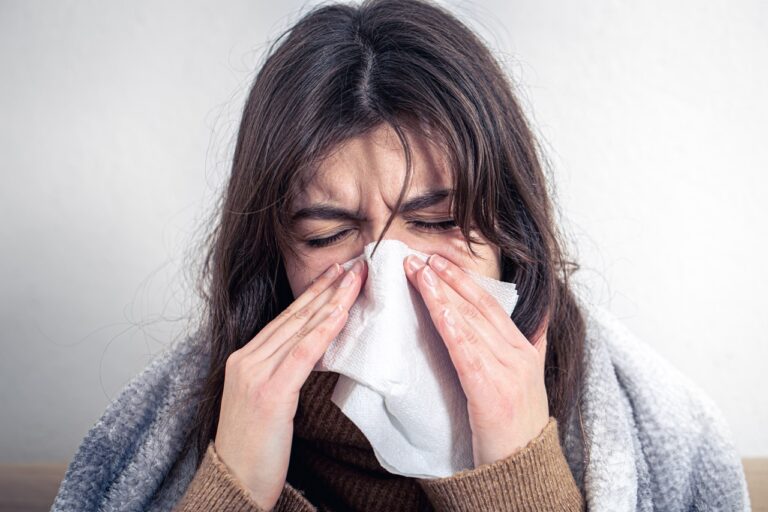
Understanding Liposuction Recovery and Your Immune System
Recovering from liposuction involves more than just waiting for swelling to subside. Your body enters a period of healing that places intense demands on your immune system, so it is natural to experience temporary fatigue or mild discomfort.
The immune system recognizes surgery as a physical “injury,” directing additional energy and resources toward wound repair and inflammation reduction. Because of this, your body’s defense against outside invaders weakens for the first several days or weeks.
This immune shift means an individual who normally recovers quickly from a cold may find those same symptoms linger longer and feel more severe after liposuction.
Liposuction and Immune Function
Our surgical team always reminds patients of the vital role the immune system plays after body contouring. While liposuction itself does not directly cause illness, many factors can affect your risk.
First, surgical stress triggers a hormonal response that reduces your infection-fighting abilities temporarily. Next, medications such as pain relievers and antibiotics can alter how your body responds to viruses. Additionally, physical recovery often calls for rest and limited activity, which means you may socialize less and be exposed to new germs from friends or family who visit.
Patients often ask if vitamins or supplements can “boost” their immunity during this period. No supplement substitutes for adequate sleep, balanced nutrition, and avoiding known sources of illness. The New York Liposuction Center always encourages safe, evidence-based approaches as you recover.
Why Even Mild Illnesses Feel Worse After Surgery
A mild sore throat or stuffy nose might not require much attention when you are well, but during liposuction recovery, these symptoms become more challenging for several reasons.
First, your body’s resources go toward healing surgical sites, so you feel exhausted more quickly with any added stress. Next, dehydration and post-surgical swelling, which are already concerns, often worsen with fever, congestion, and poor appetite associated with a cold or flu. As a result, recovery may slow, and you might not feel your best for a prolonged period.
How Cold and Flu Symptoms Affect Healing
Catching a cold or flu after liposuction may complicate and extend your recovery. You may wonder how familiar symptoms, like a runny nose or cough, can impact your surgical site or outcome.
Mild symptoms tend to heighten discomfort. A stuffy nose or sore throat often reduces appetite and hydration, both of which are important for tissue healing. Even minor coughing or sneezing sometimes causes pressure on the abdomen or trunk, which increases pain around treated areas, especially when fat was removed from those locations.
Fever is common with flu and sometimes with more severe colds. Because fever increases fluid loss and raises body temperature, your risk for dehydration, increased swelling, and delayed wound healing rises. For this reason, high or sustained fevers require prompt communication with our surgeon.
Potential Complications When Recovering From an Illness
Coming down with a respiratory infection during post-liposuction recovery introduces new risks. It is important to recognize the signs of complications after liposuction early, as an active virus can mask or exacerbate surgical issues like localized infections or poor wound healing.
Infection at the surgical site becomes more likely with any illness that weakens the immune system. If you experience a cough with significant mucus or difficulty breathing, your risk for lung-related complications, such as pneumonia, increases. Additionally, dehydration, which often follows fever or decreased fluid intake, can cause dizziness, slow wound healing, and, in rare cases, blood clot formation.
Patients sometimes experience secondary infections – for example, bacterial sinusitis after a viral cold – which may need further treatment. Stomach upset from frequent coughing or from using certain cold medicines occasionally aggravates nausea, especially when combined with pain medications from your liposuction recovery.
What Symptoms to Watch for During Recovery
Mild colds often resolve with rest, fluids, and time, but some warning signs indicate more serious issues following surgery. Not all patients will experience complications, but you should monitor for the following symptoms closely and call our office if any arise:
- High fever: Persistent temperature above 101.5°F may indicate infection or a more severe viral illness.
- Chills and severe body aches: These suggest viral or bacterial infections requiring doctor evaluation.
- Chest pain or shortness of breath: These symptoms can point to pneumonia, blood clots, or other urgent complications.
- Increasing redness, swelling, or pus at incision sites: Any of these changes suggests infection that needs professional care.
- Confusion, extreme fatigue, or fainting: Significant weakness or mental changes could mean dehydration or other dangerous effects.
If you do not improve within a few days or develop new symptoms, our surgical team at the New York Liposuction Center will help determine the next right steps.
Medications and Remedies: What’s Safe After Liposuction
Many patients instinctively reach for over-the-counter cold and flu remedies when they feel ill. However, not all medications are safe after liposuction, as some can interact with pain relievers, thin the blood, or increase your risk for side effects.
First, our surgeon generally recommends acetaminophen for mild fevers or discomfort, as it does not increase bleeding risk. Nonsteroidal anti-inflammatories such as ibuprofen or aspirin can thin the blood, raise bruising risk, and sometimes interfere with early healing, especially if taken in large amounts.
Patients should avoid decongestants, such as pseudoephedrine, immediately after surgery because these can raise their blood pressure and make them feel jittery or anxious. Cough suppressants are sometimes appropriate, but our team suggests you always check with our care staff before starting any new medicine.
Natural Remedies and Supporting Recovery
Patients often ask about home remedies to cope with mild symptoms safely. Gentle hydration with water, clear broth, or herbal teas usually helps more than any medication. Saline nasal sprays are safe for congestion, and rest is vital.
Do not take new herbal supplements or “immune boosters” without asking our surgeon first. Many common remedies, including some teas or vitamin blends, interact with pain medications or thin the blood, increasing risk for complications.

Strategies for Preventing Cold and Flu After Surgery
Recovery is a period when your best defense is the avoidance of illness whenever possible. Our surgeon shares several effective ways to minimize your risk, both before and after liposuction.
Tips for Protecting Your Health
Taking simple steps can lower your risk of developing a cold or flu during recovery. Each day, make health a priority by focusing on these vital strategies.
- Hand hygiene: Regular handwashing with soap reduces the spread of respiratory viruses, especially when visitors enter your home.
- Nutritious eating: Balanced meals rich in protein, fruit, and vegetables strengthen healing and help support immunity.
- Adequate rest: Your immune system and wound sites heal faster with uninterrupted sleep and limited physical exertion.
- Limited contact: Consider postponing visits with sick friends or relatives. Virtual check-ins keep you connected without raising risk.
- Clean environment: Frequent disinfection of surfaces, door handles, and phones lowers the risk of contagious illnesses.
These preventive steps make a real difference during your recovery. Our team remains available to answer questions about staying well in the weeks following surgery.
The Impact of Illness on Your Surgical Results
Many patients wonder if a cold or flu will permanently affect their results, especially if illness disrupts recovery activities like lymphatic massage or follow-up visits. In most cases, mild upper respiratory illnesses do not cause lasting changes to your results, but recovery may take longer or feel more uncomfortable.
Untreated high fever, dehydration, or infections sometimes increase swelling or bruising, and they can, in rare cases, impair scarring or wound closure. The primary concern is always your safety and proper tissue healing, so focus on recovery rather than rushing back to normal routines during illness.
How We Support Patients With Illness After Liposuction
Our surgeon believes close communication and personalized care lead to the safest outcomes, especially if you become ill during post-surgical recovery. We encourage you to keep in close contact if you suspect a cold or flu and to reach out early with questions or concerns.
Our team at the New York Liposuction Center responds by reviewing your symptoms, medications, and healing progress. If needed, we can adjust follow-up visits, recommend alternative pain control methods, or coordinate further care with your primary doctor.
Managing Recovery If You Get Sick
If you develop a cold or flu during recovery, taking practical steps early helps protect your well-being. Our surgeon typically recommends the following plan:
- Monitor symptoms: Keep a daily log of your temperature and note any changes in wound appearance or swelling.
- Stay hydrated: Drink plenty of water and avoid dehydration by sipping small amounts throughout the day, even if your appetite is reduced.
- Prioritize rest: Avoid strenuous activities and schedule extra naps or quiet time whenever possible.
- Medications: Use only approved painkillers or cold remedies as advised by your surgical team or pharmacist.
- Nutrition: Eat simple, easy-to-digest foods like soup, bananas, and eggs to maintain strength.
- Contact our office: Reach out for new or worsening symptoms, especially high fever, severe pain, or shortness of breath.
By remaining proactive and seeking help promptly, you can often recover without long-term issues.
FAQs: Cold, Flu, and Liposuction Recovery
Many individuals recovering from body contouring surgery encounter similar questions. Here, we address several of the most frequent queries about illness and the recovery process at our New York location.
Special Considerations: Patients With Medical Conditions
Some individuals undergoing liposuction may have underlying conditions such as asthma, diabetes, or chronic bronchitis. Cold or flu viruses can exacerbate these illnesses, placing you at higher risk for complications.
If you have a chronic health condition, inform your liposuction surgeon before surgery and again if you develop new symptoms while recovering. Our practice can coordinate with your primary doctor as needed to ensure medical needs do not interfere with recovery or safety.
The Role of the Caregiver During Recovery from Illness
Many patients need assistance from friends or family with daily tasks after liposuction. If a caregiver notices symptoms of a cold or flu, they should wear masks, practice extra hand hygiene, and watch for signs of worsening illness or infection.
Our team encourages both patient and caregiver to communicate regularly with our office if new health concerns arise. Prevention, early intervention, and community support contribute to a more comfortable and safe recovery period.
When Hospitalization Is Required
Occasionally, a serious illness after surgery leads to complications needing hospital care. Symptoms such as persistent shortness of breath, severe chest pain, uncontrolled high fever, confusion, or signs of sepsis call for immediate emergency attention.
While hospital admission remains rare, every patient should know these warning signs and have a plan to reach emergency services if necessary. This risk is a primary reason why our surgeons provide strict guidelines regarding travelling after cosmetic surgery, as being far from your surgical team while ill can complicate urgent care.
Protecting Your Liposuction Results Through Informed Care
Your liposuction recovery will be smoother and safer if you stay informed, plan for contingencies, and ask for help when needed. Illnesses such as the cold or flu do not always result in setbacks, but they do require your vigilance.
If you suspect you may be developing symptoms, review this guide, connect with our team, and follow step-by-step recommendations. Your safety and your confidence in your results matter most to our entire New York Liposuction Center staff.
Feel free to reach out to our surgeon if you have concerns, need advice, or wish to discuss individual circumstances. Scheduling a consultation with the New York Liposuction Center provides the reassurance and guidance necessary for a successful and supported body contouring journey.