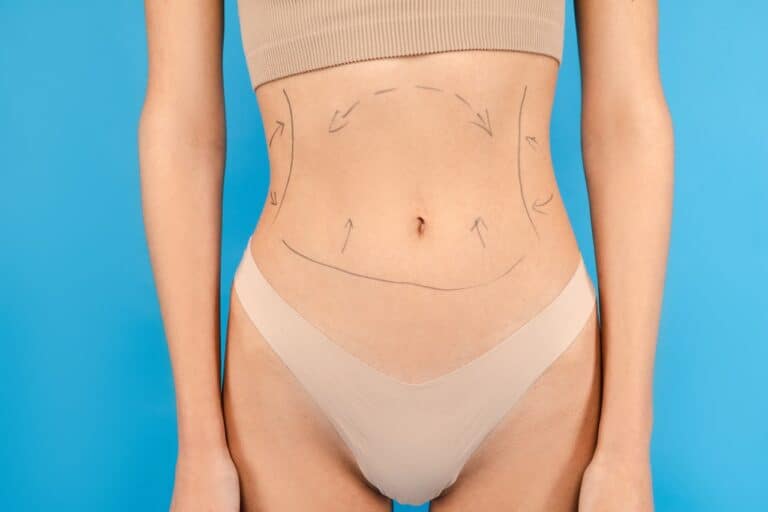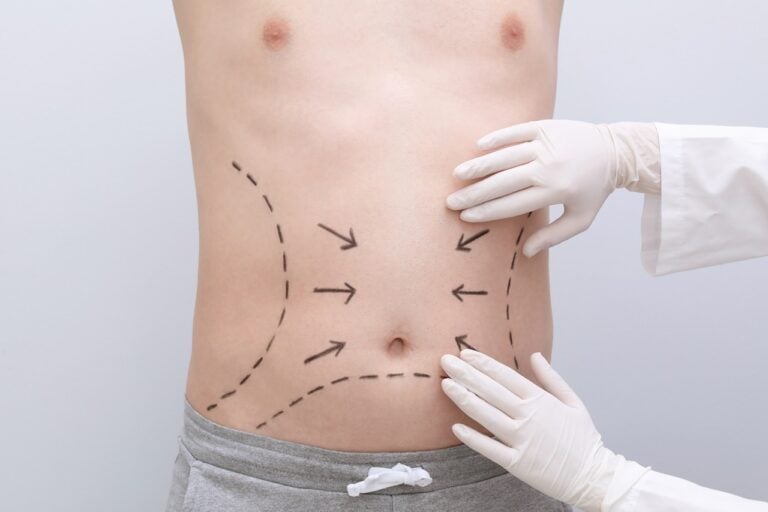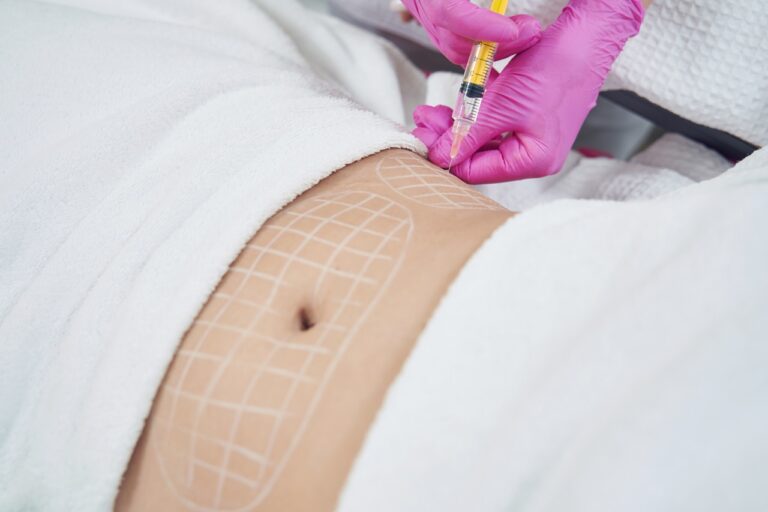
Liposuction scars are smaller than most people expect, and with the right care, they fade to barely visible marks over time. The key is knowing how to support your body’s natural healing process from day one of liposuction recovery.
This guide walks you through proven strategies to minimize scar appearance and feel confident in your results.
Key Takeaways
Understanding Liposuction Scars
Liposuction scars form as a natural part of your body’s healing response after surgery. When a surgeon makes small incisions to insert the thin tube that removes fat, your skin responds by producing collagen to repair the cuts. This collagen forms scar tissue, which looks and feels different from surrounding skin at first but improves dramatically with time and proper care.
The incisions required for liposuction are remarkably small. Most range from just a few millimeters to about half an inch in length. This is because the cannula used to suction fat is thin and requires minimal entry points.
The small size means the resulting scars are proportionally tiny compared to other surgical procedures.
Where Scars Typically Appear
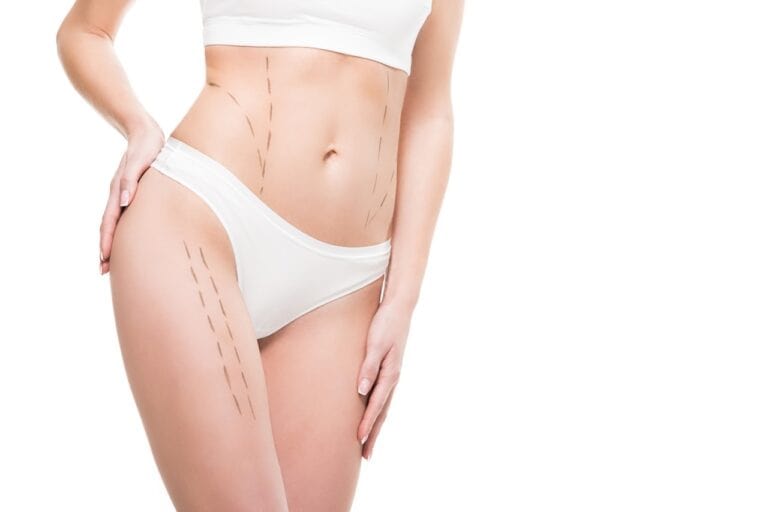
Board-certified surgeons strategically place incisions in locations where they will be least noticeable. For abdominal liposuction, incisions often hide within the belly button, below the bikini line, or in natural skin folds along the flanks. Thigh liposuction typically involves incisions in the groin crease or inner thigh, where they remain hidden.
Arm procedures place marks in the armpit or near the elbow where clothing covers them easily.
These thoughtful placements mean that even in a bathing suit or form-fitting clothes, your scars remain discreet. Many patients in New York appreciate this discretion, as it allows them to enjoy their improved contours without obvious signs of surgery.
The Science of Scar Formation
Recent medical research helps explain how scars develop and mature. A 2023 study published in Frontiers in Physiology examined scar tissue formation and found that inflammation plays a central role in the healing process. The body directs blood flow and nutrients to surgical sites to encourage repair.
However, chronic inflammation can lead to excessive scar tissue formation.
The research also showed that external factors affect healing outcomes. Sun exposure can darken scars through hyperpigmentation. Smoking decreases blood flow to tissues and impairs the healing process. Individual factors like age and skin type influence scarring as well.
Older patients may develop more pronounced scars, while skin with more melanin can show darker pigmentation changes during healing.
The Healing Timeline
Understanding what to expect during recovery helps you stay patient as your scars improve. The healing process follows a predictable pattern, and understanding the various liposuction healing stages allows you to stay patient and proactive as your skin remodels and scars begin to fade.
First Few Weeks After Surgery
Your incisions will look most prominent immediately after your procedure. The cuts appear red or pink and may feel slightly raised and firm. Some swelling around the incision sites is normal.
You might also notice mild drainage, numbness, or soreness in the treated areas.
During this critical early phase, keeping your incisions clean and protected is essential. Your surgeon will provide specific instructions for washing the areas and applying any recommended ointments. Most patients can shower within a day or two, but should avoid soaking in bathtubs or pools until the incisions fully close.
One to Three Months Post-Surgery
As your body continues healing, you’ll notice positive changes in your scars. They begin to flatten, and the redness starts to fade. Any scabs that formed will fall away naturally to reveal new pink scar tissue underneath.
This is the ideal time to start gentle scar massage if your surgeon approves.
The itching you may experience during this phase is actually a good sign. It indicates that new collagen is forming and your skin is rebuilding. An over-the-counter hydrocortisone cream can provide relief without interfering with healing.
Six Months to One Year
The most dramatic improvements happen during this extended healing period. Your scars continue to lighten and flatten significantly. They gradually blend with your surrounding skin tone and texture.
Most patients find their scars barely noticeable by the one-year mark.
This maturation process can’t be rushed, so patience is important. Your body needs this full year to complete the complex work of remodeling scar tissue. The collagen fibers reorganize themselves to create a smoother, more refined appearance over time.
Essential Daily Care Practices
The steps you take every day make a real difference in how your scars heal. These practices are simple to incorporate into your routine and deliver proven results when followed consistently.
- Keep incisions clean: Gently wash the areas with mild soap and water as directed by your surgeon. Pat dry with a clean towel rather than rubbing. Clean incisions are less likely to develop infections that could worsen scarring.
- Wear compression garments: Your surgeon will provide specialized garments to wear over treated areas. These apply consistent pressure that helps skin adhere to your new contours. The constant pressure also encourages incisions to close properly and minimizes scar formation.
- Stay hydrated: Drinking plenty of water keeps your skin moisturized from the inside out. Well-hydrated skin heals better and maintains more elasticity during the repair process. Aim for at least eight glasses of water daily.
- Protect from sun exposure: UV rays can darken healing scars and make them more noticeable permanently. Apply broad-spectrum sunscreen with SPF 30 or higher to any exposed incision sites. Wear protective clothing when spending time outdoors. This precaution is especially important during your first year of healing.
- Follow activity restrictions: Your surgeon will outline which activities to avoid and for how long. Strenuous exercise and heavy lifting can stress healing incisions and potentially widen scars. Gradually return to your normal routine according to the provided timeline.
Proven Scar Treatment Methods
Several treatment options can actively improve the appearance of your liposuction scars. These methods work best when combined with the daily care practices above.
Silicone Products
Silicone gel sheets and serums are among the most effective over-the-counter treatments for scars. Silicone works by creating a protective barrier over healing tissue. This hydrates the scar and helps regulate collagen production. Excessive collagen causes raised, thick scars, so controlling its formation leads to flatter, softer results.
You can find silicone sheets at most pharmacies. Apply them directly over clean, dry scars for several hours each day. Silicone serums offer a more convenient option for areas where sheets don’t adhere well. Use these products daily for at least two to three months to see optimal improvement.
Gentle Massage Techniques
Massage helps break down dense scar tissue and improves blood flow to healing areas. Once your incisions fully close and your surgeon gives approval, begin massaging the scar tissue gently. Use your fingertips to apply light pressure in circular motions for several minutes each day.
This technique softens the texture of scars and helps them flatten. The increased circulation delivers more oxygen and nutrients to support continued healing. Many patients find that massage also reduces any tightness or discomfort around healed incisions.
Professional Treatment Options
If your scars don’t fade as well as you hoped with home care alone, several professional treatments can help. Laser therapy uses focused light to smooth raised scars and even out skin tone. The laser stimulates healthy collagen production while breaking down excess scar tissue. Multiple sessions spaced several weeks apart typically deliver the best results.
Microneedling creates controlled micro-injuries in scar tissue using tiny needles. This triggers your body’s healing response and encourages new collagen formation. The treatment improves both the texture and color of scars over a series of sessions.
For particularly thick or raised scars, corticosteroid injections can reduce inflammation and flatten the tissue. These must be administered by a healthcare provider and work best when started early in the healing process.
Lifestyle Choices for Better Healing
The way you live during your recovery period significantly impacts your results. These healthy habits support your body’s natural healing processes and contribute to better scar outcomes.
- Eat nutrient-rich foods: Your body needs proper nutrition to heal effectively. Focus on foods high in protein, vitamins, and minerals. Protein provides the building blocks for new tissue formation. Vitamins C and E support collagen production and protect against oxidative stress. Zinc aids in wound healing and immune function.
- Avoid smoking and alcohol: Smoking restricts blood flow to your skin, which delays healing and increases scarring risk. The chemicals in cigarettes also interfere with collagen production. Alcohol can thin your blood and increase bruising and swelling. Both substances should be avoided for at least several weeks before and after surgery.
- Get adequate rest: Your body does most of its healing work while you sleep. Aim for seven to nine hours of quality sleep each night. This allows your immune system to function optimally and supports tissue repair.
- Manage stress levels: Chronic stress impairs healing by affecting hormone levels and immune function. Practice relaxation techniques like deep breathing, gentle yoga, or meditation. Taking time to rest and recover without pressure helps your body heal more effectively.
Special Considerations for NYC Patients
Living in New York City presents unique factors to consider during your healing process. The urban environment requires some adjustments to protect your healing scars and ensure the best outcomes.
Sun exposure is a concern even in the city. Reflections from buildings and concrete can increase UV exposure as you walk through Manhattan or other boroughs. Always apply sunscreen to healing areas before going outside. Keep treated areas covered with clothing when possible during your first several months of healing.
The fast-paced lifestyle many New Yorkers maintain can make rest and recovery challenging. Plan ahead to allow proper downtime after your procedure. Arrange help with daily tasks if needed, so you can focus on healing without rushing back to your normal routine.
Frequently Asked Questions About Liposuction Scar Management
Achieving Your Best Results
At the New York Liposuction Center, we’re committed to helping you achieve beautiful, natural-looking results from your liposuction procedure. Our experienced team provides detailed guidance on the benefits of liposuction aftercare, ensuring you are supported from day one through the full maturation of your results. If you’re considering liposuction and want to learn more about what to expect, we invite you to schedule a consultation.
We’ll discuss your goals, answer your questions about scarring, and create a personalized treatment plan designed for your needs.