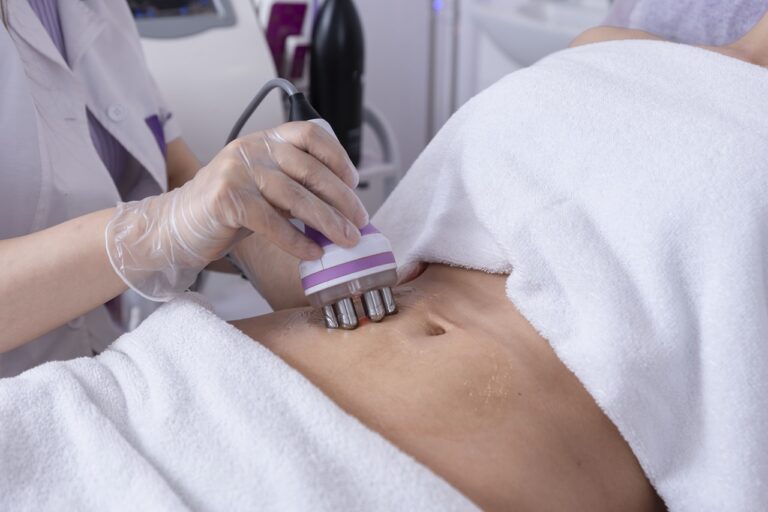
Body contouring options look very different today than they did even a decade ago. At the New York Liposuction Center, we often hear from patients curious about the most effective paths for fat reduction, whether surgical or nonsurgical.
Comparing liposuction to weight loss drugs can feel overwhelming, given the different goals, safety profiles, and expected results. Learning how these interventions work and understanding what to expect helps you make thoughtful, informed decisions for your health. Let us walk you through the details and clear up the confusion.
Key Takeaways
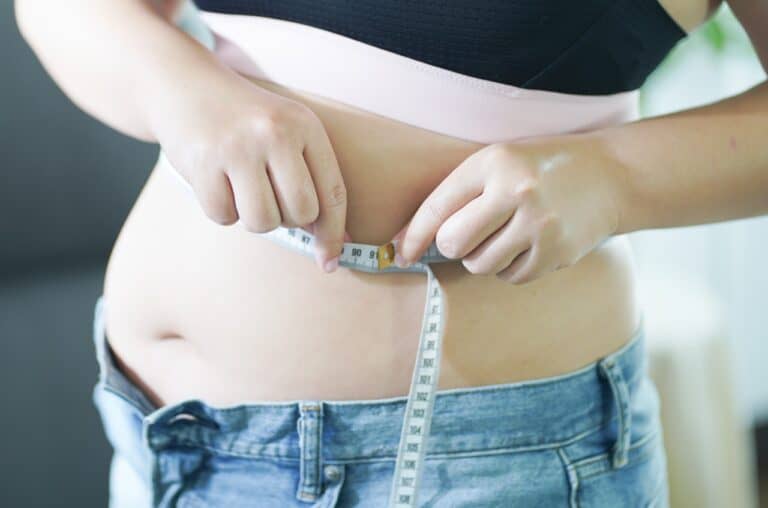
Understanding Liposuction and Weight Loss Drugs
Fat reduction methods have evolved, giving patients a choice between surgical and non-surgical options. Understanding how each method works empowers you to set realistic goals and choose the treatment that best suits your situation.
Liposuction: What to Know
At its core, liposuction removes stubborn fat deposits using a surgical technique. Our practice uses advanced liposuction methods to help patients sculpt and contour their bodies safely and effectively.
You will see immediate improvements in the treated area after recovery. While liposuction is powerful, it is not a substitute for weight loss or an obesity treatment. Most patients notice changes in how their clothing fits, but the scale itself may not reflect dramatic weight reduction.
Weight Loss Drugs: The Basics
Pharmaceutical advances have made weight loss drugs more effective and accessible for people struggling to lose weight through diet and exercise alone. These medications work through various biological pathways and aim to support steady, whole-body weight reduction.
Doctors may prescribe weight loss drugs for people with a high BMI or related health issues. While these medications do not eliminate existing fat deposits in a specific area, they can help lower body weight over time. It is important to remember the difference between systemic fat reduction and liposuction weight loss, as the latter focuses on the removal of specific fat cells rather than a total drop in body mass.
Comparing Liposuction and Weight Loss Drugs
Considering liposuction and weight loss drugs side by side reveals important distinctions. Each approach affects fat reduction, overall health, and expectations in different ways.
Surgical vs. Non-Surgical Methods
Liposuction uses small incisions and instruments to physically remove fat. The results show up quickly and target areas such as the abdomen, flanks, thighs, arms, or neck.
Weight loss drugs rely on altering your biology. Some reduce appetite while others change how you process calories or influence insulin. The effects appear slowly and affect the entire body, rather than a single area.
Goals and Target Areas
Patients seeking a specific shape or a change in body contour often choose liposuction. The surgery addresses localized fat deposits that resist diet or exercise.
In contrast, weight loss drugs are best suited for patients who require broader weight reduction. A medication can support your overall health and decrease the risks linked to high BMI or metabolic disease.
Eligibility for Liposuction vs. Weight Loss Drugs
Choosing a fat reduction method starts with understanding your eligibility for each option. Candidacy depends on factors such as health, medical history, and desired outcomes.
Who Qualifies for Liposuction?
Our surgeons perform a careful evaluation before recommending surgery. Liposuction is typically best suited for people who:
- Have reached a stable, healthy weight and maintain it for at least 6–12 months
- Have stubborn pockets of fat that do not respond to diet or exercise
- Have good skin and muscle tone
- Do not smoke, or can quit before and after surgery
- Are in overall good health, with medical clearance for anesthesia
For those with significant weight challenges or obesity, losing weight first is key. Liposuction is not designed to treat high BMI or obesity-related medical concerns.
Candidate Criteria for Weight Loss Drugs
A medical provider will evaluate your suitability for prescription weight loss medications. You may qualify if you:
- Have a BMI over 30, or a BMI over 27 with related health conditions like diabetes or blood pressure issues
- Do not have health risks that make the medication unsafe
- Are committed to making lifestyle changes, including diet and activity improvements
- Are willing to check in regularly with your healthcare provider
Some drugs require monitoring to manage potential side effects or interactions. Your prescriber will also check for other reasons that may disqualify you from medication-based therapy.
The Liposuction Experience Step-by-Step
Liposuction follows a structured process from your first visit through recovery. Each stage is designed to optimize safety, comfort, and the quality of your results.
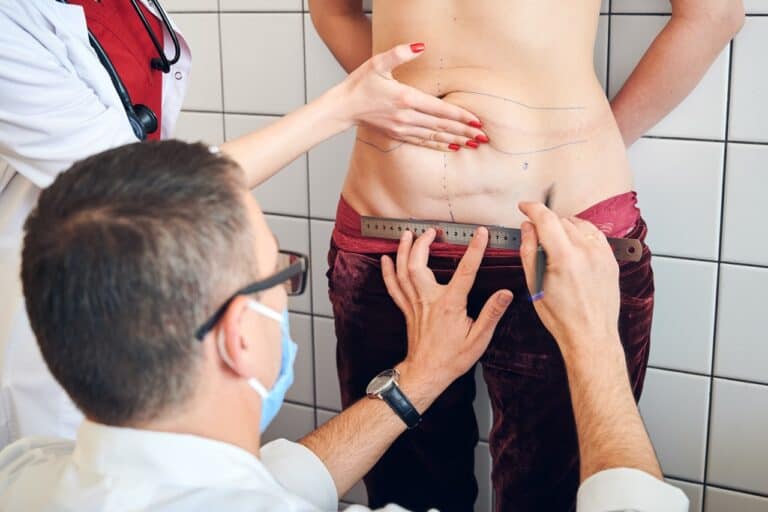
Consultation and Custom Planning
Your journey starts with an in-depth conversation. Our surgeon at the New York Liposuction Center reviews your goals, assesses the target areas, and addresses concerns.
We use this time to learn your medical history, discuss expectations, and give you a clear idea of your options.
Day of Surgery
Liposuction typically takes place in an accredited surgical setting under anesthesia. The surgeon creates very small incisions, then removes fat cells with a thin, hollow tube known as a cannula.
Depending on your unique needs, they may use tumescent, power-assisted, or other advanced techniques to minimize bleeding and optimize sculpting.
Recovery After Liposuction
You will experience some swelling, bruising, and discomfort in the days following surgery. Most people return to work and light activity after a few days to a week.
Compression garments and medications support healing and keep results smooth. Over several weeks, swelling subsides, and your final contours appear. Scar care and follow-ups ensure the best possible healing.
The Weight Loss Drug Process Explained
Prescription weight loss drugs require a different commitment and care plan than surgical interventions. Understanding this process helps set realistic expectations.
Starting Medication
A healthcare provider assesses your eligibility, reviews medication options, and prescribes the most appropriate drug for your situation. You have regular check-ins to monitor your weight and health markers.
Ongoing Monitoring
Your doctor will watch for potential side effects like digestive changes, mood shifts, or blood sugar variations. Adjusting your dose is sometimes necessary to balance safety with effectiveness.
Lifestyle changes such as improved nutrition, regular exercise, and behavioral strategies are vital.
Duration and Discontinuation
Most weight loss drugs are not intended for indefinite use. Your prescriber will guide you on how long to continue and taper the dose if needed. Discontinuing medication may result in weight regain, so ongoing support matters for long-term success.
Benefits and Drawbacks: Liposuction vs. Weight Loss Drugs
No single solution fits everyone, so it is important to weigh the upsides and limitations of each approach. These include both physical and psychological factors.
Main Advantages of Liposuction
People seeking efficient, visible, and localized fat reduction often appreciate the results of liposuction most. Benefits include:
- Targeted results: You can select stubborn areas and see immediate changes.
- One-time intervention: Unlike daily medication, results come after a single procedure.
- Long-lasting outcomes: Once fat cells have been removed, they do not return to the same area unless you gain significant weight.
Drawbacks of Liposuction
However, liposuction is not risk-free. Consider the following:
- Surgical risks: Complications such as infection, bleeding, or fluid imbalance can occur.
- Recovery needs: You must allow your body time to heal and avoid high-impact activity during recovery.
- Cost barriers: Cosmetic procedures are not usually covered by insurance and are priced based on area, surgeon skill, and facility fees.
Drawbacks and Benefits of Weight Loss Drugs
On the other hand, weight loss drugs provide distinct benefits, especially for people with weight-related health risks. Consider these points:
- Gradual, full-body weight reduction: Drugs promote steady loss across your body, not just one spot.
- Lower upfront costs: Insurance sometimes covers medication for qualifying patients, spreading financial impact over time.
- No downtime: Most people continue working and living as usual.
Possible Limitations
You will also need to consider potential downsides:
- Need for lifestyle changes: Medication works best alongside diet and exercise improvements.
- Side effects: Some drugs cause digestive symptoms, mood changes, or metabolic shifts.
- Results depend on continued use: Stopping medication may cause weight regain unless you solidify new habits.
Side Effects and Risks: What to Expect
Every medical intervention comes with potential risks or unwanted effects. It is wise to understand these upfront to avoid surprises.
Liposuction Risks
Liposuction is considered safe in experienced hands, yet it does carry certain risks. The most commonly encountered issues include the following:
- Bruising and swelling: These effects usually resolve within weeks but can be uncomfortable.
- Changes in skin sensation: Some people notice numbness or tingling in treated areas.
- Contour irregularities: Rarely, unevenness or asymmetry can result from uneven fat removal.
- Infection or fluid build-up: These complications require medical attention and sometimes additional treatment.
Your surgeon will discuss preventive steps and make a plan for an optimal and safe recovery.
Weight Loss Drugs: Side Effects
Prescription weight loss drugs span several medication classes, each with its own side effect profile. Some of the most common side effects include:
- Digestive issues: Nausea, diarrhea, constipation, or stomach upset are among the most frequent complaints.
- Sleep problems or restlessness: Some medications can cause difficulty sleeping or nervous feelings.
- Headaches or dizziness: A small percentage of people report headaches or light-headedness.
- Cardiovascular risks: Certain medications may raise your blood pressure or heart rate, especially with long-term use.
Before starting any prescription, your provider will thoroughly review your health history to match you with the safest available option.

Longevity and Maintenance of Results
Neither liposuction nor prescription medication can take the place of healthy habits. Long-term results depend on your ability to maintain a stable weight and a supportive lifestyle.
Fat Removal Permanence: Liposuction
Surgically removed fat cells cannot grow back in the same area. However, weight gain after liposuction causes remaining fat cells to enlarge or new fat to develop in untreated regions.
Ongoing follow-up and weight maintenance make a lasting difference. Patients who make balanced eating and fitness a priority see the best, longest-lasting outcomes.
Sustaining Results: Weight Loss Medications
Weight loss from medication depends on several factors, including consistency. If you stop medication without changing your habits, weight can return.
Our surgeons encourage all patients to combine medical therapy with personal habit changes. Doing so means results are more likely to stick, even after medication ends.
Cost Considerations and Insurance
Financial variables can play a major role in the decision process for both liposuction and prescription medication. Understanding the costs helps you set realistic expectations and weigh options effectively.
Typical Liposuction Fees
At our New York City office, liposuction is usually priced per area treated. Fees reflect factors such as surgeon experience, facility costs, anesthesia, and aftercare.
Since liposuction is a cosmetic procedure, insurance plans generally do not cover it. Payment plans and financing options are sometimes available.
Drug Costs and Coverage
Prescription drugs for weight loss can be covered by insurance if you meet qualifying criteria. Out-of-pocket costs vary widely based on the specific medication, your insurance, and pharmacy pricing.
Patients should plan for recurring monthly costs. Even with insurance coverage, there may be co-pays or prior authorization required.
How to Choose: Deciding What Is Right for You
With so many details to consider, patients benefit from a personalized consultation at the New York Liposuction Center. Our team reviews factors such as medical history, body type, aesthetic goals, and preferences. The most suitable treatment supports both your short-term results and long-term well-being.
Consider these key questions as you prepare for your decision:
- Are my goals mainly related to my health or my body shape?
- How quickly do I expect to see changes?
- Am I open to surgery and recovery time, or would I prefer a nonsurgical path?
- Is insurance coverage a deciding factor for me?
- What trade-offs will I accept to reach the outcome I want?
Bringing your answers to a consultation helps your surgeon build a customized, practical plan.
Your Next Steps in Body Contouring
Understanding the true differences between liposuction and weight loss drugs gives you more control over your journey. Each method carries unique benefits and considerations, and the right choice depends on your needs and lifestyle.
The team at the New York Liposuction Center invites you to discuss your options at a personal consultation. Our surgeons ensure you receive honest answers, safe recommendations, and the compassionate care that has built our reputation across New York City.
Whether you want to contour one area or pursue total body transformation, we will help you find the path that brings your healthiest, most confident self within reach. Our team can help you weigh the long-term benefits of lifestyle vs liposuction to ensure your chosen treatment is supported by habits that maintain your results for years to come.
If you are ready to take the next step, contact us today to schedule your private consultation and get the information you need to make a decision.