Choosing between minimally invasive and traditional liposuction affects your recovery time, results, and overall experience. Both approaches remove unwanted fat effectively, but they differ in technique, healing process, and ideal candidates.
Traditional liposuction remains the gold standard for removing larger volumes of fat, while minimally invasive options offer quicker recovery with less discomfort. Understanding these key differences helps you select the method that aligns best with your body goals and lifestyle needs.
Key Takeaways

Traditional Liposuction Explained
Traditional liposuction, also called suction-assisted lipoplasty, has been the standard fat removal technique for decades. The procedure uses a hollow metal tube called a cannula that connects to a surgical vacuum. Your surgeon makes small incisions in targeted areas and inserts the cannula beneath your skin.
Manual back-and-forth movements break up fat deposits, which are then suctioned out through the tube.
This method effectively removes substantial volumes of fat in a single session. Surgeons can treat multiple body areas during one procedure. The technique works well on the abdomen, flanks, thighs, back, arms, and other areas where diet and exercise haven’t achieved desired results.
Traditional liposuction typically requires general anesthesia for patient comfort during the procedure. The surgery usually takes one to three hours, depending on how many areas receive treatment. You’ll need someone to drive you home afterward and help during initial recovery.
How Recovery Works
Recovery from traditional liposuction follows a predictable pattern. Expect significant swelling and bruising for the first two weeks. You’ll wear compression garments continuously to support healing tissues and reduce fluid buildup. Most patients take one to two weeks off work, though this varies based on job requirements and the extent of surgery.
Physical activity restrictions last several weeks. Light walking starts immediately to prevent blood clots, but strenuous exercise waits four to six weeks. The treated areas may feel numb or tender for several months as nerves heal and sensation returns.
Results become visible as swelling subsides over three to six months. Your final contours emerge around the six-month mark when all inflammation resolves and skin fully contracts to your new shape.
Minimally Invasive Options
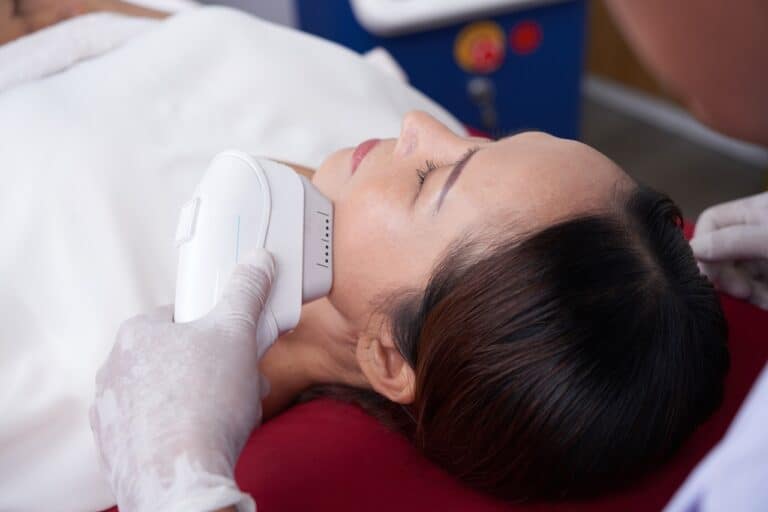
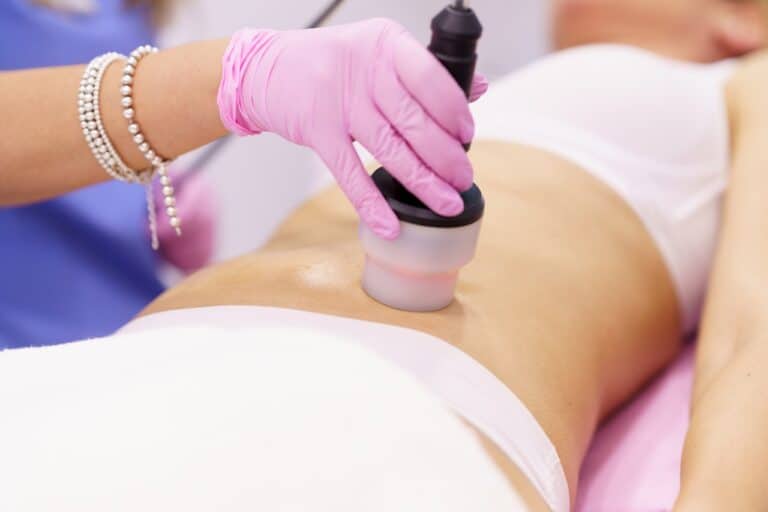
To achieve more refined results, our practice utilizes specialized liposuction methods that add energy-based technology to enhance fat removal and improve outcomes. These methods use ultrasound, laser, or radiofrequency energy to liquefy fat before removal, which reduces tissue trauma and supports better healing.
VASER liposuction employs ultrasound energy to break apart fat cells while preserving surrounding tissues like nerves, blood vessels, and connective tissue. The ultrasound waves create vibrations that specifically target fat, making removal easier and more precise. This allows surgeons to sculpt detailed contours and even define muscle groups underneath fat layers.
Laser-assisted techniques like SmartLipo use laser energy to melt fat before suctioning it out. The heat from the laser also stimulates collagen production in your skin. This dual benefit promotes skin tightening as fat disappears, which helps prevent loose or saggy skin after fat removal.
Radiofrequency-assisted methods combine fat reduction with skin tightening through controlled heating. These techniques work particularly well for patients concerned about skin laxity in treated areas.
Recovery Advantages
Minimally invasive procedures typically cause less trauma to surrounding tissues. This translates to less bruising, reduced swelling, and decreased pain compared to traditional methods. Many patients describe the discomfort as manageable with over-the-counter pain medication.
Most people return to work within three to seven days. Light exercise can usually resume after one to two weeks, with full activity clearance around three to four weeks. The faster recovery associated with less invasive aesthetic enhancement makes these techniques appealing for busy professionals in New York and other urban areas.
Results appear gradually as swelling decreases. Initial improvements show within days, with progressive refinement over several months. The skin-tightening effects from energy-based methods continue developing for up to six months after treatment.
Comparing Key Differences
Several important factors distinguish traditional from minimally invasive approaches. When choosing between surgical and non-surgical options, understanding these nuances helps you make an informed decision that balances your goals with your comfort level.
- Fat volume removed: Traditional liposuction excels at removing larger volumes in one session. It can safely extract several liters of fat. Minimally invasive techniques work best for smaller, more targeted fat deposits. They’re ideal for refining specific areas rather than major body contouring.
- Incision size: Both methods use small incisions, but minimally invasive techniques often require even smaller entry points. This results in less visible scarring that heals more quickly.
- Tissue trauma: Traditional suction creates more disruption to surrounding tissues. Minimally invasive energy-based methods specifically target fat while preserving other structures. This selective approach reduces bruising and accelerates healing.
- Skin quality: Energy-assisted techniques stimulate collagen, which improves skin tightening. Traditional methods rely solely on your skin’s natural elasticity to contract. Younger patients with good skin quality may not notice much difference, but those with reduced elasticity benefit from the added tightening effect.
- Precision: Minimally invasive methods allow more detailed sculpting. Surgeons can create more defined contours and even achieve high-definition results that highlight underlying musculature. Traditional methods effectively remove bulk but offer less precision for detailed work.
- Cost: Traditional liposuction often costs less initially because it doesn’t require specialized equipment. However, the longer recovery may create indirect costs through more time off work. Minimally invasive options typically cost more upfront but offer a faster return to normal activities.
Medical Research Findings
Recent studies provide insight into outcomes and the effectiveness of different liposuction techniques. A 2025 comparative analysis published in Aesthetic Plastic Surgery reviewed traditional suction-assisted lipoplasty versus ultrasound-assisted liposuction. The research found that both methods deliver effective fat removal, with ultrasound-assisted techniques showing advantages in fibrous areas and enhanced skin retraction.
A 2024 case-control study examining laser-assisted versus conventional liposuction in lipedema patients found significant benefits with the laser approach. Operative time decreased from 122 minutes to 94 minutes. Blood loss reduced from 551 milliliters to 408 milliliters. Postoperative pain scores were lower, and patients returned to normal activities in 6.4 days compared to 9.8 days with conventional methods.
A 2025 systematic review in the European Journal of Plastic Surgery examined complications across isolated aesthetic liposuction procedures using different techniques. The analysis included thousands of patients and found that modern minimally invasive methods maintain excellent safety profiles with low complication rates when performed by qualified surgeons.
Choosing the Right Method for You
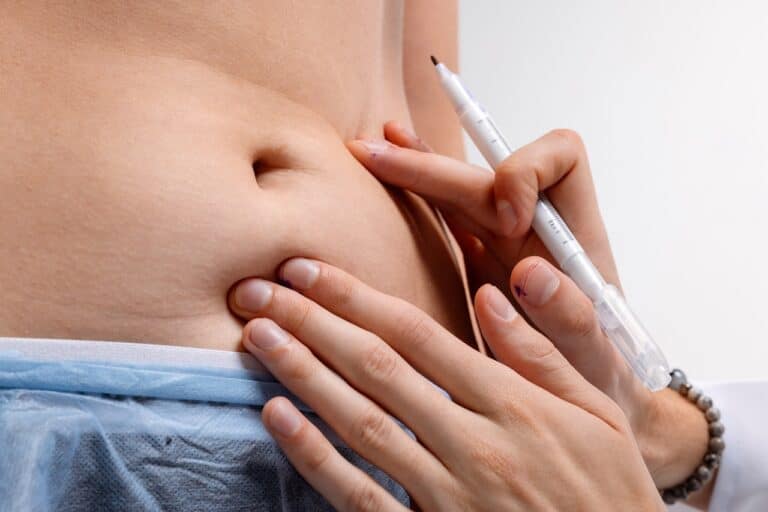
Several factors help determine which approach best suits your needs and goals.
Your Body and Goals
Traditional liposuction makes sense when you want to remove substantial fat volumes from multiple areas. It works well for patients who need significant body contouring and can accommodate a longer recovery time. For many, the decision between a healthy lifestyle or liposuction comes down to targeting those specific areas that remain unchanged despite consistent effort in the gym.
The method effectively treats fibrous areas and can remove more fat in one session than minimally invasive alternatives.
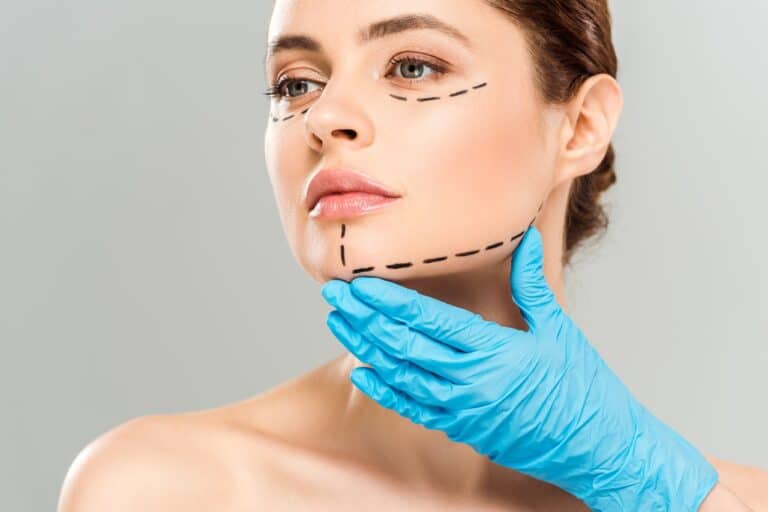
Minimally invasive techniques shine for smaller, targeted fat deposits and detailed sculpting. They’re excellent choices when skin tightening is a priority. Patients who want quicker recovery and can only take a few days off work benefit from these approaches. The precision available makes them ideal for facial liposuction and high-definition body contouring.
Skin Quality Matters
Your skin’s elasticity influences which technique delivers better results. Good skin quality means your skin contracts well regardless of the method. Reduced elasticity from aging, weight fluctuations, or genetics benefits from the collagen stimulation that energy-assisted methods provide.
During consultation, your surgeon evaluates skin quality by assessing thickness, tone, and how well it bounces back when pinched. This helps predict how your skin will respond after fat removal and guides technique selection.
Health and Lifestyle Factors
Your overall health affects which procedures you can safely undergo. Traditional liposuction under general anesthesia requires medical clearance. Patients with certain heart or lung conditions may be better candidates for minimally invasive procedures under local anesthesia.
Lifestyle considerations include how much time you can dedicate to recovery. Busy professionals often prefer minimally invasive options that minimize work disruption. Those with more flexible schedules may choose traditional methods if they need more extensive fat removal.
Your tolerance for discomfort also matters. Minimally invasive techniques typically cause less post-operative pain, though individual pain thresholds vary significantly.
What to Expect During Procedures
Both traditional and minimally invasive liposuction follow similar preparation steps. You’ll receive detailed pre-operative instructions about medications to avoid, fasting requirements, and arranging post-procedure transportation and care.
Traditional Liposuction Process
The procedure begins with anesthesia administration, typically general anesthesia for your comfort. Your surgeon makes small incisions in strategic locations and injects tumescent fluid. This solution contains local anesthetic and epinephrine to numb the area and constrict blood vessels, which minimizes bleeding.
The cannula is inserted through incisions and moved in controlled patterns to break up and suction out fat. Your surgeon carefully sculpts to achieve smooth, natural contours. The process requires significant physical effort and technical skill to create even results.
Once complete, incisions are closed with small stitches or left open to drain. You’re fitted with compression garments before leaving the surgical facility.
Minimally Invasive Procedure
These techniques often use local anesthesia with oral sedation rather than general anesthesia. After numbing the area, your surgeon makes tiny incisions and delivers energy through special probes. The ultrasound, laser, or radiofrequency energy liquefies fat and stimulates tissue tightening.
Small cannulas then remove the liquefied fat. The process feels less aggressive than traditional methods. Some patients remain awake and comfortable throughout, though sedation options are available.
Treatment time varies but often runs shorter than traditional procedures. The combination of energy pre-treatment and gentle suction typically takes 45 minutes to two hours, depending on the areas treated.
Frequently Asked Questions About Liposuction Methods
Making Your Decision
Your choice between traditional and minimally invasive liposuction depends on multiple personal factors. Consider the volume of fat you want removed, your skin quality, recovery time available, and budget. Both methods deliver effective results when performed by skilled surgeons.
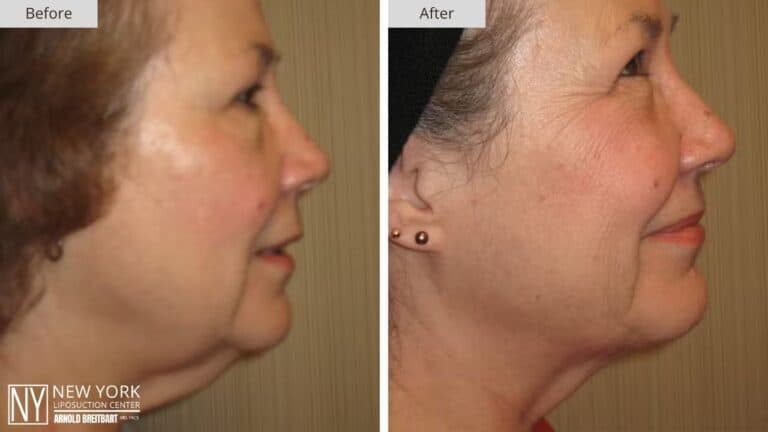
Schedule consultations with board-certified plastic surgeons who offer multiple techniques. They can assess your unique situation and recommend the approach most likely to achieve your goals. Ask to see before-and-after photos of patients with similar body types treated with different methods.
At the New York Liposuction Center, we offer both traditional and advanced minimally invasive liposuction techniques. Our experienced surgeons evaluate each patient individually to recommend the most appropriate method for their body type, goals, and lifestyle. We’re committed to helping you achieve natural-looking results with techniques that match your needs. Contact us to schedule a consultation and learn which approach will work best for you.