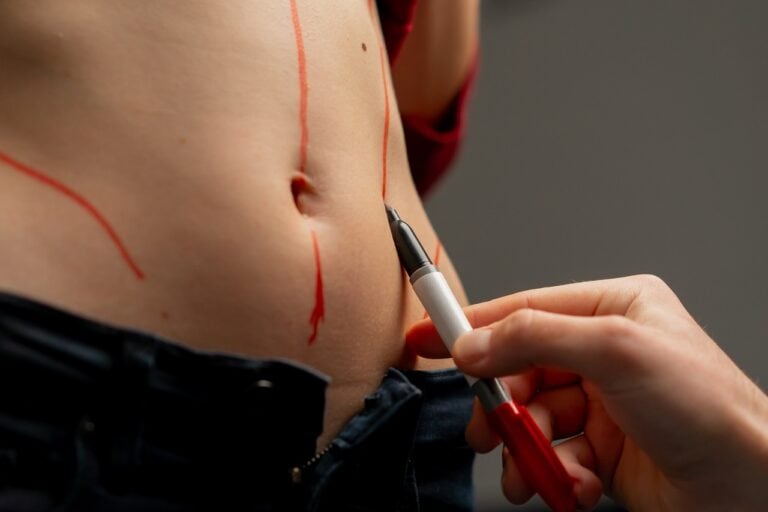
Tight clothing can feel supportive and comforting after your liposuction procedure, but wearing the right garments is critical for the best recovery. Patients at the New York Liposuction Center frequently ask about what to expect and what to wear after their procedure, and our team always provides clear, practical guidance.
If you prepare for your liposuction recovery with the right information about post-liposuction clothing, you can maximize your comfort while supporting optimal healing and the best possible cosmetic results. This article will guide you through every key detail, from compression garments to daily outfit choices and special considerations. By the end, you will have answers to the most common wardrobe questions and a clear plan for your recovery attire.
Key Takeaways
Why Proper Post-Liposuction Clothing Matters
What you wear after liposuction is often just as important as the surgical technique used. Clothing choice not only helps maximize your comfort and supports proper healing but also protects your investment in your appearance.
Wearing the wrong clothing after your procedure can elevate swelling, disturb the incisions, or cause discomfort. On the other hand, the right attire helps control swelling, reduces complications, and enhances your sense of security throughout recovery.
How Compression Works
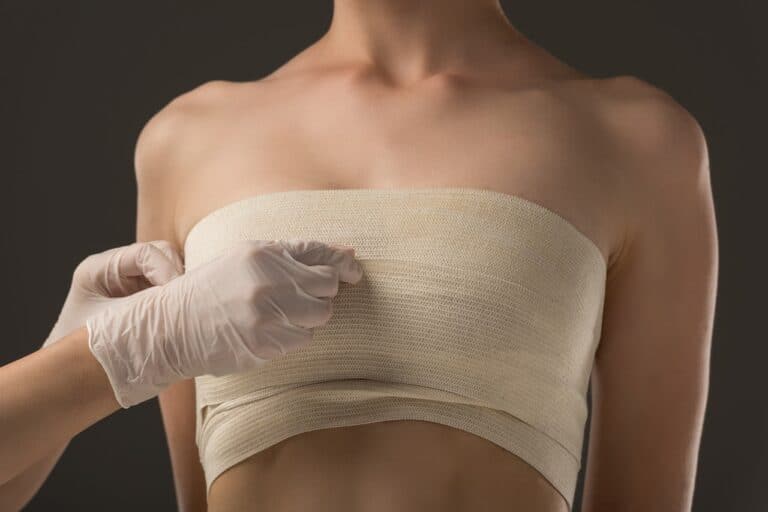
Compression garments create gentle, consistent pressure on treated areas. This pressure helps minimize swelling while ensuring the skin reattaches smoothly to underlying tissues. Compression can also improve blood flow, which supports faster healing and aids in pain management.
Patients frequently notice better contouring outcomes when they faithfully wear the recommended garments. This makes it important to follow guidance from your surgeon about type, fit, and timeline.
The Essential Role of Compression Garments
The single most important wardrobe choice after surgery is your compression garment. This item is not a suggestion, it forms part of your medical aftercare plan and can make a substantial difference in both healing and cosmetic results.
Types of Compression Garments Used After Liposuction
After liposuction, not all compression options are equal. Patients usually receive a surgical-grade compression garment in a style dictated by the area treated. Options include:
- Full body suits for large-volume or multi-area procedures
- High-waisted or abdominal binders for tummy, waist, or flank procedures
- Compression shorts or leggings for the hips, thighs, or buttocks
- Arm sleeves or vests for upper-arm liposuction
All of these options share a focus on even pressure with soft, non-chafing materials. The fit must be snug but not overly tight, with breathable fabrics that limit irritation on delicate post-surgery skin.
When to Wear Your Compression Garment
At our practice, our surgical team strongly recommends wearing your prescribed compression garment around the clock for the initial period after surgery. Patients usually continue for a minimum of two to three weeks.
After this stage, you can often transition to daytime wear only, although the recommended duration depends on your liposuction healing progress and specific procedure. Your surgeon will advise you during follow-up visits and lighten these instructions as your swelling resolves.
Choosing Comfortable Everyday Clothing After Liposuction
While compression garments take center stage, every piece of clothing you select during recovery should promote comfort, protect incisions, and support your lifestyle. Attention to simple wardrobe details can make a major difference in how you feel each day.
What to Look For in Post-Lipo Clothing
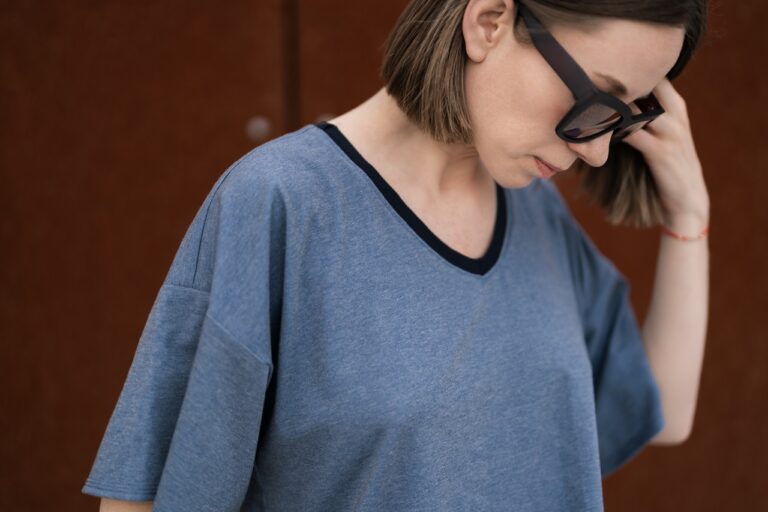
Loose, soft, and gentle fabrics work best in the weeks after surgery. Cotton, bamboo, or moisture-wicking technical blends can limit sweat and irritation. Stretchy waistbands, relaxed fits, and oversized tops allow you to change easily without disturbing surgical sites.
You may want to avoid clothing with complicated zippers, heavy seams, or embellishments that could press against or irritate incision areas. For the first week or two, many patients choose step-in dresses, roomy button-up shirts, or loose lounge sets.
Daily Clothing Checklist
Patients often find this simple daily clothing checklist useful in the first several weeks:
- Loose-fitting tops: T-shirts, sweatshirts, or button-ups that slide on without stretching over your head.
- Soft pants: Sweatpants, leggings, or pajama bottoms with gentle elastic or drawstrings that do not pinch.
- Undergarments: For women, wireless bras or bralettes work best if you have liposuction near your chest, while men should choose plain, loose boxers or briefs.
- Footwear: Easy slip-on shoes or sandals keep you from bending or struggling with laces.
Plan to keep a few comfortable outfits clean and ready each day. This can help reduce stress and limit physical effort, especially in the first week when swelling and movement remain challenging.
Dressing for Different Liposuction Areas
The specific method for choosing clothing depends on which area you have treated. Each site carries unique considerations that may change your wardrobe choices during the recovery phase.
Abdomen and Waist
Patients who had liposuction on the stomach, flanks, or lower back experience the most swelling and discomfort in their midsection. Loose, high-waisted pants and relaxed tops prevent pressure on incisions while still working over a bulky compression garment.
Rising high-waist bands that reach above your treatment area can help control swelling and limit “cutting in.” Avoid tight belts or structured denim. Some patients layer a simple tank top under their compression for added comfort.
Arms
After arm liposuction, you will likely receive compression sleeves or a specialized vest. Choose open or wide-sleeved tops so you can get dressed and undressed without excessive pulling.
If you had liposuction on your upper arms, you may need to size up your tops temporarily. Ponchos, loose cardigans, and sleeveless dresses often work well while you heal.
Thighs and Buttocks
Women and men seeking lipo for the thighs or buttocks will receive longer, biker short-style compression. Loose skirts, dresses, or yoga pants that easily stretch accommodate swelling and the compression gear itself.
Drawstring shorts and wide-leg lounge pants are popular because they fit over both bulky bandages and compression garments. Avoid tight jeans, fitted leggings, or anything that feels restrictive.
Face and Neck
Facial or neck liposuction requires a different approach. Our doctor typically prescribes a compression chin strap or facial wrap for the first week. Opt for zip-up hoodies, cardigan sweaters, or button-front shirts to avoid dragging anything over your face.
Scarves or soft hats can help camouflage the wrapping in public. Sunglasses and face masks also help limit self-consciousness during necessary outings.
How to Wear Compression Under Clothes
Building your daily wardrobe around your compression garment can take a bit of experimentation. At first, the garment will feel snug and bulky, so outerwear choices become essential for ease and privacy.
Effective Strategies for Layering
Wearing a lightweight, short-sleeved or sleeveless base layer under your compression garment helps reduce friction and can wick moisture away from your skin. Look for seamless tank tops, soft undershirts, or thin leggings underneath your main compression piece. This provides extra comfort, especially during high-activity periods.
Over your compression garment, loose and flowy outer clothing ensures you remain comfortable. Even in cooler NYC months, you should stick with easy layers that can be peeled off without disturbing the garment. If you need to leave the house, consider ponchos or open-knit sweaters that hide compression gear without adding restriction or excess heat.
Tips for Staying Comfortable All Day
Bringing an extra top or pair of pants with you allows for clothing changes if you notice discomfort or irritation throughout the day. Some patients switch between loose pajamas and airy daytime looks depending on activity and temperature. When sleeping, maintain your compression garment as instructed, but use extra soft layers and bed linens to reduce nighttime perspiration.
Special Post-Liposuction Clothing Challenges and Solutions
Some recovery periods can present additional challenges. Many patients face events, travel, or returning to work before full healing, which makes clothing choices more complicated. Below, we list key situations and helpful strategies.
Common Clothing Challenges After Liposuction
- Swelling fluctuations: Your body may swell and reduce in cycles for weeks, which means your usual clothing sizes could vary. Adjustable waistbands, wrap tops, or clothes in larger sizes are often helpful.
- Incision leaks or drainage: Many people describe small leaks from their incisions early in healing, especially after large-volume lipo. Wearing dark colors, thicker underwear pads, or changing shirts mid-day can help keep you confident.
- Returning to work: When you need to return to a professional setting, layering remains critical for hiding your compression garment discreetly. Neutral blazers, dressy cardigans, or relaxed-fit trousers can create a polished look without sacrificing comfort.
- Exercise or special events: Our team does not recommend vigorous exercise in the first few weeks. When cleared for activity, opt for moisture-wicking and fitted (but not tight) clothing. For events, communicate with your doctor about temporary modifications to your garment schedule.
Meeting these challenges with a flexible mindset can make recovery much smoother. When questions arise, a quick call or message to our NYC office ensures you receive the best solution for your individual needs.
Cleaning and Caring for Your Post-Lipo Garments
Proper maintenance of your compression garments and daily clothing helps prevent skin irritation and supports healthy recovery. Clean garments also offer psychological benefits, supporting a fresh and positive attitude through what can be a trying period.
How to Care for Compression Garments
Hand-washing your compression garment with mild detergent extends its lifespan and maintains elasticity. Use cool water and either air dry or lay flat to maintain the garment’s stretch and comfort. Many patients purchase a second garment so they can wear one while the other dries.
Inspect your garment daily for excessive wear, stretching, or loose stitching. If you notice the garment failing to provide snug support, contact our surgeon to arrange a replacement.
Best Practices for Everyday Clothing
Use fragrance-free and hypoallergenic detergents during your initial recovery. This practice avoids skin sensitivity and helps prevent rashes. Choose loose clothing free of trapped moisture by laundering regularly, especially if you experience active drainage or sweat.

Frequently Asked Questions About Post-Liposuction Clothing
Choosing the right clothing often means navigating unexpected questions. Below, you will find answers to clothing dilemmas that our NYC patients ask about in appointments.
How the Right Clothing Supports Your Best Liposuction Results
Your clothing is more than a personal preference in the weeks after liposuction. Following your surgeon’s recommendations about compression and daily outfits not only helps maintain your improved contours but also contributes significantly to overall liposuction result satisfaction and minimizes daily discomfort.
When you plan ahead for the right garments and care for them properly, you set yourself up for a smoother, more confident recovery. Each step, from choosing fabrics to layering smartly, demonstrates your investment in your health and long-term appearance.
If you have questions about what to wear after surgery or need personalized advice, we encourage you to reach out to the New York Liposuction Center. Our team looks forward to supporting you with guidance tailored to your specific treatment and lifestyle. Schedule your consultation, and let us help you every step of the way.