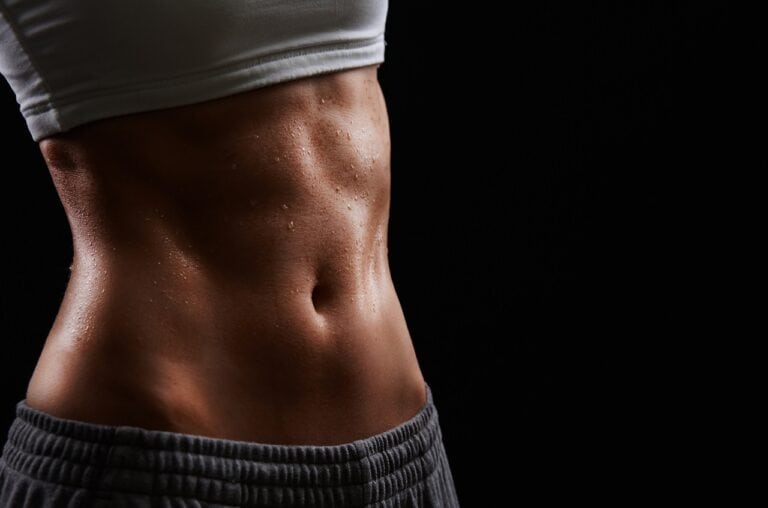
At the New York Liposuction Center, many people visit looking for proven ways to contour stubborn areas that do not respond to diet and exercise. Deciding between power-assisted liposuction (PAL) and traditional liposuction can feel overwhelming, especially with so much information available.
Both methods can help achieve a smoother, leaner shape in targeted areas. While neither approach replaces healthy lifestyle habits, choosing the most suitable technique can lead to a better experience and more satisfying results. Understanding the differences and benefits of power-assisted versus traditional liposuction will help you make a fully informed decision with your surgeon.
Key Takeaways

Understanding Liposuction: The Basics
Liposuction has evolved from early, invasive procedures to today’s safer and more sophisticated techniques. Each method aims to remove excess fat and sculpt the body, but the tools and techniques have changed.
Liposuction is not a weight loss substitute. Rather, it is ideal for removing pockets of fat in areas resistant to diet and exercise, such as the abdomen, thighs, hips, arms, or back.
A small tube called a cannula is at the heart of every modern liposuction procedure. Surgeons insert the cannula through a tiny incision, move it within the fat layer, and remove excess fat. While that basic approach is consistent, the way surgeons handle the cannula and fat extraction varies.
The Origins of Traditional Liposuction
Traditional liposuction holds a long-standing place in cosmetic surgery. Surgeons have refined this technique for decades, and it remains widely used today.
In traditional procedures, the cannula does not move independently. The surgeon manually works the cannula in sweeping or linear motions to loosen and suction out fat cells.
Since this approach relies on physical effort and experience, a surgeon’s skill can influence both fat removal and the risk of trauma or unevenness in the treated area.
Introducing Power-Assisted Liposuction (PAL)
Power-assisted liposuction brings modern engineering into the operating room. The cannula moves back and forth rapidly, powered by a specialized device.
Our surgeon at the New York Liposuction Center guides the motorized cannula through the fat layer. The rapid movement helps break up dense or fibrous fat. With less manual force needed, power-assisted systems can improve precision in many cases.
Surgeons also report that PAL may produce less tissue trauma, which can impact swelling, bruising, and recovery time.
Key Differences Between Power-Assisted and Traditional Liposuction
When comparing liposuction methods, understanding the most important differences helps clarify which may align better with your needs and expectations. Below are the main distinctions between traditional and power-assisted liposuction.
Technique and Technology
Traditional liposuction uses manual power only, while PAL incorporates a mechanized handpiece. The plate-driven or vibrating cannula in PAL moves thousands of times per minute, breaking up fat more efficiently than hand motion alone.
This advancement can matter, especially in fibrous fat areas such as male chests, backs, or thighs, where traditional methods may prove more challenging.
Surgeon Effort and Precision
Our surgical team finds that with PAL, the powered cannula does most of the work, which can make the procedure easier on the surgeon’s hands and arms.
Power assistance allows for more controlled movement, which increases accuracy. That can translate to gentler fat removal and potentially smoother body contours, especially in small or difficult areas.
In contrast, traditional liposuction depends entirely on the surgeon’s manual dexterity. Some very experienced surgeons can achieve excellent results with this method, though fatigue during longer procedures can occasionally affect performance.
Impact on Tissue and Recovery
One of the highly valued aspects of power-assisted liposuction involves how the device interacts with underlying tissues. The vibrating or oscillating cannula typically creates less trauma to connective tissue, nerves, and blood vessels.
Patients may experience reduced swelling, bruising, and discomfort after recovery from PAL, while traditional liposuction may result in more noticeable aftereffects and a potentially longer healing phase.
Comparing the Procedures: Step by Step
Both procedures begin with a detailed consultation and a plan customized for your needs. As you prepare for surgery with our doctor, understanding the general steps can reduce anxiety by setting realistic expectations.
Preoperative Preparation
Our team reviews your medical history, discusses your concerns, and examines the focus area. Your safety always comes first.
We outline goals and create a plan tailored to your anatomy and preferences. Preoperative instructions may include stopping certain medications, arranging transportation, and fasting if the procedure involves anesthesia.
Anesthesia Choices
Both PAL and traditional liposuction can use local anesthesia with sedation or general anesthesia. The type depends on how much fat will be removed, the target area, and your comfort.
At our New York office, our doctor will clearly explain the anesthesia plan during your pre-surgical visit, so you know what to expect.
The Liposuction Process
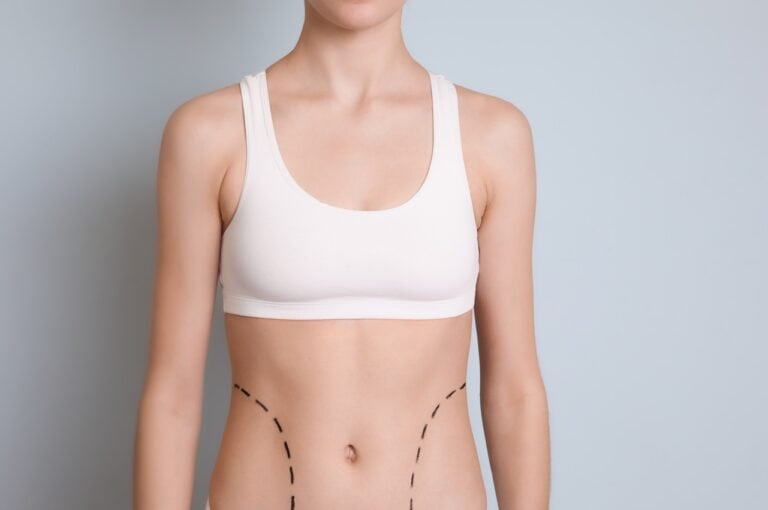
After marking treatment zones and preparing your skin, our surgeon makes tiny incisions. For either method, a tumescent solution is usually infused into the area. This fluid numbs, firms, and loosens fat for easier extraction while minimizing bleeding.
In traditional liposuction, the surgeon inserts a cannula and uses physical motions to separate and remove fat. With power-assisted liposuction, our surgeon uses a powered cannula for rapid, precise movements that help break up and remove fat.
Closing and Recovery
Once the desired contour is achieved, small incisions are closed or left open to drain fluid as needed. A compression garment is applied to support healing and reduce swelling.
Our surgical team monitors you in recovery before sending you home with specific aftercare instructions.
Power-Assisted vs. Traditional Liposuction Candidacy
Selecting the most appropriate liposuction technique begins with a personal assessment and a shared decision with your surgeon. At the New York Liposuction Center, we customize recommendations based on your anatomy, expectations, and health.
Who May Benefit Most from Power-Assisted Liposuction
Power-assisted liposuction is especially well-suited for these scenarios:
- Dense or Fibrous Fat: PAL excels in areas like the upper back, male chest, or flanks, which can be harder to treat with manual movement.
- Large Volume Procedures: The technique allows quicker fat extraction over a broad surface for patients seeking significant fat removal.
- High Precision Needs: PAL’s gentle, controlled motion offers improved finesse in delicate or complex zones, which may help achieve a smoother contour.
- Repeat Liposuction: Patients who have previously undergone liposuction sometimes have scar tissue, increasing treatment difficulty. Power assistance often overcomes these challenges.
A one-on-one consultation ensures you understand if these advantages align with your contouring goals and body type.
Who May Be Better Suited to Traditional Liposuction
In some cases, patients may still do well with traditional liposuction. These situations include:
- Simple, Small Areas: Treating a confined cuff of fat or localized bulge may not require mechanical assistance, especially if the surgeon is highly experienced with manual methods.
- Certain Body Types: Patients with softer, less dense fat may get similar results with either approach.
- Preference or Experience: Some patients prefer traditional methods due to familiarity, or the surgeon’s expertise with manual technique may outweigh the need for technology.
The right approach always depends on a thoughtful conversation between you and our surgical team, considering your physique and expectations.

Recovery and Results: What to Expect After Each Method
Recovery is often one of the top concerns for anyone considering body contouring. While individual factors always impact healing, understanding what typically follows each technique will help you prepare for every stage.
Recovery Experience: Power-Assisted vs. Traditional
Patients often notice small differences in their recovery depending on the technique used:
- PAL Recovery: Power-assisted systems tend to cause less trauma to tissues, possibly leading to lower swelling, bruising, and soreness. Patients sometimes resume basic activities a day or two earlier than those who had traditional procedures.
- Traditional Recovery: Manual liposuction may involve a slightly longer inflammatory phase. Some patients report more post-procedure soreness or swelling, especially after significant fat removal.
Regardless of the method, all patients must wear a compression garment as directed and follow specific aftercare guidelines to support healing and prevent complications.
Typical Healing Timeline
Although experiences vary, this timeline outlines a typical recovery process:
- First 24–72 Hours: You may experience swelling, bruising, and mild to moderate discomfort. Keeping treated areas elevated and using compressive support helps reduce symptoms.
- 1–2 Weeks: Swelling and bruising usually decrease, and most people return to desk work or light activities. Strenuous exercise should wait until cleared by your doctor.
- 3–6 Weeks: Most residual swelling resolves during this time, and your final contour improves gradually each week.
- 3 Months and Beyond: Results often stabilize by this point. The treated area appears smoother and firmer, with scars nearly invisible.
Our team will schedule post-surgical visits to monitor your progress and address any concerns.
Risks, Benefits, and Limitations of Each Technique
Any surgical procedure has potential risks and limitations, although both PAL and traditional liposuction are generally safe when handled by a skilled professional. Learning the possible benefits of these liposuction methods and drawbacks will help set clear expectations.
Key Benefits of Power-Assisted Liposuction
- Increased Efficiency: The rapid movement of the cannula allows our surgeon to remove fat more quickly and efficiently, sometimes shortening surgery time.
- Less Fatigue for Surgeon: Since less physical effort is needed, surgeons can focus on precision and symmetry throughout the procedure.
- Lower Tissue Trauma: The mechanical action of the cannula may reduce trauma, which helps minimize swelling, bruising, and discomfort.
Key Benefits of Traditional Liposuction
- Proven Track Record: Decades of safe and successful use make this technique reliable for many common contouring needs.
- Ideal for Simple Cases: Manual liposuction is well-suited for isolated pockets of fat and smaller procedures.
- Accessible: Traditional equipment is nearly universal and can be used in most settings.
Limitations and Potential Complications
Despite the benefits, both methods share several limitations:
- Not a Weight Loss Solution: Liposuction can shape and sculpt, but will not result in major weight changes.
- Potential for Imperfect Results: Irregularities, asymmetry, or small scars can occur, though these are rare with experienced hands.
- Risks of Bleeding, Infection, or Fluid Accumulation: Each technique carries the same risk profile, and following postoperative instructions is critical.
If you have prior health concerns or challenging areas of fat, discussing these risks openly during your consultation helps build a realistic treatment plan.
How to Choose: Key Decision Factors for Patients
Several elements come into play when selecting between power-assisted and traditional liposuction. Considering personal goals and unique needs plays a key role in achieving the best outcome.
Below is a list of the most important decision-making factors to discuss during your consultation.
- Body Area and Fat Consistency: Denser, fibrous, or previously treated zones may benefit from power assistance, while simple areas may do well with manual technique.
- Desired Outcome: If fine contouring and detail are your main focus, PAL may offer an edge in precision.
- Amount of Fat to Remove: Larger or multiple areas may be handled more efficiently with PAL, but smaller zones may not require that technology.
- Recovery Preferences: PAL may allow a gentler healing process, which matters for those returning to busy schedules.
- Surgeon’s Experience: The skill, training, and preference of your surgical team with each method will always influence safety and results.
- Budget and Cost Considerations: Sometimes, technology-assisted approaches add cost. Patients should discuss pricing and anticipated value as part of their decision.
Making an informed choice with your surgeon’s input will help you achieve a result that aligns with your body goals and lifestyle. Our team is committed to explaining all options and making sure you feel comfortable at each step.
Frequently Asked Questions About Power-Assisted and Traditional Liposuction
Many people have common questions as they weigh their options. Below, we answer some of the most frequent inquiries at our New York office.
Discover Your Contouring Options With Us
Deciding between power-assisted and traditional liposuction can feel confusing at first, but you have support every step of the way. Both options allow for impressive improvements in body shape, especially with a skilled surgical team guiding your journey.
At the New York Liposuction Center, our surgeon offers personalized recommendations based on anatomy, goals, and lifestyle. We take pride in transparent communication and honest advice, helping every patient reach optimal results.
If you are exploring ways to contour stubborn areas or have specific questions about liposuction in New York, we encourage you to contact our practice. Scheduling a consultation will help you feel empowered, informed, and ready to take the next step toward your ideal shape.