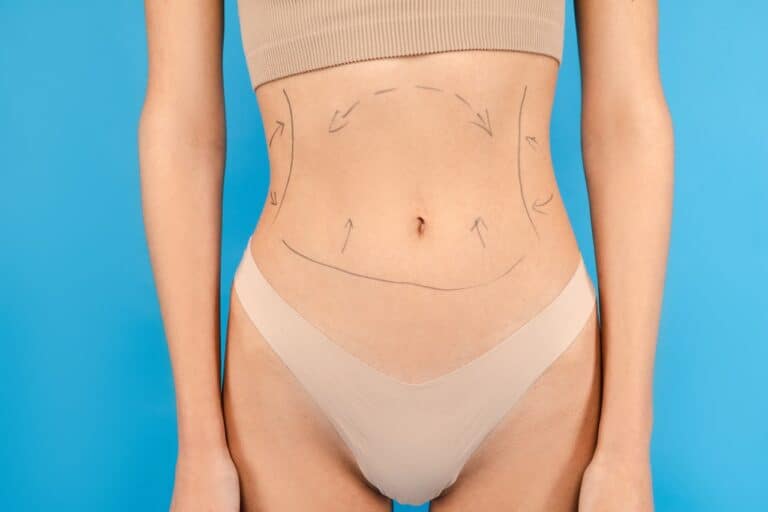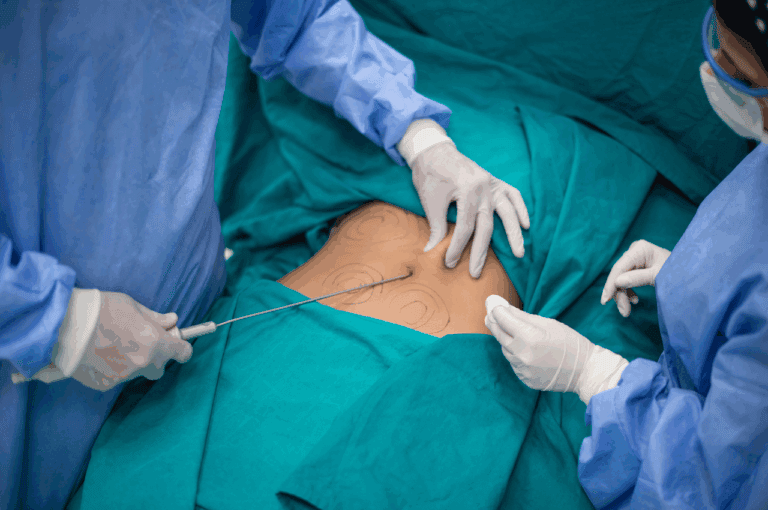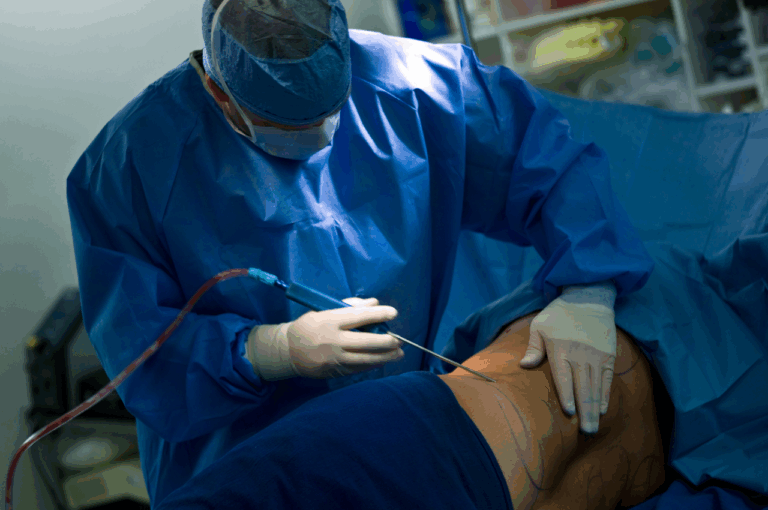
Many people look forward to leaner contours and improved confidence after liposuction surgery. At the New York Liposuction Center, patients frequently ask how to achieve the best results while minimizing risks after their procedure.
A smooth recovery after liposuction depends on the steps you take before and after surgery. Knowing exactly how you can help your body heal will enable you to enjoy your new look with fewer complications. This article will prepare you to protect your health and investment, as we share guidance directly from our surgical team in NYC.
Key Takeaways
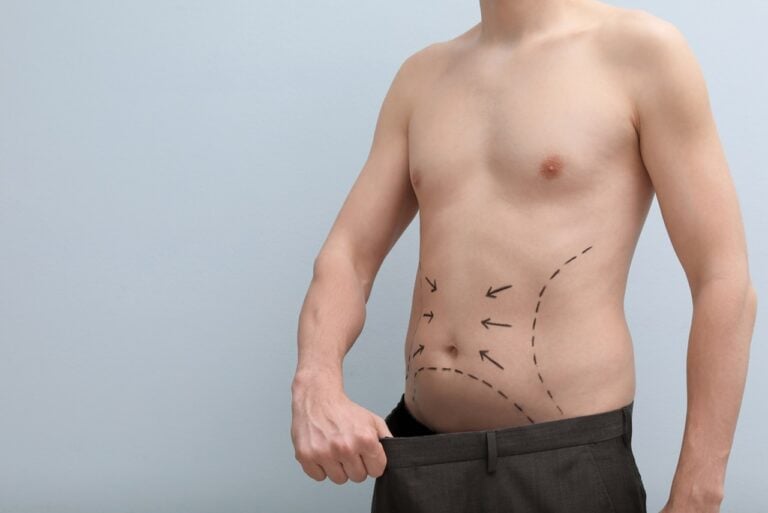
Understanding the Liposuction Healing Process
Liposuction is a popular body contouring surgery that removes stubborn fat deposits through fine cannulas. The procedure disrupts fat tissues, which forces the body to heal beneath the surface. While recovery varies, most people notice swelling, bruising, and some discomfort in the treated zones.
Stages of Recovery
Liposuction recovery has several phases. The first week brings swelling, soreness, and sometimes mild numbness. Our team sees bruising peak around day three or four, followed by steady fading.
Most patients return to light activity after one to two weeks. However, small amounts of swelling may persist for several weeks or months as tissues adjust. Thus, final results emerge slowly.
Factors Affecting Healing
Your age, genetics, overall health, and the volume of fat removed each influence how your body recovers. Smaller, targeted procedures often heal faster than large-scale fat reduction. Smokers and people managing certain medical conditions may face higher risks of complications and slower healing.
Critical Steps Before Your Liposuction Procedure
Taking the right steps ahead of surgery sets the stage for your recovery. Preparation ensures safety in the operating room and at home.
Full Medical Evaluation
Our surgeon will review your complete medical history, current medications, allergies, and prior procedures. Blood work and other tests confirm your suitability for anesthesia and surgery. You may need to pause certain medications, like blood thinners to prevent bleeding complications.
Always disclose supplements and herbal remedies. Even common products might affect healing or interact with anesthesia.
Lifestyle Adjustments
Good nutrition helps your body handle stress and mend quickly. We recommend eating balanced meals and maintaining hydration in the weeks before your liposuction. Our doctor may ask you to avoid alcohol and limit caffeine.
If you smoke, quitting at least several weeks before surgery dramatically improves blood flow and boosts wound healing. Infections and poor scarring are far more likely among smokers.
Infection Prevention Planning
Keeping your immune system strong reduces risks from bacteria and viruses. Plan to stay away from sick or infected contacts. Even dental appointments should be avoided just before or after surgery, as oral infections can transfer bacteria to the bloodstream.
What to Expect in the First Days After Liposuction
The initial post-surgical period has the highest risk of complications. Paying careful attention to recovery instructions during these days can help ensure your safety.
Managing Discomfort and Swelling
Pain usually peaks within the first 48 hours, though gentle pain medications help most patients manage well. We suggest resting in an elevated position, which encourages fluid drainage and lessens swelling.
Caring for Incisions
Small incisions may drain clear or slightly pink fluids for a few days. Carefully clean and dry these areas according to our surgeon’s guidelines. Replace bandages as instructed. Avoid using creams, ointments, or any over-the-counter products on incisions unless directed by our surgical team in NYC.
Monitoring for Early Signs of Trouble
While most recoveries progress smoothly, patients should watch for signs such as:
- Redness expanding around incisions
- Thick, yellow, or foul-smelling discharge
- Fever, chills, or severe pain
Reporting these symptoms early allows rapid intervention, which can prevent greater complications.
The Role of Compression Garments
Compression garments are vital to healthy healing after liposuction. These garments help support the treated areas as tissues knit back together.
Purpose and Benefits
Compression gently presses on tissues, helping reduce swelling and limit fluid buildup under the skin. This uniform pressure also lowers the risk of seromas (pockets of fluid) and helps the skin conform smoothly to your body’s new contours.
How and When to Wear Compression
Our surgeon will explain exactly how long to keep the garment on and when short breaks are possible. For most patients, the first few weeks require nearly 24-hour wear except during showers. Later, you can taper use according to individual progress and our team’s guidance.
Proper garment placement is as important as consistency. The fit should feel snug but never painfully tight. Wrinkles or bunching may cause blistering or uneven healing, so always smooth out the fabric. Our staff will show you the best methods during your in-office fitting.
Failure to wear your compression garment as directed can cause swelling, delayed healing, and less optimal results.
Infection Prevention Strategies After Liposuction
Ensuring sterility and proper hygiene limits the risk of infection, which poses one of the more serious complications after liposuction. Simple habits can keep you safer as your body heals.
Best Practices for Preventing Infection
Here are several key steps that every patient can use to lower infection risk:
- Hand hygiene: Always wash hands with soap and water before touching incision areas or changing bandages. Carry hand sanitizer if you have to adjust your garment when away from home.
- Shower protocols: Our doctor may allow you to shower after 48 hours, once incisions have closed. Use gentle, unscented products and avoid direct spray on the wound.
- Change dressings as advised: Follow all directions for changing gauze and padding. Never reuse soiled bandages, as they harbor bacteria.
- Monitor for warning signs: Check the surgical site daily for redness, swelling, or unusual fluid.
- Attend follow-up visits: In-office wound checks let our doctor catch early signs of infection before they spread.
Infection is uncommon in our practice when these steps are followed, but prompt reporting of concerns ensures rapid treatment if needed.

Risks of Physical Overexertion and How to Avoid Them
Trying too much too soon after surgery increases your risk for bleeding, swelling, and delayed healing. Respecting your body’s limits in the early weeks pays off over the long term.
Types of Activities to Avoid
Heavy lifting, strenuous exercise, or chores that engage your core muscles should be set aside during your initial recovery phase. Most patients find that gentle walking helps circulate blood and reduces stiffness, but should skip high-intensity movements until cleared by our team.
Graduated Return to Full Activity
Our surgeon will suggest a timeline for expanding your physical activity. Early on, short, frequent walks are best. After two weeks, you might slowly increase non-impact exercises, gradually building stamina without strain. Our NYC team always evaluates your healing progress before giving the go-ahead for heavier physical tasks or gym routines.
Overexertion can cause fluid to collect under the skin or disrupt newly formed blood vessels, leading to complications requiring medical intervention.
Lifestyle Choices That Support a Healthy Recovery
While medical and surgical factors influence healing, your daily habits play a significant role in promoting a fast and safe recovery.
Nutrition and Hydration
A diet rich in lean protein, fresh fruits and vegetables, and healthy fats supports wound repair. Hydrating with water rather than sugary or caffeinated drinks can help regulate swelling and prevent complications such as constipation from pain medications.
Avoiding Tobacco and Alcohol
Smoking shrinks blood vessels and reduces oxygen to tissues, resulting in slower healing. Our surgeon strongly urges every patient to stop smoking both before and after surgery. Alcohol can impair your body’s immune response, which can raise your infection risk and delay your return to normal activity.
Sleep and Stress Management
Rest is critical to cell repair and immune health. Aim for plenty of quality sleep, keeping your head and treated areas elevated if advised. High stress has been shown to slow recovery and even worsen inflammation. Taking time to relax and accept support from family or friends can improve your outlook and recovery speed.
Recognizing and Responding to Post-Liposuction Complications
Vigilance in the recent post-surgery period can help catch issues before they threaten your results or health. Although incidents are rare, being informed can offer reassurance and direction.
Warning Signs to Watch For
The following symptoms should prompt you to contact our office immediately:
- Persistent, worsening pain despite medication
- Sudden or extensive swelling that does not improve with rest or compression
- High fever, chills, or flu-like symptoms
- Unusual discharge, bad odor, or separation of incision edges
- Numbness or tingling that increases rather than resolves
Never wait to see if these symptoms resolve “on their own.” Fast treatment can prevent lasting problems.
Our Response Process
At the New York Liposuction Center, we always prioritize patient safety. If you notice concerning signs, our nurse practitioner or surgeon can consult with you by phone and arrange an urgent visit if needed. In most cases, early intervention manages the issue without surgery or hospital admission.
Long-Term Aftercare and Follow-Up
Healing does not end once soreness fades. Proper aftercare and ongoing follow-up can help maximize your results and uncover any delayed problems.
Importance of Follow-Up Appointments
Our scheduling staff will arrange check-ins at specific intervals after surgery. These appointments allow our surgeon to examine healing progress, adjust care instructions, and answer your questions. Sometimes, late-onset concerns such as minor lumps or firmness respond to simple in-office treatments.
Scar Management Over Time
Subtle care in the months after liposuction helps scars mature smoothly. Once our doctor gives approval, gentle massage, topical creams, and sun protection can help flatten and lighten incision sites. Most surgical scars fade discreetly with appropriate aftercare and patience.
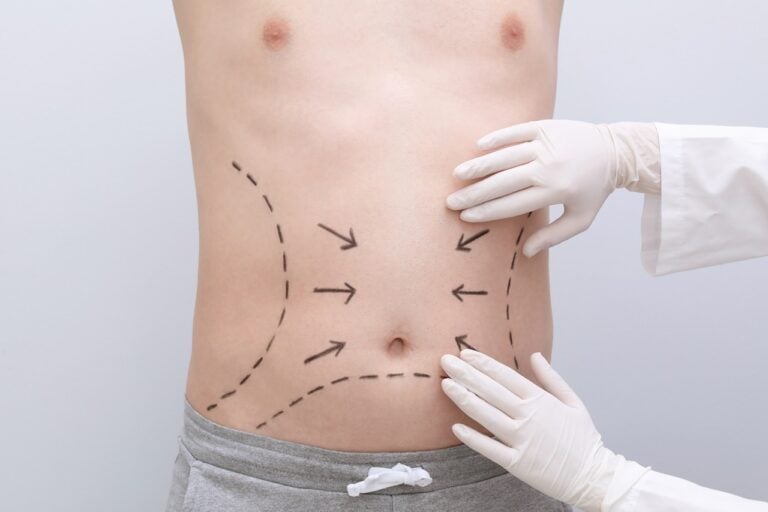
The Link Between Candidacy and Complication Risk
Some complications develop due to risk factors that predate surgery. Thoughtful patient selection allows our surgical team to avoid procedures for those with elevated risks.
Conditions That Raise Complication Risks
Poorly controlled diabetes, clotting disorders, immune deficiencies, or active skin infections increase the likelihood of poor results or wound breakdown. Our doctors may recommend additional preparation steps or decline surgery when these issues cannot be resolved.
The Role of Patient Commitment
Willingness to comply with pre- and post-operative instructions is essential. Patients considering liposuction need a clear understanding of the required limitations, wound care, and follow-up. At our NYC practice, we believe clear communication and genuine collaboration create a safer experience for every patient.
Frequently Asked Questions About Preventing Complications
Patients often come to our practice seeking answers about handling specific concerns. Below, you will find clarifications to some of the most common questions.
Achieving Safe, Satisfying Liposuction Results
Your comfort and results after liposuction depend on more than what happens in the operating suite. Active involvement in every stage of your care, from candidacy to aftercare, makes a measurable difference in both safety and appearance.
Understanding the critical pieces of recovery, including compression, hygiene, activity controls, and follow-up, allows you to lower complication risks dramatically. It shows respect for your health and your investment in yourself.
If you have questions or want personalized advice about liposuction surgery or recovery, the New York Liposuction Center welcomes your call. Our doctor and staff stand ready to guide you through the process and help you feel as confident and secure as possible about your care.