
Patients in New York often have questions about the lifespan of breast implants. Some people say you must replace them every ten years, while others keep theirs much longer. At the New York Liposuction Center, we see patients who want facts about breast implant longevity and what triggers a need for replacement.
If you have breast implants or are considering breast augmentation, understanding the real story behind the “10-year rule” is essential. Let’s address what you should actually expect as an implant patient and how modern surgical guidance can keep you safe and confident for years to come.
Key Takeaways
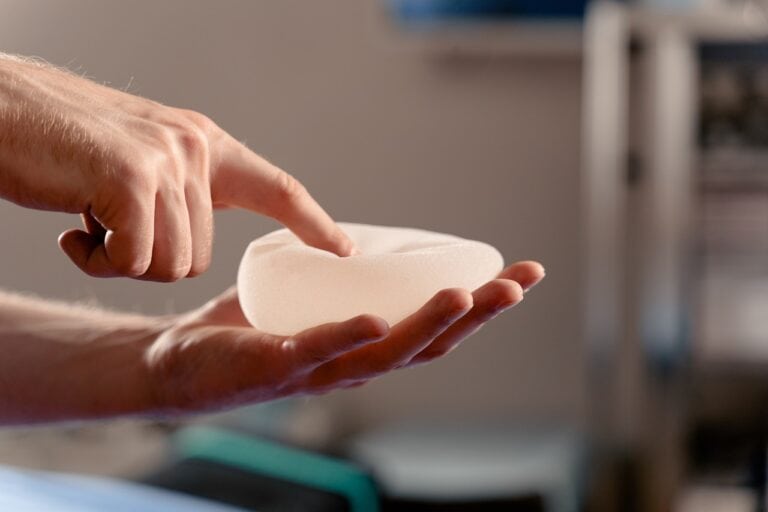
Understanding the “10-Year Rule” for Breast Implants
Patients frequently hear that breast implants must be replaced every ten years. This idea often creates unnecessary anxiety for those with otherwise healthy implants.
Where the “10-Year” Belief Originated
This rule comes from early FDA guidance and manufacturer studies indicating that implant complications may become more likely after 10 years. However, most patients do not need a replacement exactly at this interval if everything is stable.
Modern medicine has improved both materials and surgical methods. Many newer implants and refined procedures allow for much longer longevity, especially when patients do not experience symptoms.
How Long Do Implants Typically Last?
Breast implants are medical devices, and like all devices, they have a lifespan influenced by many factors. On average, implants last anywhere from 10 to 20 years, and replacement usually happens because of specific concerns rather than an arbitrary deadline.
If you are not experiencing pain, cosmetic changes, or symptoms, you may have no urgent reason to seek replacement by a set date. While some patients need replacement sooner due to complications, others keep their original implants for decades without major issues.
Common Reasons for Breast Implant Replacement
Most patients at our practice replace implants because of new symptoms or concerns. You do not need to plan for an automatic exchange at ten years unless you prefer it.
Here are the main causes our surgeons discuss with patients considering replacement:
Causes of Implant Removal or Exchange
Replacement occurs for several reasons. Understanding each can guide your expectations and future plans.
- Visible rupture or leakage: Saline implants show clear deflation when they rupture, while silicone ruptures can be “silent.”
- Capsular contracture: The scar tissue surrounding the implant sometimes tightens and hardens, which can cause pain or change the appearance of the breast.
- Cosmetic changes: Over time, gravity, natural aging, weight fluctuations, or pregnancy may alter breast shape or position, and you may wish to update your look.
- Personal choice: Some patients decide they no longer want breast implants, desire a different size, or need an update in implant type for peace of mind.
- Infection or health concerns: Rarely, infection or suspicion of breast implant-associated illness leads to early removal.
In every case, you should have an open conversation with your surgeon to weigh the risks and benefits of replacement versus monitoring.
Comparing Different Types of Breast Implants
Choosing an implant type can influence when or if you may need a replacement. At our New York office, we help patients understand these differences to make the best decision.
Silicone Implants
Silicone implants are known for their natural feel. They are less prone to visible wrinkling compared to saline, and the cohesive gel means ruptures often do not cause immediate noticeable changes.
However, when silicone implants rupture, the silicone tends to stay within the surrounding tissue. This situation may remain “silent,” meaning you may not notice any change. Regular imaging helps detect silent ruptures early.
Saline Implants
Saline-filled implants contain sterile saltwater. If these rupture, the implant visibly deflates as the saline is absorbed harmlessly by your body. This immediate change makes rupture detection easier.
Patients sometimes notice more rippling, particularly with thinner skin or less breast tissue. Saline implants do not require the same imaging surveillance as silicone, but regular checkups are still valuable.
Structured and Alternative Implants
Newer structured implants and other breast augmentation options aim to combine the benefits of both major types. Discussing these with your surgeon allows you to weigh the longevity, safety, and appearance that fits your goals.
Overall, implant type does not dictate a strict replacement timeline. However, it does influence the monitoring you need and the likelihood of certain complications.
Signs and Symptoms That May Signal Implant Problems
You should stay alert to certain symptoms or changes in your breasts. This awareness helps you identify when to seek a professional opinion.
When patients call our office about possible implant concerns, we ask about these signs:
Symptoms You Should Not Ignore
Implant problems almost always involve some physical change. Some symptoms point to urgent evaluation.
- Breast pain or discomfort: Sudden, lasting, or severe pain should always prompt a medical evaluation.
- Swelling or hardening: These changes can indicate capsular contracture, infection, or other complications.
- Change in shape or size: Noticeable asymmetry, sagging, or loss of volume may signal rupture or implant shift.
- Visible rippling or distortion: New distortion of the breast’s contour sometimes signals a tear or leak.
- Redness or warmth: These signs can signal infection or inflammation.
Paying attention to your body is the best way to avoid unrecognized problems. If you have any of these symptoms, do not delay contacting your provider.

Monitoring and Imaging Recommendations for Breast Implants
Proactive monitoring is essential for every implant patient, not just those at the 10-year mark. Advances in imaging technology make detection of “silent” problems much safer and easier.
When to Schedule Routine Checkups
Most implant patients need a yearly exam with a board-certified plastic surgeon. Your doctor will check for lumps, swelling, changes in texture, or signs of contracture.
For silicone implants, our surgeons recommend advanced imaging at set intervals to check for rupture. The FDA recommends an MRI three years after placement, then every two years after that. However, ultrasound provides a lower-cost, non-invasive option for many patients.
You may not need imaging every year unless symptoms arise. The right schedule varies depending on the implant age, type, and your health history.
Keeping an open line of communication with your surgical team keeps you safer and builds confidence in your results.
What to Expect During Breast Implant Replacement Surgery
If you and your surgeon decide on an implant replacement, the procedure usually resembles the original implant placement in terms of recovery and process. However, some differences exist.
The Steps Involved in Implant Removal and Replacement
Here is a brief overview of the typical process when replacing breast implants at our office:
- Initial consultation: Our surgeons assess your goals, health, and reasons for replacement. Imaging may be recommended before surgery.
- Surgical planning: Together, you decide on the new implant type, size, and whether you want other procedures like a breast lift at the same time.
- The operation itself: Removal involves the original incision location if possible. Scar tissue may be addressed, and the new implant is positioned.
- Recovery period: Recovery typically follows the same guidelines as initial augmentation. Most patients resume work within a few days and avoid strenuous activity for several weeks.
If you have significant scar tissue, infection, or a complex situation, additional steps may be needed. Your personal plan will reflect your safety, anatomy, and desired results.
Open communication with your care team ensures you understand each stage and feel confident in your decision.
When Replacement May Not Be Necessary
Many patients are relieved to discover that breast implants can last well beyond ten years if they remain soft, painless, and symmetrical.
Monitoring vs. Proactive Replacement
Doctors now support ongoing surveillance instead of prophylactic replacement at a specific milestone. This approach means living with your implants as long as they remain trouble-free, checking in annually, and addressing issues only when they arise.
Staying informed about silent ruptures (more common with silicone) is important, but if exams and imaging stay normal, you can often safely keep your original implants for many years.
Patients sometimes wish to replace their implants for cosmetic reasons or peace of mind, which is always a personal choice. There should be no rush to operate if you are not concerned about your current results.
Factors That Affect the Longevity of Breast Implants
Implant lifespan varies from person to person. Although technology, materials, and surgical skill continue to improve outcomes, certain factors still increase or decrease the risk of needing replacement sooner.
Key Factors Influencing How Long Implants Last
Several variables can impact how long breast implants last, so it is helpful to know what influences your unique case.
- Material and design: Advances in silicone cohesion and implant shell strength increase durability.
- Your body’s healing response: Some patients form thick scar tissue called “capsular contracture” more often, raising replacement rates.
- Lifestyle considerations: High-impact exercise, smoking, or drastic weight changes can influence how your implants age.
- Previous surgical details: Placement above or below the muscle, incision choice options like transaxillary breast augmentation, and initial surgical technique all play a role.
- Ongoing medical care: Attending routine checkups and imaging keeps you ahead of silent failure or other problems.
Taking steps to maintain overall breast health helps preserve your surgical results and spot problems early. Our surgeons work with you to create a plan tailored to your long-term safety.

Deciding if and When to Replace Your Breast Implants
The decision to replace breast implants is personal and should match your physical, aesthetic, and lifestyle needs.
A thoughtful approach ensures you achieve both safety and satisfaction with your body for the long term.
Important Considerations When Weighing Replacement
Patients thinking about exchanging their implants should work through questions such as:
- Are you experiencing pain, tightness, or visible changes?
- Are you concerned about silent rupture (with silicone implants)?
- Do you want to change your implant size or type?
- Does your health or family history raise additional risks?
Our surgeons can help you weigh the pros and cons of replacement versus continued monitoring. If you feel content and comfortable with your implants, and your checkups stay normal, you may not need to act just because another year has passed.
On the other hand, clear symptoms or personal goals may guide you toward replacement sooner.
Making Sense of Conflicting Advice and Misinformation
It is easy to feel confused by all the online advice about breast implant longevity and replacement schedules. Many websites and forums repeat the “10-year rule” without clarifying how rare timed replacements truly are.
Sifting Through Information and Finding Trustworthy Advice
You can protect yourself by prioritizing direct communication with your surgical team rather than relying on generalized internet posts. Specialists in breast surgery can consider your specific anatomy, health, and implant type, giving advice that matches your life rather than a broad guideline.
Annual or biennial checkups provide reassurance and catch concerns early. Imaging protocols and options have changed, so modern care looks a little different from the advice you may have received ten years ago.
Relying on your provider’s direct guidance helps you avoid unnecessary worry or premature surgery.
Taking the Next Step with Your Breast Implants
Addressing breast implant longevity should not be a source of worry or stress for patients. The medical community no longer supports an automatic replacement at the 10-year milestone for everyone with implants.
Instead, you should focus on staying aware of your own body, attending regular checkups with your provider, and seeking imaging or advice if you notice changes.
Breast implants can last well beyond ten years when properly monitored, and timely replacement for medical or personal reasons ensures you stay both healthy and happy with your results. At the New York Liposuction Center, our team takes pride in supporting each patient with a personalized surveillance and care plan.
If you have questions or want to discuss the condition of your current implants, you can reach out to the New York Liposuction Center for a confidential consultation. Our experienced surgeons will help you make the most informed, confident decisions about your breast health and appearance for the years ahead.