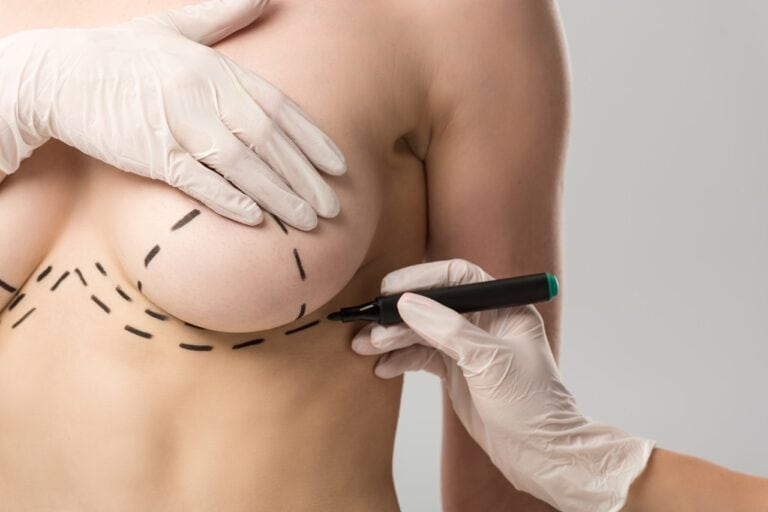
A well-contoured breast can enhance confidence and comfort in many areas of life. When breast implants are involved, concerns about positioning and appearance become especially meaningful, particularly with issues such as “sideboobs” and implant malposition.
At the New York Liposuction Center, we hear from many patients wanting to understand what causes these issues, how we address them, and their options for correction. A clear understanding of these topics can help you make informed decisions while seeking your desired results. Let’s explore everything you need to know, including causes, correction strategies, and prevention.
Key Takeaways
Understanding Sideboob: Anatomy and Aesthetics
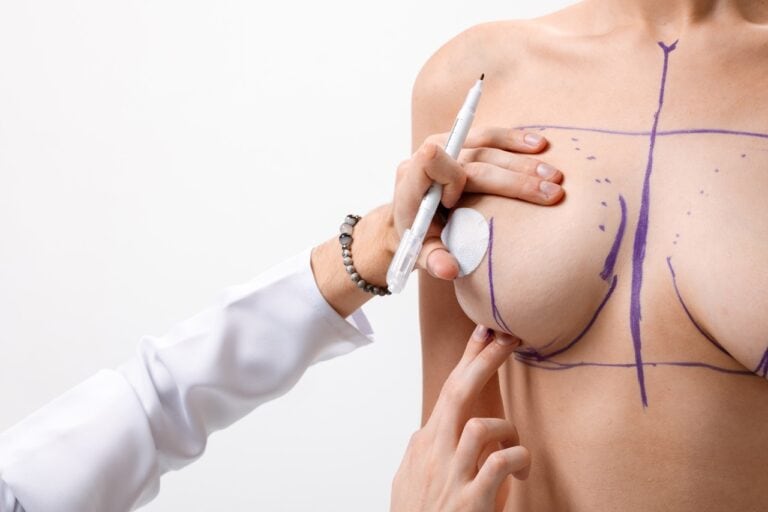
The term “sideboob” gets used frequently, but a clear definition matters in a medical context. When evaluating your results after breast augmentation, sideboob often refers to unintended projection or bulging of breast tissue or implant toward the outer chest wall.
Our team sees this in two main scenarios. In some patients, natural breast tissue extends far laterally, and an implant accentuates this feature. In other cases, the prosthetic implant itself shifts from the central pocket, producing an exaggerated lateral curve that can look and feel unnatural.
A well-positioned implant, in contrast, remains snug in the created pocket and sits evenly beneath the nipple. Our surgeons at the New York Liposuction Center view optimal results as those that enhance cleavage, fullness, and projection without drawing excess attention to the lateral breast border.
Why Sideboob Matters to Patients
For many, sideboob can be distressing or aesthetically displeasing. Extra projection on the outer chest can interfere with bra fit and may limit clothing choices. For some, the look departs from their original goals of fullness, lift, and breast enhancement.
Beyond appearance, sideboob sometimes points to underlying concerns. Lateral displacement after surgery can signal an implant pocket that was over-dissected, weakened by trauma, or affected by capsular contracture. Early signs can include a sudden change in outline, skin stretching, or a loss of upper breast fullness.
Recognizing the difference between a patient’s preferred contour and an unwanted malposition is an essential step in planning any revision.
Implant Malposition: Core Concepts
Implant malposition describes any shift of the breast implant from its ideal surgical pocket. This occurrence may develop weeks, months, or even years after the original surgery, and it can disrupt the intended shape and feel of the breast.
Malposition appears in several forms, not just lateral sideboob contour. Implants may shift downward (bottoming out), upward (high-riding), inward (symmastia), or outward (lateral displacement). Each pattern creates a distinct visual change, and some patients experience more than one type at a time.
Our surgeons pay attention to the balance between tissue support and implant size, because this interplay determines whether the pocket holds the implant securely over time.
Types of Implant Malposition
It often helps to consider the main types of implant malposition when thinking about possible complications. Some common variations include:
- Lateral displacement: The implant shifts toward the side of the chest, often leading to visible sideboob or a wide gap between the breasts.
- Bottoming out: The implant drops below the inframammary fold, causing a loss of fullness in the upper breast and low nipple position.
- Symmastia: The implants move toward the midline and merge, creating the appearance of a single continuous breast or “uni-boob.”
- High-riding implants: The implant shifts higher on the chest, usually because of a tight lower pocket or post-surgical contracture.
- Double bubble: A visible line or bulge forms across the lower breast, typically due to implant malposition or natural breast crease anatomy.
Patients may experience discomfort, asymmetry, or difficulty fitting into bras when one or more forms of malposition occur. Recognizing the pattern helps guide both diagnosis and plans for correction.
Causes and Risk Factors
Understanding why malposition occurs can empower you to make wise choices before and after surgery. Each case reflects a series of biological and surgical factors, not just a single cause.
Key Contributors to Malposition
Several main elements impact the likelihood of implant shifting or sideboob appearance. These should be discussed during consultation, as they guide both prevention and correction:
- Tissue laxity: Thinner or stretched tissues provide less support, which, failing to reinforce at the initial surgery, can result in implant movement.
- Implant width and size: Larger implants require a bigger pocket and exert more force on the tissue, increasing displacement risk.
- Surgical technique: Dissecting the pocket too far laterally, or placing the implant close to the armpit creates an unstable foundation for the implant.
- Capsular contracture: Scar tissue can squeeze one side of the implant, causing it to drift or rotate into an off-center position.
- Significant weight changes or trauma post-surgery: Weight gain, pregnancy, or direct impact to the chest can alter the breast support structures, changing how the implant sits in the pocket.
- Implant placement plane: Subglandular versus submuscular placement affects the degree of soft tissue support, with unique risks for each.
Reviewing your prior surgeries and personal anatomy can help pinpoint exactly which of these may have contributed in your case.
Symptoms and Signs of Malposition
Early signs of implant malposition can be subtle, so patients benefit from knowing what to watch for. Knowing these symptoms sets the stage for timely intervention.
Common Symptoms of Sideboob or Malposition
Some of the most frequently reported issues include:
- Noticeable change in breast shape: This includes increased fullness toward the outer chest or asymmetry compared to the opposite side.
- Shifting or hardening: You may feel the implant moving during certain activities or develop new areas of firmness under the skin.
- Visible rippling or bulging: Folds or contour irregularities may form along the sides or bottom of the breast.
- Loss of cleavage or separation: The breasts move further apart, or cleavage looks less defined than before.
- Changes when lying down: Breasts may spread outward or flatten more than is typical for your implant size and shape.
While these symptoms do not always require revision, they indicate that a consultation could help clarify the right next steps. Our team can assess whether a minor adjustment or a more involved revision would restore the intended result.
Diagnosing the Problem: Steps and Evaluation
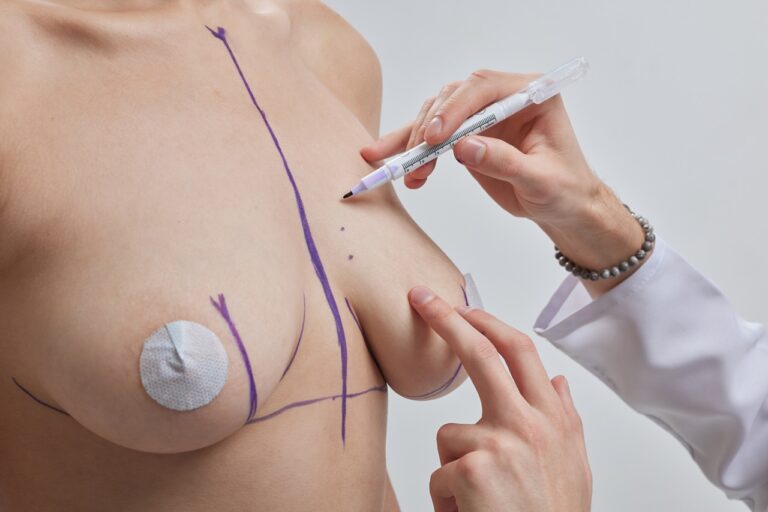
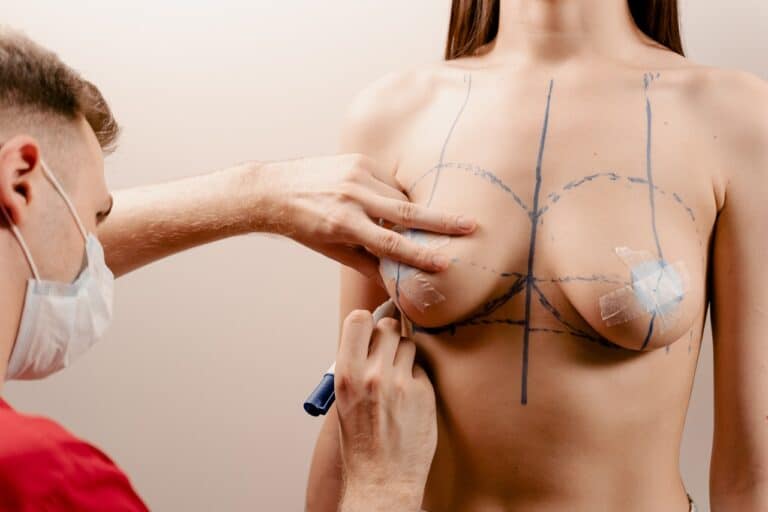
When you suspect malposition or feel dissatisfied with sideboob, a structured evaluation process follows. At our office, we start with your history, a detailed exam, and a review of prior operative notes if available.
Physical assessment focuses on tissue quality, scar patterns, and the relationship between the breast mound and implant. Our surgeons may take measurements of key breast points, photograph your current shape, and compare changes to your preoperative goals. Imaging studies often prove helpful when the implant is not palpable or when previous surgery left dense scarring.
From Assessment to Recommendation
Diagnosis allows us to determine whether physical support structures like the inframammary fold have stretched or if the pectoralis muscle released over time. Our team develops a tailored strategy after this assessment, taking your anatomy, implant type, goals, and lifestyle into account.
Revision Techniques for Correction
Revision surgery is often the definitive treatment for implant malposition and problematic sideboob, though not every case requires aggressive intervention. Let’s review common options for correction.
Surgical Approaches for Correction
Patients exploring revision may hear about several possible strategies from our surgeons. The most common approaches include:
- Capsulorrhaphy: We reinforce or tighten the implant pocket using sutures to help secure the implant in the ideal location.
- Pocket change or plane switch: Implant placement may shift from above to below the muscle, or the implant pocket’s boundaries may be revised to offer better support.
- Structural reinforcement: Our surgeons sometimes add a surgical support matrix (such as acellular dermal matrix or mesh) to stabilize tissues when natural tissue is insufficient.
- Implant exchange: In situations where size or shape contributed to malposition, selecting a smaller or differently shaped implant can help ensure long-term stability and a natural look.
Every revision surgery is unique, and our team at the New York Liposuction Center balances technique selection based on individual anatomy and goals.
Less Invasive Strategies
Occasionally, patients with very mild sideboob concerns might benefit from non-surgical measures. Wearing supportive bras, avoiding strenuous activities early during healing, and minor taping or padding may help during the initial post-operative period. However, lasting improvement only results from appropriate pocket support and implant position.
Risks and Expectations with Revision Surgery
Surgery to correct malposition requires skill and thoughtful planning, as multiple variables influence the outcome. Patients should discuss both benefits and risks with their surgical team.
Potential Complications and Recovery
While revision surgery provides high satisfaction rates for suitable candidates, several considerations are important.
- Scarring: Some patients will notice new or more visible scars as a result of the revision approach. Surgeons at our center aim for discreet incision placement and minimal scarring. We provide detailed guidance on breast liposuction scars and healing times to help you feel confident about your aesthetic outcome.
- Recovery time: Revision surgery can involve a longer recovery, as we adjust multiple tissue layers and reinforce pockets as needed.
- Implant survival: A small percentage of patients may experience further malposition, especially if the original anatomy was highly compromised.
- Sensory changes: Changes in breast sensation or nipple sensitivity can occur after revision procedures. These often improve over time but may occasionally persist.
- Aesthetic balance: Achieving perfect symmetry after one or more surgeries may not always be possible, especially in cases involving major tissue stretch or scarring.
Patients receive detailed counseling at the New York Liposuction Center regarding expected downtime, scar protocols, and steps to minimize complications.
Preventing Sideboob and Implant Malposition
Prevention remains the ideal solution, and many strategies can reduce risk. Our approach starts before the first incision and extends throughout post-surgical care.
Prevention Guidelines for a Natural Result
Here is a summary of key prevention steps our practice follows and recommends:
- Thoughtful implant selection: Choosing an implant size and profile that fits your chest dimensions provides long-term stability and minimizes pocket strain.
- Conservative pocket dissection: Our surgeons avoid extending the pocket too far laterally or undermining structural breast tissue that provides natural support.
- Strong postoperative support: Early after surgery, we recommend wearing supportive bras and following activity restrictions to encourage optimal healing.
- Monitoring and follow-up: Regular checkups help us detect any early shifts in implant position so that adjustments can occur before they become significant problems.
- Individualized planning: We evaluate each patient’s tissue strength and history to determine if special support materials or techniques will help secure the pocket.
Prevention requires collaboration between the patient and the surgeon, as each step supports lasting, beautiful results.
Proper Candidacy for Revision Surgery
Not every patient with sideboob or malposition needs revision, so a customized approach is key. Ideal candidates for revision have a clear change in breast shape, contour, or symmetry that does not resolve with conservative management.
We may recommend waiting for the tissue to heal if the original surgery occurred recently, as some swelling and contour changes settle over several months. Surgical intervention often produces the most reliable, lasting corrections when sideboob or malposition proves persistent.
Repeat Surgery vs Initial Augmentation
Patients considering revision should realize that repeat procedures differ from first-time implant placement. Scar tissue, tissue thinning, or previous surgical modifications present unique challenges.
Our surgical planning incorporates your goals, available support tissue, and current implant position. We want to explain every step of the revision plan, so you understand expectations and timelines.
Frequently Asked Questions about Sideboob and Implant Malposition
We regularly hear concerns and questions from patients in our New York liposuction practice, so we want to address some of the most common topics.
Navigating Options for a Confident, Natural Result
Confident breast contours and comfort in your own body are possible with the right information and support. At the New York Liposuction Center, our surgeons work with patients every step of the way, from initial consultation to long-term outcome assessments.
Understanding the causes, symptoms, and correction methods for sideboob and implant malposition enables you to make informed choices. Whether you face these problems now or seek to avoid them, a skilled surgical team can make all the difference.
If you feel concerned about breast shape, sideboob, or implant movement, we invite you to contact our New York office. A thoughtful discussion with our surgeon can help clarify your next steps and offer you the care and results you deserve.