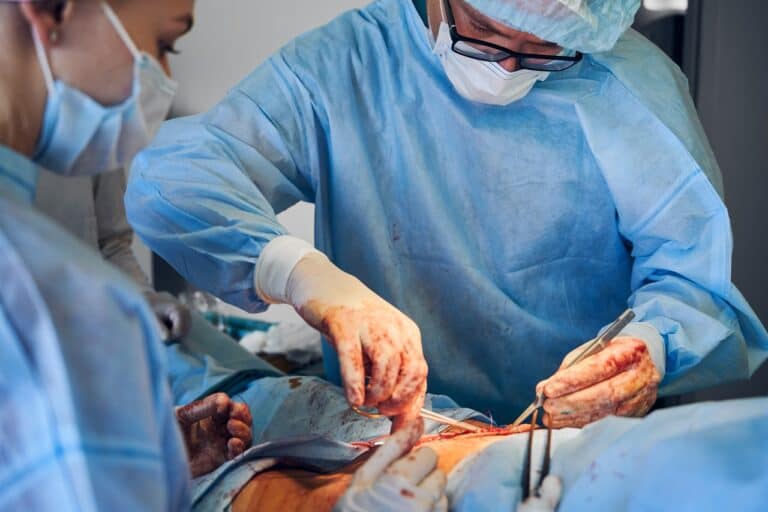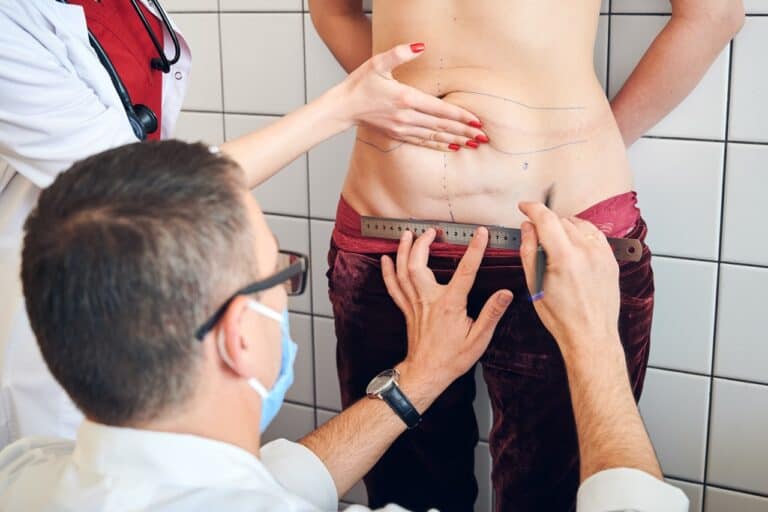
Each year, thousands of people visit our practice seeking a more contoured, confident version of themselves. Liposuction remains one of the most popular body sculpting options, but patients rarely realize how much its techniques have changed over time.
At the New York Liposuction Center, our surgeons combine years of experience with advanced technology that reflects decades of innovation. Understanding the evolution and history of liposuction can help you feel more comfortable and informed as you plan your own journey. This guide walks you through the key developments that brought modern liposuction to where it stands today.
Key Takeaways

Early Concepts and Pioneering Attempts
We often think of cosmetic surgery as a modern field, but the roots of liposuction reach back over a century. Early physicians experimented with ways to remove excess fat, but initial results pointed out the need for caution and refinement.
The First Recorded Efforts
The earliest attempts at surgical fat removal happened in Europe in the 1920s. A French surgeon named Dr. Charles Dujarier is usually credited with performing the first known procedure. He tried to extract fat from a dancer’s leg by cutting into the tissue, but the patient suffered severe complications, resulting in partial amputation.
This case quickly led many in the medical community to approach body contouring with extreme caution for decades. Doctors recognized that fat extraction posed unique risks related to bleeding, infection, and tissue loss. The tools they had in that era were simply too crude, which set progress back for more than 40 years.
A Shift Toward Safer Approaches
In the 1960s, a new wave of surgeons began revisiting the idea of fat removal. Italian gynecologist Dr. Giorgio Fischer developed small, specialized tools called cannulas. He used these to break up and suction fat through tiny incisions, hoping to avoid the trauma of older procedures.
Though results improved, the technique still created unevenness and damage to surrounding tissue.
Progress in the 1970s centered around smaller cannulas and more precise methods. Surgeons aimed to limit scarring and avoid harm to skin and muscle. These early efforts inspired the first true innovations in clinical liposuction, which would emerge in France soon after.
The Birth of Modern Liposuction
The groundwork for modern liposuction took shape in the mid-1970s, combining technology and new ideas about aesthetic surgery. The pioneers of this era pushed cosmetic medicine in bold new directions while setting the standard for safety and results.
Dr. Yves-Gérard Illouz and the Cannula Revolution
A French surgeon named Dr. Yves-Gérard Illouz changed the field forever when he introduced a process called blunt tunneling. Illouz’s technique involved small, blunt-tipped cannulas that loosened and suctioned fat under the skin. By using blunt tips rather than sharp blades, he dramatically reduced the risk of blood vessel or nerve injury.
Dr. Illouz published his findings and began training other plastic surgeons around the world. By the early 1980s, surgeons in the United States and many other countries had adopted variations on his method. The procedure continued to evolve, but Illouz’s inventions form the core of most liposuction surgeries even today.
Expanding the Technique Worldwide
Surgeons in Brazil, the United States, and Italy embraced Illouz’s method while tweaking procedures to suit their patients’ needs. Dr. Pierre Fournier in Paris added refinements such as using compression garments and improved aftercare to minimize swelling and improve outcomes. These pioneers worked together, sharing knowledge that gradually improved the results for patients seeking body contouring.
Widespread adoption drove demand for even more advanced methods. By the 1980s, larger numbers of patients trusted liposuction for significant changes to the hips, thighs, abdomen, and more.
Major Innovations and Breakthroughs
Over the past four decades, liposuction has seen many technological leaps. Each advance aimed to make the procedure safer, less invasive, and more effective for both large and small areas.
Tumescent Liposuction: A Game Changer
The most significant change in the 1980s came from the United States. Dr. Jeffrey Klein, a California dermatologist, introduced the tumescent technique in 1985. Instead of performing the surgery with general anesthesia, Dr. Klein infused large amounts of dilute lidocaine (a local anesthetic) and epinephrine into the fat layer. This “tumesced” or plumped up the fat, making it easier to extract, numbing the area, and shrinking blood vessels to reduce bleeding.
Tumescent liposuction offered remarkable advantages:
- Surgeons performed the surgery with local anesthesia, which lowered risks.
- Blood loss decreased, making the procedure safer.
- Results improved because surgeons could be more precise and remove fat evenly.
Within a few years, the tumescent approach became the gold standard, serving as the basis for almost all liposuction procedures today.
Power-Assisted and Suction-Assisted Techniques
By the 1990s, surgical teams began using different cannula designs and motorized systems. Power-assisted liposuction uses a rapidly vibrating cannula to break up tough fat deposits. Suction-assisted liposuction uses mechanical suction for greater efficiency.
This wave of technology allowed surgeons at practices like ours to remove larger volumes of fat in less time. These systems also help the surgeon avoid fatigue while maintaining precise control, improving patient outcomes.
Ultrasound and Laser-Assisted Liposuction
As technology matured, new devices entered the field:
- Ultrasound-Assisted Liposuction (UAL): This method uses focused ultrasound waves to liquefy fat before extraction. UAL works well for fibrous areas like the back or male chest.
- Laser-Assisted Liposuction: This technology uses targeted laser energy to melt fat and tighten skin at once. Laser-assisted systems often allow faster recovery and less bruising.
While these advances offer more options, they require special training and careful patient selection. Not every technique fits every body type, so our team always considers your unique goals and anatomy before recommending an approach.

Key Types and Methods of Liposuction Today
Modern liposuction provides many approaches for customizing results. Patients considering the procedure at a practice like ours benefit from a detailed discussion of each option.
Liposuction methods typically fall into these main categories:
- Traditional Suction-Assisted Liposuction: The surgeon manually moves a cannula while suction extracts the fat. Most tumescent liposuctions use this basic structure with local anesthesia.
- Power-Assisted Liposuction (PAL): The cannula vibrates or oscillates, loosening fat with minimal effort and less tissue trauma.
- Ultrasound-Assisted Liposuction (UAL): After injecting the tumescent fluid, the surgeon uses ultrasound waves to emulsify (liquefy) the fat, which is then suctioned out.
- Laser-Assisted Liposuction: Laser systems target fat cells with wavelengths that liquefy fat and cause some minor skin contraction.
- Water-Assisted Liposuction: This uses jets of saline to dislodge fat, which is then gently suctioned out.
Every technique offers distinct benefits and considerations. At our New York office, we tailor our approach based on your individual needs, skin quality, and the area you wish to treat.
Patient Safety and Improved Outcomes
Safety remains the cornerstone of every liposuction advancement. New technologies and techniques have made the procedure much safer than early versions. However, each step still requires skill and close patient monitoring.
Enhanced Safety Features
Modern procedures include several major safety improvements:
- Local vs. General Anesthesia: Most procedures today use local anesthesia, which reduces risks tied to general anesthesia.
- Microcannulas and Smaller Incisions: Small, blunt cannulas minimize tissue trauma and recovery time.
- Better Hemostasis: Adding epinephrine to tumescent solutions shrinks blood vessels, which cuts down on bleeding and bruising.
- Advanced Monitoring: Our surgical team monitors vital signs and fluid balance throughout the procedure, ensuring rapid response to any changes.
Minimizing complications means patients see better, more predictable results.
Ongoing Challenges
Even with these advances, liposuction is not risk-free. Potential concerns include:
- Infection
- Changes in skin contour or sensation
- Fluid imbalance
- Deep vein thrombosis (rare yet serious)
At the New York Liposuction Center, our surgeons thoroughly screen candidates, review medical history, and develop personalized care plans to reduce risks.
Changing Social Attitudes and Cultural Impact
Cosmetic surgery, and liposuction in particular, reflects larger shifts in culture and self-image. What started as a niche procedure now plays a role in medical aesthetics worldwide.
Early Stigma and Gradual Acceptance
Initially, many doctors and patients felt skeptical about surgery for appearance, especially in the United States and Europe. Procedures like liposuction sparked debates about vanity and ethics. Over time, as patient satisfaction became more visible and complication rates fell, public attitudes softened.
Today, body contouring appeals to a wide range of patients. Both women and men of all ages seek subtle or significant changes through cosmetic surgery.
The Influence of Media and Technology
Television, magazines, and later social media expanded the public’s awareness of plastic surgery. TV programs showcased “makeovers,” fueling demand as people realized what modern liposuction might achieve. With detailed online information and digital resources, patients became more informed and active in their own healthcare decisions.
While beauty standards continue to evolve, more people approach liposuction with clear, realistic goals for their bodies. This shift has improved patient outcomes since those who choose the procedure tend to have stable expectations and better pre-surgical planning.
Liposuction’s Role in Medical and Reconstructive Surgery
Although cosmetic improvements remain the most common reason for liposuction, the procedure also plays a role in reconstructive medicine and therapeutic care.
Beyond Aesthetics: Treating Medical Conditions
Our surgeons sometimes use liposuction for patients with certain health conditions, including:
- Lymphedema: Removing fat and fluid relieves swelling in affected limbs.
- Gynecomastia: Male breast reduction often uses liposuction to remove excess tissue with minimal scarring.
- Lipomas: Benign fatty tumors respond well to extraction through liposuction.
Therapeutic liposuction uses a careful technique to protect surrounding structures and optimize healing. Our team carefully weighs the risks and benefits with each patient.
Fat Transfer and Regenerative Potential
Surgeons now harvest fat during liposuction and transfer it to other areas for reconstructive or cosmetic reasons. For example, fat grafting can restore facial or breast contour after cancer surgery or trauma. Research continues into regenerative uses for harvested fat, especially concentrated stem cells that might encourage tissue repair or healing.
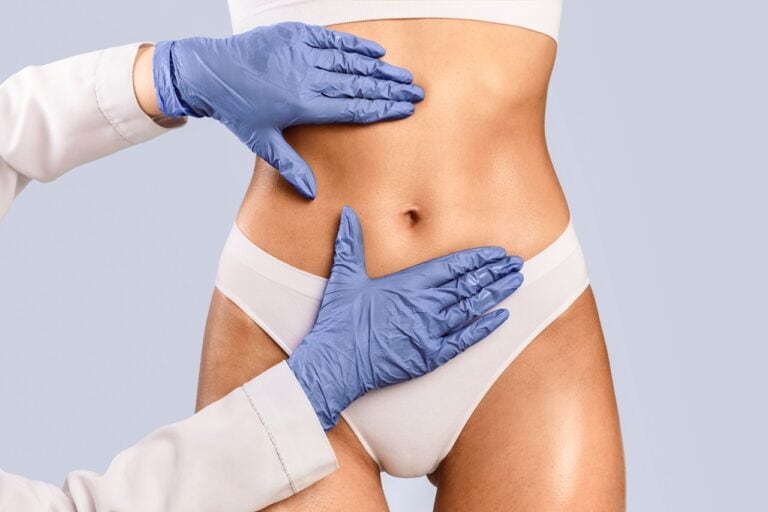
Timeline of Liposuction: Major Milestones
To help you visualize liposuction’s evolution, here’s a chronological overview of important events and breakthroughs:
- 1920s: Dr. Charles Dujarier performs the earliest surgical fat removal (France). The first case ends with major complications.
- 1960s-1970s: Dr. Giorgio Fischer and others refine the concept of using cannulas for body contouring.
- 1977: Dr. Yves-Gérard Illouz publishes results for the “Illouz method” of blunt cannula aspiration.
- Early 1980s: Dr. Pierre Fournier brings further improvements to aftercare and technique.
- 1985: Dr. Jeffrey Klein introduces tumescent liposuction, transforming safety and patient experience worldwide.
- 1990s-Present: Power-assisted, ultrasound-assisted, and laser-assisted liposuction add more precision, speed, and recovery benefits.
Each of these developments paved the way for the highly refined procedures available at the New York Liposuction Center today.
Factors Influencing Liposuction’s Success
Several factors determine how effective and safe your liposuction results will be. Our surgical team always discusses these key elements with patients.
Patient Selection
Ideal candidates for liposuction generally have localized fat deposits, stable weight, and good skin elasticity. People with realistic expectations tend to report higher satisfaction. We carefully consider medical history and medications as part of our assessment.
Area and Technique
The target area of the body and the thickness of underlying fat layers affect method choice and results. Thighs, abdomen, flanks, and arms all respond somewhat differently. Our doctor explains which approach aligns best with your anatomy during your consultation.
Surgeon Experience
The experience and artistry of the surgeon matter as much as the technology used. Years of hands-on practice translate to greater finesse, safety, and natural-looking outcomes. At our practice, continuous training and patient feedback drive our results.
Trends and the Future of Liposuction
As the field evolves, research and innovation continue to shape the future of liposuction.
Minimally Invasive Procedures
Demand for shorter recovery and fewer side effects has led surgeons to explore even less invasive fat removal methods. New developments include smaller incisions, softer cannulas, and approaches that require only mild sedation. Patients worry less about scarring and downtime as a result.
Non-Surgical Alternatives
Several energy-based systems now promise some degree of fat reduction without surgery. Devices using cool temperatures (cryolipolysis), radiofrequency, or ultrasound reduce fat cells through the skin. While non-surgical options suit those with mild fat pockets, classic liposuction remains the more reliable method for dramatic or large-area results.
Personalized, Patient-Centered Care
Digital imaging, improved diagnostics, and ongoing education empower patients and medical teams to plan more precisely. More options now exist for personalizing both the technique and the recovery plan for each individual.
Patients today can look forward to safer, more effective results than ever before as liposuction technology continues to move forward.
Charting Your Own Path to Body Confidence
The journey of liposuction from risky experiments to safe, effective body sculpting reflects decades of dedication, ingenuity, and patient-centered care. Patients no longer need to accept outdated stereotypes or feel uncertain about safety and results.
At the New York Liposuction Center, our surgical team combines advanced technology with compassion and artistry. We work closely with every patient to explain options, answer questions, and craft a plan built for real life and real bodies.
If you want to learn more about liposuction’s potential or are considering taking the next step, we invite you to connect with our office. Schedule a consultation today and let us help you explore every stage of this transformative journey toward renewed confidence.