At the New York Liposuction Center, every step after your liposuction makes a difference in your healing and results. Many patients focus on the details of their surgery, yet the follow-up instructions play just as vital a role in their experience.
What you do after leaving our office can shape your liposuction recovery time and long-term satisfaction. Carefully following our guidance helps you avoid setbacks, unnecessary discomfort, and avoidable risks. Let’s look at why these instructions matter so much and what you can expect.
Key Takeaways

Why Follow-Up Instructions Matter After Liposuction
Your recovery does not end when the procedure is over. In fact, what happens in the days and weeks after surgery often matters just as much as the surgery itself.
Healing is an Active Process
Healing after liposuction unfolds in stages that need careful management. Our surgeon provides specific instructions based on the procedure area, the technique used, and your health profile. These guidelines address everything from wound care to wearing compression garments, which help shape your body as tissues settle.
Ignoring or misunderstanding these steps can lead to prolonged swelling, infections, or uneven results. Our goal is for you to heal efficiently and see the most attractive results possible.
Risks of Neglecting Aftercare
When patients overlook follow-up instructions, several possible problems can arise. Without close attention, issues like excessive bruising, fluid buildup, or scarring may become more likely. Infection risk increases if you do not practice proper wound management.
Additionally, skipping liposuction medications or check-ins can mean missing early signs of trouble. The best way to catch a concern early is to remain in close communication with our practice throughout the recovery window.
Common Elements of Follow-Up Instructions
You can expect to receive clear, detailed liposuction recovery steps before you leave our surgical center. Each patient’s aftercare plan addresses specific needs. However, most plans include several key categories.
Wound and Incision Care
Proper wound care instructions help prevent infection and support clean healing. Our doctor explains when you may shower, how to care for dressings, and when to change or remove them. You will also receive guidance on signs of problems, such as redness or unexpected drainage.
Use of Compression Garments
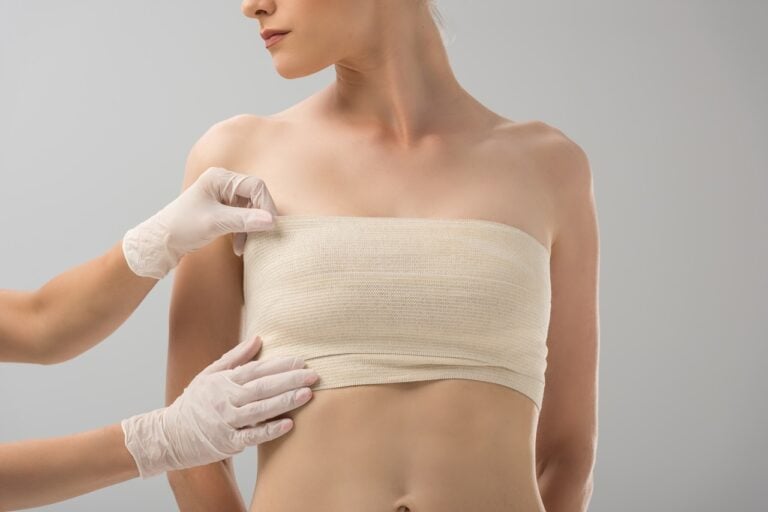
Compression garments play a key role in shaping results and reducing swelling. Our surgical team demonstrates how to put them on, how many hours per day to wear them, and when you can ease up. Wearing garments as directed also helps prevent fluid collections in the treated area.
Activity and Rest Guidelines
After surgery, balancing rest with gentle movement supports circulation and overall healing. Our recovery instructions outline when you can return to daily activities, when strenuous exercise is safe, and which motions to avoid at first. These guidelines minimize the risk of blood clots or unnecessary tissue strain.
Medication Instructions
Our doctor prescribes medications such as pain relievers or antibiotics according to your needs. Understanding when to take these medications and for how long is important for pain control and infection prevention. You should never skip doses or share drugs with anyone else.
When to Seek Help
We detail which symptoms are normal and which require urgent attention. Signs like severe pain, fever, shortness of breath, or excessive swelling call for immediate contact with our office. This way, we help catch complications early and ensure your continued safety.
Key Benefits of Adhering to Follow-Up Instructions
Following follow-up instructions gives patients several advantages throughout their recovery. These benefits go well beyond avoiding complications.
Improved Cosmetic Results
By maintaining proper care protocols, you help the treated areas heal more smoothly and evenly. Compression, for example, helps minimize lumpiness and ensures a more refined outcome. Wound care reduces irregular scarring and discoloration.
Reduced Discomfort
When you use pain medications as directed and rest as advised, you are less likely to experience lingering pain or swelling. Activity guidelines help your body recover without unnecessary discomfort or setbacks.
Faster Return to Normal Routines
We see that patients who follow aftercare instructions often return to daily activities more quickly. Safe movement and proper self-care shorten downtime and reduce the risk of lengthy delays.
Long-Term Satisfaction
Patients who follow the recovery plan usually report happier experiences and greater satisfaction with their results. Early attention to small concerns prevents them from developing into bigger issues later.
Common Challenges with Post-Liposuction Instructions
Many people find that recovery brings up new questions or unexpected adjustments to daily life. Recognizing these common challenges can help you prepare.
Forgetting Important Steps
After surgery, pain or fatigue can cause patients to forget when to take medications or change dressings. To help, our office provides written materials and reminders so you can review instructions at home and track your care.
Managing Activity Restrictions
Adjusting your routine can be hard, especially for active individuals. Our recovery planning focuses on balancing the need for rest with recommendations for safe, gradual increases in activity. This ensures you do not return to work or workouts too soon.
Emotional Ups and Downs
Healing is not only physical. Some patients feel frustrated by swelling or the timeline for visible results. We offer ongoing support and regular check-ins so you always know what to expect at each stage of healing.
The Follow-Up Appointment: What to Expect
Your recovery journey includes at least one scheduled return visit after liposuction. At this appointment, we check your healing progress and address any lingering questions.
Physical Examination
Our surgeon evaluates your surgical sites for proper healing. We look for signs of infection, hematoma, or fluid buildup, and note the reduction in swelling.
Adjusting Care Strategies
If your healing is ahead or behind schedule, we tailor your future care to your needs. Sometimes this means updating wound care tips or adjusting how long to wear garments during recovery.
Addressing Your Concerns
Patients often feel most comfortable asking questions during a face-to-face visit. You can share any discomfort or unexpected changes so we can adjust your plan and reassure you about your symptoms.
Typical Timeline for Liposuction Recovery and Follow-Up
The recovery process unfolds in several recognizable stages. Understanding this timeline helps you set realistic expectations.
Immediate Post-Op (First 24-48 Hours)
Most patients spend this time resting with limited movement. Swelling and mild pain are common. You will wear dressings and compression garments as instructed.
Early Recovery (First Week)
Our doctor usually schedules your first follow-up within one week. At this stage, you may gradually return to light activities while avoiding strenuous movement. Swelling, bruising, and mild restrictions are still normal.
Short-Term Recovery (2-4 Weeks)
After the first week, you typically can resume many daily tasks. Some swelling remains, but it should be decreasing. You still need to use compression garments and watch your incisions for any changes.
Ongoing Healing (1-6 Months)
The full smoothing and settling of your new contours can take several months. During this period, regular check-ins allow us to track your results and answer ongoing questions.

How We Tailor Aftercare at Our Practice
Each body heals in its own way. Our practice believes a customized recovery plan suits every patient’s unique needs. At the New York Liposuction Center, we take several factors into account.
Factors Shaping Your Instructions
Age, existing health conditions, the size and location of treated areas, and the liposuction technique all influence your aftercare. For example, a patient with a history of poor healing or a larger area treated may follow a slower activity timeline.
Importance of Communication
We encourage open dialogue during your recovery. Whether your question seems minor or urgent, we want patients to feel comfortable reaching out. This emphasis on communication allows us to address individual concerns promptly.
Personalized Educational Resources
Our practice provides take-home recovery packets, online guides, and direct access to our nursing staff for follow-ups. These support materials ensure you do not have to rely on memory alone and can access clear guidance at any time.
Essential Tips for Your Post-Liposuction Instructions
A few simple strategies make it easier to stay on track and support your healing journey. Following these practical steps helps you avoid common pitfalls.
Our list below covers essential approaches for a smooth recovery:
- Read Instructions Thoroughly: Always review all materials provided by our surgical team before leaving the office. Refer to these materials as questions arise in the coming days.
- Use a Recovery Schedule: Track medication times, dressing changes, and garment usage. Writing down or using a digital reminder can limit missed steps.
- Prepare Your Home Environment: Set up any supplies you will need, such as clean dressings, pillows for comfort, and healthy snacks. Arranging these ahead of time reduces effort when you need to rest the most.
- Enlist Support: Reliable friends or family can help with transportation and household tasks. Asking for assistance where needed keeps your recovery smoother.
- Keep Communication Lines Open: Do not hesitate to call our office if something seems unclear, uncomfortable, or out of the ordinary. Early questions prevent later problems.
By keeping these tips in mind, your post-surgical recovery is likely to go much more smoothly.
The Role of Ongoing Lifestyle Habits in Your Long-Term Outcome
Successful healing is the beginning, not the end, of maintaining your liposuction results. The months after surgery are ideal for building habits that support your outcome.
Healthy Eating and Hydration
A balanced, nutrient-rich diet supports tissue repair and helps limit swelling. Drinking enough water every day can also promote smoother healing. Our team is always happy to offer basic nutrition advice when questions come up.
Physical Activity and Exercise
While you need to avoid strenuous activity at first, our doctor encourages a gradual return to fitness as clearance is given. Long-term, regular movement helps maintain your new shape and supports your overall health.
Avoiding Harmful Behaviors
Habits such as smoking or excessive alcohol use can slow healing. They may even increase the risk of complications such as infection or delayed recovery. If you have concerns about these lifestyle factors, we can connect you with resources and support.

Frequently Asked Questions About Liposuction Aftercare
Patients often have recurring concerns about the weeks following surgery. Having answers to common questions can help you feel prepared and confident.
Supporting a Positive Liposuction Experience
Attention to follow-up instructions remains one of the most important factors for achieving the smoothest, most attractive liposuction result. At the New York Liposuction Center, our goal is to provide clear, caring guidance every step of the way, both in the office and during your recovery at home.
When you stick to the aftercare plan, you not only help your body heal but also maximize your satisfaction and peace of mind with your results. Each stage of recovery brings new milestones, and our team remains ready to answer questions and offer reassurance when needed.
If you are considering liposuction or have questions about healing after your procedure, we encourage you to reach out for support. Schedule a consultation with our experienced surgical team at the New York Liposuction Center to take the next step on your path. Your best results start with preparation, trusted guidance, and ongoing care.