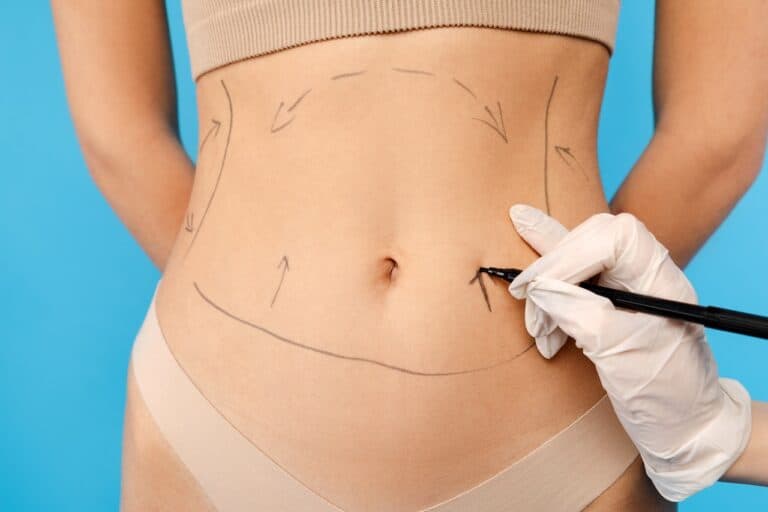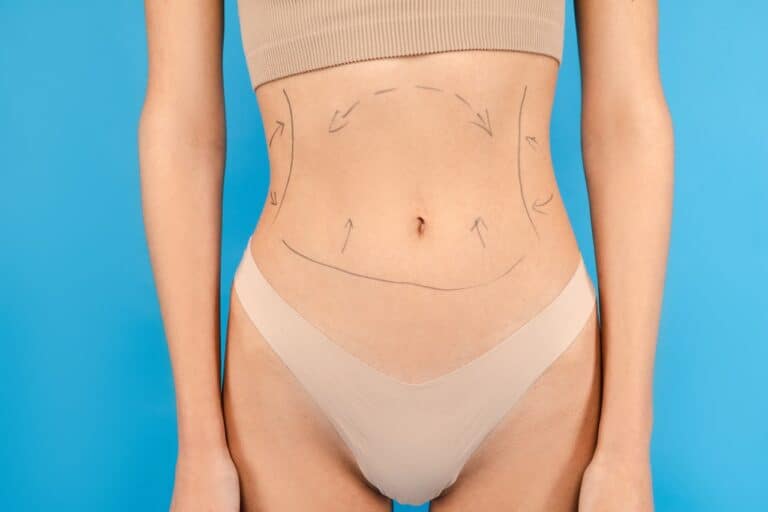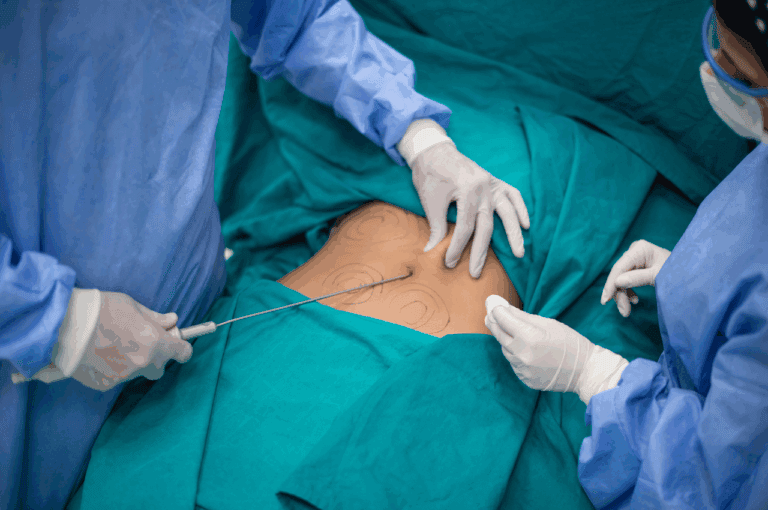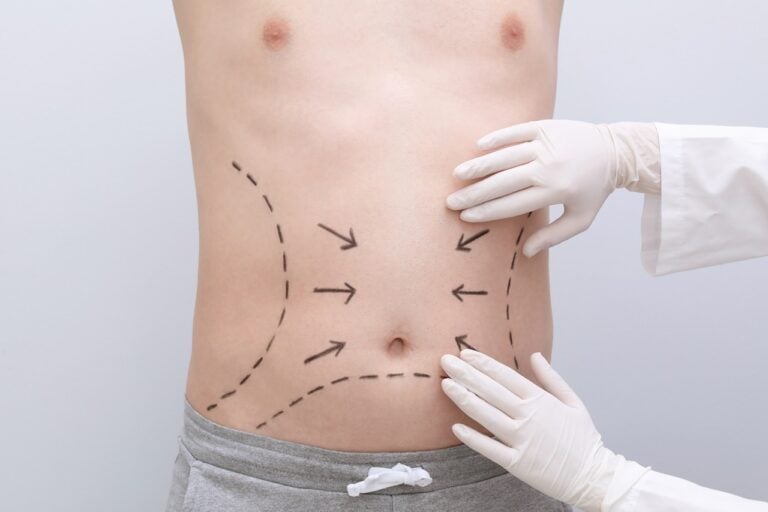
At the New York Liposuction Center, patients often ask about the recovery process after liposuction, and one of the most important tools for optimal healing is the specialized recovery garment. These garments do more than just provide comfort after surgery. When worn correctly, they can play a vital role in supporting your body’s healing and shaping the final result.
Anyone considering liposuction or who has just had a procedure should learn how and why a recovery garment matters. Knowing what to expect can make your aftercare smoother and help you get the best possible outcome. In the following guide, our surgeon details everything you need to know about liposuction recovery garments and how they fit into your surgical journey.
Key Takeaways
The Purpose of a Liposuction Recovery Garment
Understanding why a post-surgical garment matters can help you prepare for recovery.
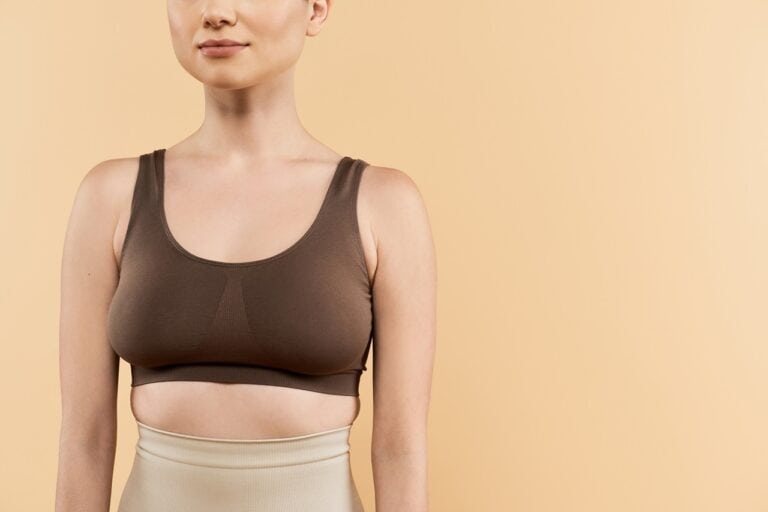
Liposuction involves removing unwanted fat from targeted areas, which leaves the treated tissue vulnerable as it heals and adapts to its new contours. A recovery garment is a specially designed piece of clothing, typically made from strong yet flexible materials.
The primary purpose of this garment is to place gentle yet consistent pressure on the treated area. This controlled compression addresses several critical aspects of recovery.
How Compression Supports Healing
Compression matters for more than just comfort. When you wear a recovery garment, it helps minimize swelling, which can become quite pronounced after liposuction. The garment applies pressure that directs excess fluid away from the surgical site so your body can clear it more efficiently.
In addition, a snug garment supports skin as it adapts to the new shape beneath. This controlled pressure also minimizes tension on your healing incisions, which is a critical factor in preventing prominent liposuction scars and ensuring a discreet final result.
Enhancing Comfort and Mobility
Feeling sore and swollen is common during the first days after liposuction, yet a proper recovery garment can make a significant difference. Compression provides support to healing tissues and can reduce the jarring movement or pressure patients may notice during daily activities.
At the same time, the close fit helps to prevent chafing as you move. This means you can remain more comfortable and mobile during your recovery period.
Types of Liposuction Recovery Garments
Many types of post-liposuction garments exist, each designed to fit specific areas and suit different procedures. Selecting the right garment depends on the location and extent of your surgery.
Here is a closer look at several common types you may encounter during aftercare.
Full-Body Compression Garments
Patients who undergo more extensive liposuction may benefit from a full-body garment. This type covers the torso, hips, and sometimes the thighs, with adjustable closures to accommodate changing swelling.
A full-body garment offers uniform compression across larger areas. This helps ensure smooth results without bulges. While these garments provide maximum support, they can feel restrictive. However, most modern options are designed with breathable, soft fabrics that maintain skin comfort throughout recovery.
Abdominal and Midsection Garments
Abdominal liposuction often requires specialized girdles or vests that concentrate support on the midsection. A compressive abdominal binder or vest helps the skin contract as fat settles away.
Our surgeon often recommends sturdy, adjustable materials in this area, which help maintain comfort during long hours of wear. The right fit ensures the garment remains in the proper position as your activity levels increase.
Arm, Thigh, and Chin Garments
Targeted liposuction around the upper arms, thighs, or below the chin calls for more specialized garments. Arm sleeves and thigh compression shorts provide precise support and prevent fluid buildup in those limited areas.
Chin compression wraps fit around the lower face and neck. These wraps help reduce swelling and support the jawline after submental liposuction.
Our surgical team always helps patients select the most appropriate garment style for their individual procedure.
How a Recovery Garment Works After Liposuction
The most visible job of the recovery garment is providing external support, yet it also brings many subtle benefits that accelerate and improve the healing process.
Promoting Skin Retraction
One goal after removing fat cells is encouraging the skin to retract and adapt to a slimmer contour. When pressure is distributed evenly, the skin is less likely to sag or form creases as the area heals. This means your garment helps you achieve a smoother, more refined look.
Reducing Swelling and Bruising
Persistent swelling is a common side effect after liposuction. Compression garments press gently on tissues and blood vessels, which limits fluid buildup and discourages further leaking of blood into the tissues. By reducing the severity and duration of swelling, your garment makes bruising less noticeable and accelerates visible recovery.
Supporting Lymphatic Drainage
Lymphatic fluid can accumulate at the surgical site, which feels uncomfortable and slows healing. The pressure of a recovery garment encourages this fluid to flow away from the treated area and back into your body’s natural drainage system.
Improving Circulation
Healthy blood flow brings nutrients to healing tissues and carries away byproducts of recovery. Compression increases circulation, which can lower the chance of blood clots and promote tissue repair.
Throughout your recovery, we will monitor your progress and may suggest adjustments to your garment if needed.
Sizing and Fit: Why They Matter
Selecting the proper size and fit for your recovery garment is essential for both comfort and success.
Finding the Right Size
A garment that is too loose will not deliver the level of compression needed. Excess room leads to less support and less effective swelling control.
On the other hand, a garment that is too tight may cause numbness, pain, restricted circulation, or even skin irritation. Always use professional measurements, and speak directly with our doctor when choosing a size.
Tailoring the Fit to Your Body
Different garments use adjustable fasteners such as hooks or zippers to help account for shifting, swelling, and ongoing changes during recovery. At the New York Liposuction Center, our team measures patients in advance and provides guidance for adjusting the fit over time. As swelling decreases, you might need a slightly smaller garment.
We suggest trying on your garment before surgery if possible, so you become familiar with how it fits and how to put it on and remove it safely.

When and How Long to Wear a Recovery Garment
A successful recovery after liposuction depends on adhering to your surgeon’s recommendations for wearing your garment. The timeline can vary, and each phase of recovery brings different guidelines.
Typical Duration of Use
While every patient’s journey is personal, most people wear their recovery garment continuously for the first one to two weeks following surgery. During this period, the garment helps manage the peak swelling and gives support to healing tissues.
After the initial phase, our surgeon usually suggests continuing to wear the garment for most of the day and night over the next three to six weeks. Some patients transition to lighter compression or fewer hours of wear as healing progresses.
Key Milestones and Adjustments
As the swelling subsides, you will notice the garment fits more loosely. You may need to switch to a different size or style as your body changes, and our surgical team will advise you at your follow-up appointments.
Never stop using your garment abruptly or change your schedule without professional input. Removing it too soon could delay healing or compromise your results.
Wearing the Garment During Daily Activities
Most recovery garments are discreet and can be worn under clothing during work, errands, or light exercise. As you transition through recovery, choosing the right post-liposuction clothing, such as loose-fitting layers and breathable fabrics, will help accommodate the garment while maintaining your comfort and style.
If you need to remove your garment briefly for bathing or cleaning, follow your surgeon’s exact instructions for when it is safe to do so.
Caring for Your Recovery Garment
Proper maintenance of your recovery garment is just as important as wearing it. A fresh, clean garment can help protect your skin and speed healing.
Here are some tips for routine care and hygiene of your post-surgery garment.
- Hand Washing: Always wash your garments by hand in cool or lukewarm water. This preserves its compression properties and prolongs its lifespan.
- Mild Detergents: Use only gentle, fragrance-free soap. Strong detergents may cause material breakdown or skin irritation.
- Air Drying: Lay your garment flat or hang it to air dry. Heat from dryers can weaken elastic fibers and warp the garment’s shape.
- Daily Cleaning: Clean your garment every day, especially in the first two weeks after surgery. This reduces the risk of skin irritation and infection.
- Rotating Garments: If possible, obtain a second garment. Alternating allows you to wear one while the other is drying, giving your skin constant support.
- Careful Handling: Avoid wringing or pulling the fabric, which stretches it out of shape. Handle closures gently for longer garment life.
Establishing these habits will protect your skin and keep your recovery on track.
Benefits of a Liposuction Recovery Garment
Patients who follow their garment regimen tend to notice several specific benefits that go beyond just physical recovery.
Improved Post-Surgical Outcomes
Wearing a recovery garment helps you avoid contour irregularities and supports better definition as swelling recedes. By guiding healing tissue into the intended shape, the garment helps to ensure your results match the goals you and your surgeon set.
Lower Risk of Complications
When you consistently use the garment, fluid accumulation, such as seromas, becomes less common. The gentle compression prevents the most common issues that arise during the healing period, which might otherwise lead to additional procedures.
Enhanced Psychological Comfort
Healing environments matter for both body and mind. A snug-fitting garment helps many patients feel more protected and reassured as their incisions recover, and gives confidence when transitioning back to everyday activities.
Potential Complications from Improper Use
When patients misuse their recovery garments, several complications may arise. Awareness can help you avoid these problems and support a safe healing process.
Overly Tight Garments
If a garment is too tight, you may experience symptoms such as numbness, tingling, or severe discomfort. Extreme compression can block blood flow and increase the risk of tissue damage. Always contact our staff immediately if you experience any of these symptoms.
Insufficient Support
Loose or ill-fitting garments can lead to uneven results. Fluid pockets may form underneath the skin, which can delay healing and require additional attention.
Skin Issues
Heat and perspiration can build up under your garment, especially if worn for many hours at a stretch. This might cause rashes, irritation, or infection if you do not clean your garment frequently and maintain proper hygiene.
Avoiding Common Mistakes
Consistent communication with our surgical team helps you adjust your garment or routine as needed. Reporting discomfort or skin changes early usually prevents further complications.
How to Choose the Right Recovery Garment
Patients have many options for recovery garments. However, selecting the ideal product ensures the safest and most comfortable healing process.
Factors to consider should always include:
- Fit and Sizing: Professional sizing ensures even, gentle compression. Custom-fit garments may offer the best results after larger procedures.
- Material: Breathable, hypoallergenic fabrics maintain comfort, especially when worn for long periods.
- Style and Coverage: Select a garment that follows your surgeon’s recommendations for the specific body area treated.
- Closure Type: Look for closures that are easy for you to put on and remove, while maintaining support during swelling and movement.
- Quality Assurance: Medical-grade garments have been tested for durability and compression consistency. These are available through reputable suppliers and are most often recommended at our office.
Choosing the right garment means you are more likely to wear it consistently. If you have any hesitations about product quality or fit, our surgical team can review your options together.
Tips for a Smooth Recovery with Your Garment
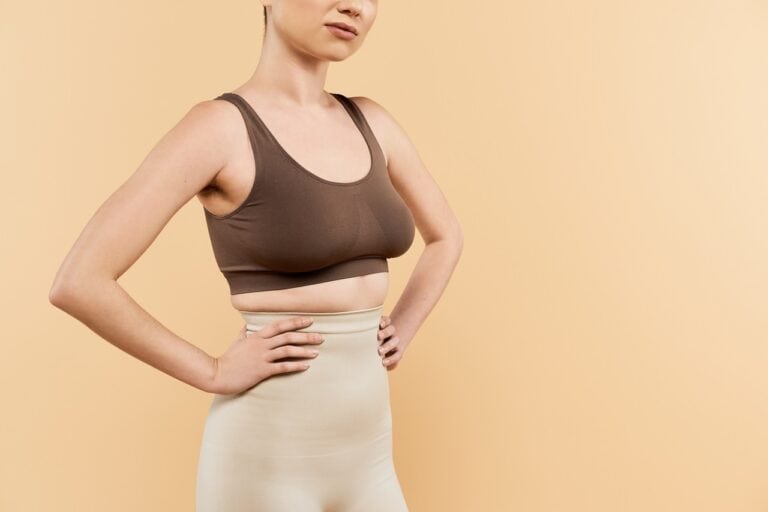
Wearing your garment correctly is just one part of the recovery process. To further enhance your healing experience, consider these practical tips:
- Follow All Instructions: Adhere closely to your surgeon’s timeline for wearing, cleaning, and transitioning between garment types.
- Monitor for Changes: Check your skin daily for irritation or shifting, and notify our office if you notice anything unusual.
- Stay Active but Gentle: Move around as advised, since light activity can improve circulation and healing.
- Hydrate and Eat Well: Proper nutrition supports your body’s efforts to repair tissue, while adequate hydration reduces swelling.
- Communicate Clearly: Keep in touch with our team throughout recovery, as this enables us to address questions as they arise.
Patients who incorporate these habits into their aftercare often see shorter recovery times and feel more comfortable throughout their healing journey.
Frequently Asked Questions About Recovery Garments
Many people arrive at their consultation with questions about post-liposuction garments.
Below are some of the most common concerns we address at the New York Liposuction Center.
Understanding these answers can make your recovery experience smoother and more comfortable.
Moving Forward with Confidence After Liposuction
Wearing your recovery garment correctly is a key step in achieving the results you envisioned from your liposuction procedure. By taking the time to learn about garment care, proper sizing, and daily routines, you put yourself on track for an easier, more comfortable recovery.
At the New York Liposuction Center, our doctor and staff partner closely with every patient to select the right recovery solution, monitor for any issues, and guide you every step of the way.
We know that the healing process involves both body and mind, and we strive to address concerns so you can focus on feeling and looking your best. Embracing the principles of body positivity in liposuction helps you maintain a compassionate perspective toward your body as it moves through the various stages of swelling and transformation.
If you have questions, need advice on selecting a recovery garment, or want to discuss next steps, we invite you to contact the New York Liposuction Center and schedule a personal consultation. Our team will help make sure your journey from surgery to beautiful results remains as smooth and supported as possible.