Thigh liposuction recovery is an important process that can shape your experience and final results. Many patients feel excited about achieving smoother, more contoured thighs, yet wonder what the real recovery involves.
At the New York Liposuction Center, our team wants you to know what to expect after surgery. Understanding the intricacies of recovery can help you plan for daily comfort and long-term success. We invite you to read on for a detailed, approachable guide to every stage of thigh liposuction recovery.
Key Takeaways
Thigh Liposuction Recovery: What to Expect
After your thigh liposuction, recovery becomes a pivotal chapter in your journey. Our surgeon will help prepare you for each stage, so you know how your body may respond.
While each individual’s experience is unique, some general patterns and milestones apply to most patients. Staying aware of these stages can help you plan your daily activities and optimize your comfort.
The First 24 to 48 Hours
During the initial day or two, your thighs may feel tender and swollen. Small incisions may leak minor amounts of blood-tinged fluid, which is a normal part of the healing response.
We recommend resting at home during this period and avoiding strenuous activities.
Our doctor usually prescribes pain medication to manage discomfort. Applying cold packs can help reduce swelling, but you must avoid placing ice directly on the skin.
The First Week: Swelling, Bruising, and Early Challenges
Within the first few days, bruising and swelling generally increase before beginning to diminish. Patients often describe a feeling of tightness or soreness, especially when first standing up or walking short distances.
Most patients wear compression garments at all times except during brief showers. The garments provide steady pressure that aids circulation and helps reduce swelling.
Sleeping with your legs slightly elevated can ease discomfort. Some mild numbness or tingling is also possible as nerves adjust during early healing.
Weeks Two to Four: Signs of Recovery
By the second week, initial symptoms often begin to subside. Bruising fades, and swelling becomes less pronounced.
Many patients can return to work or non-strenuous daily activities as long as they feel comfortable. Our surgeon may advise continued use of compression garments for optimal support.
Some residual swelling may linger for several weeks. Your energy levels improve as you reintroduce light cardio and gentle stretching.
Beyond One Month: The Path to Final Results
As you progress through weeks three and four, thighs often appear smoother and more contoured, even though swelling may persist. Most incisions heal fully within four weeks, and the risk for significant complications decreases.
Patients can usually resume all forms of exercise after four to six weeks, provided they feel comfortable and the surgical team approves the plan.
Stages of Healing After Thigh Liposuction
Understanding specific healing stages helps set realistic expectations. While every patient’s journey has unique factors, most recoveries fall into recognizable phases.
Immediate Postoperative Phase
This phase lasts the first two days after surgery. Pain and drainage are common. Most patients feel most comfortable resting at home, with light movement encouraged to support circulation.
Early Recovery Phase
Days three through seven include the highest levels of swelling and bruising. Compression garments feel tight, while any discomfort gradually improves. Short walks around the house are generally safe.
Intermediate Phase
From week two to four, lower body mobility returns as swelling and soreness diminish. Most daily activities can resume, and many patients return to work. Compression may still be necessary.
Late Recovery and Remodeling Phase
Beyond four weeks, incisions close and tissue remodeling continues. Swelling continues to fade for several months. Your thighs should look more refined and natural. The body continues settling into the new contour for up to six months.
Managing Swelling and Bruising
Patients frequently ask our team about how to minimize swelling and bruising after thigh liposuction. Knowing what helps can directly influence your comfort and speed of recovery.
Essential Strategies to Reduce Swelling
Our surgical team emphasizes a combination of compression, restful positioning, and gentle movement to manage swelling. Elevating the legs when seated or sleeping helps move fluid away from surgical sites.
Staying well-hydrated also supports healthy circulation and optimal healing. Drinking more water can help flush excess fluid, which assists in minimizing swelling.
Avoid foods high in sodium for the first several weeks, as salt can promote fluid retention and excess puffiness.
Alleviating Bruising
Bruising appears due to broken capillaries releasing blood beneath the skin. This effect peaks within several days and normally resolves on its own.
Wearing your compression garment consistently encourages bruising to fade faster. Most patients see significant improvement in bruising by week two.
Some individuals use topical arnica gels or supplements, which may modestly support the body’s natural healing.
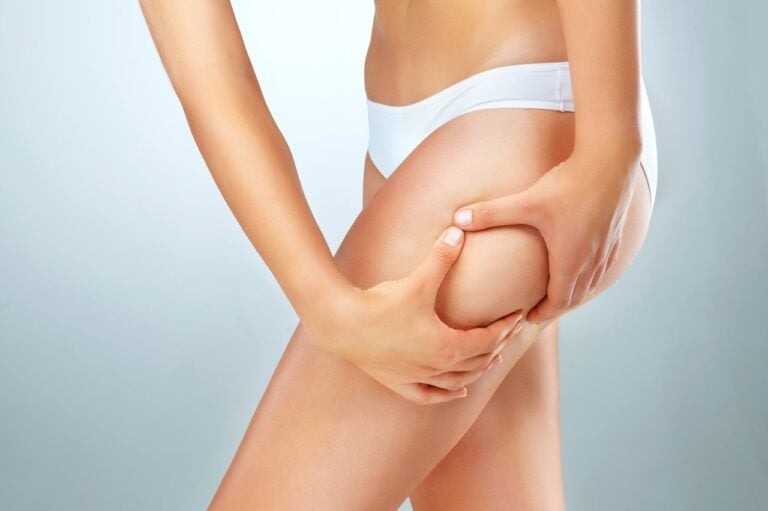
Key Components of Incision and Wound Care
Proper care of liposuction incisions protects your results and decreases the risk of infection. Our surgeon will provide personalized wound care instructions, which you should follow closely for your safety and comfort. For patients who have undergone a horizontal thigh lift, maintaining the integrity of the incision within the groin crease is paramount to achieving a discreet and well-healed result.
Steps for Managing Incisions
- Keep Incisions Clean: Gently wash the area with mild soap and water once cleared to do so. Avoid scrubbing or applying pressure.
- Monitor for Signs of Infection: Watch for redness, warmth, sudden swelling, or discharge from the incision. Reach out to our office promptly if these symptoms appear.
- Pat Dry After Cleaning: After washing, use a clean towel to gently pat the area dry. Do not rub the wound.
- Avoid Lotions or Creams on Wounds: Unless our doctor directs you, keep products away from the healing incision.
- Protect from Friction: Carefully dress and move to reduce rubbing at the incision sites, as this lowers irritation.
- Do Not Remove Steri-Strips Prematurely: If tape or steri-strips cover the incisions, let them fall off naturally, unless the surgeon advises otherwise.
Consistent wound care enhances the healing process, supports your safety, and decreases the risk of delayed healing.
Compression Garments: Their Role and What to Expect
Compression garments play a vital role during recovery from thigh liposuction. Our surgeon will fit you with a medical-grade garment, and clear usage instructions will be provided.
Why Compression Garments Matter
The consistent, gentle pressure these garments apply helps to:
- Minimize swelling by preventing the buildup of excess fluid
- Support skin adherence over the new thigh contour
- Reduce discomfort by holding tissues stable
- Lower risk of complications such as fluid accumulation or irregular texture
How Long to Wear Compression Garments
Most patients need to wear their thigh garment continuously for at least two to three weeks. After this, daytime-only use is often sufficient based on your healing progress.
Maintaining the hygiene of the garment is also important. We suggest washing according to label directions and always putting on a clean garment after bathing.
Failing to wear compression as directed may increase swelling and interfere with achieving an even, smooth result.
Activity and Mobility Guidelines During Recovery
Returning to regular daily activities is an exciting milestone. Following safe movement guidelines supports healing and preserves your liposuction results.
Activity Timeline After Thigh Liposuction
The timeline below summarizes general activity guidelines for most thigh liposuction patients.
- First Few Days: Focus on rest, short walks at home, and gentle leg movements to support blood flow.
- End of First Week: Gradually increase walking and resume easy, low-stress household tasks as tolerated.
- Two to Four Weeks: Light exercise, such as slow treadmill walking or stationary cycling, may be possible, with clearance from our surgeon.
- Four Weeks and Beyond: Return to full exercise, including running or weight training, if cleared by the surgical team and all incisions have healed.
Many patients find these milestones reassuring, as they offer structure and allow for progressive improvement in comfort, energy, and mobility.
Common Side Effects and Their Management
Thigh liposuction recovery can involve various side effects. Knowing which effects are temporary and how to handle them offers peace of mind.
Swelling, Bruising, and Discomfort
As discussed above, swelling and bruising are normal. These symptoms reach their peak within the first week and then usually lessen. Over-the-counter pain relievers or prescribed medications ease discomfort in the early days.
Wearing your compression garment as directed further limits these effects. Gentle stretching and walking also help to improve circulation and reduce stiffness.
Numbness, Tenderness, and Itching
Some patients notice patchy numbness or tingling due to minor nerve irritation. These sensations fade as nerves regenerate, often improving within weeks or months.
Tenderness along the surgical sites can persist for a few weeks. If itching develops as incisions heal, gently patting or applying an ice pack atop the garment can provide relief. Always avoid scratching incision sites.
Managing Emotional Ups and Downs
It is normal for some patients to experience mood changes or impatience during recovery. Support from friends, family, or our team at the office can make this period more manageable.
If persistent anxiety or sadness occurs, consider discussing these feelings with your doctor, as recovery places many physical and emotional demands on patients.
Factors That Influence Recovery Speed
Your personal healing rate is affected by several factors. Being aware of these influences helps align expectations and allows you to take steps to maximize a smooth recovery.
The Role of Age and Health
Younger individuals and those in good overall health typically heal faster. Underlying chronic conditions, such as diabetes, may slow healing and increase the risk of complications.
Extent of Liposuction and Surgical Technique
Patients who receive more extensive liposuction or multiple areas treated at once will likely experience a longer recovery. The technology used, such as power- or laser-assisted liposuction, can impact swelling and bruising patterns. Additionally, if your procedure was combined with a mini thigh lift to address skin laxity in the upper groin area, your recovery will involve specific incision care tailored to that surgical site.
Lifestyle Habits Before and After Surgery
Healthy habits like staying well-hydrated, eating nutrient-rich foods, and avoiding smoking or excessive alcohol contribute positively to recovery.
Following all post-op instructions exactly as our surgeon outlines further improves healing outcomes.

Potential Risks During Recovery and When to Call the Office
While complications are not common, understanding the warning signs enhances your ability to respond if problems arise.
Key Risks During Recovery
- Infection: Includes deep redness, warmth, pus, or fever.
- Fluid Collections (Seroma): Swelling may persist, and a soft bulge may develop.
- Persistent Pain: Severe discomfort that does not improve with rest or medication.
- Blood Clots: Symptoms can include leg pain, swelling, or sudden shortness of breath.
If any of these issues develop, contact the office without delay.
Staying alert for these symptoms empowers you to seek help early and prevent small issues from becoming larger problems.
Enjoying and Maintaining Your Results
After the initial recovery, most patients at our practice begin to appreciate smoother, more balanced thigh contours. Committing to ongoing self-care protects these changes.
Maintaining Results With Healthy Habits
A balanced diet, routine exercise, and stable body weight are critical. Thigh liposuction permanently removes fat cells, yet future weight gain may affect non-treated areas.
Scar Care and Skin Health
Incision scars evolve over time. Applying sunscreen once healing is complete, massaging the area gently, and using topical silicone (if recommended) can help soften and fade scars over several months.
Consistent self-care and communication with our office will help ensure your thighs look and feel their best. Following these guidelines ensures a smooth thigh lift recovery, allowing the skin to contract properly over your newly sculpted contours for a refined final appearance.
Realistic Timeline for Seeing Final Results
Patients often ask when to expect to see the true benefits of thigh liposuction. While early improvements can appear within weeks, optimal final results take longer.
Key Milestones to Expect
- 2 Weeks After Surgery: Noticeable reduction in swelling and bruise color intensity.
- 1 Month Post-Op: Thighs look slimmer, but residual swelling can persist.
- 3 to 6 Months: Most swelling resolves, and skin contracts to reveal the final shape and contour.
Allowing your body time to heal fully and following instructions from our medical team ensures you see the most refined result possible.
Preparing for Your Recovery at Home
Planning a comfortable recovery environment sets you up for an easier experience. The days after surgery require some adjustments to your living space and routine.
Tips for an Ideal Recovery Space
- Stock up on essential supplies: This includes healthy foods, water, prescribed medications, and wound care materials.
- Arrange your space for comfort: Keep extra pillows, loose clothing, and entertainment materials nearby.
- Create a support network: Ask family or friends to help with household chores or childcare during the first week.
Preparation supports your independence and comfort as you recover.
Safely Navigating the Recovery Process
Recovering from thigh liposuction represents an investment not just in your appearance, but in your overall well-being. At the New York Liposuction Center, our doctor is committed to helping you feel informed and comfortable at every stage.
Knowing what to expect after surgery empowers you to care for your body and support optimal healing. By following detailed post-operative instructions and taking advantage of our follow-up care, you will see your thighs transform and your confidence grow.
If you still have questions about thigh liposuction recovery or wish to schedule a personalized consultation, reach out to our NYC office today. Our team stands ready to guide you with expert knowledge and caring support as you move forward.