When stubborn fat accumulates and defies exercise or healthy eating, many turn to liposuction for help. At the New York Liposuction Center, we regularly speak with individuals who wonder how dramatically their bodies and weight might change after this procedure.
While liposuction promises noticeable sculpting, misconceptions linger about just how much actual weight you can expect to lose. By understanding what this treatment can (and cannot) achieve, you will walk into your consultation with clear goals and healthier expectations.
Let’s clear up the facts and outline exactly what goes into the weight loss after liposuction.
Key Takeaways
What Actually Happens During Liposuction
Liposuction is one of the most popular cosmetic surgical procedures. It does not simply melt away pounds. The focus rests on permanently eliminating pockets of fat that do not disappear with lifestyle changes.
How the Procedure Removes Fat
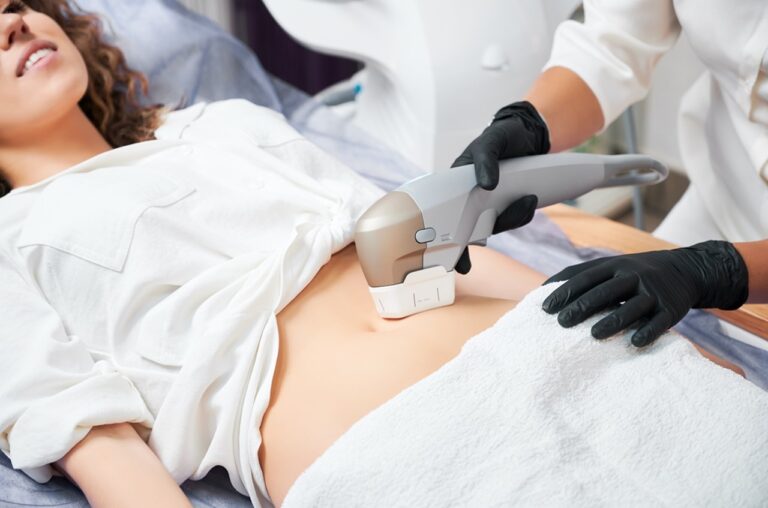
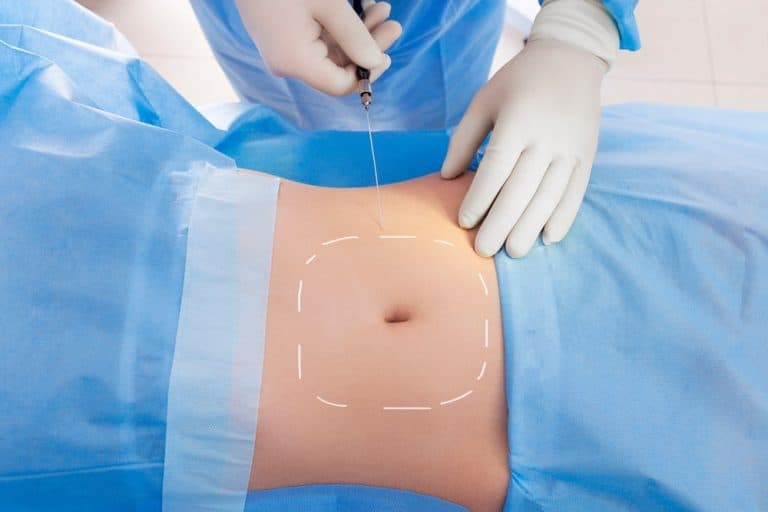
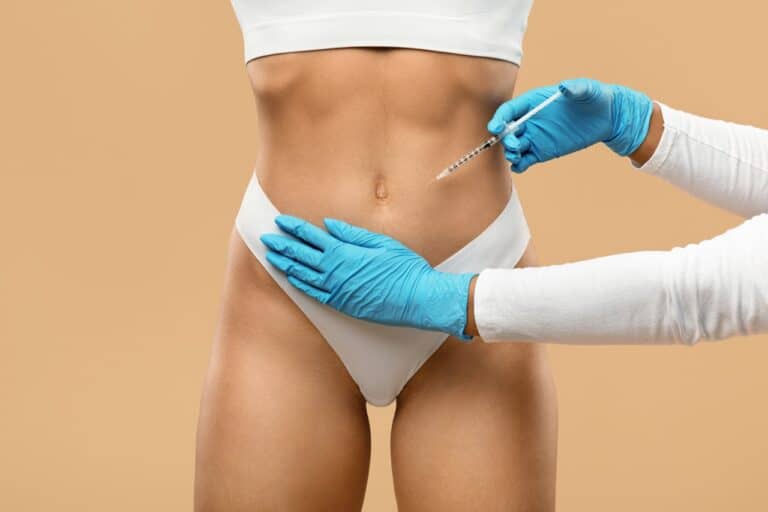
Depending on the liposuction methods used, our surgeon inserts a thin tube called a cannula through tiny incisions to disrupt and suction out fat from focused areas. Common targets include the abdomen, thighs, hips, back, arms, and chin.
General anesthesia or local anesthesia with sedation often helps patients remain comfortable. The entire surgery usually lasts one to three hours, depending on the number and size of the treatment areas.
The fat cells that our surgeon removes will not grow back. The treated areas should appear slimmer as the swelling subsides and skin tightens.
Immediate and Gradual Results
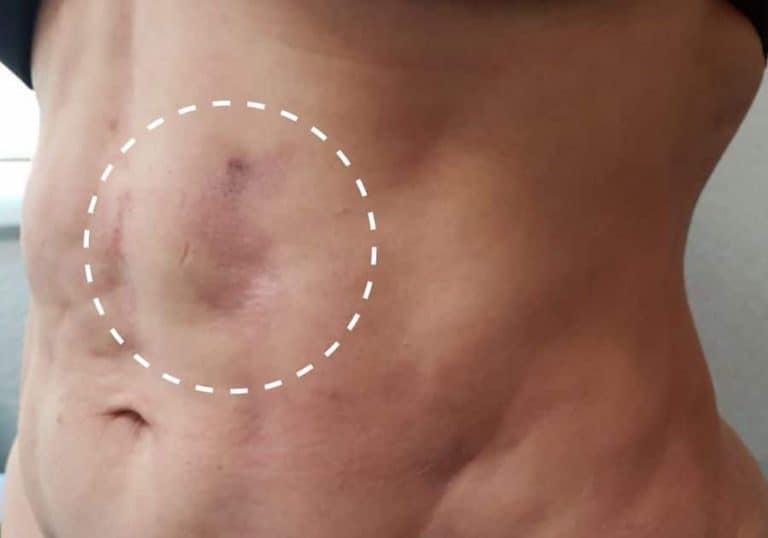
Initial results are often visible within days. However, swelling and bruising commonly obscure the complete effect until several weeks pass. Over two to three months, the sculpted areas continue to refine.
Your final shape becomes evident as the tissue settles. Only then can you see how much volume and contouring occurred.
The Reality of Weight Loss from Liposuction
Many people want to know if liposuction can be a shortcut to a lower number on the scale. The reality is more nuanced.
Why the Scale Does Not Move Much
While liposuction permanently removes fat cells, the weight of the removed fat is usually modest. Fat is less dense than muscle or water, so even moderate volumes do not weigh as much as many expect. For example, one liter of fat weighs about 2.2 pounds.
The number on the scale might drop only slightly, even as your waistline or thighs become smaller. This disconnect sometimes surprises patients who expect dramatic weight loss.
How Much Weight Will I Lose?
Most patients lose between 2 and 5 pounds of fat through typical liposuction. In some cases, when larger volumes are removed from multiple areas, the scale may show a loss of up to 8 to 10 pounds. However, these higher-volume procedures are rare, and doctors prioritize your safety over the numbers.
The true benefit lies in reducing inches and sculpting a new contour, not rapid weight reduction.
Limits on the Volume of Fat Removed
We abide by strict guidelines to ensure the health of every patient, including protocols for fat transfer safety. Removing too much fat during a single procedure increases the risk of complications, so the question of “how much” is always measured with your well-being in mind.
Maximum Fat Removal: What to Know
The American Society of Plastic Surgeons recommends that surgeons remove no more than 5 liters (about 11 pounds) of fat during one session. This limit helps minimize bleeding, fluid imbalances, and stress on your body.
For most patients, 5 liters would represent a substantial area of fat. Removing higher amounts may require splitting the treatment into stages or combining it with other weight management strategies.
Your personal maximum might be lower, depending on factors such as your overall health, current weight, or medical history.
What Happens If You Remove More?
Attempting to take out larger amounts of fat does not guarantee a better shape, and it increases the chances of excess sagging, contour irregularities, or serious medical issues. We always balance results with safety.
Factors That Influence Weight Loss Potential
Every individual gets a slightly different result because several important variables affect the outcome. Here is what influences your eventual weight loss and visible body change.
Your Body Size and Fat Distribution
Those with higher body fat percentages or larger treatment areas may notice a slightly greater reduction on the scale, but this still remains relatively moderate. People who have more concentrated fat in target zones also see more dramatic changes in those locations.
The Treated Areas Matter
Some regions of the body hold more fat than others, which affects weight loss.
- Abdomen and Flanks: These areas often make up the largest single volume for removal and therefore can contribute more to visible reduction.
- Thighs and Arms: Removal here may look dramatic in the mirror, but the amount of weight is less.
- Multiple Areas Combined: Treating more than one area during a session adds up to greater volume removed, but remains capped by safety limits.
Although our surgeon can address more than one area, the scale shift usually remains within a safe and reasonable range.
General Health and Age
Your health and skin elasticity play roles as well. Younger skin tends to retract and contour better, while thinner or looser skin might have a harder time adapting after larger volumes are removed.
Pre-existing conditions, such as diabetes or heart issues, may narrow your treatment options or cause our surgeon to use lower volume limits.
Liposuction Is Not a Substitute for Weight Loss
Some beliefs about liposuction persist when it comes to its role as a weight loss surgery. Setting realistic expectations helps ensure satisfaction after your procedure.
Ideal Candidates: Who Benefits Most
Those who see the most improvement share several traits:
- Near Target Weight: Individuals within 20 to 30 pounds of their goal weight tend to have optimal skin tone and shape outcomes.
- Stubborn Fat Areas: The presence of localized fat that does not respond to diet and exercise marks the best scenario for liposuction.
- Stable Weight: Maintaining a steady body weight before scheduling surgery ensures results last and remain natural-looking.
Liposuction does not replace healthy living, nor will it resolve health problems linked to obesity.
What Liposuction Cannot Do
Liposuction will not:
- Treat Obesity: The operation does not achieve large, medical-grade weight loss like bariatric procedures do.
- Address Deep Visceral Fat: It only removes fat located between skin and muscle, not the deeper fat around organs.
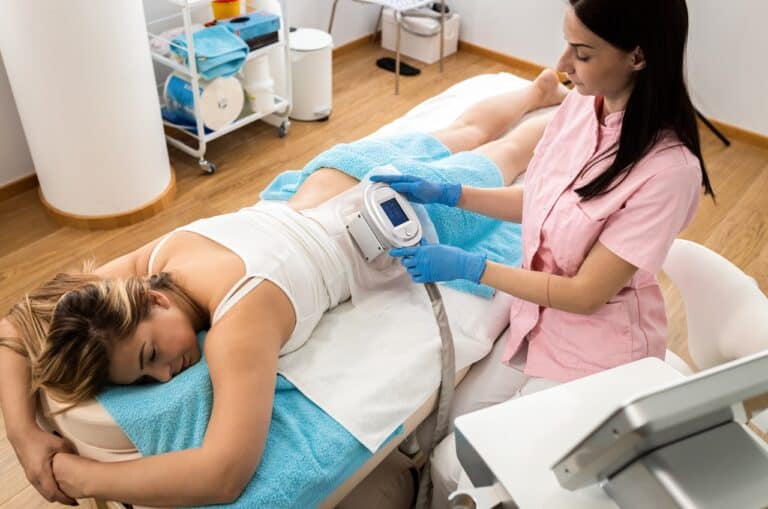
- Tighten Excess Skin: If you have significant skin laxity, you may benefit from liposuction paired with skin tightening, as additional procedures often work better for that specific concern.
Understanding these limitations helps lay the groundwork for informed, positive experiences with the treatment.
What Visible Body Changes to Expect
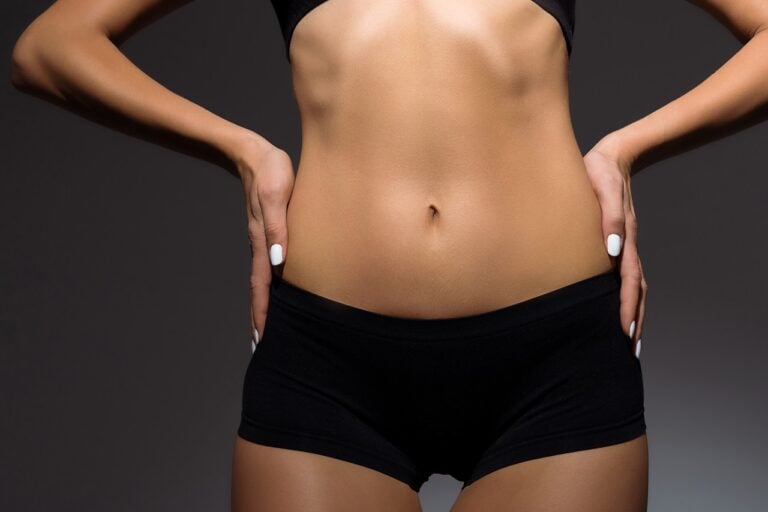
Although the weight loss is typically modest, the mirror often reveals a bigger change.
Typical Areas of Noticeable Contour Improvement
Many patients share stories of feeling much slimmer in certain clothing or describing a new silhouette that fits their frame more naturally. Regions most likely to showcase these results include the following:
- Waistline: The abdominal area frequently provides the most dramatic visible slimming, especially if “love handles” and lower belly fat have been stubborn.
- Outer Thighs (“Saddlebags”): This region can create a more balanced lower-body profile after treatment.
- Arms: Removal of fat along the upper arms can lead to better definition and proportionality.
- Chin and Neck: Even modest removal in these areas often causes the face to appear younger and more refined.
These changes are often noticed by both the patient and those around them, even if the scale stays nearly unchanged.
Clothing Fit and Confidence
Many people report that clothes fit more comfortably and that favorite items, such as jeans or dresses, look noticeably better. This improvement in fit often translates into greater satisfaction and motivation to keep up a healthy lifestyle.
Recovery and Its Impact on Weight Change
The fluctuation in your body’s water weight and mild swelling during recovery mean that the numbers on the scale can be misleading for several weeks.
What Happens to Your Weight After Surgery
After surgery, the body responds immediately with inflammation and some fluid retention as it heals. Many people actually notice that their weight stays the same or increases slightly right after liposuction because of this temporary reaction.
Over the first month, excess fluid and swelling gradually subside, and your true postoperative weight emerges. In many cases, it takes two to three months to appreciate the full effect, both in your appearance and in your actual weight.
Maintaining Your Results
To keep your new contours, long-term habits matter most. While liposuction permanently eliminates the removed fat cells, gaining significant weight after recovery can cause remaining fat cells to expand or stimulate the growth of new fat cells in untreated areas.
Understanding the relationship between lifestyle habits and liposuction surgery is key; a balanced diet and regular activity will reinforce your results and preserve the sculpted effect.
What Determines Your Best Result from Liposuction
We understand that every person’s treatment is uniquely their own. Several core elements shape how your body will respond to liposuction.
Key Factors That Guide Your Result
Here are several stand-out contributors that determine both visible and numerical changes:
- Surgeon Technique: Skillful fat removal creates natural curves and smooth transitions, which lead to a more proportional look.
- Amount of Fat Removed: Although limited for safety, the precise amount tailored to each area will affect your visible and measurable outcomes.
- Post-Surgical Care: Following recovery instructions and keeping up with aftercare visits keeps risks down and speeds visible improvement.
- Individual Biology: Skin elasticity, natural healing response, and genetics all play a role in how you look and feel afterward.
Discussing your specific needs with our team in advance maximizes the likelihood of achieving your body goals.
Frequently Asked Questions about Liposuction and Weight Loss
Patients often have additional questions once they begin to research liposuction as a body contouring option. We have addressed several of the most common questions below to help clarify your decision-making process.
Steps to Take Before and After Your Procedure
Deciding to pursue liposuction involves more than choosing the areas you want to treat. Preparation and recovery both play important roles in optimizing your outcome.
Before Liposuction
Arriving at a stable goal weight will give you better surgical outcomes. Our surgeon will ask about your medical history and may order lab work to make sure the procedure is safe for you.
You will need to stop smoking and adjust certain medications before surgery day. Clear communication with our team helps minimize risks and ensure you feel prepared.
After Liposuction
Expect to wear compression garments for several weeks to help shape your new contours and control swelling. Plan to limit strenuous activities for one to two weeks, but light movement helps prevent complications and speeds recovery.
Regular follow-up appointments will confirm your progress and allow our surgeon to address any concerns promptly.
Making an Informed Decision about Liposuction
If you have considered liposuction as a weight loss shortcut, now you know that the impact on the scale is modest. The best gains can be seen in inches lost and proportions reshaped. Our surgeon at the New York Liposuction Center specializes in creating personalized surgical plans that target your trouble spots with both precision and artistry.
Understanding your candidacy and communicating openly about your goals ensures the results match your vision. If you have specific goals or want an honest opinion about your candidacy, booking a consultation at our office can give you the answers and support you deserve.
Take the first step by reaching out to the New York Liposuction Center. We invite you to schedule your consultation so you can receive a customized assessment and begin the journey toward your best contour and confidence.