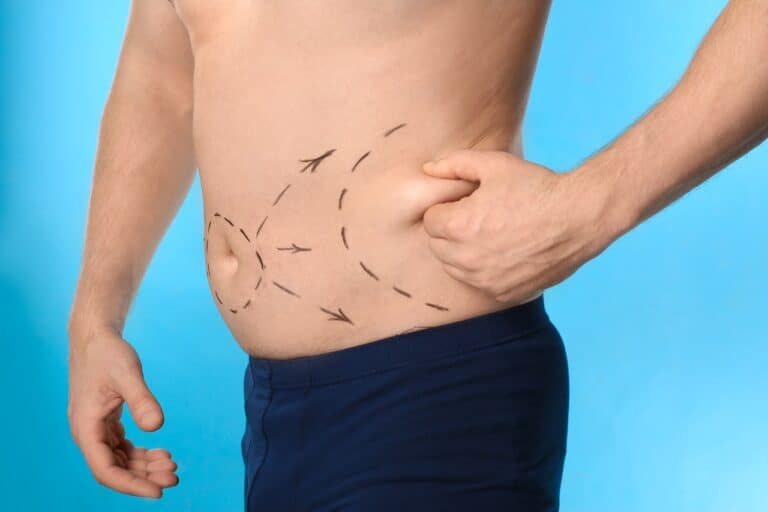
Balancing aesthetics and athletic performance raises important questions for anyone passionate about sports or fitness. We see more active individuals considering cosmetic procedures, with many seeking enhanced self-confidence while aiming to reach peak physical goals. At the New York Liposuction Center, our patients often wish to refine physical appearance without sacrificing their performance on the field, in the gym, or in daily life.
Deciding to pursue cosmetic surgery when you train or compete regularly deserves careful planning. Our surgeons work closely with those who live an active lifestyle, helping each patient balance the benefits of minimally invasive procedures with the demands of rigorous physical routines. In the following sections, we will share what matters most for athletes considering aesthetic change, from candidacy and risks to key procedures and long-term maintenance.
Key Takeaways
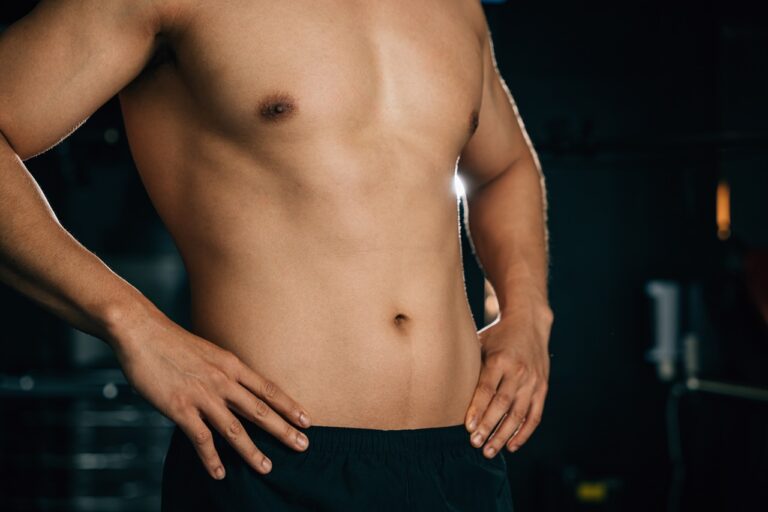
The Intersection of Aesthetic Procedures and Athletics
Aesthetic surgery and sports may seem unrelated, but in reality, they often overlap. Many athletes and fitness enthusiasts aim for both peak body function and pleasing appearance. However, the right balance requires thoughtful coordination so that neither goal daunts the other.
The Influence of Sports on Aesthetic Surgery Choices
Your sport and activity level influence what procedures make sense for your body.
For endurance athletes, a lightweight, agile frame often matters more than certain aesthetic features. In contrast, athletes in strength sports might prioritize muscle mass or specific proportional enhancements. The activities you favor can affect which aesthetic changes suit you best and how soon you can return to full participation after surgery.
Importance of Body Image for Athletes
Athletes tend to focus intensely on their physical appearance because their bodies represent their dedication and serve as their tools for competition. For some, even small changes provide a big confidence boost.
Cosmetic procedures can address areas of stubborn fat, excess skin, or other concerns that intense training alone does not resolve. However, each patient must consider not only the visual outcome but also how surgical changes could influence movement, flexibility, or energy levels essential for their sport.
Popular Aesthetic Procedures Among Athletes
Athletes gravitate toward specific procedures based on their unique needs. Below, we discuss several options that blend well with athletic goals while emphasizing safety and performance.
Liposuction
Liposuction stands as one of the most requested procedures for fit individuals. It targets localized fat deposits that often resist diet and exercise.
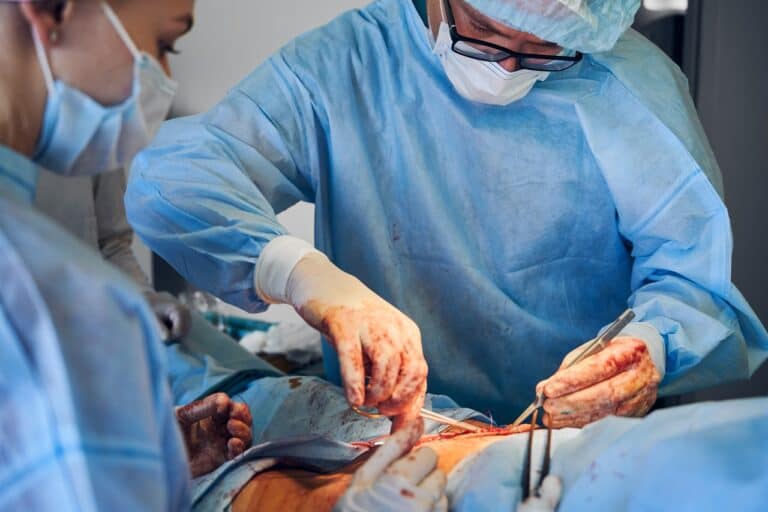
Our surgeon at the New York Liposuction Center can precisely sculpt troubled areas like the flanks, abdomen, or thighs. The results create a more defined silhouette, which many athletes find enhances their body confidence. Since liposuction does not affect muscle tissue, recovery can be fairly straightforward for those in good physical condition.
Gynecomastia Surgery
Male athletes sometimes seek gynecomastia surgery to address excess breast tissue. Sports such as swimming, wrestling, or bodybuilding highlight every part of the torso, so this concern may impact both self-image and comfort.
Surgical correction typically involves a brief downtime but requires a gradual reintroduction of upper-body activities. Our approach prioritizes minimal scarring and rapid recovery so that patients can return to training promptly.
Breast Procedures for Female Athletes
Some female athletes choose breast augmentation, reduction, or lifts to better match body goals or improve workout comfort. A reduced or balanced breast size can lessen back strain, chafing, or physical distraction during intense movement.
Since breast tissue and implants interact with muscle during running, jumping, or swinging motions, our team provides clear guidance on recovery and the best procedural options for each sport. Implant placement and size choices matter greatly for safety and outcome.
Skin Tightening and Scar Revision
As athletic bodies change with weight fluctuations or age, surgical scars or loose skin may become more noticeable, especially for swimsuit sports or fitness competitions. Skin tightening and scar revision procedures help address these concerns without lengthy downtime, although care must be taken during the healing phase.
Skin health also plays a vital role in long-term comfort, flexibility, and performance. Restoration of skin tone and texture can boost confidence in and out of competition.
Who Can Benefit From Combined Aesthetic and Athletic Goals
Not every athlete or fitness enthusiast qualifies for cosmetic procedures. A proper assessment helps determine if and when a procedure fits into athletic or competitive lives.
Physical Fitness and Health Status
Good general health and fitness offer several advantages, such as better healing and resilience during recovery. Athletes tend to have high cardiovascular capacity and strong musculoskeletal systems, which can support a smoother surgical experience.
However, extreme exercise, energy deficits, or overtraining can hinder wound healing or increase the risk of complications. Our surgeon will review your medical history, nutritional status, and any current injuries before recommending surgery.
Realistic Expectations
Athletes must approach cosmetic procedures with clear and realistic goals. Surgery can refine certain features, but it will not change baseline body composition or replace dedication to training.
Candid communication about your goals, both athletic and aesthetic, establishes realistic outcomes. Our team will help you understand the balance of potential gains and any limitations related to your specific sport.
Consideration of Competition Schedule
Timing surgery around a training cycle or sports season is crucial. Procedures that involve downtime or restricted movement should not overlap with key competitions or tryouts.
Planning a procedure during the off-season allows the body enough time to heal fully. This approach minimizes interruptions to training and ensures a safer and more satisfying outcome.
Potential Impacts on Athletic Performance
Making the decision to pursue aesthetic surgery while actively engaged in sports requires a thorough understanding of the possible effects on athletic performance. Athletes and fitness enthusiasts need to approach changes thoughtfully to avoid setbacks.
Temporary Limitations During Recovery
Every surgery comes with a period of reduced activity, ranging from several days to weeks. For athletes, even brief breaks from regular training may lead to a dip in conditioning or delayed skill development.
Tissue healing, inflammation, or discomfort might limit the range of motion or strength, particularly in the immediate weeks following the procedure. While motivated individuals often regain form quickly, patience and adherence to medical guidelines are critical for long-term success.
Long-Term Effects and Performance Outcomes
Most aesthetic procedures, once healed, do not negatively impact athletic ability. In fact, resolving issues such as gynecomastia or excess skin may provide greater freedom of movement and improved confidence.
Some surgeries, such as breast augmentation in weightlifters or rotational athletes, call for specific implant choices or placement to avoid muscle interference. Detailed pre-surgical planning with your provider preserves both form and function.
Psychological Effects and Body Image
Feeling satisfied with your appearance can have a significant positive effect on performance and motivation. Improved body image often translates into a more determined and confident competitive mindset.
However, it is important to approach surgery for internal reasons rather than outside pressures. Self-driven motivations combined with a sensible outlook produce the most consistent results.
Recovery: The Key to Successful Outcomes
Adhering to recovery protocols separates truly successful cases from those that fall short of athletic and aesthetic goals. Recovery is as vital as surgery itself.
Stages of Post-Procedure Activity
Recovery proceeds in phases, each with its unique requirements. Patients should anticipate a gradual reintroduction to their normal routine.
Immediate Post-Operative Phase
During the initial days, rest and wound care matter most. Our practice will guide you on the safe management of dressings and pain control.
Early Mobilization
Soon after, light walking or non-impact movement usually supports circulation and decreases the risk of complications. However, strenuous training remains prohibited until healing advances.
Gradual Return to Full Activity
Once wounds have sealed and swelling subsides, a tailored re-entry plan allows you to build back stamina and power. Our team monitors strength, mobility, and comfort to prevent setbacks during this stage.
Tips for a Safe and Efficient Recovery
Navigating the post-surgical period requires strategy. We have found that the following steps support both healing and long-term performance:
- Open Communication: Notify our office of any concerns, unusual pain, or persistent swelling after surgery. Early intervention minimizes complications.
- Follow Care Instructions: Adhering to rest, medication, and wound care routines ensures smoother healing, so never skip these essential steps.
- Hydration and Nutrition: Maintain good hydration and a well-balanced diet rich in protein to optimize tissue repair.
- Supplemental Physical Therapy: Many athletes benefit from directed therapy or rehab to quickly regain mobility and strength while protecting surgical results.
Returning to sport too soon can compromise not only surgical results but also athletic achievements. It pays to plan and progress thoughtfully.
Strategies to Safeguard Both Aesthetic and Athletic Goals
Balancing appearance enhancements with ambitious sports pursuits means targeting both short- and long-term success. Patients can protect their goals by taking several practical steps.
Planning a Procedure Around Competition and Training
Careful scheduling is crucial when combining elective surgery with a sports timetable. Mapping out the calendar with help from a provider leaves ample room for recovery and reduces anxiety about missed events.
During initial consultations, share upcoming competitions, vacations, or training milestones. This information helps create a surgical plan that fits seamlessly into your athletic calendar.
Setting Priorities and Staying Flexible
Decide which goals hold higher priority at different times. Sometimes, peak performance takes precedence, while in other periods, body confidence may come first. Circumstances change, so staying adaptable provides you with the best of both worlds.
Empowerment Through Education
Knowledge grants you greater control and reduces stress throughout the process. Our consultation process at the New York Liposuction Center ensures that patients thoroughly understand the risks, benefits, and expectations associated with their procedure.
Common Risks and Mitigation
While surgery is generally safe for healthy athletes, risks such as infection, poor wound healing, and temporary nerve changes always exist. Identifying warning signs early and relying on experienced surgeons with athletic patient backgrounds reduces these possibilities.

Myths and Facts About Aesthetic Procedures for Athletes
Purposeful myths abound regarding surgery and sports. Setting the record straight supports informed choices.
Common Myths
- Myth: Athletes cannot get cosmetic surgery without losing form. With proper timing and planning, athletes can enjoy both improved appearance and sustained performance.
- Myth: Scarring will always stand out. Advances in technique minimize visible scars, especially when procedures target discreet areas.
- Myth: All implants impair movement. Modern materials and placements allow most athletes to move naturally and return to sport.
Useful Facts
- Fact: Recovery time frames can vary significantly. Genetics, health status, and specific procedure type all influence how quickly you may return to training.
- Fact: Pre-surgical preparation speeds up results. Entering surgery well-rested and at optimal fitness gives you an edge during recovery.
- Fact: Emotional health is as vital as physical health during recovery. Feeling prepared often makes the experience far less stressful.
Understanding these myths and facts prepares patients for sound, satisfying decisions regarding their bodies and goals.
The Role of Surgeon’s Expertise and Communication
Trust and communication with your surgeon matter greatly when combining high-level activity with body enhancement.
Choosing the Right Surgeon
Seek professionals with proven experience in aesthetic surgery for athletic patients. Our doctors take the time to learn each patient’s goals and sport-specific needs.
Building a Lasting Relationship
Open conversation does not end after surgery. Ongoing checkups, shared feedback, and mutual goal setting all contribute to sustained results in both appearance and performance.
In our New York City practice, we value lasting partnerships that reflect our commitment to holistic health and patient satisfaction.
Safeguarding Aesthetic and Athletic Ambitions Together
Balancing the drive for body confidence with the relentless pursuit of athletic success requires a thoughtful approach. Our team at the New York Liposuction Center helps patients achieve both goals by creating surgical plans tailored to the unique demands of active lives.
Careful consultation, open communication, and ongoing support form the backbone of our approach. Whether you aim to address a long-standing concern, prepare for a fitness competition, or simply explore your options, we welcome the opportunity to guide you through this important decision.
If you wish to take the next step toward feeling both powerful and self-assured in your body, we invite you to contact the New York Liposuction Center. Schedule a consultation to discuss your vision, and let us help you map out a safe, effective path toward your personal best.