Liposuction offers a powerful way to reshape body areas with stubborn fat, and many patients come to the New York Liposuction Center with questions about what types of fat liposuction can target. For those who want to slim their waist, understanding how liposuction works can help you set clear and realistic goals for your body contour.
Some patients ask if liposuction can remove deeper, internal belly fat known as visceral fat, especially when health is a concern. To help you make the best decision for your health and appearance, let us walk you through everything you need to know about visceral fat, how liposuction works, and what options exist if you want to target more than just the fat you see under the skin.
Key Takeaways

How Liposuction Removes Fat
The basics of liposuction focus on the removal of visible, “pinchable” fat from targeted areas. Our surgical team at the New York Liposuction Center uses specialized instruments to improve your body’s contour.
What Happens During Liposuction
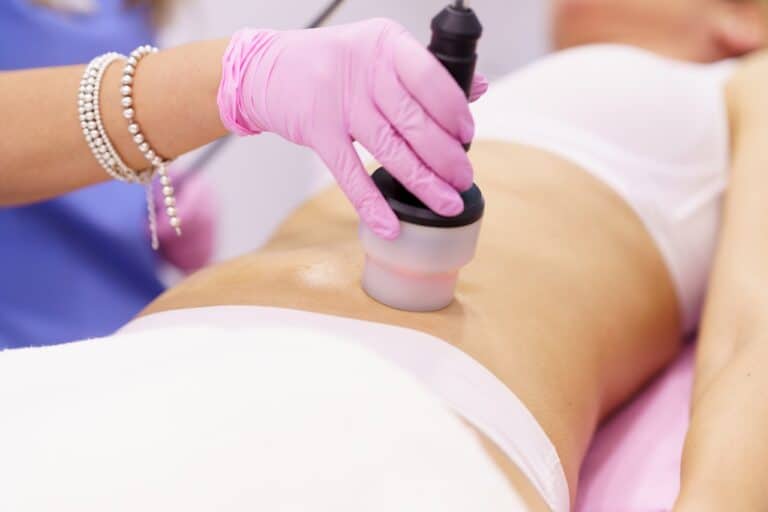
During a standard liposuction procedure, you first receive anesthesia to keep you comfortable. Our surgeon then makes tiny incisions near your chosen treatment area. A thin, hollow tube (called a cannula) enters through the incision to loosen and suction out subcutaneous fat.
In most cases, the goal is not drastic weight loss after liposuction, but rather the sculpting of the treated region. Our team tailors the amount and location of fat removal for your unique body, helping create balanced, natural-looking results.
What Is Subcutaneous Fat?
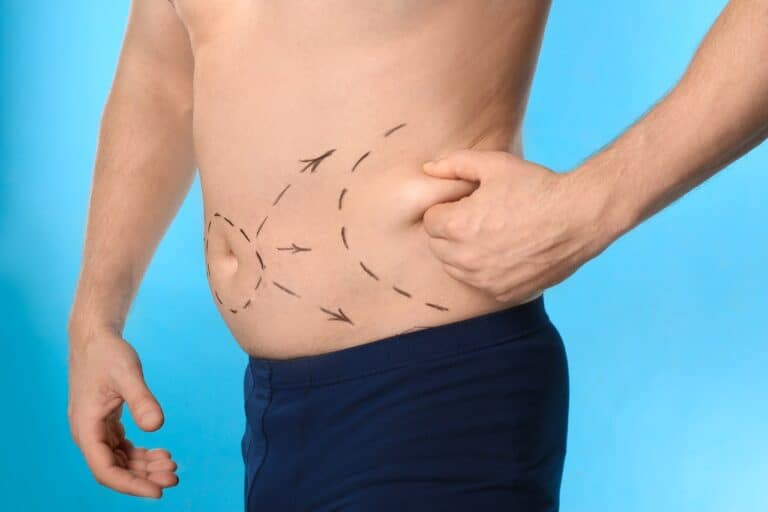
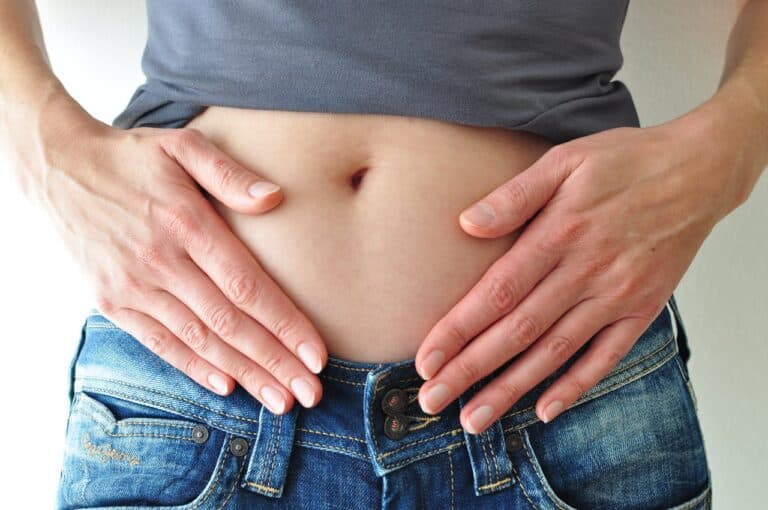
Subcutaneous fat lies directly underneath your skin. This is the fat you can squeeze or “pinch” between your fingers on your abdomen, thighs, arms, or hips. This fat responds well to suction through a cannula because of its location. Subcutaneous fat accounts for the majority of visible body shape differences, so targeting it gives the most noticeable contour improvements.
How Does Liposuction Change Your Shape?
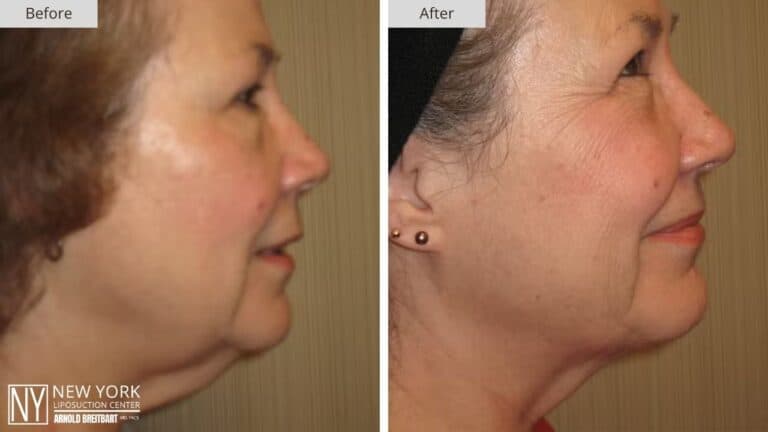
Liposuction refines your figure by removing pockets of excess subcutaneous fat. Results show up best in areas with good skin elasticity, such as the abdomen, flanks, thighs, and arms. Many patients see a slimmer, smoother body line where fat accumulations once stood out.
Our doctor advises patients that removing subcutaneous fat can add up to several inches in lost circumference, but will not reduce internal or visceral fat. This is an important distinction for setting your expectations.
What Is Visceral Fat?
Not all body fat sits right under your skin. Some fat in your body hides deeper within the abdomen, covering and protecting organs such as your intestines, liver, and pancreas.
Defining Visceral Fat
Visceral fat is internal fat that sits inside your abdominal cavity. Unlike subcutaneous fat, you cannot grab it or see it from outside. This fat wraps around your internal organs and protects them, but too much can raise serious health concerns.
High levels of visceral fat are linked to conditions such as diabetes, heart disease, and high blood pressure. While some visceral fat plays a necessary role, the body creates excess when you have calorie surpluses or certain genetic factors.
How to Recognize Visceral Fat
You may notice a larger, firmer belly or a “hard” abdomen if you have higher amounts of visceral fat. Weight around the middle that feels solid and does not pinch between your fingers often comes from this deeper layer. Measuring your waist circumference and knowing your general health history can help our surgeon determine if visceral fat is a concern for you.
Why Visceral Fat Matters
Excess visceral fat often signals a need for lifestyle habits that focus on health rather than appearance alone. Reducing this internal fat lowers your risk for future health problems and can also lead to longer-lasting energy and better well-being. Liposuction will not address visceral fat, so you may need a different strategy if this is your top priority.
Differences Between Subcutaneous and Visceral Fat
You may wonder how subcutaneous fat and visceral fat differ in structure, function, and risk. To understand what liposuction can and cannot achieve, it helps to know these distinctions.
Structural Differences
Subcutaneous fat makes up the soft layer just beneath your skin’s surface. This type cushions your body, stores energy, and helps regulate temperature.
Visceral fat stays hidden within your abdomen, wrapping between organs. You cannot directly feel this fat, as it sits behind the abdominal muscles.
Health Risks
Subcutaneous fat rarely leads to health concerns on its own unless present in very large amounts. Most of the time, it affects how your clothing fits and your physical silhouette.
Visceral fat increases inflammation in your body, and excess amounts raise your risk for type 2 diabetes, heart attacks, strokes, and some cancers. Even if you look slim, carrying too much internal fat can affect your health outcomes.
Liposuction’s Scope
One of the main liposuction pros is that it is highly effective on subcutaneous fat, though it cannot reach the deeper pockets of visceral fat. This means that if your main concern is metabolic health or internal organ fat, you will need to focus on other strategies.
Why Liposuction Cannot Remove Visceral Fat
Patients sometimes ask if new liposuction techniques can reach visceral fat. The answer comes down to safety and anatomy.
Technical Limitations of Liposuction
Liposuction uses a cannula (a slender tube) to suction out fat located between the skin and the muscle layer. Visceral fat, however, sits behind the muscle wall and wraps around vital organs. This makes it physically impossible for the cannula to reach or remove this type of fat without opening the abdominal cavity entirely, which is a major and dangerous surgery.
Safety Concerns
Surgeons avoid the removal of visceral fat because it carries high risks of damaging organs, causing severe bleeding, and causing life-threatening infections. No current cosmetic surgical method safely removes visceral fat. Even in rare cases where surgeons perform open abdominal surgery for health reasons, removing visceral fat directly is not a common practice.
No “Internal Liposuction” Option
Despite advances in surgical tools and devices, no FDA-approved method exists for targeting visceral fat using lasers, ultrasound, or other energy-based techniques. All contouring procedures focus on the fat you can see and feel just beneath your skin.
How to Address Visceral Fat Safely
You may need a different action plan if your goal centers on improving internal health because liposuction cannot remove visceral fat.
Top Strategies for Reducing Visceral Fat
Several key steps can help you lower visceral fat levels over time. You do not need to rely on surgery to address this type of fat.
- Eat a balanced diet: Focus on whole foods, plenty of fruits and vegetables, lean proteins, and healthy fats to lower calorie intake and inflammation.
- Exercise regularly: Aim for at least 150 minutes each week of moderate aerobic activity combined with resistance training to help decrease internal belly fat.
- Watch your stress: Chronic stress can increase visceral fat, so build in ways to relax, meditate, or enjoy your hobbies.
- Get enough sleep: Seven to eight hours of restorative sleep each night supports hormone health and reduces fat storage.
- Limit alcohol: Cutting down on alcohol lowers your intake of empty calories and reduces stress on your liver, which in turn can help shrink your waistline.
By following these healthy habits, you will create sustainable change in the fat surrounding your organs. Our doctor can also connect you with resources for weight management if you want added support.
When to See a Physician
Some patients need more than lifestyle adjustments to manage their body fat. If you have an underlying medical condition, hormonal imbalance, or significant obesity, a primary care physician or endocrinologist can customize your plan. They may suggest medical therapies, advanced dietary approaches, or monitoring to target internal health.
Our team at the New York Liposuction Center can collaborate with your physicians and offer support if surgery forms part of your overall goals.
Benefits and Drawbacks of Liposuction for Abdominal Fat
Liposuction achieves dramatic and lasting improvements in shape for those with localized fatty deposits, but results depend on the exact type of fat present.
Benefits of Abdominal Liposuction
- Almost instant visual improvement: After swelling subsides, you notice a smoother, slimmer appearance in treated spots, improving the fit of clothing.
- Permanent removal of targeted fat cells: The fat cells removed do not return, although new fat can develop if you regain weight.
- Customizable to your needs: You can treat small, stubborn areas or larger “love handles” based on your unique goals.
Each of these benefits applies only to subcutaneous fat on your abdomen.
Drawbacks and Limitations
Abdominal liposuction will not treat visceral fat. Patients sometimes feel disappointed if their stomach size changes less than expected because the interior fat remains. The procedure also carries standard surgical risks, including temporary discomfort, swelling, bruising, and a rare chance of infection or contour irregularity.
Setting clear goals and focusing on the type of fat present helps you prepare for the outcomes you want.
What to Expect Before and After Liposuction
If you decide to move forward with liposuction, we make sure you enter the process with full information.
Preparing for Liposuction
Before surgery, our team meets with you to take a detailed health history, examine your body, and discuss your main concerns. If you carry significant visceral fat, we may recommend lifestyle or weight loss work first to improve both your results and your overall health. You should plan to stay close to your goal weight for at least a few months before booking your procedure.
The Recovery Timeline
After your procedure, you can expect some swelling, bruising, and mild pain for a few days. Most patients return to work and daily activities within three to seven days, although full healing takes a few weeks. Wearing a compression garment, as our team instructs, helps reduce swelling and supports your new body shape.
You will notice changes in treated areas once swelling improves. Your final results develop over three to six months, as your body settles and skin adjusts to the new contour.
Liposuction and Your Long-Term Health
Even though liposuction removes unwanted subcutaneous fat, it does not protect you from future weight gain or the buildup of new fat in other areas. Adopting lifelong healthy habits helps preserve your results.
Key Points to Maintain Your Results
- Continue healthy eating: Balanced meals prevent unnecessary calorie surpluses.
- Stay active: Regular exercise preserves muscle, encourages fat loss, and keeps your metabolism strong.
- Monitor your weight: Check your weight and waist size regularly to stay on track.
- Schedule follow-ups: Visiting our office helps us support you and address any new body concerns as they develop.
By focusing on your lifestyle, you protect both your health and your new look for years to come.
Choosing Liposuction for the Right Reasons
Liposuction provides transformative effects for individuals with excess subcutaneous fat who desire a smoother, trimmer shape. However, it is essential to set your expectations based on the type of fat you wish to remove.
If your main concern is health-related and involves visceral fat, you will need to rely on medical, dietary, and physical activity strategies to reach your goals. When considering liposuction with health in mind, our team always approaches your care with honesty and full transparency, helping you choose the safest, most effective path forward.
Common Questions About Liposuction and Visceral Fat
Patients often come to us with a range of questions. If you are unsure whether liposuction suits your needs, review these quick answers to the most common topics.
Moving Toward a Healthier Body and a Slimmer Silhouette
Improving your body’s contours and your overall well-being starts with understanding the role different fat types play in both health and appearance. At the New York Liposuction Center, we help you sort out the facts, so you have everything you need to achieve your best results.
Liposuction works beautifully for the “pinchable” fat you see under your skin and allows us to sculpt a slimmer shape that fits your lifestyle. Reducing visceral fat involves a holistic approach that includes nutrition, exercise, and preventive care.
If you have questions about your candidacy for liposuction, which type of fat you carry, or how to plan for the healthiest version of yourself, reach out to our practice today. Our surgeon will guide you every step of the way and design a personalized plan for both your confidence and your health.