At the New York Liposuction Center, people often ask whether liposuction can do more than simply refine body shape. Many want to know if this popular cosmetic procedure brings real health benefits beyond cosmetic change.
Our surgeon answers this question every day, especially as more patients look for both appearance and wellness improvements. This article takes an honest look at the science, the process, and what you can expect if you hope liposuction will enhance your health. You will learn who qualifies, what to consider, and how the results may affect your medical well-being moving forward.
Key Takeaways
Liposuction and Health
Before considering health improvements, it is important to know how liposuction works and what it does in the body.
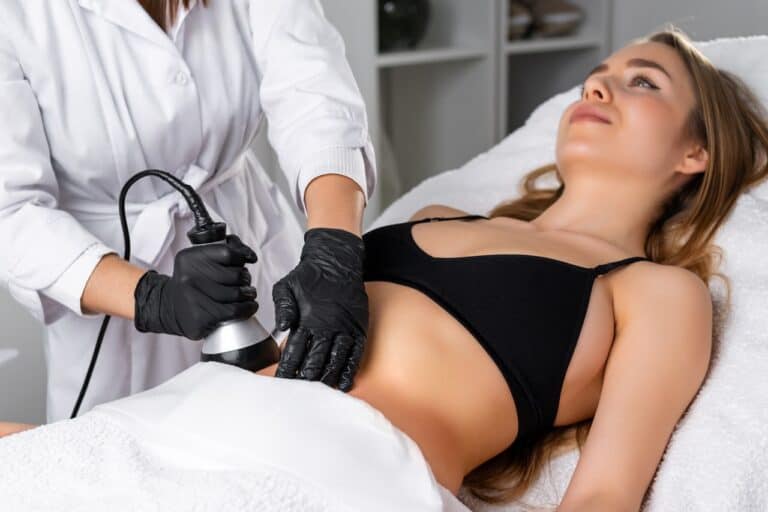
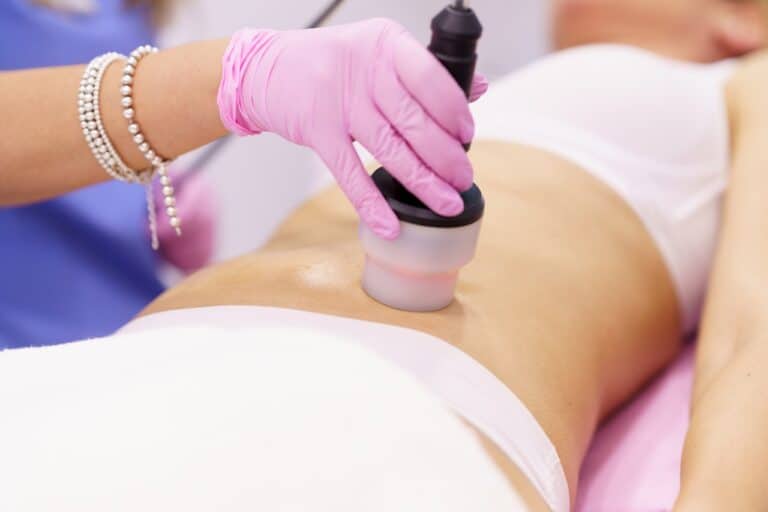
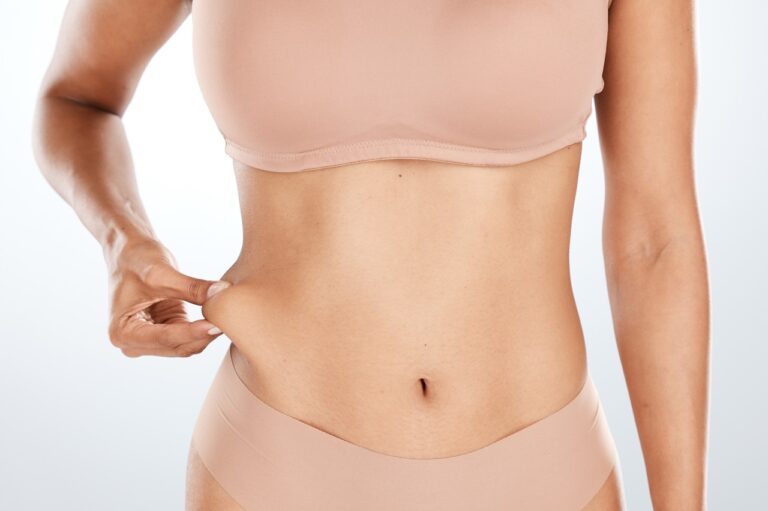
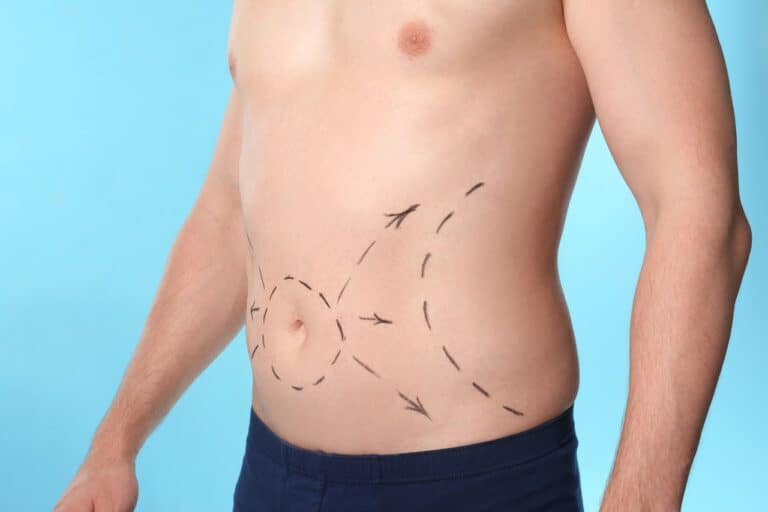
Liposuction uses a thin tube, called a cannula, which our surgeon inserts through tiny incisions in the skin. A suction device attached to the cannula then draws out subcutaneous fat from stubborn areas such as the abdomen, thighs, arms, or neck.
Liposuction targets only specific pockets of fat beneath the skin. This means visceral fat, which surrounds organs and directly affects health risks, remains largely unchanged by the procedure. For this reason, doctors do not recommend liposuction as a primary method for reducing risks associated with obesity or serious metabolic disorders.
The Types of Fat Affected
Two main types of fat live in the body, and knowing the difference helps explain what liposuction can and cannot do:
- Subcutaneous fat: This soft fat sits just under the skin and creates bulges that patients see in “problem areas.” Liposuction directly removes this fat.
- Visceral fat: This deeper fat wraps around abdominal organs. Doctors link it closely with type 2 diabetes, high blood pressure, and heart disease. Liposuction cannot remove visceral fat.
Most health risks from obesity tie back to visceral fat, not subcutaneous fat. Liposuction only targets the visible, pinchable fat beneath the skin, so its effects on chronic disease risk may be modest.
Fat Cell Removal and Regrowth
Liposuction physically removes fat cells from treated areas. Once gone, these fat cells do not regenerate in the exact spot. However, if a person gains significant weight after the procedure, fat can distribute to untreated body areas, or remaining cells can enlarge.
This process makes it vital that patients adopt stable eating habits and physical activity after surgery if they hope to maximize any health gain.
Who Is a Good Candidate for Liposuction with Health in Mind?
Liposuction candidacy is selective, and patients seeking health improvements must understand that liposuction is not a solution to manage health risks. At our New York office, we perform a careful evaluation before agreeing to operate.
Candidacy Criteria
Our doctor looks for certain qualifications before moving ahead with the procedure. Patients most likely to benefit from liposuction in a health-related way typically:
- Are within 30 percent of their ideal body weight
- Have firm, elastic skin and good muscle tone
- Do not have serious heart disease, uncontrolled diabetes, or bleeding disorders
- Struggle with localized fat resistant to exercise and diet
- Maintain realistic goals for both appearance and wellness
Those who carry significant visceral fat or whose weight fluctuates dramatically may not achieve health improvements through liposuction.
Assessing Your Medical History
A full health assessment helps our surgical team rule out conditions that could make surgery unsafe or decrease the likelihood of benefit. This includes a review of your medications, allergies, family health history, and recent lab work. Sometimes, additional consultations with your primary care doctor are necessary.
If you have conditions like type 2 diabetes, high cholesterol, or hypertension, plan to discuss expectations openly. Our surgeon will clarify which, if any, medical changes you might see based on your current health.
Potential Health Benefits of Liposuction
Some patients do see measurable changes in their health after liposuction. However, these improvements depend on many factors and do not substitute for larger lifestyle changes.
How Liposuction Might Affect Health Conditions
Evidence shows certain possible benefits after liposuction:
- Modest reductions in triglycerides: Some patients notice a drop in the fats that circulate in the blood, which can lower heart disease risk.
- Mild improvements in insulin sensitivity: A few research studies observed better blood sugar regulation, especially in those with mild prediabetes.
- Decreased blood pressure in some cases: Removing fat deposits sometimes leads to small drops in blood pressure, primarily if the patient already has hypertension.
It is crucial to note that the size of these changes tends to be small. Most doctors agree liposuction should not replace medical therapies or lifestyle efforts for serious chronic diseases.
Emotional and Lifestyle Improvements
Even when physical health numbers change only slightly, many patients discover a positive mood and body image shift. After removing bothersome fat, some people:
- Feel more comfortable exercising in public or wearing certain clothes
- Experience a boost in confidence, which feeds into motivation for further self-care
- Find it easier to maintain healthy routines as their bodies match their goals
These changes can sometimes spur better long-term habits, which build on themselves and encourage lasting health benefits.
Liposuction’s Role in Disease Prevention and Management
Patients often wonder whether liposuction can help prevent or manage serious illnesses linked to being overweight or obese. Our surgical team explains that this is a common question at the New York Liposuction Center and requires a detailed answer.
The Link Between Fat and Chronic Disease
Doctors link excessive fat accumulation with a host of metabolic disorders. These include type 2 diabetes, high cholesterol, hypertension, and a higher risk for some cancers. However, the greatest risk comes from visceral fat, not the subcutaneous fat targeted by liposuction.
Removing subcutaneous fat can lower the size of certain problem areas, but it does not change the number of deep fat cells in the abdomen. This means that any effects on chronic illness risk will be limited unless accompanied by a broader lifestyle change.
Conditions Liposuction May Help or Not Help
Here are a few examples of major conditions and whether our surgeon believes liposuction can improve them:
- Type 2 Diabetes: Liposuction alone rarely controls blood sugar. If you manage diabetes with diet, medicine, and weight control, you might notice slight improvements after removing subcutaneous fat, but you should not rely on surgery to manage this disease by itself.
- Heart Disease: Some patients achieve small drops in blood lipid levels, but liposuction does not remove artery-clogging fat or stop heart attacks. Long-term risk comes from visceral fat, cholesterol, and genetics.
- High Blood Pressure: A few people see a modest drop in blood pressure after surgery, particularly when they also lose general weight. Results are inconsistent, so you should not count on it as the primary strategy.
- Joint and Back Pain: Removing heavy fat deposits from thighs or abdomen can reduce strain on joints and ease pain for some patients, especially those with moderate overweight.
This list shows that while enhancements exist in certain areas, liposuction does not remove the underlying risks tied to serious illnesses by itself.
Common Misconceptions About Liposuction and Health
Even though liposuction is popular and widely performed, many myths about its health value persist. Some patients expect dramatic disease reversal, while others view it as a cure for obesity. Clear advice from our surgeons can prevent disappointment.
Liposuction Is Not a Substitute for Healthy Living
Surgeons at our office often meet patients with the belief that fat removal alone guarantees better health. In reality, the best results appear in those who:
- Already balanced nutritious eating and exercise before surgery
- View liposuction as a supplement to, not a replacement for, lasting lifestyle habits
- Understand that the body will regain fat if old habits return after the procedure
This means your own effort is the key driver for health, and cosmetic surgery serves as a tool rather than a magic fix.
Weight May Not Change Dramatically
One of the biggest surprises after liposuction is that the scale may not budge as much as you hoped. Fat is less dense than muscle, so its removal changes inches and contour more than weight. Our doctor reviews these facts in consultations so that patients set reasonable expectations regarding both their appearance and metabolic health.
Liposuction Does Not Treat Cellulite or Loose Skin
Patients sometimes expect liposuction to clear away cellulite or tighten sagging areas. However, liposuction only removes fat and does not address skin texture or elasticity. In fact, too much fat removal can worsen loose skin. If skin tightening or cellulite reduction interests you, our surgical team might recommend combining procedures or discussing different treatments.
Risks, Limitations, and Side Effects of Liposuction
Every liposuction surgery carries risks and requires careful evaluation. Liposuction is very safe when performed by experienced doctors in accredited facilities like ours, but you must understand the possible drawbacks.
Surgical Risks and Medical Concerns
- Infection: As with any incision, your body faces an infection risk after surgery. Our doctors prescribe antibiotics and monitor recovery closely to reduce the risk.
- Blood Clots: Rare but serious, blood clots can develop in the legs or travel through the bloodstream. Patients with clotting disorders or major risk factors need more thorough evaluation.
- Changes in Sensation: Nerves near fat deposits can be affected. Temporary or rarely permanent changes to feeling in the skin sometimes occur after liposuction.
- Contour Irregularities: Uneven fat removal, skin dimpling, or over-removal in one area may result in an uneven appearance. This risk is present even in experienced hands and may need revision.
- Fluid Accumulation: Temporary pockets of fluid can collect under the skin and require draining in the office.
Our surgical team discusses these and other risks before surgery during a personalized consultation. Report any unexpected symptoms after your procedure so we can help you recover safely.
Limitations of Liposuction for Long-Term Health
Liposuction treats only a finite amount of fat per session. Removing larger amounts increases surgical risks and does not enhance health benefits. It is also important to remember:
- New fat can accumulate in untreated areas if you gain weight later
- The procedure does not alter metabolism, hunger cues, or genetics
- Lifestyle habits must stay in place to extend benefits over time
Patients who obsess over every detail of their appearance or hope for a complete wellness transformation may experience disappointment unless they understand these boundaries.
What to Expect During and After Recovery
Your post-surgery experience affects both appearance and possible health gains. Recovery from liposuction is typically shorter and less painful than many expect, but there are certain milestones you will go through.
Timeline and Follow-Up Steps
- Immediate Recovery: You will go home the same day in most cases. Compression garments help with swelling, and prescription pain relief keeps you comfortable.
- First Few Weeks: Bruising, swelling, and mild discomfort are normal. Most patients return to work and daily activities within days, but you must avoid strenuous exercise until cleared by our team.
- One to Three Months: Swelling continues to decrease, and your final contour takes shape. At this stage, resume or start heart-healthy exercise and focus on nutritious meals.
- Long-Term: Your aftercare path may include lab work, body composition measurement, and ongoing check-ins to monitor progress. Maintaining a stable weight is the main predictor of longer-term metabolic improvement.
If you experience redness, worsening pain, or signs of infection, call us at the office for prompt support.
Lifestyle Support After Liposuction
For patients who hope for health gains, these habits matter most after recovery:
- Eat balanced, portion-controlled meals and stay hydrated
- Aim for at least 150 minutes of moderate activity weekly
- Maintain a regular sleep schedule
- Manage stress with mindfulness, relaxation, or counseling if needed
- Keep regular medical follow-ups and blood work
Many find a renewed sense of discipline and motivation after surgery, which can lead to better self-care. Our team is happy to recommend local nutritionists, physical therapists, or trainers as needed so that your efforts support your results.
How Liposuction Fits into a Broader Wellness Plan
Liposuction offers only part of the picture when it comes to overall health. At our New York practice, we help patients set realistic health goals that reach beyond the operating table.
Setting Reasonable Goals
We encourage every patient to see liposuction as a step on their journey, not a solution to every health challenge. During your consultation, share what you hope to achieve. Our doctor will explain what the procedure can accomplish, what depends on long-term effort, and how to fit cosmetic improvements into your broader wellness plan.
Combining Liposuction with Other Health Efforts
Many choose to combine body contouring procedures with medical weight management, exercise programming, or support for quitting smoking and lowering cholesterol.
Your plan is unique to you. Our surgeon helps create a path that addresses both your cosmetic and medical needs for the best total outcome.

Choosing Liposuction for Health
Deciding whether liposuction provides real health advantages should be based on science, realistic goals, and open discussion with your care team. At the New York Liposuction Center, our goal is to guide you toward the safest and most satisfying outcome.
Liposuction may help some patients enjoy modest improvements in certain health markers, improved confidence, and better adherence to healthy routines. However, this procedure works best as a partner to, not a replacement for, a life-long commitment to diet, exercise, and regular medical care.
Every person’s journey is different, and we believe informed choice is the strongest foundation for your goals. If you want to learn more about how liposuction might fit your health and appearance plans, reach out to our New York Liposuction Center for a private consultation. Our knowledgeable team will give honest answers tailored to you, so you can take the next step confidently.