Liposuction offers a way to reduce stubborn fat pockets, and many patients feel more confident after the procedure. At the New York Liposuction Center, our surgical team hears many questions about long-term safety and lasting results.
While liposuction is usually safe, every surgery brings side effects and certain changes to your body. Being well-informed about what can happen over time helps you make smart choices for your health. In this guide, we explain the long-term side effects of liposuction so you know what to expect before and after surgery.
Key Takeaways

A Clear Guide to Liposuction as a Surgical Procedure
Liposuction removes localized fat deposits from areas such as the abdomen, thighs, arms, or chin. Our surgeon inserts a thin tube called a cannula through tiny incisions. The cannula suctions out fat to improve body shape and definition.
This procedure generally suits people near their goal weight who struggle with pockets of fat unresponsive to diet or exercise. Patients should remember that liposuction is not a weight-loss surgery, and it does not treat obesity or loose skin.
Many patients want to know what happens after liposuction recovery. While most side effects subside quickly, some issues last much longer or become permanent. Knowing these details helps you set realistic goals for your outcome.
Common Immediate Side Effects That May Become Long-Term Issues
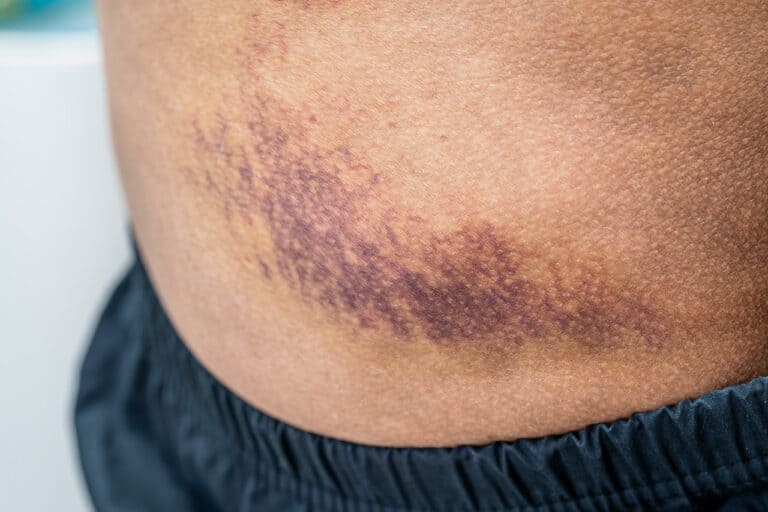
Most patients expect bruising, swelling, and soreness right after liposuction. These short-term effects usually resolve within weeks. However, some initial side effects can extend for months or become lasting concerns.
Persistent Numbness or Tingling
Some patients notice numb spots or tingling in treated areas after liposuction surgery. This often happens because of disruption to small nerves during fat removal.
Recovery usually brings back normal feelings within several weeks or months. In certain cases, though, numbness or tenderness remains. Permanent nerve changes can occur, especially if large amounts of fat are removed or if the cannula passes close to nerves.
Prolonged Swelling
Swelling is common early in recovery, but sometimes it lingers for months. Extended swelling may signal a persistent fluid buildup called seroma or hidden inflammation.
If a lump or fluid pocket remains for more than 6 months, our doctor may suggest additional treatments or a checkup to rule out other problems.
Extended Bruising and Skin Discoloration
While most bruises disappear within weeks, some areas take longer to heal. Rarely, dark skin patches or temporary pigment changes persist after bruises fade.
If you have a history of pigmentation concerns, discuss this with our team before your procedure.
Scarring After Liposuction
Scarring worries many patients who seek cosmetic surgery, especially in visible areas like the abdomen or thighs. Every time a cannula punctures the skin, a small scar forms.
Usual Scar Appearance
Most scars stay tiny and fade within several months to a year. Incisions are strategically placed in hidden creases or folds, so they tend not to stand out.
Potential for Noticeable Scars
In rare cases, scars stay raised, thick, or firm. Some patients, especially those prone to keloids, form more obvious or uncomfortable scars.
Patients with darker skin tones sometimes notice marks that are pigmented or lighter than their surrounding skin, although this effect lessens with time.
Scar Treatment Considerations
You can use scar-minimizing products or silicone sheets to help scars soften and fade. Our surgical team may suggest specific approaches if your skin heals slowly or if a scar feels hard after 6 months.
Changes in Skin Quality and Texture
The skin’s appearance after liposuction depends on its natural elasticity and thickness. While many patients see smooth results, maintaining an even surface is not always guaranteed.
Lasting Contour Irregularities
Fat removal may leave behind tiny lumps, dents, or wavy areas. These surface unevenness concerns sometimes remain long-term, especially if the cannula passes beneath uneven areas of fat.
Large-volume liposuction, performed in one session, raises the risk of patchy results and longer-lasting skin irregularities.
Skin Laxity and Sagging Risks
When a large amount of fat is removed, the skin sometimes cannot tighten around the new contour. Loose, hanging skin appears, usually in people whose skin has less elasticity because of age, genetics, or sun exposure.
In cases of moderate to severe laxity, some patients return for skin-tightening treatments or secondary surgery to correct sagginess.
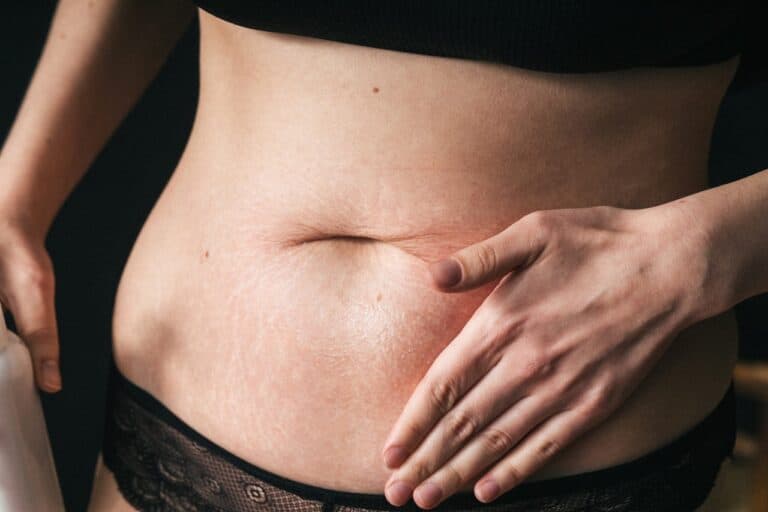
Stretch Marks
If skin gets stretched rapidly, either before or after the procedure, some people notice stretch marks that may last. Liposuction does not remove or prevent existing stretch marks. Also, new ones occasionally emerge if the skin cannot adjust to the body’s new shape.
Fat Distribution Changes After Liposuction
Many people wonder whether fat returns after liposuction. The body permanently removes treated fat cells, so those specific cells do not grow back. However, long-term changes do occur.
How Weight Gain Affects Treated and Untreated Areas
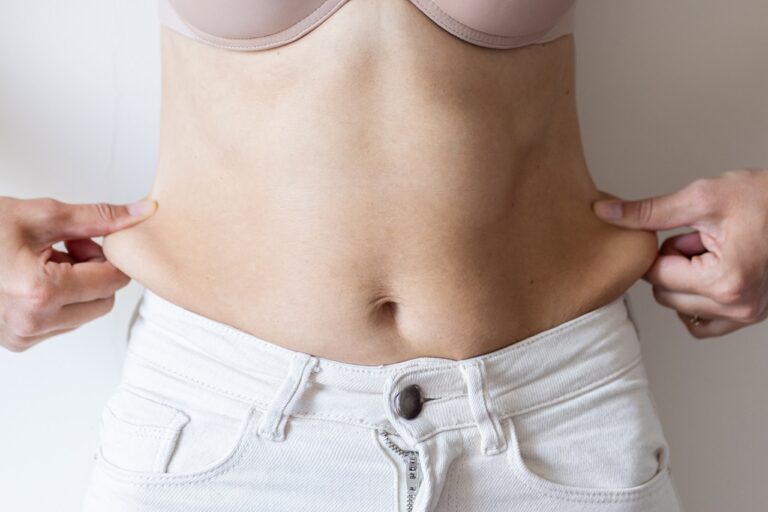
If you gain weight after liposuction, fat may accumulate in untreated parts of the body. This sometimes causes a shift in body shape, where areas that were not treated look fuller or out of proportion.
Patients who maintain a steady weight usually report lasting results. Commitment to healthy habits prevents fat buildup elsewhere.
Unusual Fat Pockets or Lumpy Regrowth
Occasionally, patients who gain significant weight notice bulges or lumpy tissue near or around the treated area. While fat cells in suctioned zones are fewer, the remaining cells can grow and expand.
Rarely, a process called “paradoxical adipose hyperplasia” develops after certain types of fat removal (such as with cooling devices), but it almost never occurs with traditional liposuction.
Fat Redistribution: Important Points to Know
- Permanent Changes: Fat cells removed during liposuction are gone for good, so those places will not store as much fat again.
- Compensatory Growth: Other areas might enlarge because the body stores new fat in remaining fat cells elsewhere.
- Unpredictable Patterns: Every person’s metabolism and genetic pattern affect where future fat shows up.
Surgical planning and open conversations with the patient set expectations and reduce disappointment from unexpected reshaping after surgery.

Rare or Serious Long-Term Complications
Most patients at the New York Liposuction Center recover without major complications. Rarely, more serious or chronic issues arise.
Serious Long-Term Complications
Patients benefit from awareness of these rare but impactful outcomes.
- Chronic Edema: Some develop lasting swelling or lymphedema, especially when the lymphatic vessels sustain damage. This leads to persistent fluid retention in the legs or arms.
- Delayed Healing or Persistent Infection: Infection at the incision or deeper tissue may develop and heal slowly, sometimes becoming a chronic issue that needs medical care.
- Internal Scarring (Fibrosis): Dense scar tissue may form within treated areas, causing firm lumps or restricting normal movement.
- Skin Necrosis or Tissue Loss: Without a strong blood supply, small patches of skin might not survive, leaving scars or open wounds that take months to heal.
- Contour Deformity Worsening Over Time: Some issues that look minor early may become worse as you age or your body changes.
Most of the complications after liposuction have solutions but may require additional visits, revisions, or ongoing care.
How to Reduce the Risk of Long-Term Side Effects
While some healing factors depend on genetics or chance, patients can take steps to limit unwanted outcomes.
Careful Surgeon Selection Matters
Choosing an experienced, board-certified surgeon significantly lowers the risks of liposuction. At our office, our surgeon assesses your skin type, healing history, and personal health to recommend the best approach. A careful plan means less aggressive fat removal in one session, which helps prevent irregularities or nerve changes after liposuction.
Importance of Following Aftercare Instructions
Closely following post-op guidelines also protects your liposuction results. This often includes wearing compression garments to aid with swelling, keeping wounds clean, and avoiding heavy lifting or vigorous activity until cleared.
Missed instructions or premature return to strenuous habits may trigger issues such as infection or hematoma.
Early Recognition and Prompt Treatment
Notify our doctor about any unexpected pain, swelling, or fluid buildup lasting longer than a few weeks. Addressing these problems early often prevents them from becoming chronic.
Healthy Lifestyle Commitment
Long-term satisfaction relies on keeping your weight steady through healthy eating, activity, and ongoing care. This prevents new fat from shifting to untreated areas and helps your skin adjust smoothly.
Who Is More Likely to Experience Lasting Side Effects?
Certain factors make some patients more vulnerable to prolonged or permanent changes following liposuction.
Key Risk Factors
Knowing these risk factors helps you and our surgical team plan ahead for your safest result.
- Poor Skin Elasticity: Older patients or those who have experienced large weight swings may struggle with loose skin or sagging.
- Large Volume Liposuction: Removing larger amounts of fat in one surgery increases the likelihood of lumps or irregular texture.
- Pre-Existing Health Conditions: Diabetes, poor circulation, or connective tissue disorders slow the healing process and heighten the chance of infection.
- History of Scarring: Those prone to keloids or hypertrophic scars may see more visible marks.
- Smoking Habits: Smokers face greater risks for delayed healing, skin necrosis, and wound issues.
Our team customizes your treatment to keep risks low once we evaluate your unique health profile.
What to Expect for Long-Term Maintenance
Long-term liposuction results do not remain static year after year. The body, lifestyle choices, and aging process all influence your appearance.
Monitoring and Touch-Ups
Many patients visit for annual check-ins with our team. This gives time to track healing, watch for subtle changes, and address new concerns early.
Some eventually request small touch-up procedures to handle unevenness, persistent fat, or skin laxity. These secondary treatments usually involve less downtime and less risk than the first surgery.
Supporting Lasting Results at Home
Healthy weight maintenance, good nutrition, gentle massage, and regular exercise support a smooth contour. Skincare practices such as sun protection and moisturizer help scars and surface texture improve with time.
Our doctor offers guidance on which skincare or massage therapies might best support your goals.
The Emotional and Lifestyle Impact of Long-Term Side Effects
Beyond the physical changes, lasting liposuction side effects can impact mood and self-image. Most patients report feeling more satisfied and comfortable in their skin, but a few struggle if results look uneven or scars remain.
Open communication with our surgeon during consultations reduces anxiety. Setting expectations early and understanding the limits of liposuction support positive outlooks and a lasting feeling of satisfaction.
Support from friends, family, and when needed, a mental health professional further improves coping with long-term changes.
When and Why Revision Surgery Might Be Needed
Some patients consider revision surgery if the original results fall short of expectations or new side effects appear.
Indications for Revision
Revision surgeries address contour irregularities, persistent loose skin, or remaining localized fat. Sometimes a minor follow-up in the office fixes a small problem, while other situations require more involved correction.
What Revision Entails
Revision liposuction often removes small additional pockets, flattens lumps, or includes skin-tightening techniques. Our surgical team explains every step and reviews your healing response beforehand.
While repeat surgery does add risks of additional scar tissue or swelling, many enjoy improved symmetry and comfort after careful revision work.
Seeking Support and Getting Answers
No one wants to be caught off guard by a long-term complication. Knowing common and rare long-term side effects helps you manage expectations and take steps for a smoother recovery.
Our team welcomes your questions and provides honest assessments during each consultation. We explain risks and likely results based on your unique profile, so you feel empowered about your care.
Planning Ahead: The Best Path to Satisfying Results
Liposuction remains one of the most popular body contouring procedures, as patients enjoy durable changes with minimal scarring when done thoughtfully. However, true long-term satisfaction grows from both realistic expectations and good self-care in the months and years after surgery.
Remember that maintaining your results relies on your choices as well as skilled surgical planning. Our surgeon at the New York Liposuction Center stands ready to support you through every stage, from first consult to final check-in.
If you want to learn more or discuss your individual risks and goals, reach out to our team today. Scheduling a personalized visit at our New York office is the best step toward the safer, confident outcome you want.