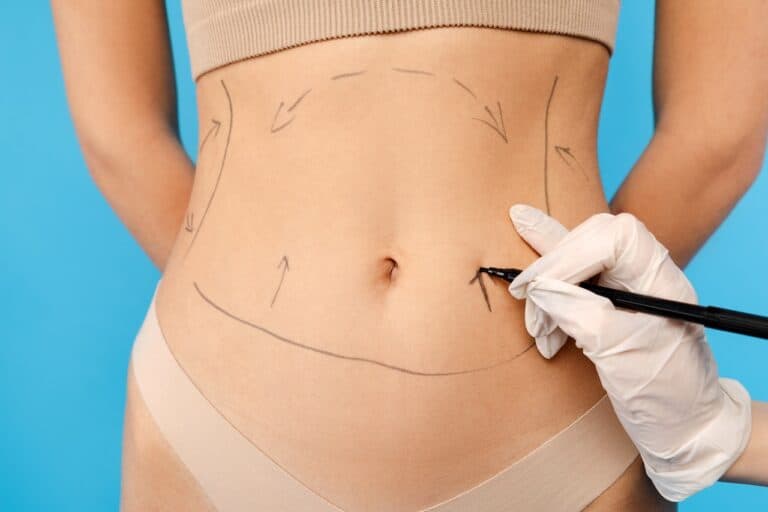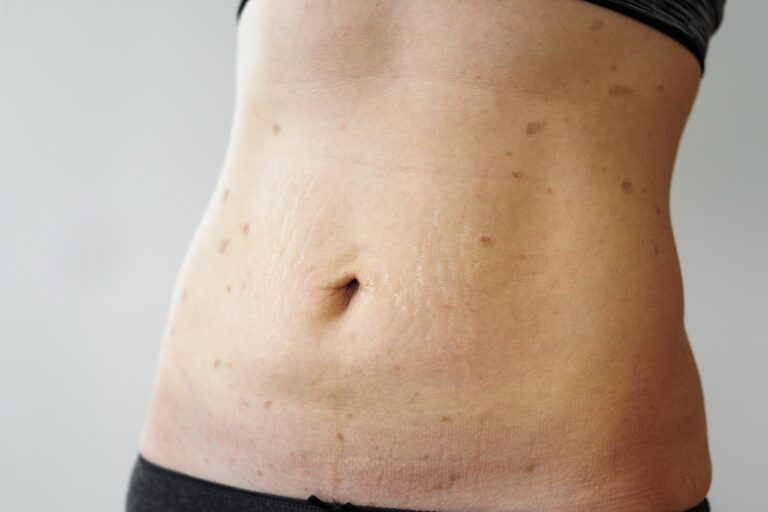
Feeling confident in your choice of treatment is important, and so is knowing what to expect in the days ahead. At the New York Liposuction Center, our surgeon has seen firsthand how post-procedure behavior shapes healing, comfort, and results for each patient.
Protecting your new shape is not just about following instructions. It is also about knowing exactly what NOT to do. Focusing on smart decisions (and a few important things to avoid) will help you recover comfortably and reach your goals with peace of mind.
Let’s go step-by-step through the most important things to avoid after liposuction and explain why these actions matter for your body and your aesthetic results.
Key Takeaways
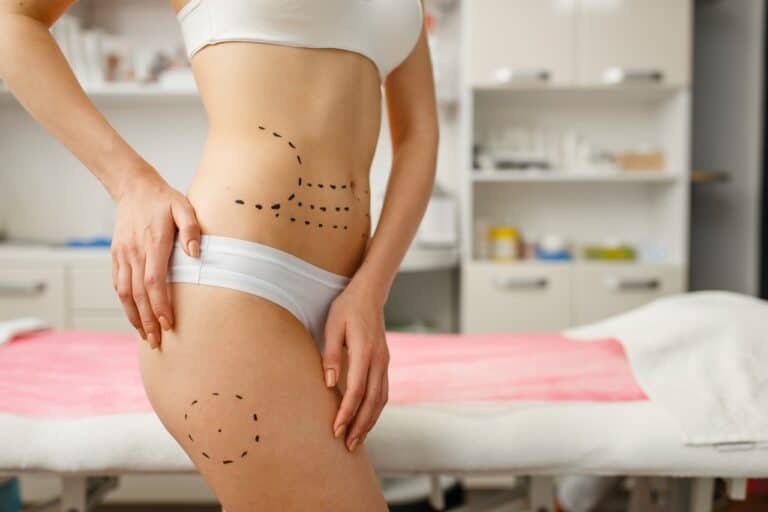
What NOT to Do After Liposuction
While liposuction removes stubborn fat, your post-procedure decisions play a key role in shaping your final outcome. Avoiding certain actions is not just about comfort. It is also critical for preventing avoidable setbacks or liposuction complications.
After leaving our center, you control what happens next. We have detailed the most common pitfalls here, so you know exactly what to steer clear of (and why these actions matter to your recovery and future results).
Ignoring Activity Restrictions: Risks of Too Much, Too Soon
Maintaining a precise balance between movement and rest is crucial in the days after liposuction. Overexertion can lead to increased swelling, bleeding, and even damage to new contours.
Why Activity Levels Matter
Right after liposuction, your body needs extra support. The areas that underwent fat removal are vulnerable to stress, and their delicate blood vessels may still be healing. Pushing yourself too quickly, such as attempting strenuous exercise, heavy lifting, or even aggressive housework, places unnecessary strain on these tissues.
Our surgeon at the New York Liposuction Center recommends that patients avoid all strenuous activities. This includes running, weightlifting, sports, or yoga for at least two weeks following most procedures. Even brisk walking or lengthy standing may prove harmful during the early days.
What About Light Movement?
Rest does not mean total immobility. You should take gentle walks (under 10 minutes at a time) as soon as possible. This supports healthy blood flow and lowers your risk of blood clots.
Never push through pain or ignore renewed swelling. These symptoms signal that your body is struggling with stress. Waiting longer before returning to your workout routine will not set you back. Instead, it increases your odds of a smoother, more satisfying result.
Compression Garments: Skipping or Misusing Your Support
Compression garments are more than an accessory. Wearing them properly holds tissues in place, reduces swelling, and helps you achieve the intended contour.
The Purpose Behind Compression
Your garment gently presses on the treated area. This helps prevent fluid buildup (or seroma) under the skin’s surface. Our surgical team will fit you with the correct size and explain how long you should wear your compression wear.
Some patients report discomfort and may be tempted to take off their support garment too soon. While this feels good in the moment, it encourages more swelling, uneven results, and longer healing times.
Common Mistakes Patients Make
Do not cut or alter your garment. This will ruin the even pressure and change its function. If the fit causes pain, reach out to our New York office for immediate help. Skipping the garment for even a day or two can undo progress and leave your skin looser than expected.
Lifestyle Factors That Impede Healing
You play an active role in your body’s recovery. Everyday choices can either support healing or introduce new risks after liposuction.
Alcohol and Smoking: A Hidden Threat
Alcohol thins your blood and increases swelling, which can bring more bruising and interfere with proper clotting. This means the healing process can take longer or grow more uncomfortable.
Cigarettes (and other nicotine products) change the chemistry of your blood supply. The treated tissues receive less oxygen and nutrients when you smoke. Slower healing, greater chances of infection, and uneven fat removal may all develop if these substances stay in your system during recovery.
Poor Nutrition and Dehydration
How you nourish your body makes a difference. A diet heavy in salt or processed carbohydrates increases water retention and swelling.
At the New York Liposuction Center, our surgeon encourages you to drink plenty of water and eat high-protein, whole food meals. Skipping meals or drinking too little water will set back new tissue growth and slow your progress.
Ignoring Signs of Complications
Your body communicates changes clearly after surgery. Dismissing new discomfort or unexplained symptoms could mask a developing complication.
What to Watch For
You should note any fever, persistent redness, increased swelling, or drainage from your incisions. Sudden sharp pain or spreading bruising also signals a need for urgent assessment from our team. Delaying care in these cases can allow minor issues to become much more serious.
Follow-Up is Non-Negotiable
After your procedure, our staff schedules prompt follow-up visits to check your progress. Missing these appointments keeps our doctor from identifying early problems and guiding your recovery.
Sun Exposure and Skin Trauma: Protecting Healing Skin
Healing skin is more sensitive to sunlight and physical pressure than usual. While your liposuction incisions close quickly, the underlying tissues remain fragile for weeks.
Why Sunlight is a Risk
Newly treated areas respond to sunlight by darkening more easily. Even minimal sun exposure can leave behind long-lasting discoloration or encourage thickened, raised liposuction scars, making proper sun protection a vital part of your long-term aesthetic result.
Avoid direct sun on exposed areas for at least 4-6 weeks. Wear protective clothing if you must go outside, and consider using a gentle sunscreen if exposure is unavoidable.
Protecting Against Trauma
Do not scratch, scrub, or massage the healing skin. These actions disrupt early healing and increase scarring. Wait for direction from our surgical team before resuming treatments like body scrubs, waxing, or deep massage.

Medications and Supplements: What Not to Take
It is important to avoid certain over-the-counter products after surgery. Many medications can interfere with healing, increase bleeding, or react with anesthesia.
Medications to Avoid After Liposuction
Some common medications and supplements must be paused in the recovery period. The following list highlights key examples, but always consult with our surgeon for specific restrictions.
- Blood Thinners: Aspirin, ibuprofen, and many anti-inflammatory medications increase your risk of post-operative bleeding.
- Certain Herbal Supplements: Ginkgo biloba, garlic, and St. John’s wort can interact with anesthesia or compromise healing.
- High-Dose Vitamin E: This supplement is linked to a greater risk of bruising and bleeding after surgery.
Never resume prescription or non-prescription medicines without approval from our surgeon. Bring all your usual medications to your pre-op appointments. Let us review your plan and create safe timelines for restarting.
Skipping Rest: The Danger of Pushing Through Recovery
Adequate rest shapes your outcome and your comfort while you heal. Some patients worry that “taking it easy” means they will lose their results. The opposite is true.
Rest Supports Healing
During rest, your body forms new blood vessels, seals surgical tissues, and reduces inflammation. Activities that push through fatigue, such as social events, extra work, or household demands, keep the body from focusing on recovery tasks.
Understanding How to Pace Yourself
Sleep as much as needed during the first few days. Take breaks throughout the day. While walking and gentle movement are good, avoid “testing” your limits too soon. Let your energy and comfort guide your return to regular daily activities.
Disregarding Garment and Incision Care Instructions
Following proper aftercare instructions matters for more than comfort. It also directly shapes your risk of infection, wound separation, and cosmetic concerns.
How to Care for Your Incisions
Keep wounds dry unless our team has cleared you to shower. Do not soak or swim until advised. This rule reduces the risk of bacterial contamination from bathwater, pools, or hot tubs.
While most incisions remain small and heal quickly, cleaning and bandaging them gently should become part of your daily routine for the first week. Watch for any increase in drainage, bad odor, or dark red color at the incisions.
Avoiding These Common Aftercare Mistakes
Patients often make these avoidable errors after liposuction. Here are the biggest pitfalls and how to keep your recovery on track.
- Ignoring Rest: Returning to normal routines too soon strains your healing tissues and increases swelling. Prioritize downtime and listen to your body’s need for sleep and relaxation.
- Overexerting Yourself: Lifting, high-intensity workouts, or brisk walking may delay recovery and alter your final contours. Only resume these activities under our advice.
- Neglecting Compression: Not wearing your garment or incorrectly adjusting it exposes you to avoidable swelling, lumpy results, or delayed recovery.
- Improper Incision Care: Forgetting to clean wounds increases infection risk. Skipping instructions about keeping incisions dry extends your recovery and may affect scarring.
- Sun Exposure: Direct sunlight on new incisions makes scars more noticeable and increases pigmentation problems.
Correcting these habits keeps you comfortable and gives our surgeon the highest chance of delivering your desired results.
What Your Body Needs After Liposuction
Protein supports new tissue growth and immune defense. Adding fruits, vegetables, and whole grains provides important nutrients that fight inflammation and support energy.
Our surgeon at the New York Liposuction Center recommends meals that include good sources of protein (such as chicken, fish, eggs, or beans) with each serving, as well as foods rich in antioxidants. Avoid high-salt foods and excessive sugar, both of which can worsen swelling.
Drinking plenty of water keeps your blood moving and helps flush away waste products from healing tissues. Insufficient fluids may leave you feeling fatigued or slow down your return to normal.
Emotional and Mental Health: The Role of Self-Care
Physical changes after surgery often trigger mood swings or emotional stress, particularly when discomfort, swelling, or bruising lasts longer than expected.
Supporting Your Emotional Recovery
It is normal to feel disappointment or worry if results take time to appear. Liposuction recovery progresses in stages, and temporary swelling may hide your new shape for several weeks.
Choosing supportive activities such as gentle walking, relaxation exercises, or time with close friends can keep your outlook positive during this transition.
If low mood, anxiety, or body image worries interfere with regular activities or relationships, talk with our staff. Support is available at every stage of your recovery, and we can recommend resources to help you cope with these feelings as your body heals.
Returning to Daily Life: Knowing When to Resume Activities
Getting back to your normal activities after liposuction has its challenges. Clearance from our surgical team is your best timeline indicator.
How to Assess Readiness
Do not use only pain or visible bruising to judge your progress. Deep tissues continue healing long after surface incisions close. Our team’s advice accounts for your unique health, treatment area, and response.
Most patients can begin light household tasks or desk work within 3-5 days. However, the timeline for working after liposuction varies depending on the physical demands of your job and the extent of your procedure.
Strenuous exercise, travel, and bathing in public water should wait for our guidance, usually after 2-4 weeks, depending on your healing pattern.
Travel and Special Events: Planning Ahead
Big trips, weddings, or family events can add stress during your healing period. Early planning and honest conversations about your limitations will help you avoid last-minute disappointment.
Discuss all upcoming events with our team. We will outline safe timelines and offer guidance about garment use, sun protection, and fatigue management. Ensuring rest before and after activities prevents setbacks and keeps your recovery on schedule.
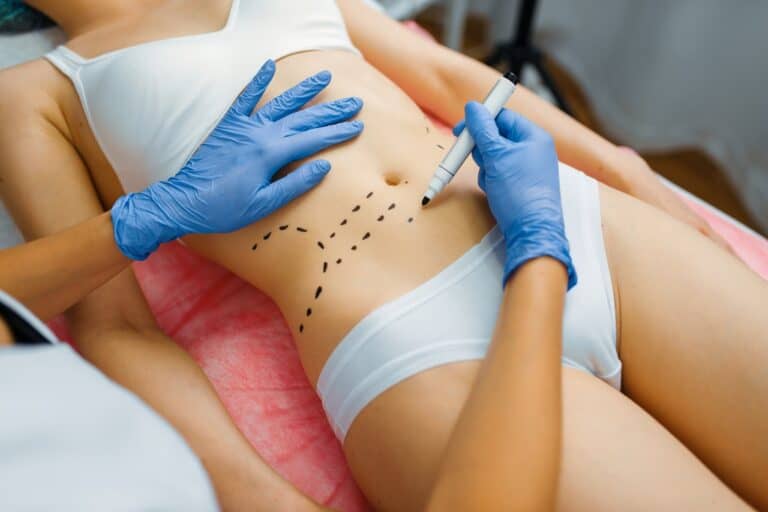
Long Term Success: Habits That Undermine Your Liposuction Results
Liposuction permanently removes fat cells, but your future lifestyle can determine whether bulges return in other areas.
Habits to Avoid for Lasting Results
Weight gain after liposuction often causes uneven fat distribution. This can reverse or distort your aesthetic results.
To protect your investment and feel confident in your long-term outcome:
- Eat balanced meals, focused on lean protein, fresh vegetables, and whole grains.
- Keep a regular activity schedule, even if you change exercise routines from pre-surgery habits.
- Maintain healthy habits for stress, sleep, and hydration, as these affect weight and overall well-being.
Long-term success begins with healthy routines, not “quick fix” diets or exercise after healing is done.
Clear Communication With Your Surgeon
Honest, frequent communication keeps your recovery on track and strengthens the partnership you have with our doctor. Always let us know if you have questions, new symptoms, or changes in your plans during recovery.
We welcome all updates and will adjust our advice based on your unique experience. Clear discussions about goals, recovery concerns, and future treatments protect your health and help you realize your aesthetic vision.
Staying on Track for Your Best Results
Choosing what not to do after liposuction shapes your results just as much as what you do for yourself.
Our surgical team at the New York Liposuction Center supports you through every step, from your first appointment to your final results. Taking care, following aftercare instructions, and avoiding common mistakes will set you up for comfort, safety, and lasting satisfaction.
If questions come up during your recovery journey, our staff remains ready to help. Schedule your follow-up or reach out anytime so we can provide clear answers, reassurance, and support as you achieve your goals for a renewed, confident look.