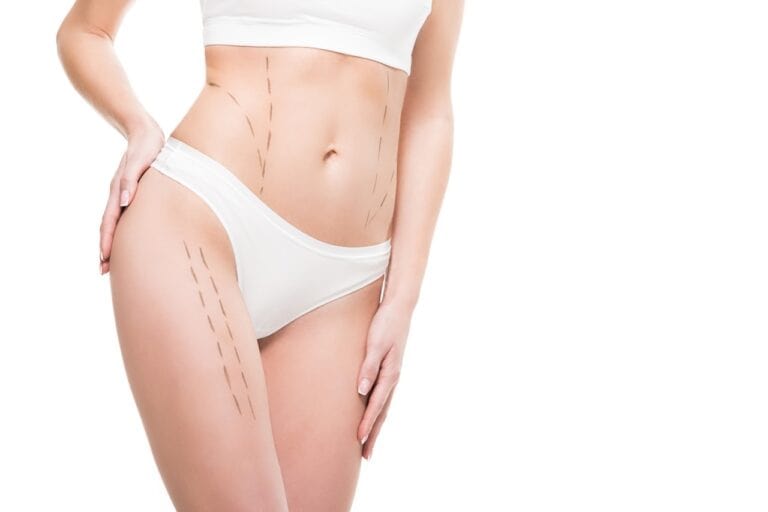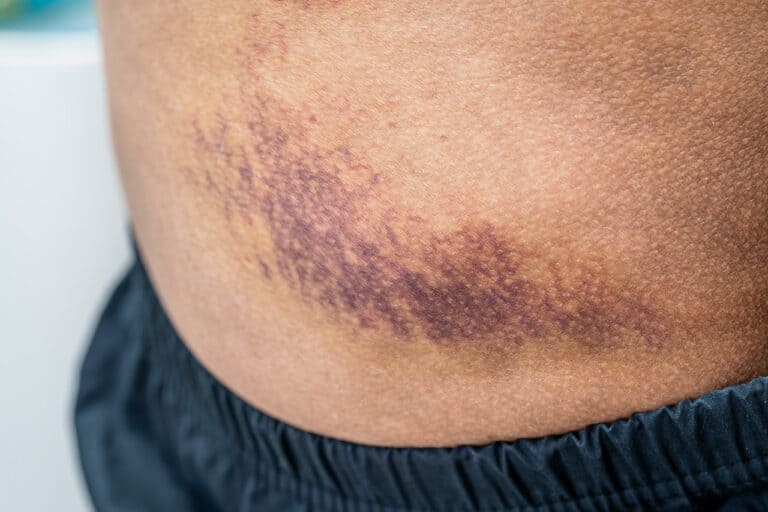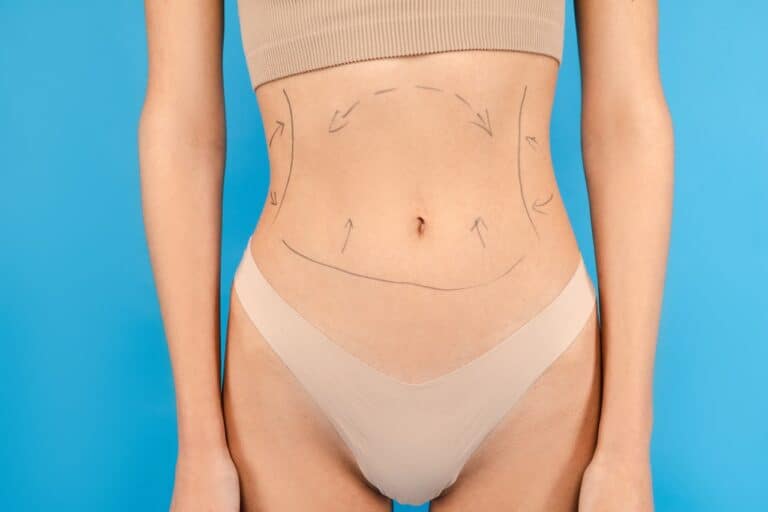
Liposuction can leave you feeling excited about the next phase of your health and appearance. While you can often see fast changes, you may also wonder how to make the most of your results and avoid common concerns such as sagging skin.
At the New York Liposuction Center, our surgeon sees many patients who want clear, practical advice about skin care after liposuction. Knowing what to expect and how to actively protect your skin sets you up for the firmest possible outcome. Now is the perfect time to learn what really works to help your skin tighten and recover after liposuction.
Key Takeaways
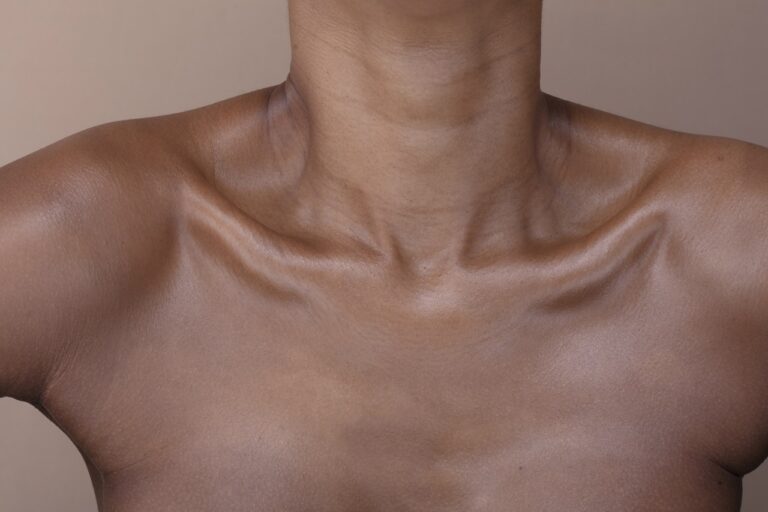
What Happens to Your Skin After Liposuction?
Liposuction removes fat deposits just beneath the skin’s surface, which means your skin must now shrink to fit your new shape. The process of returning to a natural, smooth contour depends on several factors.
The condition of your skin before surgery makes a strong impact on your results. If your skin has good elasticity and firmness, you are more likely to see skin rebound nicely. Age, genetics, sun exposure, and past weight changes all play a part in your skin’s flexibility.
Our team at the New York Liposuction Center helps each patient understand their starting point before surgery. This way, you know what to expect and how to support tighter, healthier skin as you heal.
Important Steps for Skin Care Right After Surgery
Immediate aftercare lays the foundation for smoother, firmer skin. Here’s what you should focus on during the first days and weeks:
The Value of Compression Garments
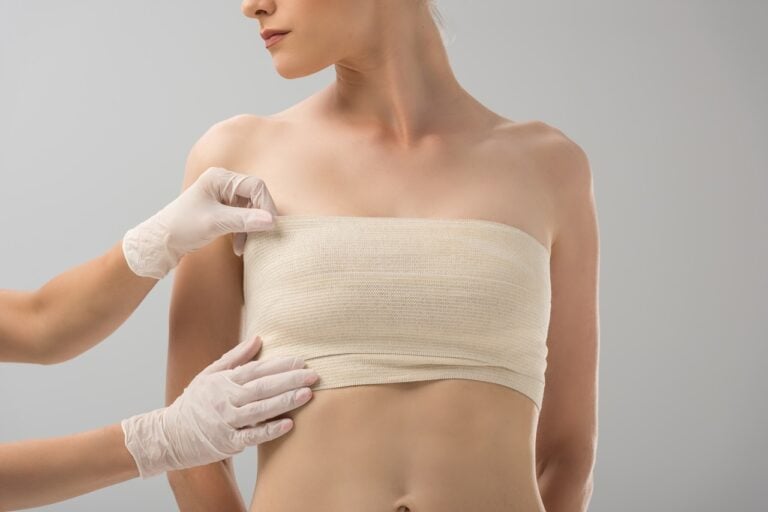
Our surgeon recommends consistently wearing your compression garment as directed. These garments gently hold the skin against the healing body, which helps limit swelling and encourages your skin to contract over time.
Inconsistent use may slow healing and leave you with lingering puffiness or loose skin. Always keep the garment clean and fitted but not painfully tight.
Taking Care of Incision Sites
Proper wound care protects your incisions from infection after liposuction and supports the skin’s healing process. Wash the area with mild soap and water as instructed and gently pat dry.
Our surgical team can provide a clear schedule for bandage changes and let you know when to return for your first follow-up visit. Avoid picking at scabs or disturbing stitches.
Early Movement
Light activity, such as walking, increases healthy blood flow to the treated area. This brings vital nutrients to your healing skin and reduces the risk of clots.
Do not rush into heavy exercise or strenuous movement until your surgeon gives you the green light. Pay attention to discomfort and move at your own pace.
Factors That Influence Skin Tightening After Liposuction
Several different elements determine how quickly and completely your skin tightens after surgery. Some can be controlled, and others are connected to your natural skin biology.
Age and Natural Elasticity
Younger skin contains more collagen and tends to “bounce back” better than older or heavily sun-damaged skin. Genetics also affect how much your skin can contract after fat has been removed.
Amount of Fat Removed
Large areas treated with significant fat removal usually experience more empty space beneath the skin. This sometimes means the skin has a harder job shrinking and tightening back to the body’s new shape. Smaller, targeted areas see a quicker, smoother transition.
Health and Lifestyle Choices
Overall wellness before and after surgery supports healthy blood flow, stronger collagen, and skin recovery. Smoking, crash dieting, or dehydration can slow your progress and leave the skin more prone to sagging.
How to Prevent Sagging: Core Skin Care Habits
Good daily habits play a critical role in how your skin responds after liposuction. Our doctor emphasizes these foundational practices.
Prioritize Regular Hydration
Your skin depends on water to heal well and maintain firmness. Plan to drink plenty of fluids, such as water, herbal teas, or broths, each day after your procedure.
Avoid sugary or dehydrating drinks, and carry a water bottle so you always remember to sip throughout the day.
Eat Nutritious Foods
A balanced diet provides the vitamins and minerals your skin needs for repair. Include plenty of fruits, vegetables, lean proteins, whole grains, and healthy fats.
Vitamin C, vitamin E, and zinc are especially useful for collagen formation. Our team at the New York Liposuction Center can suggest meal ideas if you need help planning your liposuction recovery diet.
Stick to Your Surgeon’s Instructions
Every patient receives specific care guidelines that reflect their unique procedure and skin type. Follow garment, movement, medication, and wound care instructions day by day, and reach out if you have questions.
Consistent self-care makes a noticeable difference in healing and can lower your risk for sagging, lumps, or scarring after liposuction.
Advanced Ways to Support Skin Tightening
Not all patients see perfect skin tightening from aftercare alone. Several professional treatments can further encourage firmer, more even skin.
Massage and Manual Lymphatic Drainage
Gentle massage and specialized manual lymphatic drainage can encourage better circulation and move excess fluid away from treated areas. This can speed up swelling improvement and deliver oxygen to your skin.
Our surgical team can show you approved techniques or recommend experienced therapists after your procedure.
Non-Invasive Skin Tightening Treatments
Technology can enhance natural skin contraction without additional surgery. Popular options include:
- Radiofrequency therapy: This uses energy waves to heat the deeper layers of your skin, which stimulates collagen and creates a firmer appearance.
- Ultrasound-based treatments: These direct gentle sound waves into the skin to trigger tightening and collagen rebuilding over a series of visits.
Ask our surgeon about the timing and safety of these treatments after your specific surgery.
Topical Creams and Lotions
Prescription-strength retinol or medical-grade skin firming products can help boost collagen and improve mild looseness after liposuction. Always check with your surgeon about any new product, especially for over-treated or delicate areas.

Top Causes of Post-Liposuction Skin Sagging
Several factors can leave you at higher risk for sagging after this procedure. Knowing these risks puts you in a better position to protect your results.
Here are the primary causes connected to skin laxity after liposuction:
- Poor Skin Elasticity: Aging and sun damage break down collagen, making it hard for skin to “snap back.”
- Significant Weight Fluctuations: Large or quick changes in weight weaken skin fibers and leave “leftover” skin after fat removal.
- Inadequate Compression Garment Use: Short or inconsistent wear reduces your skin’s chance to adapt to your new contours.
- Limited Physical Activity: Lack of movement slows blood flow and collagen stimulation, which may increase the risk of sagging skin.
- Insufficient Hydration and Nutrition: Dry, under-nourished skin has a decreased ability to heal and contract as you recover.
Patients who protect their skin from these risk factors usually see quicker, more complete tightening. Good planning and honest conversations with your care team always help.
How to Tell if Your Skin Will Tighten Post-Liposuction
Many patients want to know what to expect for their unique situation. Predicting your skin’s response depends on both visible signs and several biological factors.
Signs of Strong Skin Elasticity
If your skin “snaps back” when gently pulled, you stand a better chance of seeing a smooth, tight result. Minimal stretch marks, a healthy glow, and firm, bouncy skin all mean collagen and elastin levels remain high.
Warning Signs of Possible Looseness
Skin that forms deep folds, remains easily stretched, or shows lots of stretch marks may not rebound fully. Prior rapid weight loss, multiple pregnancies, or long hours of sun exposure can leave skin thin and less responsive.
When to Ask for an Evaluation
Our New York-based surgeon offers preoperative exams to help estimate how your skin may react after fat removal. Early consultations let you set realistic expectations and explore options for maximizing tightening.
Simple Practices to Enhance Skin Recovery
A few extra steps in your daily and weekly routine can help support your skin as it adapts after surgery.
Protect Your Skin From the Sun
Always cover healing areas or apply sunscreen to prevent dark spots, thinning, or burns. Sun exposure during the healing phase weakens repair and invites sagging, so stay vigilant.
Moisturize Daily
Applying a gentle, perfume-free moisturizer daily keeps your skin soft, protected, and less prone to flaking or rough spots. Hydrated skin also provides a plumper, healthier appearance.
Avoid Harsh Products
Strong acids, abrasive scrubs, or retinol should be used only with your doctor’s approval. Oversensitizing new skin can slow healing, so stick with gentle care for several weeks post-procedure.
Professional Support for Stubborn Skin Laxity
Even after your best efforts, some patients still find small areas of loose or excess skin. Modern medicine offers several follow-up solutions that can help.
Minimally Invasive Office Procedures
For mild to moderate sagging, treatments such as radiofrequency microneedling or ultrasound-based tightening are often suitable. These approaches require no major incisions and have little recovery time.
Surgical Skin Removal
If significant sagging or hanging skin prevents your best result, our surgeon may recommend a minor procedure to remove excess tissue. This option works best when the skin cannot shrink enough on its own.
Patients typically only need this second step after high-volume liposuction or major weight loss, and our team can answer all your questions if this becomes necessary.
Creating the Best Results: Tips for Long-Term Skin Health
Taking care of your skin after liposuction should turn into a lifelong habit. A little consistency goes a long way in maintaining your firm contours and supporting healthy tissue.
Follow these tips to maximize your investment and keep your liposuction results looking their best:
- Stay Active: Incorporate gentle stretching, walking, or your favorite exercises once cleared by our surgeon.
- Eat Balanced Meals: Feed your skin from the inside out with nutritious foods full of vitamins and minerals.
- Hydrate Every Day: Keep your skin cells refreshed by drinking enough water for your size and activity level.
- Protect Your Skin: Avoid tanning beds, harsh products, and sunburns to prevent damage that leads to sagging.
Maintaining these simple habits often prevents sagging before it starts, and our New York Liposuction Center can support you every step.

Personalized Skin Care Starts With You
Caring for your skin after liposuction is one of the most important steps in the entire process. Knowing what to do and acting early helps you achieve firmer, smoother results with as little frustration as possible.
Working closely with our surgeon ensures you receive a skin care plan tailored to your body’s needs, your lifestyle, and your specific goals. Whether you are just beginning your research or have already scheduled a procedure, helpful guidance makes each phase of recovery safer and more effective.
If you want more personalized advice or wish to explore options for boosting skin tightening, reach out to the New York Liposuction Center today. Our team is ready to answer your questions, review your unique case, and help you plan for the best possible outcome.