At the New York Liposuction Center, many people come to us with questions about surgical solutions for weight loss or body contouring. It can feel overwhelming to sort through all the available options, especially when comparing procedures like liposuction and gastric bypass.
Deciding between these two treatments depends on your health goals, expectations, medical history, and how much change you hope to see. Understanding the essential differences between liposuction and gastric bypass surgery can make your choice clearer and help you move forward with confidence.
Key Takeaways

Liposuction and Gastric Bypass: Very Different Procedures
Understanding the nature of each treatment helps clarify why its benefits and risks diverge so much. While both involve surgery, their purposes, methods, and outcomes are not alike.
What Is Liposuction?
Liposuction focuses on body shaping rather than weight loss. Our surgeon makes small incisions in targeted areas to suction out unwanted fat. Common areas include the abdomen, hips, thighs, arms, or neck.
The goal is a slimmer, more contoured figure that fits your natural proportions. Liposuction does not treat obesity or significantly lower your body mass index.
What Is Gastric Bypass Surgery?
Gastric bypass is a weight loss surgery that drastically alters your digestive system. This procedure creates a small stomach pouch and reroutes the small intestine. That’s why you feel full quickly and absorb fewer calories.
This surgery addresses severe obesity and obesity-related medical issues. Many patients see rapid and significant weight loss over the months after surgery.
Comparing the Main Objectives
People often confuse these two surgeries because both can produce visible changes. However, they serve sharply different purposes:
- Liposuction contours the body and eliminates stubborn fat.
- Gastric bypass seeks to resolve or manage health risks related to high body weight.
Once you understand this, you can see why doctors recommend each to different types of candidates.
Who Should Consider Each Procedure?
Many people wonder which option might best fit their needs. While both surgeries involve fat or weight reduction, the people best suited for each are distinct.
How We Determine Candidacy
At our practice, we evaluate several factors before recommending a particular procedure, such as your:
- Current body weight and medical history
- Overall health status and risks
- Realistic expectations and cosmetic goals
Liposuction Candidacy
Liposuction suits people who are near their ideal body weight. Patients usually have localized fat that does not improve with lifestyle changes. When evaluating diet and exercise compared to liposuction, it is important to remember that surgery targets the fat cells that are biologically resistant to traditional weight loss methods.
The skin in the area should be firm and elastic, allowing it to reshape well after fat removal.
Good candidates should also maintain a stable weight before surgery to maximize results and minimize complications. Individuals with severe obesity generally do not achieve the desired outcome through liposuction alone.
Gastric Bypass Candidacy
Gastric bypass is appropriate for patients with severe obesity. Most candidates have a body mass index of 40 or higher, or 35 or above with additional risk factors like diabetes or high blood pressure.
Physicians also screen for general health, commitment to making long-term changes, and previous unsuccessful attempts to control weight through non-surgical methods. Some medical conditions, such as uncontrolled heart disease or active infections, could delay or prevent surgery.
Identifying the most suitable procedure will give you the safest, most satisfying results relative to your circumstances.
Surgery Journey: Procedure Details
Both liposuction and gastric bypass require thorough planning and preparation. However, the experiences, durations, and follow-up routines differ significantly.
Liposuction Surgical Steps
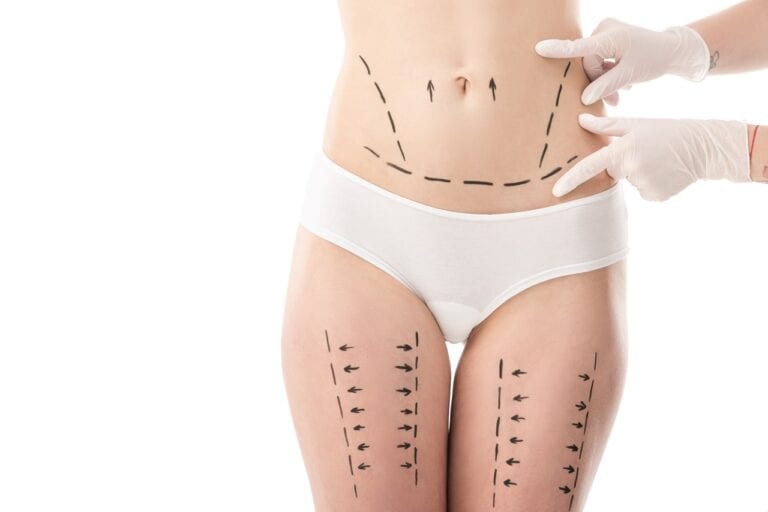
Our procedures, which utilize various liposuction methods tailored to your needs, begin with a consultation and health assessment. On surgery day, we administer anesthesia and mark the targeted areas.
Small incisions enable a thin, hollow tube (cannula) to enter under the skin. Our surgeon moves the cannula methodically to break up and remove specific fat deposits.
Once we extract the fat, our team closes the incisions, applies compression bandages, and monitors your initial recovery. Most procedures last between one and three hours.
Gastric Bypass Surgical Steps
Gastric bypass involves a hospital stay because of the complexity and scale of the operation. Surgeons use minimally invasive techniques in most cases.
The procedure starts with an assessment and preoperative diet. On surgery day, anesthesia puts you fully asleep while our team operates through small incisions.
Our surgeon divides the stomach and attaches a portion of the small intestine directly to the new stomach pouch. This changes food’s path, reducing absorption and appetite.
Patients typically recover in the hospital for two to three days after surgery. Ongoing care includes dietary guidance, regular activity, and medical checkups.
Recovery Timelines and Aftercare
Whether you choose liposuction or gastric bypass, both surgeries require some level of aftercare and adjustment. The nature and duration of healing, however, set the two experiences apart.
Liposuction Recovery: What to Expect
Recovery from liposuction is usually shorter and less restrictive than more invasive procedures. Most patients return home the same day and are up and about within a few days.
Bruising, swelling, and mild discomfort are common, especially in the first week. Compression garments reduce swelling and help shape the healing tissues.
Within two weeks, many patients resume light activities and work. Exercise routines and vigorous activities may return after three to four weeks, depending on your healing progress.
Gastric Bypass Recovery and Adjustments
Gastric bypass requires a longer recovery and careful supervision. Our surgeon recommends a phased diet, beginning with liquid foods, then progressing to soft and later solid foods over several weeks.
Physical activity resumes slowly, and patients should avoid heavy lifting for a month or more. You must take vitamin supplements for life because of altered nutrient absorption.
Frequent follow-up visits help us monitor weight loss, check for complications, and address emotional or dietary changes. Permanent lifestyle shifts make a big impact on your long-term success.

Weighing the Pros and Cons
Exploring the advantages and trade-offs of each procedure can help clarify which option fits your needs best. The scope of benefits and the likelihood of side effects differ between these two surgeries.
Key Benefits of Liposuction and Gastric Bypass
People who undergo these surgeries at our office often report a range of different positive changes, both physical and emotional.
Liposuction Benefits
- More balanced body shape and contour
- Immediate, visible slimming in treated areas
- Fast recovery and short downtime
Gastric Bypass Benefits
- Significant, lasting weight loss
- Improvement or reversal of obesity-related illnesses such as type 2 diabetes or high blood pressure
- Boost in energy, confidence, and quality of life
Each procedure offers unique rewards, tailored to individual needs and goals.
Main Risks and Complications
While we strive to minimize risks, any surgery can bring possible complications. Here is a list of potential concerns to keep in mind:
- Liposuction risks: Lumpiness, uneven contours, infection, bleeding, numbness, fluid buildup, or rare changes in skin color. Serious problems, such as blood clots or organ damage, are extremely rare but possible.
- Gastric bypass risks: Infection, bleeding, blood clots, leaks from staples, ulcers, or bowel obstructions. Long-term issues may include malnutrition, dumping syndrome, or vitamin and mineral deficiencies.
Our team reviews these concerns with every patient before scheduling any surgery. Honest conversations help us keep you safe and set realistic expectations for results.
Complications for both procedures occur in a minority of patients, and most can be managed effectively with prompt care.
Costs, Coverage, and Other Considerations
Choosing a surgery involves more than just the medical benefits. People often wonder about financial factors, insurance coverage, time off work, and other lifestyle considerations. Recognizing these differences helps patients prepare for the journey ahead.
Costs and Insurance Matters
Liposuction counts as an elective cosmetic procedure. Insurance generally does not cover it, which means patients pay for the entire cost themselves. The price varies with body area, amount of fat removed, anesthesia, and surgical facility fees.
Gastric bypass surgery, in contrast, often receives insurance approval if patients meet specific medical requirements, such as a BMI over 40 or clear obesity-related diseases. Even with partial or full coverage, some out-of-pocket expenses, such as deductibles or aftercare costs, may remain.
Time Commitment and Time Off Work
Liposuction usually means a much shorter time away from daily activities. Many people are back to work and light duties within a week to ten days.
Gastric bypass demands a longer initial recovery and frequent follow-up visits. Most patients need at least two to four weeks off work or longer, depending on their job responsibilities and how smoothly their healing progresses.
Maintenance and Lifestyle Impact
Liposuction does not replace healthy living. People must maintain a stable weight and active lifestyle or risk slowly regaining fat in untreated areas.
Gastric bypass, on the other hand, radically alters your relationship with food. Lifelong dietary adjustments, nutritional supplements, and emotional support all play key roles in long-term success.
What Outcomes Should You Expect?
Expectations vary widely, depending on which procedure you pursue and the effort you commit to long-term changes.
Liposuction: What to Expect Long Term
Utilizing liposuction for body aesthetics provides immediate improvement in body shape, creating a more balanced and symmetrical appearance. As swelling subsides over several weeks, contours sharpen, and skin gradually tightens.
Results last as long as you maintain a consistent weight. New fat can still develop in other parts of the body if weight increases, but treated areas maintain their slimmer look.
Gastric Bypass: Milestones and Long-Term Progress
Gastric bypass patients usually see dramatic weight loss within the first year after surgery. Many shed up to 60 percent or more of their excess body weight. Medical conditions such as diabetes or sleep apnea often improve within months.
The procedure is not a cure or a one-time fix. Lifelong changes in diet, exercise, and supplement use are essential for keeping the results and staying healthy.
People who follow the post-surgical care recommendations tend to experience the best outcomes, both physically and emotionally.

Frequently Asked Questions About Liposuction and Gastric Bypass
Many patients come to us with questions that revolve around the comparison between these two options. Here, we answer some of the most common concerns to provide additional clarity.
Choosing Between Liposuction and Gastric Bypass
Understanding the significant differences between liposuction and gastric bypass is essential before you make any decisions. Both procedures can help reshape your body and support your goals, yet they accomplish this in very different ways and serve distinct patient needs.
Before proceeding, take time to explore your medical history, expectations, and willingness to make lasting changes. This will help you identify which pathway fits your goals best, whether that means improved body contours or significant, sustained weight loss.
If you want to discuss your own situation in detail, our surgeon at the New York Liposuction Center can provide honest guidance in consultation. Schedule a visit, and let us help you make the most informed and empowered choice for your health and confidence going forward.